
To find a tungsten carbide craft knife brand worth buying in Singapore, you must look beyond marketing labels and evaluate three practical factors: standard blade compatibility, local replacement availability, and handle ergonomics. While tungsten carbide offers exceptional hardness and edge retention, its performance depends heavily on the precision of the knife’s locking mechanism and how well the blade geometry matches your specific crafting materials. Rather than searching for a single universal brand, the most reliable approach is to select a manufacturer that uses standard blade dimensions—such as 9mm or 18mm utility sizes—allowing you to source high-quality replacement blades from specialized local stationery stores or online marketplaces without being locked into proprietary systems.
By focusing on build quality, blade stability, and the ease of sourcing refills locally, you can invest in a tool that remains sharp through extensive crafting sessions. This guide provides a structured framework to help you evaluate different brands, verify material claims, and choose the right knife configuration for your creative projects.
Understanding Tungsten Carbide Blades for Crafting
Tungsten carbide is an inorganic chemical compound composed of equal parts tungsten and carbon atoms. In its basic form, it is a fine grey powder that is pressed and formed into shapes through a process called sintering. When applied to craft knives, this material provides an edge that remains sharp significantly longer than standard high-carbon steel or stainless steel blades. For crafters in Singapore working with abrasive mediums—such as thick greyboard, mountboard, or dense plastics—this translates to fewer blade changes and cleaner, more consistent cuts over time. The hardness of the material allows the cutting edge to resist microscopic rolling and dulling, maintaining its razor-like precision through repetitive slicing tasks.
Products mentioned in this guide
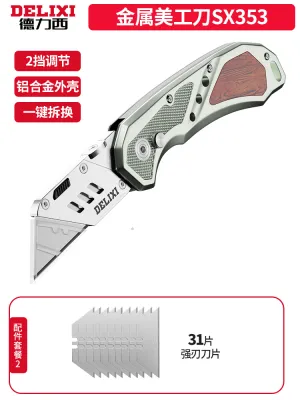
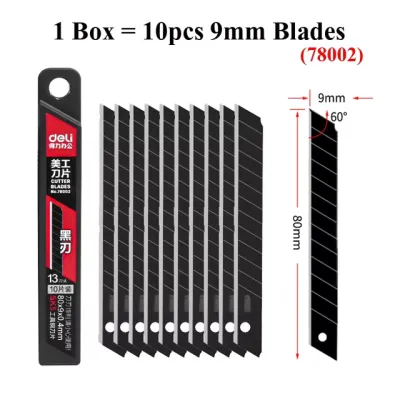
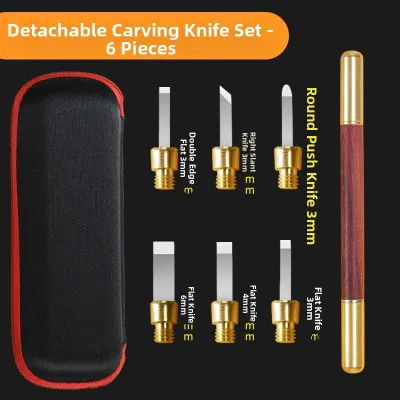
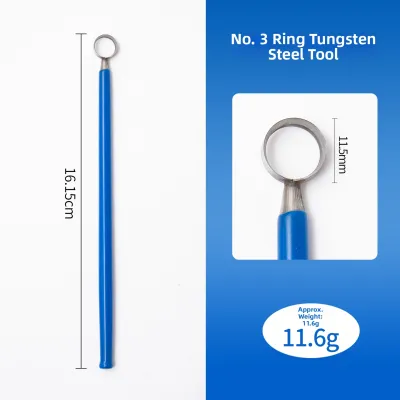
Prices are valid at publication and may change. Please refer to the product page for the latest price.
An additional benefit of tungsten carbide that is highly relevant to Singapore’s tropical climate is its high resistance to corrosion and rust. Standard carbon steel blades can degrade and rust quickly when exposed to high humidity, especially if stored in non-air-conditioned home workshops or drawers. Tungsten carbide is highly stable and does not oxidize easily under normal atmospheric conditions, ensuring that your blades remain clean, rust-free, and ready for use without requiring protective oil coatings that could stain delicate paper or fabric crafts.
However, this extreme hardness introduces a distinct physical trade-off: brittleness. Unlike steel blades, which possess a degree of elasticity and will bend or flex under lateral pressure, tungsten carbide blades are highly rigid. If you apply side-to-side force, twist the knife mid-cut, or accidentally drop the tool onto a hard tiled floor, the blade is highly likely to chip or shatter. Understanding this characteristic is essential for adjusting your cutting technique; carbide requires straight, steady downward pressure and a stable cutting mat to prevent premature failure.
To verify whether a brand’s blade is genuinely made of tungsten carbide rather than standard steel with a grey coating, you can perform a few simple physical checks. Genuine tungsten carbide blades typically exhibit a darker, matte grey finish compared to the bright, reflective surface of standard steel. They are also noticeably heavier when compared side-by-side with a steel blade of identical dimensions. Additionally, because tungsten carbide is significantly harder than standard steel, a genuine carbide edge will easily scratch the surface of a standard steel utility blade without sustaining any damage to its own cutting edge.
Key Features to Compare When Choosing a Craft Knife
When comparing different craft knife brands, the handle and locking mechanism are just as critical as the blade itself. A high-quality blade is of little use if it is housed in a flimsy, unstable handle that allows the blade to wobble during intricate cuts. You should evaluate several physical features to ensure the tool meets the demands of detailed crafting.

Blade Geometry and Thickness
Blade geometry determines the tool’s suitability for different crafting tasks. Precision detail knives typically use small, fixed blades with a sharp 30-degree angle, which is well-suited for intricate paper cutting, stencil work, and delicate scoring. In contrast, utility knives use wider snap-off blades—commonly in 9mm or 18mm widths—with 45-degree or 60-degree angles. Thicker blades (typically 0.5mm to 0.6mm) provide the structural rigidity needed to cut through dense materials like balsa wood or thick cardboard without flexing, while thinner blades reduce cutting resistance for cleaner slices in delicate media.
Handle Ergonomics and Weight Distribution
Prolonged crafting sessions require a handle that minimizes hand fatigue and prevents slipping. Look for handles constructed from durable materials such as die-cast aluminum, zinc alloy, or high-impact ABS plastic reinforced with elastomeric rubber grips. The weight distribution should feel balanced, with a slight bias toward the front of the tool to help guide the cutting path naturally. In Singapore’s warm climate, an effective anti-slip texture is particularly important to maintain a secure grip when hands become warm or damp during long working sessions.
Locking Mechanisms and Blade Stability
Blade wobble is the primary cause of inaccurate cuts and premature blade breakage. When evaluating a knife, inspect the channel where the blade slides. High-quality brands feature tight tolerances in the metal guide channel—ideally made of stainless steel or brass—to minimize lateral movement. For snap-off knives, compare the locking mechanisms:
- Auto-Lock Sliders: These mechanisms lock the blade automatically when you stop pushing the slider, offering convenience and speed for light-to-medium cutting tasks.
- Wheel-Lock Clamps: These feature a manual screw wheel that clamps the blade securely against the channel wall. This is the preferred choice for heavy-duty cutting, as it completely eliminates blade play and prevents the blade from retracting under heavy downward pressure.
Checking Replacement Availability and Long-Term Value
Before purchasing a specific brand of tungsten carbide craft knife, you must consider the long-term availability and cost of replacement blades. Because tungsten carbide blades cannot be easily resharpened with standard home sharpening tools, you will eventually need to replace them to maintain cutting performance.
A common pitfall is purchasing a knife handle that only accepts proprietary, brand-specific blades. If that specific manufacturer discontinues the model or if local distributors stop importing it, your knife handle becomes useless. To avoid this, verify that the handle conforms to standard industry dimensions, such as standard 9mm or 18mm utility formats. This cross-compatibility ensures that you can purchase high-quality tungsten carbide replacement blades from various reputable tool manufacturers and use them in your existing handle.
Take the time to research local availability in Singapore. Visit specialized art supply shops in retail hubs like Bras Basah Complex, check well-stocked neighborhood stationery stores, or search reputable online marketplaces. Compare the cost per blade across different packaging sizes; purchasing blades in packs of ten or twenty often provides significantly better value than buying individual replacements. For example, while a pack of standard steel blades might cost S$2 to S$5, a pack of premium tungsten carbide blades can range from S$10 to S$20, making it essential to verify that the extended lifespan justifies the initial investment for your specific crafting frequency. If a brand’s replacement blades are consistently out of stock or only available from overseas sellers with high shipping fees, it may be wiser to choose a more widely supported standard format.
Decision Framework: Matching the Knife to Your Craft Material
To make the final decision on which knife configuration to purchase, you must match the tool’s specifications to the physical properties of the materials you work with most frequently.
| Craft Material | Recommended Knife Type | Blade Angle & Width | Key Feature to Prioritize |
|---|---|---|---|
| Fine paper, vinyl, stencils, delicate cardstock | Fixed-blade precision hobby knife | 30-degree detail blade | Slim handle with textured grip for maximum visibility |
| Medium cardboard, foam board, thin plastics | 9mm snap-off utility knife | 45-degree, 9mm width | Auto-lock slider with a rigid stainless steel blade channel |
| Thick matboard, balsa wood, leather, composites | 18mm heavy-duty utility knife | 60-degree, 18mm width | Manual wheel-lock clamp to eliminate blade play under pressure |
Before starting any project, verify if the manufacturer specifies the maximum material thickness limits for the blade. Attempting to cut a material that is thicker than the exposed cutting edge forces the knife handle or the blade holder to rub against the material, which reduces control and increases the risk of the brittle carbide blade binding and shattering. For dense or thick materials, always plan to make multiple shallow passes rather than attempting to cut through the entire thickness in a single heavy stroke. This technique is especially important when working with architectural modeling materials like dense foam core or acrylic sheets commonly used by design students and hobbyists in Singapore.
Safe Handling and Maintenance for Carbide Blades
Because tungsten carbide blades are exceptionally sharp and brittle, they require specific handling and maintenance routines to ensure both your safety and the longevity of the tool.
Storage and Impact Protection
Always retract the blade fully into the handle or replace the protective safety cap immediately after use. Never leave an exposed blade lying on your cutting mat or worktable. Store your craft knives in a dedicated toolbox, drawer organizer, or pouch where they cannot collide with other metal tools. Even a minor impact against a steel ruler or scissors can chip the delicate carbide edge, rendering that section of the blade ineffective for clean cuts.
Cleaning and Residue Removal
Crafting materials often involve adhesives, double-sided tapes, and glues that leave a sticky residue on the blade surface. This buildup increases friction during cutting, forcing you to apply more pressure and increasing the risk of slipping. To clean the blade:
- Retract or remove the blade from the handle.
- Apply a small amount of isopropyl alcohol or a dedicated adhesive remover to a lint-free microfiber cloth.
- Carefully wipe the flat sides of the blade, moving from the spine of the blade outward toward the sharp edge. Never wipe along the cutting edge itself.
- Ensure the blade is completely dry before retracting it back into the handle to prevent moisture from trapping inside the metal channel.
Safe Disposal of Spent Blades
When a blade segment becomes dull or chipped, it must be disposed of safely. For snap-off knives, use the built-in blade snapper slot at the back of the handle, or use a pair of pliers to snap the segment along the pre-scored line. Always wear safety glasses during this process, as the brittle nature of tungsten carbide can cause small fragments to fly off unpredictably. Place the used blade segments into a puncture-proof container, such as a plastic bottle or a dedicated blade disposal case, before throwing them into the household waste.
Community discussion
Share your experience or ask a question. Comments are reviewed before publication.