
To achieve the strongest magnetic hold for office organization on steel filing cabinets, magnetic whiteboards, or metal partitions, the selection must focus on material composition and mounting mechanics rather than brand name alone. While many consumer brands market their products with vague claims of high strength, the physics of magnetism dictates that raw holding power is determined by the specific magnet alloy and the engineering of the backing.
Neodymium (NdFeB) rare-earth magnetic strips offer the highest raw pull force available, far exceeding standard ceramic or ferrite options. However, for vertical office organization—such as hanging heavy clipboards, metal trays, or thick document folders on filing cabinets—the actual holding power is often limited by the adhesive backing’s shear resistance, not just the magnetic attraction. To build a reliable organizational system, select high-grade neodymium strips with industrial-grade acrylic adhesive for heavy documents, or opt for bare magnetic strips secured with mechanical fasteners for a permanent, fail-proof hold.
Key Specifications That Dictate Magnetic Strength
Understanding the technical specifications of magnetic strips allows for an objective comparison of products, shifting the focus from marketing buzzwords to verifiable performance metrics. When organizing an office, the choice of magnet material directly impacts how much weight the system can support without sliding or falling.
Products mentioned in this guide
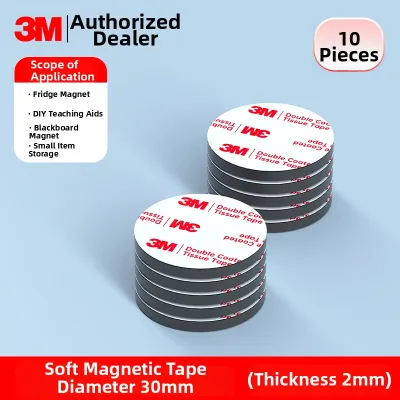
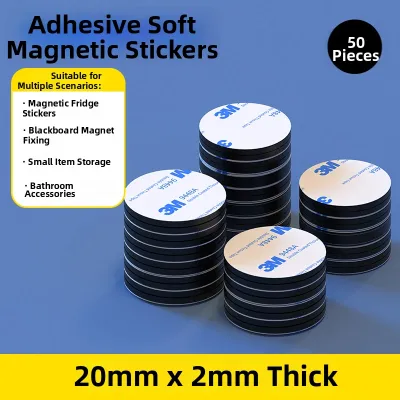
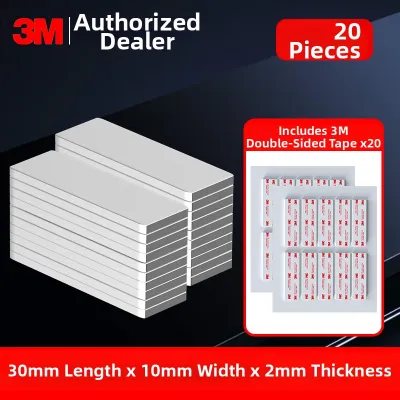
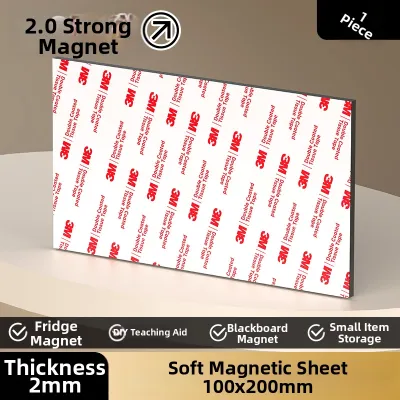
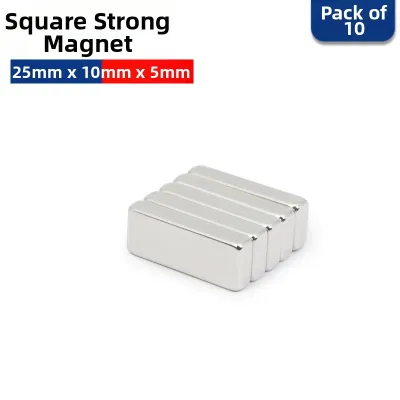
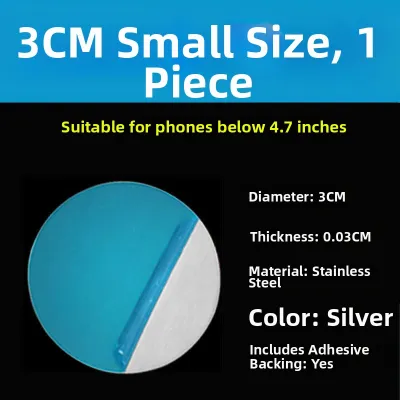
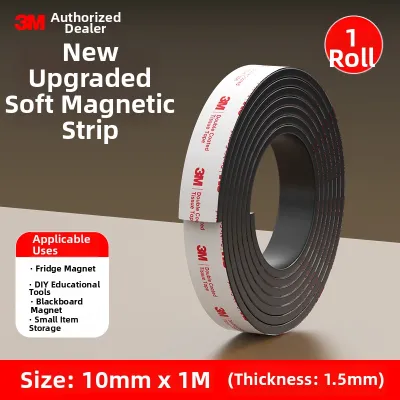
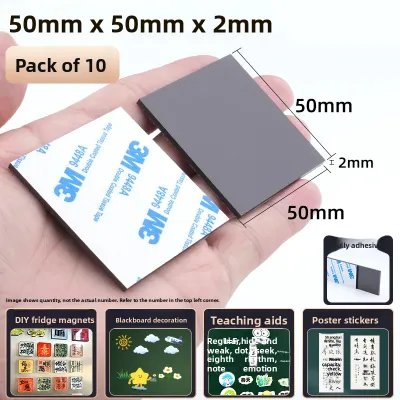
Prices are valid at publication and may change. Please refer to the product page for the latest price.
Magnet Material and Grade (Neodymium vs. Ferrite)
Sintered Neodymium-Iron-Boron (NdFeB) magnets, commonly referred to as neodymium or rare-earth magnets, represent the pinnacle of commercially available magnetic strength. These magnets possess an exceptionally high magnetic flux density, which allows them to generate immense pull force even in incredibly thin profiles. In an office setting, a small neodymium strip can easily hold up thick stacks of 80gsm A4 paper, heavy metal scissors, staplers, or reference manuals without budging.
In contrast, Ferrite or ceramic magnets are composed of iron oxide mixed with strontium or barium carbonate. While ferrite magnetic strips are highly economical and widely available in local stationery shops, they are significantly weaker per square centimeter. A ferrite strip is typically thick, dark grey, and flexible, but its magnetic reach is limited. These are best reserved for holding single sheets of paper, lightweight notices, or plastic whiteboard markers, as they quickly slide downward when subjected to moderate loads.
To identify high-strength options, look closely at the product specifications for N-grade ratings, which denote the maximum energy product of the neodymium material. These ratings typically range from N35 to N52. A higher number indicates a stronger magnetic field and greater pull force. For demanding office applications, sourcing strips rated at N42 or N52 ensures maximum magnetic performance, allowing you to use smaller, less conspicuous strips while maintaining a secure hold on heavy office tools.
Dimensions and Contact Surface Area
The physical dimensions of a magnetic strip—specifically its thickness, width, and length—directly influence its real-world holding capacity. Magnet thickness is a critical factor in determining the magnetic reach, or the distance the magnetic field extends from the surface of the magnet. Thicker magnetic strips project a stronger magnetic field over a greater distance, which is essential when trying to hold items through non-magnetic barriers, such as thick cardstock, laminated sheets, or the glass layer of magnetic glass whiteboards.
Width and length determine the total contact surface area of the magnet against the steel surface. When a magnetic strip is applied to a vertical steel wall, the downward pull of gravity creates shear force. Increasing the contact surface area distributes the weight of the attached item over a larger zone, which increases the friction between the magnet and the steel. This added friction is what prevents the magnet from sliding downward under load.
Before purchasing magnetic strips, match the dimensions of the strip to the weight and profile of the items you intend to organize. A long, wide, thin magnetic tape might have sufficient surface area for flexible plastic rulers, but a thicker, concentrated neodymium block or strip is required to support a heavy metal utility tray or a multi-page clipboard assembly.
Adhesive vs. Bare Strips: Preventing Real-World Failures
A common point of failure in office organization is not the magnetic attraction itself, but the failure of the mounting system. When a magnetic strip falls off a cabinet, it is frequently because the adhesive backing has separated from the magnet or the mounting surface, leaving the magnet stuck to the steel wall while the organized item crashes to the floor.

Evaluating Adhesive Backing for Vertical Loads
Pre-applied adhesive backings on magnetic strips are highly convenient, but they vary dramatically in quality and load capacity. Standard magnetic tapes often utilize basic rubber-based adhesives. While these perform adequately on flat, horizontal surfaces under light loads, they frequently fail under continuous vertical shear stress. Over time, the weight of the organized item causes the rubber adhesive to stretch, degrade, and eventually peel away.
For reliable vertical organization, verify that the magnetic strips utilize industrial-grade acrylic foam adhesives, such as 3M VHB (Very High Bond) or equivalent high-shear acrylic tapes. Acrylic adhesives form a viscoelastic bond that flows into the microscopic imperfections of the surface, creating a permanent, highly secure connection that resists vertical sliding. Furthermore, acrylic adhesives are highly resistant to temperature fluctuations and the high relative humidity typical in Singapore, preventing the adhesive from turning gooey or dry over years of service.
To achieve the rated strength of any adhesive-backed magnetic strip, proper surface preparation is mandatory. Begin by cleaning the mounting surface thoroughly with a 50:50 mixture of isopropyl alcohol and water to remove any grease, dust, or fingerprints. Allow the surface to dry completely. Apply the magnetic strip firmly, pressing along its entire length to ensure complete contact. For the strongest bond, allow the adhesive to cure undisturbed for at least 24 hours (preferably 72 hours for maximum strength) before hanging any heavy office items.
Using Mechanical Fasteners for Heavy-Duty Hold
When organizing heavy tools, thick binders, or bulky office supplies, adhesive backing may not provide the absolute reliability required. In these high-load scenarios, bare magnetic strips designed for mechanical fastening offer a fail-proof alternative. These specialized strips feature pre-drilled, countersunk holes that allow them to be secured directly to walls, wooden panels, or metal structures using screws, bolts, or rivets.
By utilizing mechanical fasteners, you completely eliminate the risk of adhesive failure. This allows you to utilize the full, raw pull force of high-grade neodymium magnets to hold heavy objects, such as steel shelf brackets, heavy-duty tape dispensers, or metal storage bins. The countersunk holes ensure that the screw heads sit flush with or below the surface of the magnet, preserving a flat contact area for maximum magnetic grip.
However, this mounting method comes with a distinct trade-off. Installing mechanical fasteners requires drilling holes into the mounting surface, which causes permanent structural modification. This may not be permitted in rented commercial offices, co-working spaces, or on leased office furniture in Singapore. Always verify your tenancy agreement or office guidelines before drilling into walls or metal filing systems.
Practical Testing Methods for Office Environments
Before deploying magnetic strips across an entire office, conducting simple, low-risk testing helps verify that the chosen product can handle your specific organizational needs. This prevents accidental damage to expensive office equipment and ensures a safe working environment.
To test effectively, it is vital to understand the difference between pull force and shear force. Pull force is the amount of tension required to pull the magnet straight away from a steel plate, perpendicular to the surface. Shear force is the force required to slide the magnet parallel to the surface. In vertical office organization, shear force is the critical metric, and it is typically only 15% to 20% of the magnet’s rated perpendicular pull force due to the low friction of smooth, painted steel surfaces.
To conduct a safe, manual shear test in your office, follow these steps:
- Select a clean, vertical steel surface, such as the side of a standard metal filing cabinet.
- Attach the magnetic strip to the surface, ensuring flat, flush contact.
- Suspend a known weight from the magnetic strip. A standard, unopened ream of 80gsm A4 copy paper is an excellent test weight, as it weighs approximately 2.5 kilograms.
- Observe the magnetic strip over a 24-hour period. Note any downward sliding, tilting, or peeling of the adhesive backing.
If the strip holds the test weight without sliding, it is suitable for your office organization tasks. When handling strong neodymium magnets during testing, prioritize physical safety. Neodymium magnets attract each other and steel surfaces with extreme speed and force. Keep your fingers clear of the contact surfaces to prevent painful pinching injuries, and handle the magnets gently to avoid chipping or cracking their brittle metallic coating.
Sourcing and Verifying High-Strength Strips in Singapore
Finding high-specification magnetic strips in Singapore requires looking beyond standard retail stationery shops. Neighborhood bookshops and general office supply stores typically stock low-strength ferrite magnetic tapes designed for light crafts or school projects. To source industrial-grade neodymium strips, you must target specialized suppliers.
Look for specialized industrial hardware suppliers, dedicated local magnet distributors, or reputable online marketplaces that cater to engineering and industrial needs. Many of these suppliers are located in industrial estates across Singapore, such as those in Ubi, Kallang, Jurong, or Toh Guan. These distributors carry high-grade sintered neodymium strips, channel magnets, and heavy-duty magnetic tapes with verified N-ratings and industrial adhesive backings.
When browsing product listings or consulting with suppliers, scrutinize the technical descriptions. Avoid products that rely on vague marketing terms like “super strong” or “ultra-powerful” without providing supporting data. Instead, look for explicit material classifications such as “NdFeB” or “Rare Earth,” specific magnetic grades like “N35” or “N52,” and identified adhesive backings like “3M VHB.”
If you are planning a large-scale office organization project, avoid ordering in bulk immediately. Purchase a single sample strip from the supplier first. Run the manual shear test in your specific office environment, on your actual filing cabinets or whiteboards, to verify that the magnetic strength and adhesive hold meet your expectations before committing to a larger investment.
Frequently Asked Questions (FAQ)
Will strong neodymium magnetic strips damage office electronics?
Modern solid-state drives (SSDs) used in standard office laptops, smartphones, and tablet computers are highly resistant to static magnetic fields because they do not rely on magnetic storage technology. However, strong neodymium magnets can still cause immediate damage or data loss to traditional hard disk drives (HDDs), magnetic stripe access cards (such as building entry passes), and magnetic credit cards. To prevent accidental disruption, maintain a safe clearance distance of at least 15 centimeters between high-strength magnetic strips and any sensitive magnetic media or legacy storage devices.
How can I remove a high-strength adhesive magnetic strip without damaging the cabinet?
To remove a heavy-duty adhesive magnetic strip without scratching or denting your metal office furniture, avoid using metal screwdrivers or pry bars. Instead, use a plastic scraper, a sturdy plastic putty knife, or a length of dental floss or fishing line. Gently slide the floss or plastic edge behind the magnet, using a sawing motion to slice through the foam adhesive layer. Once the magnet is removed, clean up any remaining adhesive residue or foam tape using a mild adhesive remover or isopropyl alcohol, testing a small, inconspicuous area of the cabinet first to ensure the solvent does not dull the paint finish.
Community discussion
Share your experience or ask a question. Comments are reviewed before publication.