
Finding the right resin mold in Singapore requires balancing your project goals, budget, and the physical characteristics of the silicone. While online marketplaces are flooded with inexpensive options, professional crafters often source premium molds from specialized local art supply shops to ensure dimensional accuracy and longevity. The ideal choice is not about finding a single universally superior brand, but rather matching the mold’s material grade to your specific resin type and production volume. By evaluating key physical attributes like silicone thickness, surface finish, and heat resistance, you can make an informed decision that maximizes your cost-per-use.
Key Factors for Evaluating Resin Mold Quality
Heavy resin pours exert significant outward pressure on the walls of a mold. Thin-walled molds often bow or warp under this weight, resulting in distorted casts that do not sit flat. Look for molds with thick, self-supporting walls that resist deformation when gently squeezed, yet remain flexible enough to allow for easy demolding without tearing.
The interior surface of the mold directly dictates the finish of your cured resin. A high-gloss interior yields a crystal-clear, shiny cast that requires no post-pour polishing, whereas a matte interior produces a satin or frosted finish. Inspect the mold under direct light to check for microscopic scratches, dust particles, or manufacturing ripples, as these imperfections will transfer directly onto your finished piece.
Products mentioned in this guide
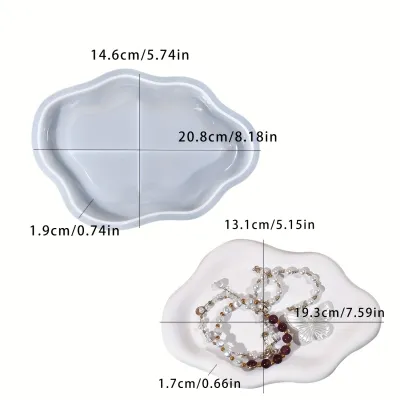
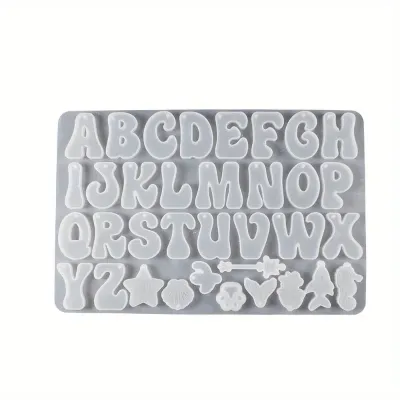
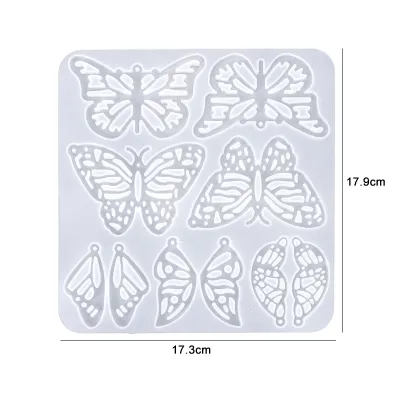
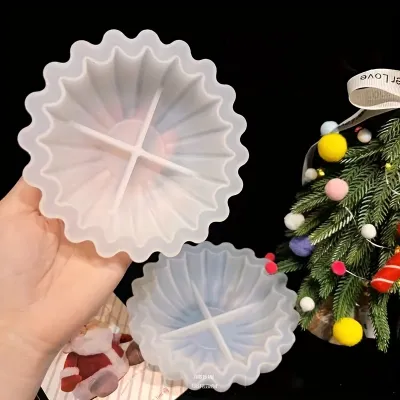


Prices are valid at publication and may change. Please refer to the product page for the latest price.
Resin curing is an exothermic reaction that generates substantial heat, especially in deep-pour projects. Check the manufacturer’s packaging or product specifications for maximum temperature limits. Molds made from low-grade silicone can degrade, fuse to the resin, or release unpleasant fumes when subjected to high exothermic temperatures.
High-quality molds feature clean, precise edges with minimal flashing, which is the excess silicone left over from the manufacturing process. Examine the parting lines on multi-part molds carefully. Prominent seams require extensive post-processing, sanding, and polishing of the cured resin, which increases your labor time and tool wear.
Matching Mold Categories to Your Craft Projects
Crafting delicate items like earrings, pendants, or miniature figurines requires molds with high-detail precision and excellent tear resistance. Because these designs often feature intricate crevices and thin projections, the silicone must be highly elastic to stretch during demolding without snapping the delicate resin parts. If you are using UV resin for these small projects, ensure the mold is transparent or highly translucent so the ultraviolet light can penetrate and fully cure the material.

Large-scale projects, such as coasters, serving trays, or bookends, hold a substantial volume of heavy epoxy resin. These molds require robust structural support, often utilizing external plastic or wooden support frames to prevent the sides from sagging. Without these rigid backings, the weight of the liquid resin will cause the center of the mold to bow outward, ruining the flat edges of your piece.
Sharp angles, spheres, and complex three-dimensional shapes present unique demolding challenges. Molds with deep undercuts require strategic split lines or highly flexible silicone to release the cured piece without tearing. For these complex geometries, verifying the mold’s compatibility with mold release agents is essential to prevent tearing during the extraction process.
Assessing Value: Balancing Price and Durability
When comparing a budget mold costing S$3 to a premium mold costing S$25, consider how many successful casts each can produce. A cheap mold that tears or loses its glossy finish after three uses costs more per cast than a durable, premium-grade mold that delivers fifty flawless releases. Calculating this cost-per-use helps you justify the higher upfront investment for recurring projects.
Economical molds are typically made from condensation-cure (tin-cure) silicone, which degrades faster over time. These molds are prone to rapid tearing, loss of interior gloss, and gradual warping after exposure to repeated exothermic heat cycles. They are highly suitable for prototyping or hobbyist experimentation but fall short for production-scale crafting.
You can significantly extend the lifespan of any mold, regardless of its price tier, through proper care and maintenance. Wash molds with mild soap and warm water, avoid using sharp tools or abrasive scrubs, and store them flat in a cool, dust-free environment. Singapore’s high humidity can cause silicone to attract dust and moisture, so storing your molds in airtight plastic containers is highly recommended to preserve their surface quality.
Purchasing Channels and Pre-Purchase Verification
Sourcing molds locally in Singapore, such as at specialty art stores in Bras Basah or retail craft outlets, allows you to physically inspect the silicone’s thickness, flexibility, and surface finish before buying. Conversely, online marketplaces offer an unparalleled variety of shapes and lower entry prices, though you must rely entirely on product descriptions and user feedback.
Before purchasing, carefully read the product specifications on the packaging or listing. Verify the exact internal dimensions, volume capacity, and material composition, such as platinum-cure versus tin-cure silicone. Be cautious of listings that omit these details or bundle molds with low-quality accessories that inflate the price without adding real value.
When shopping online, look past superficial five-star ratings that only praise fast shipping or neat packaging. Focus on detailed reviews from experienced crafters who comment on the mold’s durability, ease of demolding, heat resistance, and how many casts they completed before the silicone began to degrade.
Decision Framework: Choosing the Right Brand Tier
To help you navigate the options available in the Singapore market, use this decision framework to match your experience level and project goals to the appropriate mold tier.
| Mold Tier | Observable Traits | Expected Lifespan | Ideal Use Cases |
|---|---|---|---|
| Premium Tier | Thick, platinum-cure silicone; flawless high-gloss interior; rigid self-supporting walls. | 30 to 50+ casts | Commercial production, high-detail jewelry, deep-pour home decor. |
| Mid-Tier | Moderate thickness; reliable matte or semi-gloss finish; good flexibility. | 15 to 30 casts | Regular hobbyists, functional home crafts, gifts for friends. |
| Budget Tier | Thin walls; prone to warping; inconsistent surface finish; tin-cure silicone. | 3 to 10 casts | Beginners, one-off experimental shapes, prototyping designs. |
Choose premium tier if you are producing resin items for commercial sale, require a flawless high-gloss finish directly out of the mold, or are working with deep-pour resins that generate high exothermic heat. The higher initial investment of S$20 to S$40 per mold is offset by the consistent quality and long-term durability.
Choose budget tier if you are a beginner experimenting with resin crafting for the first time, or you need a highly specific shape for a single-use personal project. Budget molds, typically priced under S$8, allow you to practice pouring, mixing, and demolding techniques without a significant financial commitment.
Verify first if the mold features complex undercuts, unusually thin walls, or lacks clear manufacturer specifications regarding material grade. In these cases, perform a manual flexibility check or test a small, shallow pour before committing to a full-scale project.
Frequently Asked Questions (FAQ)
How do I know if a silicone mold is safe for food-grade resin projects?
Standard craft-grade silicone molds are not safe for food contact, as they may contain fillers or chemical additives that can leach into food. To create food-safe resin items like trays or coasters that will directly touch food, you must verify that the mold packaging explicitly states it is made from FDA-compliant, food-grade silicone. Never reuse a mold for food preparation once it has been filled with industrial craft resin.
Why did my resin stick to a brand-new mold?
Resin sticking to a new mold is rarely a manufacturing defect; it is usually caused by improper curing conditions. Common culprits include using an incorrect resin-to-hardener mixing ratio, demolding before the resin has fully cured, or using a torch too close to the mold, which melts the silicone and fuses it to the resin. Additionally, pouring deep layers of fast-curing resin can generate excessive exothermic heat that degrades the silicone surface instantly.
Can I repair a torn silicone resin mold?
While minor surface scratches can sometimes be ignored or polished out of the finished resin cast, structural tears in a silicone mold cannot be reliably repaired. Attempting to glue a tear with silicone adhesive creates an uneven seam that will transfer onto your casts and compromise the mold’s dimensional accuracy. For safety and quality assurance, a torn mold should be replaced.
Community discussion
Share your experience or ask a question. Comments are reviewed before publication.