
Selecting the right receipt book for daily business operations in Singapore requires looking beyond brand names to evaluate the physical properties of the paper itself. Because different businesses rely on different writing instruments—ranging from standard ballpoint pens to high-flow gel pens—the ideal paper quality depends entirely on your specific operational workflow. To ensure your financial records remain legible, durable, and free from ink smudging or tearing, you must assess key material factors such as paper weight, surface texture, and carbonless copy sensitivity. Rather than searching for a single universal brand, the most reliable approach is to match the paper specifications and binding construction of available receipt books to your daily writing habits and storage requirements.
Key Factors That Define Receipt Book Paper Quality
Paper weight, measured in grams per square meter (GSM), is one of the most critical specifications to check when comparing receipt books. Standard receipt books typically feature paper weights ranging from 50 GSM to 80 GSM. Thinner paper, often found in the duplicate and triplicate layers of multi-ply books, is designed to allow the physical pressure of your pen to transfer clearly to the sheets below. However, this thinness makes the paper highly susceptible to ink show-through and bleed-through if you write with liquid-ink pens. If your business operations rely on single-ply receipts, opting for a heavier paper weight of 70 GSM or 80 GSM provides a sturdier feel and prevents ink from seeping through to the next blank receipt.
The surface texture and coating of the paper directly influence how quickly ink dries and how smoothly your pen glides across the page. Uncoated, highly porous paper absorbs ink rapidly, which helps prevent smudging but can cause feathering, where the ink spreads along the paper fibers and blurs your handwriting. On the other hand, heavily calendered or coated papers offer an exceptionally smooth writing experience but restrict ink absorption. This lack of absorption can lead to prolonged drying times, increasing the risk of smearing when you tear out the receipt or close the book. For daily business use, look for paper that strikes a balance, offering a clean, matte finish that accepts ink quickly without spreading.
Products mentioned in this guide
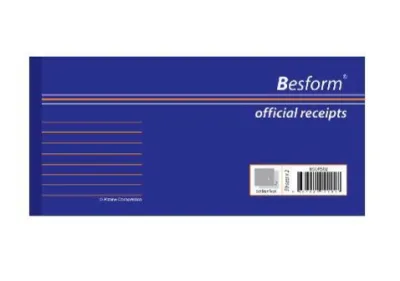
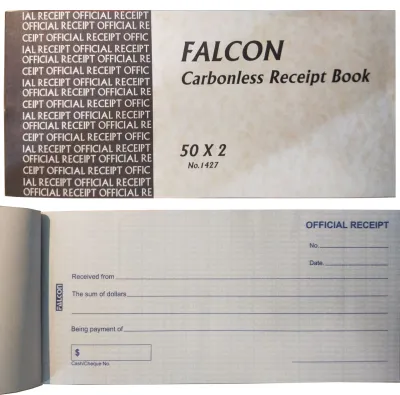
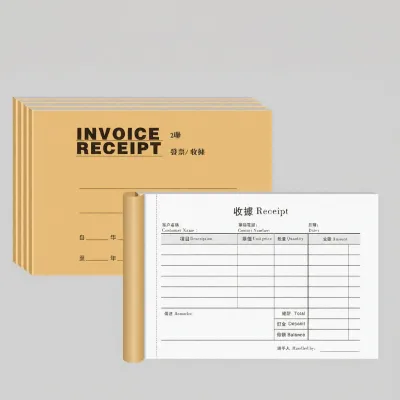
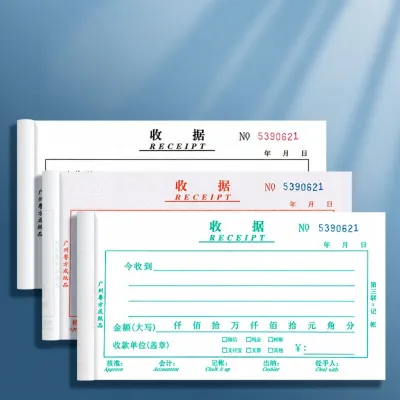
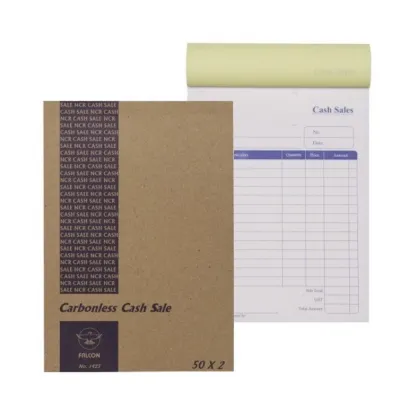
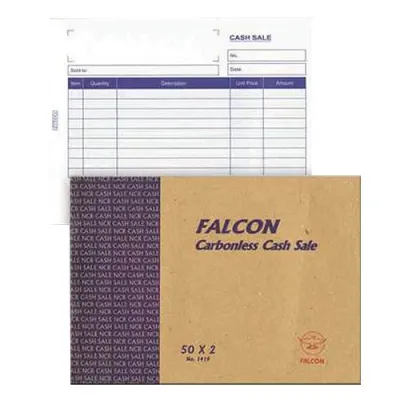
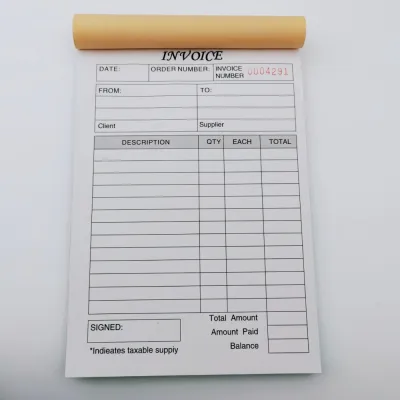
Prices are valid at publication and may change. Please refer to the product page for the latest price.
For businesses that require instant duplicates, the sensitivity of the carbonless copy paper (often referred to as NCR, or No Carbon Required) is paramount. Carbonless paper relies on a chemical reaction between a micro-encapsulated dye coating on the back of the top sheet and a reactive clay coating on the front of the receiving sheet. High-quality carbonless books use sensitive, evenly distributed chemical coatings that require only normal writing pressure to produce sharp, highly legible duplicate lines. Lower-grade alternatives often suffer from uneven chemical distribution, resulting in faint, broken, or patchy copies that are difficult to read and may fade rapidly when exposed to light or heat.
Evaluating Receipt Book Formats and Binding Durability
Choosing between single-ply and multi-ply formats depends on your internal record-keeping workflow and whether you need to provide immediate physical copies to customers. Single-ply books are highly straightforward and cost-effective, but they require you to manually scan each receipt or use separate carbon sheets if you need to retain a physical copy. Multi-ply formats, available in 2-ply (duplicate) or 3-ply (triplicate) options, automate this process using carbonless technology. Keep in mind that as you add more plies, the overall thickness of the writing set increases, requiring a firmer hand and a harder pen tip, such as a medium ballpoint, to ensure the final copy is fully legible.

Perforation quality is another essential factor that affects both the presentation of your receipts and the structural integrity of the book. If the perforations are poorly executed, tearing out a receipt can easily result in jagged, unsightly edges or, worse, accidental tears that ruin the written record. High-quality receipt books feature micro-perforations, which consist of tiny, closely spaced punctures that allow the paper to shear cleanly and effortlessly. This ensures that the customer receives a neat, professional-looking slip while the master copy remains securely bound inside the book without loose threads or frayed edges.
The binding style of the receipt book dictates how well it survives the physical demands of daily handling. Top-bound books are highly popular for desk-based operations because the cover flips upward and out of the way, allowing both left-handed and right-handed users to write comfortably. Side-bound books open like a standard notebook, providing a more familiar layout that can offer better structural support if your staff needs to write while standing or holding the book on a clipboard. Regardless of the orientation, ensure the binding is reinforced with heavy-duty staples, strong adhesive, or durable spine tape to prevent pages from falling out prematurely during busy shifts.
How to Verify Paper Performance Before Purchasing
Because paper performance depends heavily on the specific combination of paper fibers, coatings, and the ink you use, conducting a localized writing test is the most reliable way to verify quality before buying in bulk. Obtain a single sample of the receipt book brand you are considering and test it using the exact pens routinely used by your staff, whether they are gel pens, ballpoints, or rollerballs. Write a few sample transactions with your normal writing speed and pressure. Turn the page to inspect the reverse side for any signs of ink bleeding through the paper or feathering along the edges of the letters. If you use gel or liquid ink, time how long it takes for the ink to dry completely to ensure it will not smudge during fast-paced customer handovers.
Next, perform a physical tear test on the perforated edges of the sample book. Attempt to tear out several sheets from different parts of the book, including the very front, the middle, and the back near the binding. A high-quality perforation should allow you to separate the sheet smoothly with a single, continuous motion without needing to fold or crease the paper beforehand. If the paper resists tearing, snags, or begins to rip into the written receipt area, the perforation is of lower quality and may cause frustration for your staff and customers alike.
Finally, cross-reference the physical properties of the sample against the manufacturer’s stated specifications on the product label or packaging. Check the listed paper weight, dimensions (such as standard A5, A6, or DL sizes), and ply count to ensure they align with your observations. If a brand advertises premium, high-density paper but the sheets feel unusually flimsy or fail your ink tests, the product may not meet the standards required for your daily business operations. Verifying these details firsthand prevents the inconvenience of purchasing bulk stationery that fails under real-world conditions.
Decision Framework: Matching Receipt Books to Your Business Needs
To finalize your choice, use a conditional decision framework that matches the physical characteristics of the receipt book to your specific business environment and writing habits. If your staff primarily writes with high-ink-flow instruments like gel pens, rollerballs, or fine-tip markers, prioritize receipt books that feature heavier, matte-coated paper with a minimum weight of 70 GSM. This prevents the liquid ink from soaking through the page and ruining the blank sheets underneath, while also ensuring a faster drying time to minimize smudging.
If your business operations require you to generate instant physical copies for customers while retaining a durable, unalterable master copy for your accounts, select a standard multi-ply carbonless (NCR) book. When using multi-ply books, always ensure the product includes a thick, fold-out cardboard divider flap. Placing this flap directly beneath the current set of copies is essential; it absorbs the writing pressure and prevents your pen strokes from transferring onto the blank duplicate sheets further down in the book.
For mobile, field-based, or outdoor operations—such as delivery services, pop-up markets, or on-site repairs around Singapore—choose receipt books equipped with flexible, water-resistant plastic covers or heavily varnished cardstock. These materials protect the inner pages from humidity, light rain, and physical wear when the book is carried in a bag or used without a flat desk surface. Additionally, opt for books with micro-perforations and reinforced spiral or stapled bindings to ensure the book remains intact despite frequent movement and rough handling.
If long-term physical storage and compliance are strict requirements for your business, verify with the manufacturer that the paper used in the receipt books is acid-free and archival-grade. Standard thermal papers and low-grade carbonless sheets are highly sensitive to environmental factors and can fade to illegibility within a few years. Choosing high-quality, acid-free carbonless paper ensures that your written records remain sharp, clear, and legally compliant for the duration of your required retention period.
Frequently Asked Questions (FAQ)
How can I prevent ink from smudging on receipt book copies?
Smudging on carbonless (NCR) copies is typically caused by using slow-drying gel or rollerball pens on the chemically treated coatings of the duplicate sheets. To eliminate this issue, switch to standard ballpoint pens with oil-based ink, which dry almost instantly upon contact with the paper surface. Additionally, train your staff to allow a brief moment for the ink to set before closing the receipt book or stacking multiple torn-out copies on top of one another, preventing wet ink transfer.
What is the best way to archive physical receipt books for long-term record-keeping?
To preserve the legibility of your physical receipt books over several years, store the completed books in a cool, dry, and dark environment. Avoid areas exposed to high humidity, direct sunlight, or fluctuating temperatures, as these conditions accelerate the yellowing of paper and the fading of carbonless copy dyes. Placing the books flat inside sealed plastic archival boxes equipped with silica gel packets is highly effective for protecting your records from Singapore’s humid climate.

Community discussion
Share your experience or ask a question. Comments are reviewed before publication.