
Quick Answer: Which Quilting Ruler Brand Should You Choose?
When looking for a reliable sewing ruler specifically designed for quilting, there is no single brand that fits every crafter’s needs. Instead, the right investment depends on your frequency of use, your budget, and the complexity of your quilting projects. For daily quilters working on intricate piecing, premium specialty brands are highly recommended due to their superior grip and non-glare grids. For hobbyists seeking versatile, everyday tools, mainstream craft brands offer excellent reliability and value. Budget or generic options should generally be restricted to rough tasks like cutting batting or tracing templates.
Ultimately, true cutting accuracy is determined by the physical build quality, acrylic thickness, and grid printing precision of the sewing ruler rather than the logo on the plastic. Investing in a high-quality ruler ensures that your rotary cutter stays on track, your measurements remain consistent across years of use, and your fabric pieces align perfectly during assembly.
Core Dimensions for Evaluating a Sewing Ruler
To make an informed purchase, you must understand the physical and functional attributes that separate a high-quality sewing ruler from a frustrating or potentially dangerous imitation. Evaluating these dimensions allows you to determine whether a ruler will maintain its accuracy and safety over hundreds of fabric cuts.
Products mentioned in this guide
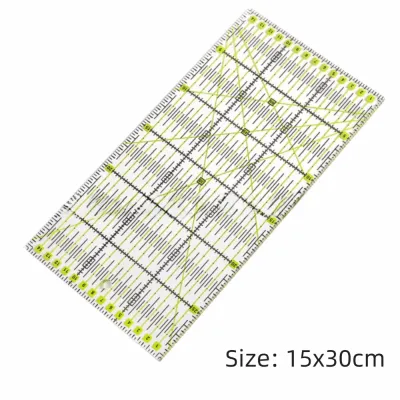
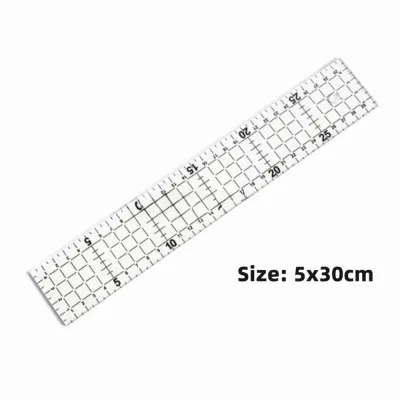
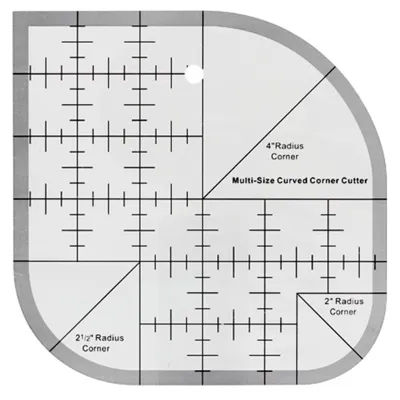
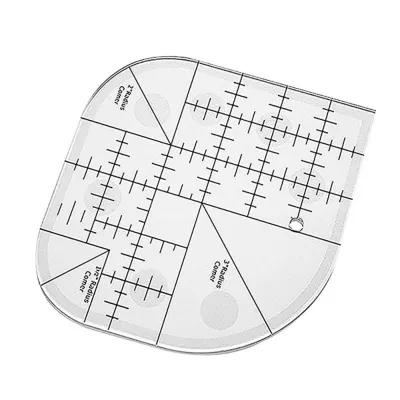
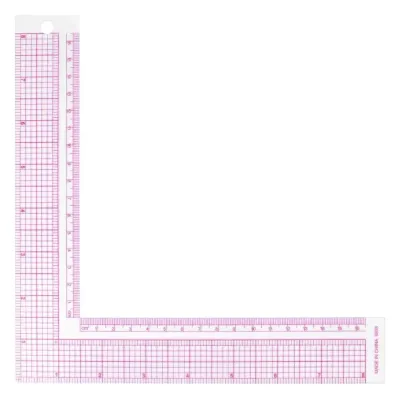
Prices are valid at publication and may change. Please refer to the product page for the latest price.

Grid Clarity and Contrast
Grid lines are the most critical element of any quilting ruler. High-quality rulers feature ultra-fine, crisp lines that allow for precise alignment along the fabric grain or seam lines. If the printed lines are too thick, they can obscure the edge of your fabric, leading to cumulative errors where each cut is off by a fraction of a millimeter. Over a multi-block quilt, these tiny discrepancies add up, resulting in mismatched corners and warped borders.
Color contrast is equally vital. The best rulers utilize dual-color printing systems—typically combining black with bright yellow, neon green, or frosted white. This design ensures that the grid remains highly visible whether you are cutting dark navy solids, busy multi-colored batiks, or pale cream fabrics. Furthermore, premium rulers often feature a matte or glare-reducing finish on the acrylic surface. This finish prevents bright overhead sewing lights from reflecting into your eyes, reducing eye strain during long cutting sessions.
Acrylic Thickness and Edge Finishing
Safety and precision in quilting rely heavily on the physical edge of the ruler. A standard quilting sewing ruler is made of heavy-duty acrylic, precisely 1/8 inch (approximately 3mm) thick. This thickness is not arbitrary; it matches the guide flange of standard rotary cutters. The thick edge acts as a physical barrier, preventing the sharp rotary blade from jumping over the ruler and cutting your fingers.
Cheap, generic rulers are often made of thinner plastic (around 1.5mm to 2mm). These thin edges are highly dangerous for rotary cutting, as the blade can easily ride up and slip onto your hand. Additionally, premium rulers feature laser-cut edges that are perfectly square and smooth. Lower-grade rulers may use injection-molded plastic, which can leave tiny ridges, rough spots, or curved edges that cause the rotary cutter to veer off course.
Non-Slip Technologies
Fabric shifting during cutting is a primary cause of ruined fabric and inaccurate blocks. To combat this, manufacturers employ various non-slip technologies on the underside of their rulers. Some premium brands integrate a frosted, textured backing directly into the acrylic sheet during manufacturing. This texture provides continuous, subtle friction across the entire fabric surface without obscuring your view of the print underneath.
Other brands use applied grip dots, silicone rings, or adhesive non-slip strips. While these aftermarket or applied solutions offer excellent resistance to slipping, they can sometimes lift the ruler slightly off the fabric. This minor elevation can cause the ruler to flex when you apply downward hand pressure, potentially distorting your measurements. Understanding how these different non-slip methods interact with your cutting style is essential for achieving flat, stable cuts.
How to Inspect a Ruler in Person
When visiting local craft stores in Singapore or evaluating a new purchase, you can perform a few quick physical checks to verify a ruler’s quality:
- The Slide Test: Place the ruler on a scrap piece of cotton fabric on a cutting mat. Apply moderate downward pressure with one hand and try to slide the ruler. A high-quality non-slip ruler should resist movement entirely under normal cutting pressure.
- The Edge Run: Carefully run your fingernail along the cutting edge. It should feel perfectly smooth and straight, without any micro-nicks, burrs, or molding seams.
- The Glare Check: Hold the ruler under direct overhead lighting at a 45-degree angle. Verify if the grid lines remain readable or if they disappear in a wash of reflected light.
- The Alignment Match: Place the ruler over a high-quality self-healing cutting mat. Align the ruler's grid lines with the mat's grid lines. While cutting mats can stretch over time, a major discrepancy right out of the box indicates a printing error on either the mat or the ruler.
Comparing Quilting Ruler Brand Categories
The quilting market features distinct tiers of tools designed for different user needs. Understanding what each tier offers helps you align your purchase with your actual precision requirements and sewing habits, ensuring you do not overpay for specialized features or underinvest in safety.
Premium and Specialty Quilting Brands
Premium brands are engineered specifically for dedicated quilters who require absolute precision and durability. These brands often originate from specialized quilting manufacturers who understand the daily frustrations of fabric piecing. Rulers in this category are constructed from virgin-grade acrylic, which offers exceptional optical clarity that will not yellow or cloud over time.
These rulers typically feature patented, built-in non-slip textures. Instead of relying on raised rubber dots, the entire underside or strategic sections of the ruler are treated with a microscopic texture that grips the fabric fibers directly. This keeps the ruler completely flat against the cutting mat. Additionally, premium specialty rulers include highly detailed angle markings (such as 30, 45, and 60-degree lines) and specialized sub-grids for cutting complex shapes like half-square triangles, flying geese, or hexagon blocks. While they command a higher price in Singapore dollars, their durability, safety, and ease of use make them a lifetime investment for active quilters.
Mainstream Craft and Sewing Brands
Mainstream craft brands dominate the sewing aisles of major retail stores and local haberdasheries. These brands offer a well-balanced combination of reliability, widespread availability, and moderate pricing. They are designed to cater to general sewing enthusiasts, crafters, and hobbyist quilters alike.
Typically, these rulers feature clean, single-color or basic dual-color printed grids on polished, clear acrylic. They are sturdy, standard-thickness (3mm) tools that provide excellent edge safety for rotary cutters. However, they often lack advanced, built-in non-slip coatings. To prevent slipping, users frequently need to purchase separate aftermarket accessories, such as adhesive silicone rings or spray-on friction coatings. For standard square cuts, borders, and basic block piecing, mainstream brands offer highly dependable performance without the premium price tag.
Budget and Generic Alternatives
Budget and generic rulers are widely available on online marketplaces and discount platforms. These products are highly appealing due to their low prices, but they present significant trade-offs in terms of accuracy, durability, and personal safety.
Many budget rulers are manufactured using thinner acrylic or cheaper polystyrene plastics that are prone to warping, cracking, or chipping along the edges. The grid lines are often screen-printed with low-grade inks that can scratch off easily when rubbed by a rotary cutter blade or cleaned with standard household soaps. Most importantly, these rulers rarely feature any non-slip properties, leaving them highly prone to sliding mid-cut. While they are unsuitable for precision quilting blocks, they can be kept in the sewing room for rough tasks, such as cutting batting, measuring backing fabrics, or marking non-critical seam lines where a millimeter of error will not ruin the final project.
Decision Framework: Matching the Ruler to Your Quilting Style
To choose the right sewing ruler for your sewing room, evaluate your typical project types, physical comfort, and purchasing habits. Use the following structured guidelines to identify your ideal category.
Choose Premium Specialty Brands if:
- You quilt frequently or work on complex patterns: Intricate geometric designs, miniature quilts, and foundation paper piecing require absolute accuracy. A premium ruler minimizes cumulative cutting errors.
- You struggle with hand fatigue or joint pain: If you find it difficult to apply heavy downward pressure to keep a ruler from sliding, the advanced, built-in non-slip textures of premium rulers will do the work for you, requiring far less physical effort to hold in place.
- You experience eye strain: Rulers with high-contrast, dual-color lines and glare-reducing finishes are much easier to read under standard sewing room lights, making your cutting sessions more comfortable.
Choose Mainstream Craft Brands if:
- You are a hobbyist or beginner: If you are starting your quilting journey or quilt occasionally, a standard mainstream ruler provides all the accuracy and safety you need for basic blocks without a major upfront investment.
- You prefer local availability and easy replacement: Mainstream brands are widely stocked across Singapore's craft shops, making it simple to walk into a store and replace a damaged tool immediately.
- You are comfortable using aftermarket grips: If you do not mind applying your own silicone dots or non-slip adhesive rings to the back of the ruler, you can achieve excellent stability at a lower price point.
Avoid Budget Rulers for Precision if:
- You are cutting small, intricate pieces: A single slip on a 1.5-inch square can ruin your fabric and throw off your entire seam allowance.
- You value rotary cutter safety: Never use a ruler thinner than 3mm (1/8 inch) with a rotary cutter. The risk of the blade jumping the edge and causing injury is simply too high.
- You want a long-term investment: Cheap printed lines that scratch off over time will quickly render the ruler useless, forcing you to purchase a replacement anyway.
Verify First if Buying Online:
When browsing online marketplaces, descriptions can sometimes be misleading. Always take the following steps to verify the product’s specifications before purchasing:
- Confirm the exact thickness: Look specifically for "3mm" or "1/8 inch" in the product specifications. If the thickness is not listed, contact the seller or choose a different listing.
- Read user reviews for performance complaints: Search the reviews for terms like "slipping," "scratched lines," or "blurry grid." If multiple buyers report that the lines wear off quickly or that the ruler is highly slippery, avoid the product.
- Check the measurement system: Ensure you are purchasing the correct system for your patterns. Many quilting patterns are written in inches, so buying a metric-only (centimeter) ruler by mistake can make following instructions highly confusing.
Maintaining Ruler Accuracy and Edge Durability
Once you have invested in a high-quality sewing ruler, proper maintenance is essential to preserve its accuracy, optical clarity, and edge safety. Acrylic is a durable material, but it is highly sensitive to chemical cleaners, heat, and physical impact.
Safe Cleaning Methods
Over time, your quilting ruler will accumulate lint from fabric, oil from your hands, and adhesive residue from non-slip tape or grip dots. To clean your ruler safely without damaging the printed grid lines, follow these steps:
- Use mild soap and water: Mix a few drops of mild dishwashing liquid in lukewarm water. Avoid hot water, as sudden temperature changes can stress the acrylic.
- Wipe gently: Dampen a clean, soft microfiber cloth with the soapy water and gently wipe the surface of the ruler. Never use abrasive sponges, scouring pads, or stiff brushes, which will scratch the acrylic and wear away the printed grid lines.
- Rinse and dry: Wipe away any soap residue with a cloth dampened with clean water, then pat the ruler completely dry with a fresh microfiber towel.
- Avoid harsh chemicals: Never use rubbing alcohol, acetone, glass cleaners containing ammonia, or nail polish remover on acrylic. These solvents chemically attack the plastic, causing a network of fine cracks (known as crazing) that ruins the ruler's clarity, and they can completely dissolve the printed grid ink.
Proper Storage Practices
In Singapore’s warm, humid climate, proper storage is critical to prevent your rulers from warping or degrading. Keep your tools in optimal condition by observing these storage guidelines:
- Store flat or hang vertically: The best way to store acrylic rulers is to lay them completely flat in a drawer or hang them vertically on a pegboard using the pre-drilled hanging holes. Hanging keeps them organized and out of harm's way.
- Avoid leaning or stacking unevenly: Never lean rulers against a wall or stack them under heavy, uneven objects. Over time, constant uneven pressure will cause the acrylic to bow, making it impossible to lay flat on fabric for accurate cuts.
- Keep away from heat and sunlight: Do not store your rulers near windows where they will be exposed to direct tropical sunlight. Prolonged UV exposure and intense heat can warp the acrylic sheet and cause the printed grid lines to fade or peel.
Regular Edge Inspection
Your rotary cutter blade is made of hardened steel, which can easily nick or shave the softer acrylic edge of your ruler if you accidentally run over it. Periodically inspect your rulers to ensure they remain safe and accurate:
- Run a physical check: Carefully run your finger along the cutting edges of your ruler. Feel for any small nicks, gouges, or rough spots.
- Understand the risks of nicked edges: A nicked edge will cause your rotary cutter blade to skip or jump when it hits the bump. This skip can leave uncut threads in your fabric, damage your rotary blade, or cause the cutter to slip outward toward your fingers.
- Address minor damage: If you detect a very minor burr, you can sometimes smooth it out by gently rubbing it with ultra-fine sandpaper (600-grit or higher). However, if the edge has a deep gouge or is noticeably uneven, the ruler should be retired from rotary cutting tasks and used only for drawing or marking lines.
Community discussion
Share your experience or ask a question. Comments are reviewed before publication.