
Selecting the ideal weekly planner book is a highly personal decision that directly impacts your daily productivity and organization. With numerous local and international stationery brands available in Singapore, finding the right balance between paper quality, layout functionality, and structural durability requires looking past marketing buzzwords. There is no single universal option that suits everyone; the best choice depends on your specific writing tools, organizational workflow, and how you transport your planner.
To find your ideal match, consider this quick decision framework based on your primary daily needs:
- Choose high-GSM or specially coated paper if you primarily write with fountain pens, heavy gel inks, or liquid ink rollerballs and want to prevent feathering and bleed-through.
- Choose a vertical, two-page layout if your day is packed with hourly appointments, meetings, or strict time-blocking schedules.
- Choose a horizontal or weekly-plus-notes layout if you prefer task lists, open-ended bullet journaling, or daily reflective writing.
- Choose thread-sewn or wire-o binding if you require the planner to lie completely flat on your desk without having to hold the pages down while writing.
- Verify the specifications online first if you cannot visit a physical stationery shop to touch the paper and test the flexibility of the cover.
By evaluating three core pillars—paper performance, layout structure, and binding construction—you can confidently select a weekly planner book that will remain intact and functional from January through December.
Products mentioned in this guide
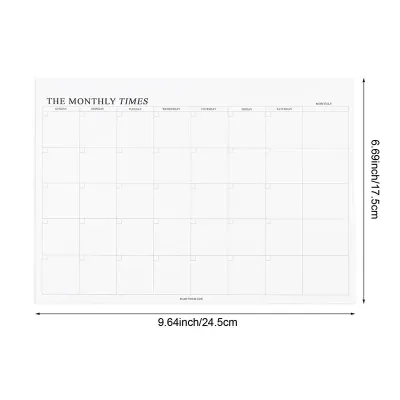
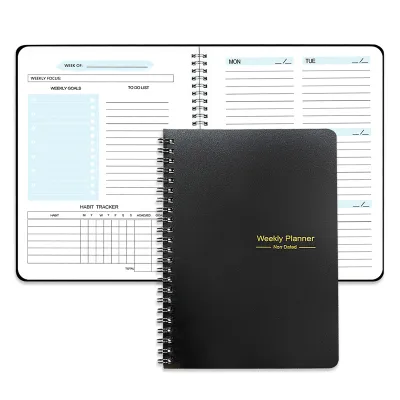
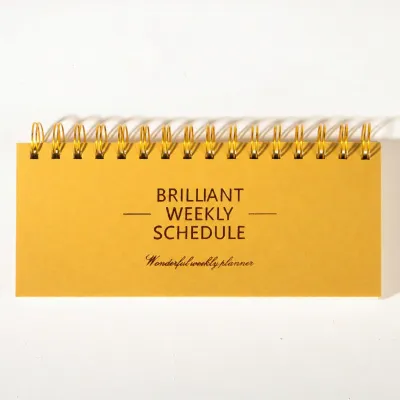
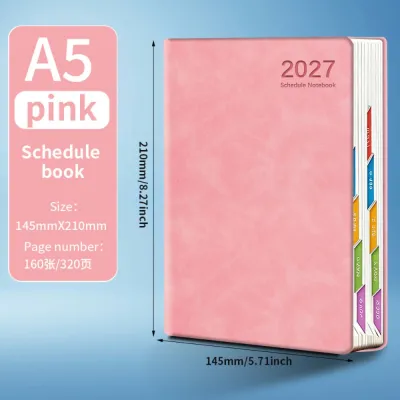
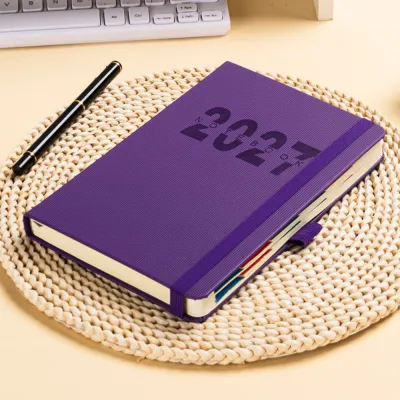
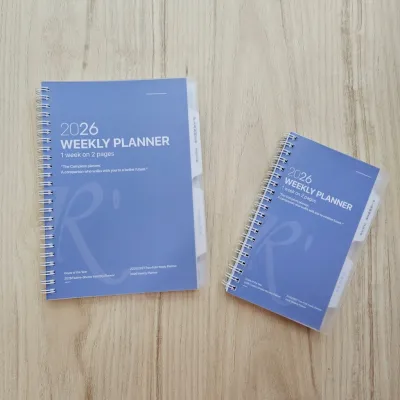
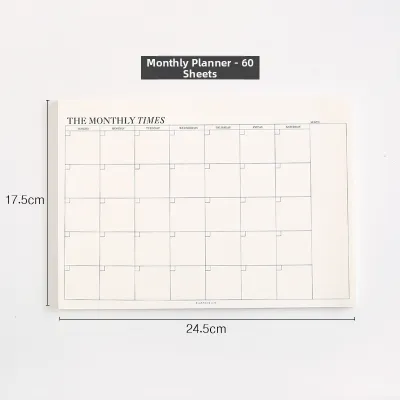
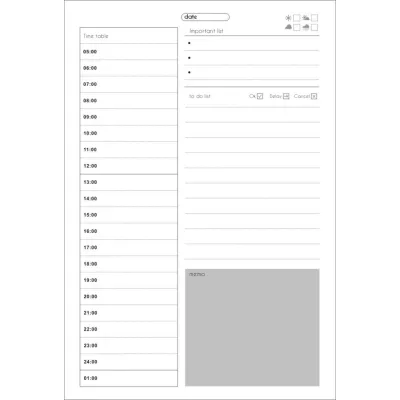
Prices are valid at publication and may change. Please refer to the product page for the latest price.
Evaluating Paper Quality: Weight, Texture, and Ink Compatibility
Paper is the literal foundation of any weekly planner book, yet its performance is highly variable. How a page handles your favorite pen depends entirely on the material composition of the paper, including its weight, surface treatment, and fiber density. Understanding these technical specifications helps you predict how a planner will perform before ink ever touches the page.
Understanding Paper Weight (GSM)
Paper weight is measured in GSM, which stands for grams per square meter. This metric indicates the density and thickness of the paper sheets used in the planner.
- 50 GSM to 68 GSM: Extremely thin and lightweight. While this keeps a thick, 365-day planner compact and highly portable, it is prone to "ghosting" (where writing is visible on the reverse side of the page) and requires careful pen selection.
- 70 GSM to 90 GSM: The standard range for most high-quality daily and weekly planners. It offers a practical compromise, keeping the book reasonably slim while providing decent opacity for standard ballpoint and fine gel pens.
- 100 GSM to 120+ GSM: Thick, robust paper that feels premium. It highly resists ghosting and bleed-through, making it excellent for heavy ink users, though it significantly increases the overall weight and thickness of the planner.
Ink Compatibility and Performance Testing
Because ink formulas and paper manufacturing processes vary, terms like “fountain pen friendly” are not absolute guarantees. True compatibility depends on the exact combination of your pen’s tip size, the wetness of the ink, and the paper’s surface treatment.
To determine if a paper works with your daily writing tools, you must observe how it handles three common issues:
- Bleed-Through: This occurs when ink fully penetrates the paper fibers and appears on the back of the page, rendering the reverse side unusable. It is common with wet fountain pens, permanent markers, and heavy rollerballs on low-GSM or highly absorbent paper.
- Feathering: This is the spiderweb-like spreading of ink along the paper fibers, which makes fine lines look fuzzy and illegible. It typically happens on highly absorbent, uncoated papers.
- Ghosting (Show-Through): This is the shadow of writing visible from the other side of a page, even when the ink has not physically bled through. It is a common characteristic of lightweight papers and is largely an aesthetic preference rather than a structural failure.
If you are testing a planner in a physical store, look for a blank page or a small corner at the very back of the book. Conduct a discreet trial using your preferred writing instrument. Write a few characters, draw a solid line, and wait a few moments to inspect the reverse side for any signs of bleeding or heavy ghosting.
Texture, Tooth, and Coating
The physical finish of the paper alters your writing experience. Coated paper has a smooth, polished surface that minimizes friction. This finish restricts ink absorption, which preserves sharp lines, prevents feathering, and allows fountain pen inks to display vibrant shading or sheen. However, the lack of absorption means gel and fountain pen inks take longer to dry, increasing the risk of smudging—especially for left-handed writers.
Uncoated paper has more “tooth,” meaning it feels slightly textured or rough to the touch. This texture provides satisfying physical feedback as you write, making it ideal for pencils, ballpoint pens, and quick-drying fine liners. Uncoated paper absorbs ink rapidly, drastically reducing drying times, but it is more susceptible to feathering if you use a wet, free-flowing ink.
Layout Design: Finding the Right Structure for Your Workflow
A planner’s layout dictates how you visualize your time. The right structure should mirror your natural thinking process, helping you organize tasks without forcing you to adapt to an unnatural system. Choosing between different weekly formats requires assessing your daily routine and spatial needs.

Vertical vs. Horizontal Layouts
The division of the weekly spread is the most critical design element of any weekly planner book.
- Vertical Layouts: These present the week in vertical columns across a two-page spread, typically running from Monday to Sunday. Many vertical layouts include hourly timestamps, making them perfect for detailed time-blocking, managing back-to-back appointments, and tracking scheduled meetings. If your days are highly structured and time-sensitive, a vertical layout keeps your schedule visually organized.
- Horizontal Layouts: These divide the pages into horizontal blocks, giving you a wider, lined space for each day. This format is highly suited for task-oriented planners who do not need to schedule appointments by the hour. It provides ample room for writing out descriptive to-do lists, daily journal entries, or open-ended notes.
One-Page vs. Two-Page Spreads
Spatial trade-offs are inevitable when choosing a planner size. A classic two-page weekly spread dedicates the entire left and right pages to the seven days of the week, maximizing your writing area. This is ideal if you have a high volume of daily tasks but requires a larger desk footprint.
Alternatively, many popular weekly planner books utilize a one-page weekly layout, where the days of the week are listed on the left page, and the right page is a dedicated blank, ruled, or dot-grid sheet. This hybrid design is highly versatile. It allows you to keep track of key dates and deadlines on the left while using the right side for free-form brainstorming, weekly habit trackers, grocery lists, or general notes. It is a compact option that encourages concise planning.
Gutter Margins and Writing Comfort
The gutter is the inner margin of the page closest to the center binding. In poorly designed planners, the printed layout runs too close to this center seam. This forces you to cramp your hand or struggle to write legibly near the binding, particularly in thick, bound books.
When evaluating a layout, ensure there is a generous gutter margin. This space allows your hand to move naturally without hitting the slope of the spine, ensuring that every square centimeter of the page is usable.
Supplementary Sections: Utility vs. Bulk
Many weekly planners come packed with extra features, such as yearly goal-setting pages, monthly overview calendars, habit trackers, financial budget sheets, and blank dot-grid pages at the back.
While these additions can streamline your organization, they also add physical weight and thickness to the book. Before purchasing, honestly evaluate whether you will use these extra sections. If you already use digital tools for budgeting or habit tracking, a minimalist planner focused purely on weekly spreads will save you physical space and weight in your daily carry.
Binding Durability: Lay-Flat Performance and Cover Longevity
The binding of a weekly planner book determines how easily you can write in it and how well it survives daily handling. A planner that refuses to stay open or starts losing pages by mid-year quickly becomes a source of frustration. For those living in Singapore, environmental factors also play a critical role in binding and cover longevity.
Binding Types and Lay-Flat Ability
To write comfortably across a two-page spread, your planner must lie flat on your desk without requiring constant physical pressure to keep it open.
- Thread-Sewn (Smyth Sewn) Binding: This is the gold standard for bound planners. Individual folded booklets of paper (signatures) are sewn together with strong thread before being bound into the spine. This construction allows the planner to lie completely flat at a 180-degree angle right from the first page. It is incredibly durable; pages will not fall out even with heavy, daily use over several years.
- Wire-O and Spiral Binding: These utilize metal or plastic coils threaded through punched holes along the edge of the pages. This design offers a true, effortless 180-degree flat surface and allows you to fold the planner back on itself at a 360-degree angle, which is highly useful when writing on your lap or in tight spaces. However, the exposed metal coils can easily bend out of shape, snag on clothing, or scratch other items inside your bag.
- Perfect (Glued) Binding: Often found in budget-friendly planners, this method glues individual pages directly to the spine. Perfect-bound books rarely lie flat naturally; forcing them open flat puts immense stress on the glue. Over time, the adhesive can dry out and crack, causing pages to pull loose and fall out.
Cover Materials and Structural Protection
The cover acts as the shield for your daily plans. Choosing between hard and soft covers involves balancing protection against weight.
- Hardcovers: Made of thick, rigid paperboard wrapped in book cloth, paper, or synthetic materials. They provide a solid, stable surface that allows you to write comfortably while standing or traveling without a desk. They offer maximum protection against bent page corners but add noticeable bulk and weight.
- Softcovers: Constructed from flexible cardstock, plastic, or synthetic leather. They are lightweight, flexible, and conform easily to the shape of a crowded bag. However, they offer less physical protection, and the corners of the cover itself can easily crease or fray over time.
Climate and Wear Considerations in Singapore
Singapore’s tropical climate presents unique challenges for paper-based products. The high relative humidity and frequent transitions between hot, humid outdoor air and cold, dry, air-conditioned offices can severely affect a planner’s structural integrity.
Excessive moisture in the air can cause untreated paper covers to warp, curl, or lose their rigidity. Humidity can also weaken certain water-based adhesives used in cheap perfect bindings, accelerating spine failure.
To ensure your planner lasts the entire year, look for moisture-resistant cover materials. Polyurethane (PU) synthetic leather, laminated heavy cardstock, or protective clear vinyl slipcovers are excellent choices. These materials wipe clean easily, prevent humidity from seeping into the binding adhesive, and protect the edges of the paper from absorbing moisture and swelling during your daily commute.
How to Verify Planner Specs Before Buying
Whether you are browsing a local boutique stationery shop in Singapore or ordering from an online marketplace, taking a systematic approach to verifying specifications will prevent buyer’s remorse. Use this practical checklist to evaluate any weekly planner book before making your purchase.
In-Store Physical Checks
If you have the opportunity to handle the planner in person, perform these quick diagnostic tests:
- The Lay-Flat Test: Open the planner to the exact middle. Place it on a flat table and let go. A high-quality thread-sewn or spiral-bound planner should remain open on its own without the pages springing shut.
- The Spine Flex Test: Gently open the book to various sections and inspect the spine. Look closely at the center seam to see if the pages are sewn in visible bundles or if they are held together purely by a thick layer of stiff glue. Avoid planners where the spine makes a cracking sound when opened.
- The Light Opacity Check: Hold a single page up toward the store's overhead lighting. Observe how much light passes through. Highly translucent paper is a strong indicator that you will experience significant ink ghosting.
- The Gutter Clearance Check: Place your hand in a writing position near the center binding. Ensure there is enough flat space for your hand to rest comfortably without falling into the center dip.
Online Shopping Checks
When shopping online, you must rely on written specifications and user feedback to gauge quality. Look for these specific indicators in the product description:
- Search for Verifiable Keywords: Look for explicit technical terms such as "Smyth sewn," "thread-bound," "acid-free paper," and a specific GSM rating (ideally 80 GSM to 120 GSM). Avoid listings that only use vague descriptions like "premium thick paper" without providing actual numbers.
- Analyze Customer Reviews: Use the search function within online reviews to filter for words like "bleed," "ghosting," "feathering," "fountain pen," "warping," or "spine." This will quickly reveal if other users have experienced quality issues with specific writing tools.
- Check the Dimensions: Standard international paper sizes (such as A5, B6, or A6) are highly reliable because they allow you to easily estimate the planner's physical footprint. A5 (roughly 14.8 cm x 21 cm) is the most popular size, offering a balanced writing area, while B6 (roughly 12.5 cm x 17.6 cm) provides a more compact, portable alternative.
Review Retailer Policies
Before finalizing your purchase, review the return and exchange policies of the stationery store or online platform. This is particularly important if you are purchasing a premium planner with specialized paper. If you find that your favorite daily pen bleeds heavily through the paper during your first home test, a flexible return or exchange policy will allow you to swap it for a more compatible option without financial loss.
Frequently Asked Questions (FAQ)
Does a higher GSM always mean better paper for planners?
Not necessarily. While a higher GSM (such as 100 GSM to 120 GSM) indicates thicker paper that highly resists ink bleed-through and ghosting, it also makes the planner significantly heavier and bulkier to carry. Furthermore, GSM only measures weight, not paper quality or ink compatibility. Some lightweight papers (such as specialized 52 GSM or 68 GSM papers) are highly engineered with unique coatings that prevent fountain pen ink from bleeding through, despite being incredibly thin. For daily commuting, a well-engineered 80 GSM to 90 GSM paper often provides the ideal balance between portability and ink resistance.
How can I prevent my planner pages from warping in Singapore's humidity?
To protect your planner from moisture damage, avoid storing it in damp environments or leaving it in areas with high condensation, such as inside a cold car parked in the sun. Always store your planner in a dry, well-ventilated space when not in use. Choosing a planner with a water-resistant cover, such as PU synthetic leather or laminated cardstock, provides a strong physical barrier. For maximum protection during a humid daily commute, consider keeping your weekly planner book inside a protective clear plastic slipcover, a dedicated fabric book sleeve, or a zippered pouch.
Is a spiral-bound or thread-sewn weekly planner better for daily commuting?
For daily commuting, a thread-sewn planner is generally the more durable and practical choice. Thread-sewn books have flat, smooth outer spines that slide easily into backpack compartments or work bags without catching on other items. They are highly durable, and the pages are securely locked in place by thread. While spiral-bound planners offer excellent lay-flat utility, the exposed metal or plastic coils can easily bend, warp, or snag on loose threads and bag linings during a busy commute, which can eventually cause pages to tear away from the coil.
Community discussion
Share your experience or ask a question. Comments are reviewed before publication.