
Finding the perfect notebook binder involves looking past aesthetic covers and recognizable brand logos. While a brand name can suggest a certain level of manufacturing consistency, the actual performance of a binder depends heavily on the specific product line, the paper batch, and how well the materials match your writing habits. A binder that excels for quick pencil sketches might fail when paired with a wet fountain pen or subjected to a humid daily commute.
To make an informed choice, you need a structured decision framework that balances paper specifications with the physical build of the binder. Instead of searching for a single universal winner, the goal is to evaluate key metrics like paper weight, surface treatment, cover resilience, and ring alignment. By understanding these technical details, you can confidently select a binder system that fits your specific writing tools, storage environment, and budget.
Evaluating Paper Quality: Weight, Texture, and Opacity
Paper performance is not determined by brand reputation alone, but by measurable physical specifications. The most critical metric to look for on packaging or product listings is Grams per Square Meter (GSM), which indicates the weight and thickness of the paper. Standard notebook paper typically ranges from 70 to 80 GSM, which is highly suitable for everyday writing with ballpoint pens or pencils. If you prefer using wet gel pens, rollerballs, or fountain pens, look for paper rated at 90 to 100 GSM or higher to prevent ink from bleeding through to the other side.
Products mentioned in this guide
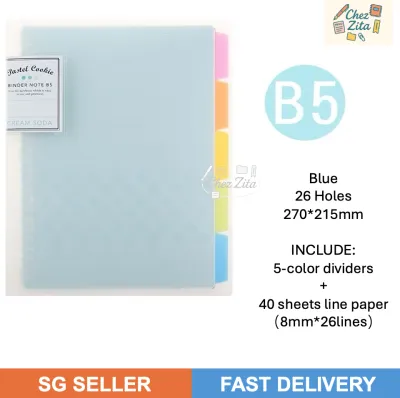
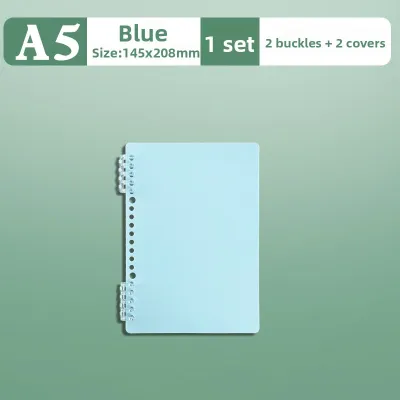
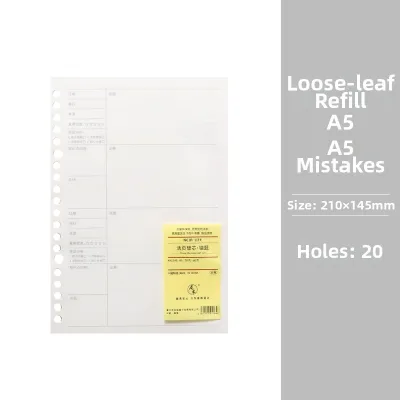
Prices are valid at publication and may change. Please refer to the product page for the latest price.
Beyond weight, the surface texture and chemical treatment—known as sizing—dictate how paper interacts with different inks. Highly sized paper has a protective coating that slows down ink absorption, which keeps lines sharp and prevents feathering but increases drying time. Smooth, calendered paper allows fine-tip pens to glide effortlessly, making it excellent for rapid note-taking. Conversely, slightly textured or toothy paper provides the tactile feedback necessary for precise pencil work and controlled ballpoint writing.
Opacity is another vital factor, especially if you plan to write on both sides of a page. Low-opacity paper causes ghosting, where the shadow of your writing on the front page is visible on the back, making the text difficult to read. You can verify opacity in a physical store by holding a single sheet up to the light to see how much shines through. When shopping online, look for manufacturer descriptions that explicitly mention high opacity or check user reviews for photos of the paper back after writing.
For long-term document preservation, always check the product specifications for archival or acid-free labels. Acid-free paper is manufactured using an alkaline process that prevents the fibers from breaking down and yellowing over time. This is a crucial specification if you are compiling reference materials, study guides, or journals that you intend to keep for several years.
Assessing Durability: Cover Materials and Ring Mechanisms
The longevity of a notebook binder depends heavily on the materials used for its cover and the engineering of its binding mechanism. Polypropylene (PP) covers are highly popular because they are lightweight, flexible, and completely waterproof. This makes them exceptionally resilient in humid tropical climates, where moisture can easily damage paper-based materials. PVC covers offer a similar level of water resistance and tend to be more rigid, though they can become brittle and crack over years of heavy use.

Cardboard covers provide excellent structural rigidity, offering a firm surface to write on when a desk is unavailable. However, untreated cardboard is highly vulnerable to water damage, edge fraying, and warping in humid environments. If you prefer the aesthetic of cardboard or leatherette, ensure the binder features wrapped edges or metal corner protectors to prevent the layers from peeling apart over time.
The ring mechanism is the most common failure point in any binder system. High-quality binders feature steel rings that align perfectly when closed; even a tiny gap or misalignment will snag your paper and tear the punched holes. When evaluating a binder, test the spring tension by opening and closing the rings several times. The mechanism should snap shut with a firm, audible click, indicating sufficient tension to hold the pages securely during transit.
Additionally, pay close attention to the spine construction and the presence of locking levers. Reinforced spines with flexible fabric hinges or double-welded plastic seams prevent the cover from splitting under the weight of a fully loaded binder. Binders equipped with slide locks or push-button opening mechanisms offer an extra layer of security, ensuring the rings do not accidentally pop open when the binder is compressed inside a packed bag.
Matching Paper Thickness and Capacity to Your Workflow
To build an efficient stationery setup, you must align your paper choices and binder capacity with your daily writing tools. If your workflow relies on standard ballpoint pens, a lighter 70 GSM paper allows you to pack more sheets into a single binder without adding unnecessary bulk. For those who write with fountain pens or heavy markers, investing in thicker 100 GSM paper is essential to maintain clean, legible pages, even if it means carrying fewer sheets overall.
The physical size of the binder also dictates its portability and how you interact with your notes. A4 binders provide the maximum writing area, making them ideal for complex diagrams, mind maps, and extensive technical notes. However, they require significant desk space and a larger bag to transport. B5 binders offer a highly popular middle ground, providing ample writing space while fitting comfortably on small lecture desks, while compact A5 binders are perfect for quick daily logs and highly portable setups.
Calculating your required sheet capacity prevents you from overloading the ring mechanism and damaging your notes. A slim binder with a 15mm ring diameter typically holds around 100 sheets of standard paper, which is ideal for a single subject or project. If you need to compile a comprehensive multi-subject archive, look for a larger 25mm or 30mm ring diameter that can comfortably hold 200 to 250 sheets without putting excessive pressure on the page holes.
Finally, always verify the refill compatibility of your chosen binder system before making a purchase. Some brands use proprietary hole configurations that force you to buy their specific, higher-priced refill packs. Opting for binders that adhere to standard multi-hole configurations—such as 20-hole for A5, 26-hole for B5, or 30-hole for A4—gives you the freedom to source affordable refills from various manufacturers, with prices typically ranging from S$2 to S$6 per pack.
Comparing Brands: A Practical Checklist for Shoppers
When shopping for a notebook binder on online marketplaces or in physical stores, having a structured evaluation process saves time and money. Start by reading the product specifications carefully to extract key data points that are often omitted from promotional titles. Look specifically for the exact GSM of the included paper, the precise ring diameter, and the total sheet capacity rather than relying on vague descriptions like “thick paper” or “high capacity.”
If you are shopping in a physical retail store, take a few moments to perform quick diagnostic checks on the display models. Open and close the rings to feel the spring resistance, and run your fingers over the paper to assess its smoothness and grain. Hold a single page up to the store lights to check its relative opacity, and inspect the ring alignment closely to ensure there are no visible gaps where paper could catch.
Evaluating the long-term price-to-value ratio is crucial when choosing between different binder systems. A high-quality binder shell made of durable polypropylene might cost S$12 upfront but last for several years, allowing you to save money over time by purchasing budget-friendly bulk refills. In contrast, a cheap S$4 binder with fragile plastic rings may break within a few weeks, forcing you to buy an entirely new unit and ultimately costing more in the long run.
To finalize your decision, apply a simple conditional framework based on your primary usage scenario. If you commute daily and need a lightweight, weather-resistant notebook, choose a brand that offers a flexible PP cover with a secure elastic band closure. If you prioritize archival quality and write with fountain pens, focus your budget on a brand that includes acid-free, high-GSM paper and features standard multi-hole spacing for maximum refill flexibility.
Frequently Asked Questions (FAQ)
Can I use standard hole-punched paper in any notebook binder?
No, standard office paper punched with two or three holes is generally incompatible with multi-hole notebook binders. Multi-hole binders, such as 20-hole A5 or 26-hole B5 systems, require precise hole spacing and margin widths to allow the pages to turn smoothly without tearing. Always check the exact hole count and spacing specifications of your binder before purchasing refill packs or investing in a specialized multi-hole punch.
How do I prevent fountain pen ink from bleeding through binder paper?
To prevent bleed-through, select paper with a minimum weight of 80 to 90 GSM that features a smooth, sized surface treatment designed to resist rapid ink absorption. If you must use highly absorbent paper, placing a thick plastic writing board or a heavy sheet of cardstock directly behind your active page will catch any stray ink. Additionally, pairing your binder with finer pen nibs and drier inks will significantly reduce the risk of feathering and ghosting.
Are plastic binders more durable than cardboard ones?
Plastic binders made from thick polypropylene are generally more durable than cardboard binders because they are completely waterproof, highly flexible, and resistant to edge fraying. Cardboard binders provide excellent structural rigidity and a premium aesthetic, but they can warp in high-humidity environments or split along the hinges under heavy daily use. For long-term durability in a portable setup, a high-quality plastic cover is typically the more resilient choice.

Community discussion
Share your experience or ask a question. Comments are reviewed before publication.