
Quick Answer: Choosing the Right Diary for Your Writing Style
Finding the perfect diary is not about searching for a single, universally superior brand. Instead, the ideal choice depends entirely on your preferred writing tools, whether you write with a wet fountain pen, a smooth gel pen, or a traditional ballpoint. The writing experience is a delicate balance between the paper’s physical properties and the ink’s behavior.
When selecting a diary, you will generally face a primary trade-off between paper thickness and texture. Thicker, coated papers are excellent at preventing ink from bleeding through to the other side, making them ideal for wet inks, though they can sometimes feel less tactile and take longer to dry. Conversely, thinner, uncoated papers offer a classic, textured feel and fast drying times, but they require dry inks or fine-tipped pens to prevent show-through.
To make an informed decision, always check the specific paper weight, measured in grams per square meter (GSM), and the paper finish (coated versus uncoated) on the product packaging or manufacturer specifications before purchasing. This ensures your daily journaling remains a smooth, enjoyable ritual rather than a frustrating battle with smudges and ink blots.
Products mentioned in this guide
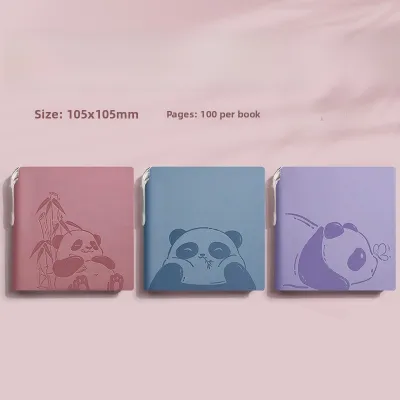
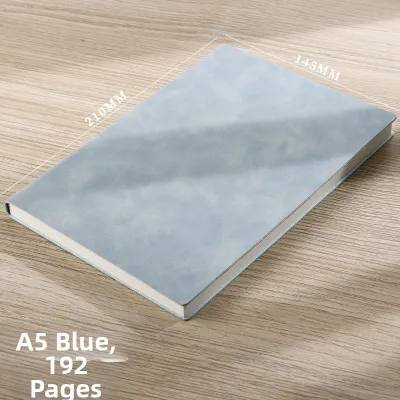
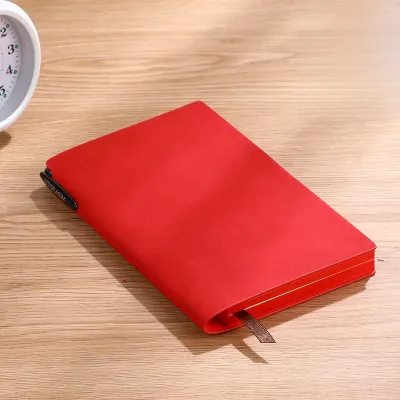
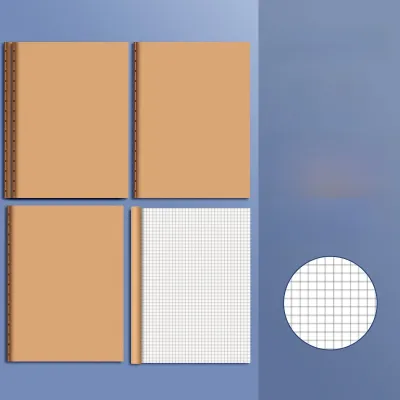
Prices are valid at publication and may change. Please refer to the product page for the latest price.
Key Dimensions for Evaluating Diary Paper Quality
To objectively compare different diary brands, you need to look beyond aesthetic covers and focus on the technical specifications of the paper itself. Understanding these key dimensions allows you to predict how a notebook will perform under your pen before you even touch the page.

Paper Weight (GSM)
The weight of paper is globally standardized in grams per square meter, commonly abbreviated as GSM. When browsing diaries in Singapore, you will typically find paper weights ranging from a lightweight 52 GSM up to a heavy 120 GSM or more. A higher GSM generally indicates a thicker, more opaque sheet that can handle heavier ink applications without tearing. However, weight alone does not determine quality; it simply dictates the physical density and thickness of each page.
Paper Finish and Coating
The surface treatment of the paper plays a massive role in how your pen glides across the page. Coated papers have a smooth, almost glassy finish that minimizes friction, allowing fountain pens to write effortlessly while preserving the vibrant sheen and shading of specialized inks. Uncoated papers, often referred to as having “tooth,” retain a natural, slightly textured feel. This texture provides excellent grip for pencils and ballpoint pens, though it can cause wet inks to spread slightly.
Sizing and Bleed-Through Resistance
Sizing is a chemical treatment applied during the papermaking process to control how much liquid the paper absorbs. Highly sized papers resist liquid penetration, forcing the ink to dry on the surface rather than soaking into the fibers. Without adequate sizing, even a thick 100 GSM paper can suffer from feathering—where ink spreads sideways like a spiderweb—and bleed-through, where ink leaks completely through to the reverse side. You can test this on the last pages of a new diary by creating a small ink swatch card.
Binding and Lay-Flat Ability
The physical construction of the diary is just as important as the paper itself. Thread-bound diaries are highly prized because they allow the book to lay completely flat on your desk, giving you full access to the usable space near the gutter, or inner margin. Spiral or wire-bound diaries also lay flat but can obstruct your hand while writing. Glued bindings are often less durable and may require you to hold the pages down constantly, which can disrupt your writing flow.
How Different Paper Types Affect the Writing Experience
Different diary brands utilize distinct paper formulations to cater to specific writing preferences. Understanding these categories helps you match a brand’s paper philosophy with your personal journaling habits.
High-GSM / Cardstock-Style Paper
Diaries featuring heavy paper, typically between 100 GSM and 160 GSM, offer a sturdy, substantial feel reminiscent of drawing paper. This paper type provides excellent opacity, meaning you can write on both sides of the page with heavy gel pens, brush pens, or markers without any risk of ink showing through. The main trade-off is the physical bulk of the diary; these journals tend to be much thicker and heavier, offering fewer total pages for the same spine width, which may not suit those who prefer a portable daily carry.
Lightweight / High-Opacity Paper
Some premium diaries utilize specialized, ultra-thin paper ranging from 52 GSM to 68 GSM. Despite its thinness, this paper is engineered with high-quality fibers and sizing to resist ink bleed-through remarkably well. It allows manufacturers to pack hundreds of pages into a slim, highly portable volume. The writing experience is unique, offering a soft, crinkly tactile feedback as the pages turn. However, because the paper is so thin, you will experience “ghosting”—a visible shadow of your writing on the reverse side—which requires pairing with fine-tipped or dry-writing pens.
Standard Uncoated Woodfree Paper
This is the most common paper type found in everyday diaries, usually ranging from 70 GSM to 90 GSM. It offers a traditional, familiar writing experience with a moderate amount of tooth. The texture provides satisfying feedback and control, making it exceptionally well-suited for standard ballpoint pens, gel pens, and graphite pencils. While highly versatile, standard uncoated paper is more porous, meaning wet fountain pen inks or heavy markers are highly likely to feather or bleed through if applied too heavily.
Matching Your Pen and Ink to the Diary Paper
Achieving a flawless writing experience requires matching the characteristics of your writing instrument to the specific properties of your diary’s paper. A mismatch can lead to frustrating smudges, skipped lines, or ruined pages.
Fountain Pens and Wet Inks
If you enjoy writing with fountain pens, rollerballs, or wet liquid inks, your primary goal is to find paper that resists absorption. Look for diaries featuring coated, highly sized, or specialized fountain-pen-friendly paper. These surfaces keep the ink on top of the page, allowing the ink’s true color, shading, and metallic sheen to develop fully. Be prepared for longer drying times, as the ink must evaporate rather than soak into the paper fibers.
Gel and Rollerball Pens
Gel pens are incredibly popular for daily journaling due to their vibrant colors and smooth flow. However, because gel ink is water-based, it can smudge easily on highly coated, non-porous papers. If you write quickly or are left-handed, look for medium-weight, semi-coated or uncoated paper that balances smooth writing with fast absorption. This combination allows the gel ink to dry rapidly, preventing accidental smudging as your hand moves across the page.
Ballpoint Pens and Pencils
For those who prefer the reliability of a classic ballpoint pen or the erasability of a graphite pencil, standard uncoated paper is the ideal companion. These dry writing instruments require a certain amount of surface friction, or tooth, to transfer the ink or graphite onto the page effectively. On highly coated, ultra-smooth papers, a ballpoint pen may skip or slip, while a pencil may leave faint, barely visible lines. Uncoated paper provides the perfect grip for precise control and clean, crisp lines.
Decision Framework: Selecting Your Ideal Diary
To finalize your choice and find the perfect diary for your daily routine, use this structured decision framework to match your habits with the right paper specifications.
- Identify Your Primary Writing Tool: Before looking at cover designs, look at your pen holder. If your collection consists of fountain pens, brush pens, or wet ink rollers, prioritize diaries with coated, high-GSM paper or specialized lightweight papers known for high sizing. If you rely on standard gel pens, ballpoints, or pencils, a standard uncoated or semi-coated diary will offer the best balance of friction and drying speed.
- Determine Your Portability Needs: Consider where you will do most of your writing. If your diary remains on your desk at home, a heavy, high-GSM journal with thick pages and a luxurious binding is an excellent choice. If you carry your diary in a bag throughout the day, a lightweight, high-page-count diary using thin, high-opacity paper will save space and weight without sacrificing writing space.
- Verify the Specifications: Before making a purchase, check the product label, manufacturer website, or online marketplace listing for key technical details. Look for the stated GSM, the paper origin, and the binding style. A thread-bound, lay-flat design is almost always preferable for a comfortable writing experience. If you are shopping in a physical stationery store in Singapore, feel the paper texture and check the binding flexibility firsthand.
Frequently Asked Questions (FAQ)
Does a higher GSM always mean better paper quality for diaries?
No, a higher GSM does not automatically guarantee better paper quality or ink resistance. While a higher GSM means the paper is thicker and more opaque, preventing show-through, it does not prevent ink feathering or bleeding if the paper lacks proper sizing. A poorly sized 100 GSM paper can still feather badly with a fountain pen, while a highly engineered 52 GSM paper can handle wet inks beautifully. Additionally, very high GSM paper makes the diary significantly heavier and reduces the total page count.
How can I test a diary's paper quality before committing to a full journal?
If you are shopping in a physical stationery store, you can ask if they have a display sample available for testing. Many specialty stationery shops provide tester notebooks specifically for this purpose. If a tester is not available, or if you are purchasing from an online marketplace, look closely at the last few pages of the diary once it arrives. Conduct a small pen test in an inconspicuous corner or on the very last page using your favorite pens to check for drying time, feathering, and bleed-through before writing your first entry.
Is ghosting the same as bleed-through in diary paper?
No, ghosting and bleed-through are two distinct paper behaviors. Ghosting, also known as show-through, occurs when you can see the dark shadow of your writing on the reverse side of the page, but the ink itself remains on the original side. This is common and expected with lightweight papers. Bleed-through occurs when the ink physically penetrates the paper fibers and leaks through to the other side, creating wet spots or stains that make the reverse page completely unusable. While ghosting is a matter of personal preference, bleed-through is generally considered a paper performance failure.
Community discussion
Share your experience or ask a question. Comments are reviewed before publication.