
Finding the perfect planner is a highly personal journey where tactile feedback, structural layout, and physical durability must align with your daily writing tools and organizational habits. If you use wet fountain pen inks, your paper requirements will differ vastly from someone who prefers dry ballpoint pens or fine-liner gel pens. Similarly, a planner that sits permanently on an office desk demands different structural features than one tossed daily into a commuter bag.
By understanding how different planner brands formulate their paper, structure their layouts, and construct their bindings, you can avoid the frustration of ink bleed-through, cramped writing spaces, or broken spines mid-year. This guide compares the core quality dimensions of leading planner brands to help you identify the exact tool that matches your planning style and writing instruments.
Quick Answer: Matching Planner Brands to Your Priorities
No single planner brand dominates all three categories of paper quality, layout design, and durability because the best choice depends entirely on your primary writing tools and organizational habits. A planner that features ultra-thin, fountain-pen-friendly paper may require extra care to avoid wrinkling, while a planner built with thick, heavy-duty pages may become too bulky to carry comfortably every day.
Products mentioned in this guide
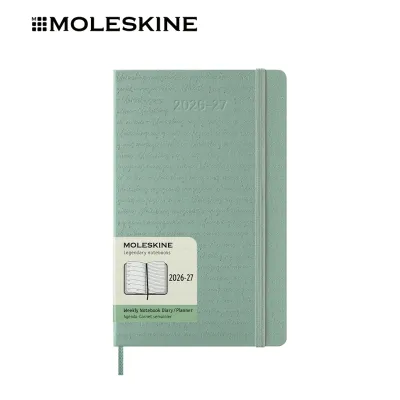
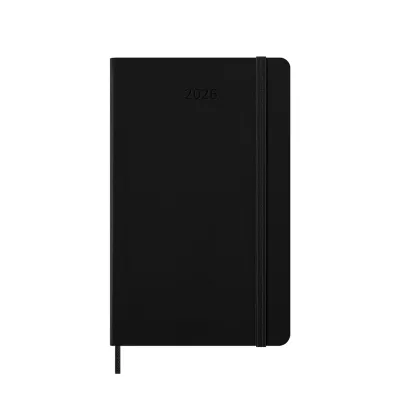
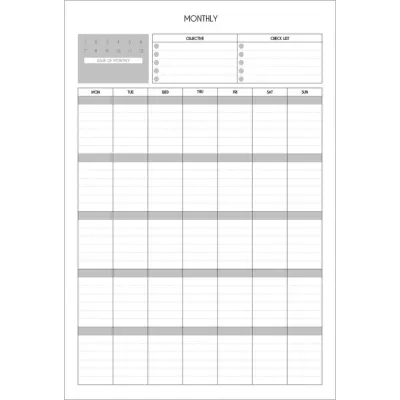
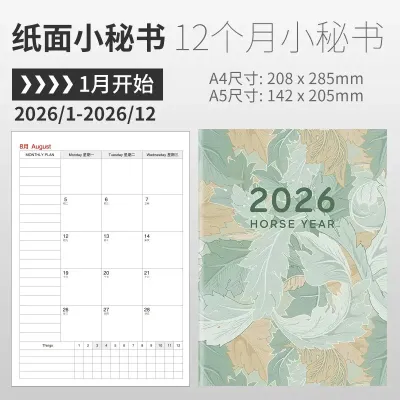
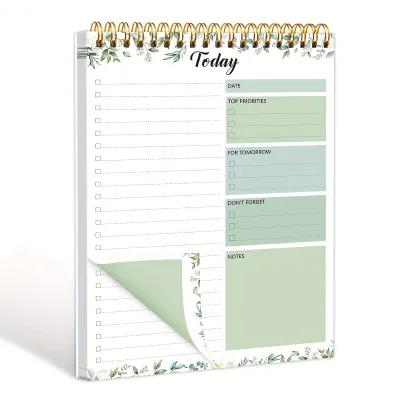
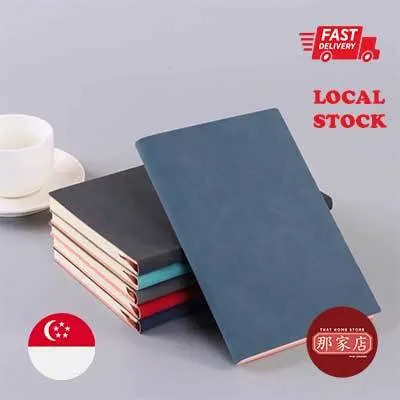
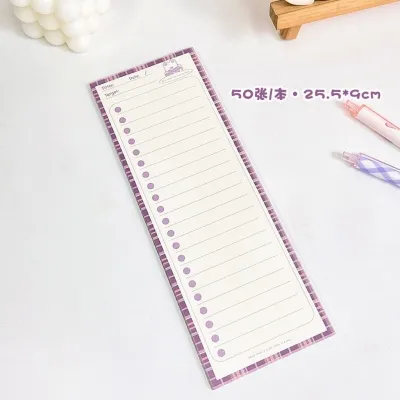
Prices are valid at publication and may change. Please refer to the product page for the latest price.
Generally, Japanese planner brands like Hobonichi and Midori excel in producing ultra-smooth, lightweight, and fountain-pen-friendly paper. These brands tend to offer highly flexible layouts, such as free-form daily pages or minimalist grid designs, which allow you to customize your tracking. However, their thin pages require longer ink drying times and can be prone to creasing if handled roughly.
In contrast, European heritage brands such as Leuchtturm1917 and Moleskine prioritize structured layouts, rigid hardcovers, and robust daily wear. These planners are designed to survive being tossed into backpacks and offer structured weekly or monthly layouts that are ideal for rapid task management and scheduling. The trade-off is that their paper is often more absorbent, which can cause wet inks to feather or bleed through if you do not pair them with the right pens.
A Quick Guide to Brand Selection:
- Choose Hobonichi or Midori if you primarily write with fountain pens, gel pens, or multi-colored inks, and prefer a flexible, grid-based layout that adapts to your daily creative needs.
- Choose Leuchtturm1917 if you want a durable, structured planner with numbered pages and an index, making it ideal for bullet journaling with standard gel pens or ballpoints.
- Choose Moleskine if you prioritize a sleek, classic aesthetic with a highly rigid hardcover and simple weekly layouts, and you primarily use dry ballpoint pens or pencils.
- Choose a Spiral or Disc-Bound System if you need the absolute flat-laying capability of metal coils and want the flexibility to add, remove, or rearrange pages throughout the year.
Paper Quality Comparison: Ink Handling, Weight, and Texture
Paper Weight and Opacity
When evaluating a planner, the weight of the paper is measured in grams per square meter (GSM). This metric is a reliable indicator of paper thickness and opacity, but it does not tell the whole story about quality. Heavyweight paper, typically ranging from 100 GSM to 120 GSM or higher, provides excellent opacity and structural stiffness. This thickness prevents “ghosting”—the shadow of writing showing through on the reverse side of the page—making it ideal for those who write on both sides of a sheet with heavy pressure or dark inks. However, planners utilizing heavy paper are naturally bulkier and heavier, which can be a significant drawback if you carry your planner everywhere.

Conversely, lightweight paper, often ranging from 50 GSM to 70 GSM, is favored by brands that pack a large number of pages, such as 365-day daily planners, into a compact volume. The most famous example is Tomoe River paper, which is remarkably thin at 52 GSM or 68 GSM yet possesses unique properties that resist ink bleed-through. While lightweight paper keeps the planner slim and portable, it inherently suffers from higher ghosting. If you dislike seeing the faint outline of yesterday’s entries while writing today’s notes, you should opt for a brand that uses paper of at least 80 GSM to 100 GSM.
Ink Compatibility and Bleed-Through
Ink compatibility is determined by how the paper fibers are treated during manufacturing. Premium paper does not automatically mean it is compatible with every writing instrument; for instance, paper designed to feel luxurious and thick may still feather badly when exposed to wet inks. Fountain pens, rollerballs, and wet gel pens require paper with specialized surface sizing—a treatment that limits how quickly the paper absorbs liquid. Without proper sizing, wet ink spreads along the paper fibers, a phenomenon known as feathering, oraks through to the other side, known as bleed-through.
If you prefer using alcohol-based markers or heavy highlighters, you must look for planners with highly coated or exceptionally thick paper, as these mediums easily penetrate standard planner pages. To avoid ruined pages, always check the manufacturer’s specifications for explicit mentions of ink compatibility. In the absence of official testing data, you can perform an observable trial by testing your favorite pens on the rear index or memo pages of a new planner before committing to writing on the main calendar spreads.
Texture and Tooth
The tactile sensation of writing is dictated by the paper’s texture, often referred to as its “tooth.” Smooth, coated papers allow your pen nib to glide effortlessly across the surface with minimal friction. This lack of resistance is highly satisfying for fountain pen users and those who write quickly, as it preserves the vibrancy of ink colors and allows for specialized ink properties like “sheening” or “shading” to show. However, highly coated smooth papers suffer from significantly longer drying times. In humid climates like Singapore’s, wet ink on coated paper can take several minutes to dry, increasing the risk of accidental smudging when you close the planner.
Toothy, uncoated papers offer a completely different writing experience by providing a subtle, textured feedback against your pen tip. This texture is highly favored by pencil users and those who prefer the controlled, tactile feel of ballpoint pens. The open fibers of uncoated paper absorb ink almost instantly, which virtually eliminates smudging and makes it highly practical for quick, on-the-go notes. The trade-off is that toothy paper can absorb too much ink from wet pens, causing lines to look wider and fuzzier, and it can slowly wear down the delicate tips of fine felt-tip pens or fiber-tip markers over time.
How to Verify Paper Specifications:
- Check the specific paper mill: Look for planners that explicitly name their paper source, such as Tomoe River (Sanzen), Midori MD, or Clairefontaine, rather than relying on generic "premium paper" labels.
- Identify the GSM rating: Ensure the paper weight matches your tolerance for ghosting (50-70 GSM for slim portability with some ghosting; 80-100 GSM for balanced daily use; 120+ GSM for heavy markers and zero ghosting).
- Observe the surface finish: Opt for satin or coated finishes if you want vibrant ink colors and smooth gliding, or choose matte, uncoated finishes if you prioritize instant drying times and pencil compatibility.
Layout Design Comparison: Structured vs. Flexible Organization
Pre-Structured vs. Blank Canvas
The layout of a planner dictates how you process your time and tasks. Pre-structured planners provide highly detailed, rigid frameworks, such as hourly vertical columns, dedicated daily schedules, and pre-printed task lists. These designs are highly effective for professionals with appointment-heavy days, students with rigid class schedules, or anyone who thrives under a structured time-management system. The primary benefit of a structured layout is that it removes the cognitive load of organizing the page; you simply fill in the blanks. However, if your daily routine varies or you have days with few appointments, these rigid structures can leave you with depressing amounts of empty space or insufficient room for creative notes.
Blank canvas layouts, which utilize dot-grid, blank, or minimalist ruled pages, offer total freedom. Brands that focus on bullet journaling or open-ended daily pages allow you to design your own tracking systems, sketch diagrams, or write long-form journal entries. This flexibility is ideal if your planning needs change from week to week. The downside is the time and effort required to draw your own layouts. If you do not enjoy the process of setting up grids and writing out calendar dates manually, a completely open layout can quickly become an overwhelming chore rather than an organizational aid.
Weekly Spread Orientations
For weekly planners, the orientation of the spread is the most critical design choice. Vertical weekly layouts present each day as a vertical column, often marked with hourly increments from morning to evening. This orientation is highly visual, allowing you to see your open time blocks at a glance and schedule tasks precisely. It is the preferred format for time-blocking enthusiasts. However, the narrow columns of a vertical layout can make writing long sentences difficult, often forcing you to use tiny handwriting or abbreviations.
Horizontal weekly layouts arrange the days of the week in horizontal blocks across a two-page spread. This format mimics the natural left-to-right reading pattern, providing wider lines that are much better suited for writing detailed, sentence-length notes, daily journals, or lists. Horizontal layouts are excellent for task-oriented planners who do not need to schedule their days down to the hour. The limitation of horizontal spreads is that they do not easily convey a visual representation of time, making it harder to spot scheduling conflicts at a single glance.
Gutter and Binding Impact on Layout
The physical construction of a planner’s binding directly impacts how much of the page layout is actually usable. Traditional glued bindings often create a tight, stiff spine that does not allow the book to open fully. This results in a deep curve at the center fold—the gutter—which swallows the inner margins of your layout. Writing near the gutter in a tightly bound planner is physically uncomfortable, as your hand must fight the slope of the paper, often resulting in messy handwriting or wasted space.
True lay-flat bindings, typically achieved through specialized thread-sewn methods, allow the planner to open completely flat at a 180-degree angle on any page. This design ensures that every square millimeter of the paper, from the outer edge to the absolute center of the gutter, is fully accessible for writing. If you prefer to draw continuous monthly calendars or write across the center fold of a two-page spread, verifying that a planner features a lay-flat binding is an absolute necessity.
Navigation and Extras
As you navigate a year’s worth of plans, built-in organizational tools can save you significant time. Minimalist planner brands often strip away all extra features to reduce visual clutter and keep the book as slim as possible, leaving you with nothing but blank grids. While this appeals to design purists, it forces you to manually create your own navigation systems.
Conversely, feature-rich brands include built-in navigation tools such as pre-printed page numbers, blank index pages, multiple ribbon markers, and tear-out memo sheets. An index paired with numbered pages is incredibly useful for quickly locating specific notes or meeting logs from months prior. Integrated monthly overview tabs or color-coded page edges also make flipping between future planning and daily logs seamless, helping you maintain a cohesive workflow throughout the year.
Durability and Build: Covers, Binding, and Daily Wear
Cover Materials
The cover of your planner is its first line of defense against the hazards of daily travel, spilled liquids, and constant handling. Hardboard covers, typically made of thick cardboard wrapped in book cloth or printed paper, offer excellent structural rigidity. They provide a solid, desk-like writing surface when you need to write on your lap or while standing. However, paper-wrapped hardcovers are vulnerable to corner denting, and the paper can slowly peel away at the edges over months of friction inside a bag. Book cloth covers offer a tactile, classic feel, but they can easily absorb oils from your hands or stain if liquid is spilled on them.
Flexible covers made from genuine leather, high-grade polyurethane (PU) vegan leather, or soft PVC offer a different set of advantages. Genuine leather is highly durable, molding to the shape of your hand over time and developing a unique patina, though it requires occasional conditioning to prevent drying and cracking. High-quality PU leather resists water and stains, making it easy to wipe clean with a damp cloth, and its flexible nature prevents the corners from permanently bending or creasing. Soft PVC or plastic covers are incredibly lightweight and waterproof, providing excellent protection against humid conditions or accidental spills, though they can sometimes feel less premium to the touch.
Binding Methods
The method used to bind your planner determines both its lifespan and how you physically interact with it. Smyth-sewn binding (also known as section-sewn) is the gold standard for durability. In this process, groups of pages are folded and sewn together with thread before being glued into the spine. This creates an incredibly strong bond; pages cannot be easily pulled out, and the spine resists cracking even after thousands of openings. Because thread-sewn bindings naturally lay flat, they suffer from very little mechanical stress during use, ensuring the planner remains intact for the entire year.
Spiral, wire-o, and disc-bound systems offer unmatched flexibility but come with distinct durability trade-offs. These systems allow you to fold the planner completely back on itself to save desk space, and disc-bound systems let you easily add, remove, or rearrange pages. However, metal or plastic coils can easily snag on clothing or get bent out of shape inside a crowded bag, which can hinder smooth page turning. Additionally, the punched holes along the edge of the paper are prone to tearing if pages are turned quickly or under tension, meaning these planners require gentler handling over time.
+-------------------+----------------------------+----------------------------+
| Binding Type      | Primary Advantages         | Key Durability Risks       |
+-------------------+----------------------------+----------------------------+
| Smyth-Sewn        | True lay-flat, pages       | Spine can become loose if  |
| (Thread-Sewn)     | cannot fall out easily     | subjected to extreme force |
+-------------------+----------------------------+----------------------------+
| Spiral / Wire-O   | 360-degree fold-back,      | Coils can bend or snag;    |
|                   | excellent desk space saver | paper holes can tear       |
+-------------------+----------------------------+----------------------------+
| Disc-Bound        | Modular page movement,     | Pages can detach if pulled;|
|                   | highly customizable        | discs can crack if dropped |
+-------------------+----------------------------+----------------------------+
Edge and Closure Protection
Small structural details can make a massive difference in how well a planner survives twelve months of daily wear. Rounded corners on both the cover and the inner pages are highly effective at preventing dog-earing, as they slide smoothly into bags without catching on fabric. Sharp, square corners are almost guaranteed to bend, split, or fray over time under the same conditions.
An elastic closure band is another crucial feature for planners that travel. By keeping the book securely closed, the band prevents loose items in your bag from sliding between the pages and crumpling them. Similarly, built-in ribbon markers allow you to jump directly to your current page without folding down the corners of the sheets. When evaluating a planner, look for these protective features to ensure your book looks as professional in December as it did in January.
Spine Cracking
Spine cracking is a common failure point in cheaply constructed hardcover planners that rely solely on heavy layers of rigid glue to hold the pages together. When you force a heavily glued planner to lie flat, the rigid glue layer can snap, causing pages to detach and fall out. To verify if a planner’s spine is designed to resist cracking, open the book to its center page and gently press down on the gutter. A well-constructed, thread-sewn planner will yield smoothly to the pressure without making any cracking sounds, and you will be able to see the tiny threads holding the page sections together in the spine.
Decision Framework: Which Planner Brand Should You Choose?
To make your final decision, evaluate your writing tools, scheduling needs, and daily environment against the following clear profiles. Planners generally range in price from S$20 to S$40 for standard heritage options, up to S$50 to S$80+ for premium imported specialty planners. Choosing the right category ensures you get the maximum value out of your investment.
Choose Japanese Minimalist and Fountain-Pen-Friendly Brands If:
- Your primary writing instruments are fountain pens, dip pens, fine gel pens, or highlighters, and you appreciate ultra-smooth paper that showcases ink shading.
- You prefer a highly flexible daily page or a minimalist dot-grid layout that allows you to combine sketching, journaling, and task tracking.
- You do not mind a bit of page ghosting in exchange for an incredibly slim, lightweight book that is easy to carry daily.
- Typical Price Range: S$40 to S$80+
Choose European Hardcover Heritage Brands If:
- You want a highly structured weekly or daily layout that helps you manage appointments, projects, and tasks with minimal setup time.
- You require a rigid cover that allows you to write comfortably on your lap, in meetings, or while commuting without needing a desk.
- You prefer quick-drying paper that resists smudging, and you primarily write with standard ballpoint pens, pencils, or dry gel pens.
- Typical Price Range: S$25 to S$55
Choose Spiral, Wire-O, or Disc-Bound Systems If:
- You have limited desk space and need a planner that can fold completely flat or fold back on itself at a 360-degree angle.
- You want the ability to customize your planner by inserting custom printouts, moving notes pages, or removing completed weeks to keep the book light.
- You primarily use the planner in a fixed location, such as a home office or school desk, where the coils are unlikely to snag inside a bag.
- Typical Price Range: S$20 to S$45
Critical Verification Steps Before Buying:
- Check pen compatibility: If you use heavy alcohol-based markers or exceptionally wet inks, always check the manufacturer's paper specifications or test a single back page before writing. No single paper type is universally compatible with all writing mediums.
- Consider your climate: If you live in a highly humid environment, remember that heavily coated, smooth papers will experience significantly longer ink drying times. Opt for slightly toothier, more absorbent paper if you need to close your planner immediately after writing.
- Measure your carrying space: Ensure the planner's physical dimensions and weight (influenced by cover material and GSM) fit comfortably into your daily bag. A durable planner is only useful if you actually carry it with you.
Frequently Asked Questions (FAQ)
Do I need a specific planner for fountain pens?
While you do not strictly need a specialized planner, standard office planners often use highly absorbent, uncoated paper that causes wet fountain pen ink to feather, bleed through, and look dull. For an optimal experience, look for planners that use paper specifically formulated to handle wet inks, such as Tomoe River or Midori MD. These papers feature specialized surface sizing that keeps the ink on top of the page, preserving sharp lines, preventing bleed-through, and allowing unique ink properties like shading and sheening to stand out. Keep in mind that these smooth, sized papers will require longer drying times.
Can I mix and match layouts within a single planner brand?
Most traditional bound planners come with a single, fixed layout throughout the book, such as strictly daily pages or strictly weekly spreads. However, if you require a mix of different layouts, look for brands that offer modular traveler’s notebook systems, disc-bound planners, or ring organizers. These systems allow you to insert separate monthly, weekly, and daily booklets or individual sheets into a single cover. This modularity gives you the freedom to customize your organizational system and swap out layouts as your planning needs evolve over the course of the year.
Community discussion
Share your experience or ask a question. Comments are reviewed before publication.