
Quick Answer: Evaluating Diary Book Paper Quality
Finding the perfect diary book in Singapore is not simply a matter of choosing the most popular brand name on the shelf. Paper quality is highly subjective and depends entirely on the relationship between paper weight, surface coating, and the specific ink you use. A notebook that feels luxurious and smooth under a ballpoint pen might feather and bleed uncontrollably when paired with a wet fountain pen or a liquid rollerball.
To prevent ink bleeding and ensure a smooth writing experience, you must evaluate the technical specifications of the paper rather than relying on brand reputation alone. The core criteria for high-quality diary paper include a suitable weight (measured in grams per square meter, or GSM), appropriate surface sizing to control ink absorption, and a texture that matches your writing speed. By understanding these physical properties, you can confidently select a diary book that preserves your thoughts without ruining the reverse side of the page.
Ultimately, the best paper is the one that matches your preferred writing instrument. Before purchasing your next diary, taking a moment to analyze paper specifications and perform simple compatibility checks will save you from the frustration of ruined pages and illegible entries.
Products mentioned in this guide
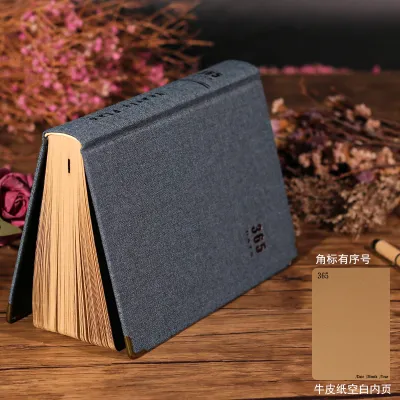
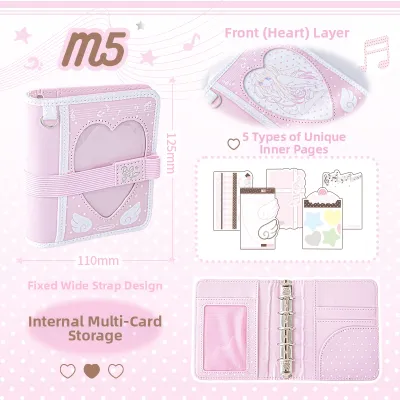
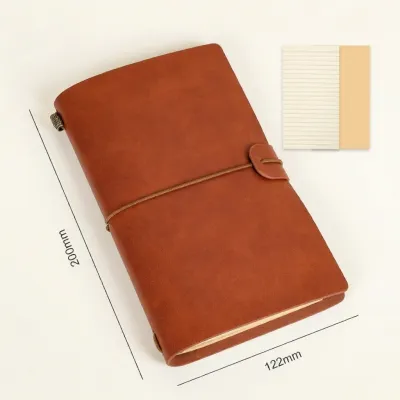
Prices are valid at publication and may change. Please refer to the product page for the latest price.
Understanding Paper Specifications in Diary Books
When browsing for a diary book, the product description or packaging often contains technical terms that can be confusing if you do not know what to look for. Decoding these specifications is the first step toward predicting how the paper will perform under your favorite pens.

Paper Weight (GSM)
The most common specification you will encounter is GSM, which stands for Grams per Square Meter. This measurement indicates the density and thickness of the paper.
- 50 to 70 GSM: This is lightweight paper, often found in high-page-count diaries or specialized daily planners. While it keeps the diary book compact and portable, it is highly prone to ghosting and requires careful pen selection.
- 80 to 90 GSM: This is the standard weight for most high-quality diary books. It offers a balanced compromise between thickness and portability, handling most gel pens and ballpoints with minimal ghosting.
- 100 to 120 GSM: This is heavy, robust paper that provides excellent opacity. It is highly resistant to ink bleeding and is ideal for those who use wetter pens, highlighters, or light artistic media.
- 130 GSM and above: This thick, card-like paper is typically reserved for art journals or sketchbooks. It handles heavy ink and light watercolor washes but makes the diary book significantly bulkier.
Paper Finish and Texture
The finish of the paper refers to its surface texture, which directly influences the physical sensation of writing.
- Coated or Smooth Finish: Some premium papers undergo a calendering process where they are pressed between heavy rollers to create an ultra-smooth surface. This coating slows down ink absorption, allowing the ink to sit on top of the page. This preserves crisp lines and vibrant colors but increases drying time.
- Uncoated or Textured Finish: Often referred to as having "tooth," uncoated paper has a slightly rough, fibrous texture. It absorbs ink almost instantly, which minimizes smudging but can cause wet inks to spread or feather.
Specialized Sizing and Labels
Sizing is a chemical treatment applied during paper manufacturing to regulate how the paper absorbs liquids. Paper with high internal or surface sizing resists water penetration, making it “fountain pen friendly” even at lower weights. When shopping, look for labels that explicitly state the paper is acid-free (which prevents yellowing over time) or optimized for liquid inks.
Key Dimensions for Comparing Diary Paper Quality
To accurately compare different diary books, you need to look past the cover design and focus on how the paper behaves under real-world writing conditions. There are four primary dimensions of paper quality that determine your overall writing experience.
Bleed-Through
Bleed-through is the most disruptive paper defect, occurring when ink penetrates completely through the paper fibers and appears as wet spots or pools on the reverse side. This physical transfer of ink makes writing on the back of the page virtually impossible. Bleed-through is caused by a combination of highly absorbent, low-GSM paper and wet, low-viscosity inks.
Feathering
Feathering occurs when ink spreads horizontally along the paper’s wood fibers, creating fuzzy, spider-web-like edges around your letters instead of clean, sharp lines. This issue ruins the legibility of fine handwriting and is a clear sign that the paper lacks sufficient sizing to control ink spread.
Ghosting
Also known as show-through, ghosting is the visible shadow of your writing seen from the opposite side of the page, even though the ink has not physically broken through the surface. While some writers do not mind a small amount of ghosting, heavy ghosting can make reading your previous entries highly distracting. Ghosting is primarily determined by the opacity and thickness of the paper.
Paper Tooth and Surface Friction
The tactile feedback you feel as your pen moves across the page is determined by the paper’s “tooth.” High-tooth paper provides a satisfying resistance that gives you excellent control over your pen strokes, making it ideal for pencils, ballpoints, and fine-tip gel pens. Conversely, low-tooth, ultra-smooth paper allows your pen to glide effortlessly, reducing hand fatigue during long writing sessions but requiring a steady hand to maintain neatness.
How to Test and Verify Paper Performance Before Committing
Because you cannot always test a diary book before purchasing it, especially when shopping on an online marketplace, you must use a systematic approach to verify paper quality.
Analyzing User Reviews Critically
When browsing online marketplaces or stationery forums, ignore generic five-star ratings and focus on specific search terms. Search the review section for keywords like “bleed,” “ghosting,” “fountain pen,” or “gel.” Look closely at customer-uploaded photos, paying special attention to images showing the back of a written page. This provides a realistic view of how the paper handles different ink volumes.
In-Store Testing Methods
If you are shopping in a physical stationery boutique in Singapore, ask the staff if they have a display model or a sample sheet available for testing. Many specialty stores encourage customers to try their pens on sample pages. Bring your favorite daily writing instruments and test them in an inconspicuous corner of the sample sheet.
Conducting an At-Home Pen Test
Once you receive your diary book, dedicate the very last page or an index page to a comprehensive pen test before committing to your daily journaling.
- The Stroke Test: Write a few sentences using your standard writing pressure with each of your favorite pens.
- The Pause Test: Hold the tip of your wettest pen down on the paper for a full two seconds to simulate a natural pause in writing. This tests the paper's limit against pooling and bleeding.
- The Swatch Test: If you use highlighters or brush pens, draw a solid block of color to see how the paper handles heavy ink saturation.
- The Dry-Time Check: Run your finger across the ink at five-second intervals to determine how long it takes to dry completely, which helps you avoid accidental smudges.
Matching Your Pen and Ink to the Diary Paper
A common mistake is blaming a diary book for poor paper quality when the real issue is an incompatible pen and ink combination. Understanding how different writing instruments interact with paper fibers will help you achieve a flawless writing experience.
Gel Pens and Ballpoints
Standard ballpoint pens use thick, oil-based ink that sits on top of the paper and dries almost instantly. Because ballpoint ink does not easily penetrate paper fibers, it is highly compatible with almost any diary book, including very thin, low-GSM pages. Gel pens use water-based gel ink that is highly pigmented. They offer a smooth glide and vibrant colors, performing exceptionally well on medium-weight (80 to 90 GSM) uncoated paper where the ink can dry relatively quickly without bleeding.
Rollerballs and Liquid Ink Pens
Rollerball pens utilize liquid, water-based ink that flows much more freely than gel or ballpoint ink. This wet delivery system requires a more robust paper surface. If you write with rollerballs, avoid thin or highly absorbent paper, as the liquid ink will rapidly soak into the fibers, causing severe feathering and bleed-through. Opt for diary books with at least 100 GSM paper or those with a smooth, coated finish.
Fountain Pens
Fountain pens require the most specialized paper because they deposit a significant volume of water-based ink onto the page. Standard, untreated paper will act like a sponge, pulling the ink deep into the fibers and causing extreme feathering. To enjoy a fountain pen, you must choose paper with high sizing and a smooth finish, which allows the ink to dry slowly on the surface, preserving the ink’s unique shading and sheen properties.
Decision Framework: Choosing the Right Diary Book
To make your final decision, evaluate your personal writing habits and match them to the correct paper specifications. Use this structured framework to guide your next purchase.
Step 1: Identify Your Primary Writing Instrument
- If you use fountain pens or wet rollerballs: Look for diary books with 90 to 120 GSM paper that explicitly feature a "fountain pen friendly" or "high-sizing" label. Expect longer drying times, and consider keeping a sheet of blotting paper inside your diary.
- If you use quick-dry gel pens or fine-tip ballpoints: A standard 80 GSM uncoated paper is your best choice. It offers a comfortable balance of smoothness, rapid drying, and minimal ghosting.
- If you use pencils or colored markers: Choose a toothy, textured paper (90 GSM or higher) that can grip graphite or handle mild marker saturation without tearing.
Step 2: Consider the Diary's Binding and Construction
The best paper is difficult to use if the diary book does not lie flat. Look for thread-bound, section-sewn, or lay-flat bindings. These construction methods ensure that the book opens completely flat, allowing you to write comfortably across the entire page without fighting a stiff spine.
Step 3: Use This Online Purchase Checklist
Before purchasing a diary book from an online marketplace, verify these key details in the product description:
- GSM Rating: Ensure it is clearly stated (80 GSM is the recommended baseline for general use).
- Page Count: Balance your need for a long-lasting diary with the physical weight and thickness of the book.
- Paper Color: Choose between bright white (which makes ink colors pop) and cream or ivory (which is gentler on the eyes during long writing sessions).
- Ruling Style: Decide whether lined, dotted, grid, or blank pages best suit your layout preferences.
Frequently Asked Questions (FAQ)
Does a higher page count always mean better paper quality in a diary book?
No, a higher page count does not correlate with better paper quality. In fact, to keep a diary book with hundreds of pages portable and manageable, manufacturers often must use thinner, lower-GSM paper (such as 50 to 60 GSM). If you prioritize ink resistance and want to prevent bleeding, a diary book with a moderate page count and thicker paper (80 GSM and above) is generally a much safer choice.
Can I use fountain pen ink in any standard diary book?
No, standard commercial diary paper is typically not designed for fountain pens. Because fountain pen ink is highly liquid, standard paper without specialized sizing will absorb the ink too quickly, leading to severe feathering and bleed-through. For a successful fountain pen experience, always look for diary books that explicitly state they use fountain pen friendly or highly sized paper.
Why does my ink smear even if it doesn't bleed through the paper?
Ink smearing occurs when the paper has a highly smooth or coated surface that resists absorption. While this coating is highly effective at preventing bleed-through and feathering, it forces the wet ink to sit on top of the page rather than soaking in. To prevent smearing on smooth paper, allow extra drying time before closing your diary, use a faster-drying ink formulation, or use a sheet of blotting paper.
Community discussion
Share your experience or ask a question. Comments are reviewed before publication.