
Selecting a cute notebook often begins with an emotional connection to its cover design, but the true value of your purchase is determined by the paper inside. While vibrant illustrations, pastel hues, and whimsical characters make a notebook visually appealing, the paper’s weight, texture, and material composition dictate how it responds to your creative tools. Journaling and sketching demand fundamentally different paper characteristics; what keeps a gel pen gliding smoothly might cause a graphite pencil to smudge or watercolor to warp the page. To find the perfect balance between aesthetic appeal and functional performance, you must look past the cover and evaluate the technical specifications of the paper.
Key Paper Specifications to Check Before Buying
To make an informed decision, you must first understand grams per square meter (GSM), which measures the density and weight of the paper. Standard office paper typically ranges from 70 to 80 GSM, which is highly prone to ghosting—where writing is visible on the reverse side—and bleed-through when using wet inks. For general journaling with ballpoint or gel pens, a notebook with 100 to 120 GSM offers a sturdy feel without making the book excessively bulky. If you plan to use heavy markers, fountain pens, or light watercolor washes, you should seek out notebooks featuring 160 GSM or higher, as this thickness provides the structural integrity needed to resist moisture and heavy saturation.
The raw material of the paper also plays a critical role in how it absorbs ink and graphite. Most mass-market cute notebooks utilize wood pulp paper, which is affordable and highly functional for daily writing but can yellow over time if it is not acid-free. Cotton paper, or wood-cotton blends, offers superior absorption and durability, making it the preferred choice for sketching and mixed media. Cotton fibers are longer and more resilient than wood fibers, allowing the paper to withstand repeated erasing and wet media applications without pilling or tearing.
Products mentioned in this guide
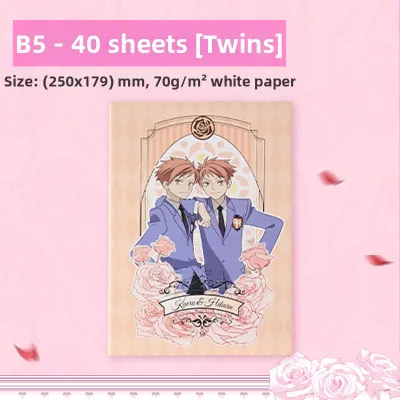
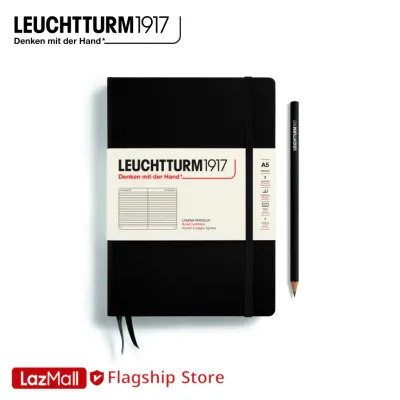
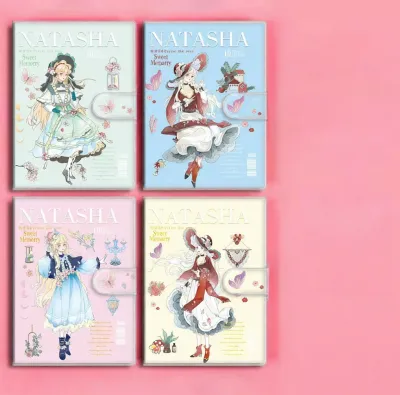
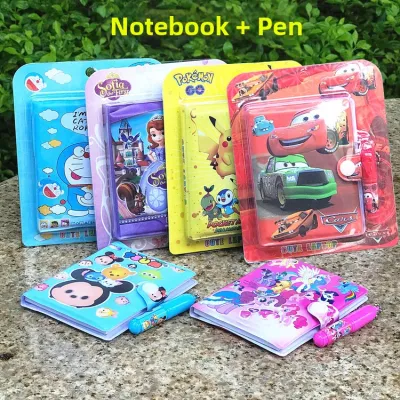
![[SG Stock] A6 Recycled Notebook | Notebook with Pen](https://img.lazcdn.com/g/p/d51a17477c311ea340bb0dc30b685a32.jpg_400x400q80.jpg_.webp)
Prices are valid at publication and may change. Please refer to the product page for the latest price.
Surface texture, often referred to as “tooth,” determines the tactile feedback of your writing or drawing instrument. Smooth paper, such as hot-pressed or highly calendered sheets, allows pens to glide effortlessly across the page with minimal friction, which is ideal for rapid handwriting and precise fine-liner work. Conversely, toothy paper, such as cold-pressed sheets, has a subtle roughness that physically shears off graphite, charcoal, or colored pencil pigments, holding them securely on the surface. Understanding this distinction prevents the frustration of trying to shade on a surface that is too slick, or writing with a fine-liner on a surface that causes the tip to catch and skip.
Paper Performance for Journaling
Journaling is typically a text-heavy activity that relies on consistent ink flow and rapid drying times. When you write with gel pens, rollerballs, or fountain pens, the paper’s sizing—a chemical treatment applied during manufacturing to control absorbency—becomes highly important. If the paper is too absorbent, the ink will spread outward along the fibers, a frustrating phenomenon known as feathering. To maintain crisp, clean lines, journaling paper requires a balanced sizing treatment that allows the ink to sit slightly on the surface while drying quickly enough to prevent smudging as your hand moves across the page.

Bleed-through is another major concern for journalers who enjoy decorating their pages with highlighters, mild-liners, or decorative stamps. When an ink penetrates completely through the paper fibers to the other side, it renders the reverse page virtually unusable. While a 100 GSM paper can easily handle standard ballpoint pens, it may struggle with the heavy, wet pools of ink left by stamps or broad-tipped highlighters. If your journaling style involves layering colors or using wet inks, prioritizing a slightly higher GSM or looking for paper specifically rated as bleed-resistant is essential for preserving the clean look of your layouts.
The color tint of the paper also significantly impacts your long-term journaling experience. Bright white paper provides high contrast, making colorful inks pop, but it can reflect a harsh amount of light, leading to eye strain during extended writing sessions. Cream, ivory, or off-white pages offer a softer, warmer background that is much gentler on the eyes. These warmer tones complement the cozy, personal aesthetic of journaling, though they may slightly alter the perceived color of pastel highlighters or light ink shades.
Paper Performance for Sketching and Mixed Media
Sketching requires a paper surface that can actively grip and hold dry media. When you use graphite pencils, colored pencils, or charcoal, the physical friction between the medium and the paper is what transfers the pigment. A notebook with a slight tooth or grain allows you to build up multiple layers of shading, creating depth and gradient transitions that are difficult to achieve on perfectly smooth paper. Furthermore, sketching paper must possess excellent eraser durability; low-quality wood pulp paper will quickly pill or tear when subjected to friction from a vinyl or kneaded eraser, ruining your hard work.
If your creative process extends into mixed media, including light watercolor washes, gouache, or heavy gluing for collages, standard notebook paper will quickly fail. Wet media causes paper fibers to expand and swell unevenly, resulting in warping, buckling, and a distorted notebook shape. To prevent this, mixed-media artists require thick, high-GSM paper—ideally 160 GSM or above—that has been internally and externally sized to manage water absorption. Without these specific properties, water will pool on the surface, break down the paper fibers, and seep through to ruin subsequent pages.
Alcohol-based markers present a unique challenge for cute notebooks, as the alcohol solvent is designed to penetrate and blend within the paper. This chemical property causes standard paper to bleed through almost instantly, regardless of the GSM. If you love using vibrant alcohol markers for your illustrations, you must look for notebooks that feature specialized marker paper with a protective barrier coating, or accept that you will need to use a loose protective sheet behind your active page to shield the rest of the notebook.
How to Evaluate and Test Notebook Paper
Because you cannot always test a notebook before purchasing it, especially when shopping on online marketplaces or specialty stationery websites, reading the product specifications carefully is your first line of defense. Look for explicit mentions of GSM, paper material, and whether the paper is acid-free, which ensures your sketches and journal entries will not yellow or degrade over decades. If a product listing only focuses on the cute cover design and completely omits the paper specifications, it is highly likely the notebook contains standard, low-weight paper suited only for basic ballpoint writing.
Once you have purchased a new notebook, conducting a localized pen test is the most reliable way to verify its compatibility with your favorite tools. Turn to the very last page of the notebook, which is often left blank, and draw small sample lines using every pen, marker, highlighter, and pencil you plan to use. Write down the name of each tool, allow the ink to dry completely, and then inspect the page for drying speed, feathering, and ghosting. Flip the page over to check for any signs of bleed-through, giving you a clear, risk-free map of which tools are safe to use throughout the rest of the book.
Beyond the paper itself, you must evaluate the notebook’s binding flexibility to ensure a comfortable creative experience. A high-quality notebook should feature a lay-flat binding, often achieved through section-sewn or thread-bound construction, which allows the book to open completely flat at a 180-degree angle. This is particularly crucial for sketching, as it enables you to draw seamless, double-page spreads without fighting a stiff spine or struggling to write near the center gutter. Avoid stiff, glued bindings that force you to constantly hold the pages down with your hand, as this quickly becomes tiring during long journaling or drawing sessions.
Decision Framework: Choosing the Right Cute Notebook
To select the ideal cute notebook, you must weigh your primary creative activities against the physical limitations of different paper types. If your daily routine consists of rapid text logging, planning, and light decorating with gel pens and highlighters, prioritize a notebook that emphasizes paper smoothness and a moderate weight of 100 to 120 GSM. This combination ensures your pen glides effortlessly for comfortable writing, while keeping the overall notebook slim, lightweight, and easy to carry in your bag.
If your passion lies in drawing, shading, and detailed illustrations using pencils, charcoal, or ink fine-liners, your priority should shift toward paper texture and weight. Seek out notebooks with a distinct tooth to grip dry pigments, and opt for a higher weight of 140 to 160 GSM to support heavy erasing and prevent ink ghosting. For those who wish to combine both worlds—dense text journaling alongside wet mixed media or marker illustrations—verifying a robust, thread-bound lay-flat binding and a heavy, coated paper stock is essential to prevent the notebook from warping and falling apart over time.
Frequently Asked Questions (FAQ)
Does a higher page count always mean better paper quality?
No, a higher page count does not correlate with superior paper quality, and in many cases, the opposite is true. To keep a notebook at a manageable thickness and weight, manufacturers must use thinner, lower-GSM paper when offering a high number of pages. A notebook with 300 pages will almost certainly feature thin paper that is highly prone to ghosting and bleed-through. When evaluating durability and performance, you should always prioritize the GSM rating and paper material over the sheer quantity of pages.
Can I use fountain pens in standard cute notebooks?
Using fountain pens in standard cute notebooks is generally risky unless the paper is explicitly specified as fountain-pen friendly. Standard uncoated paper often lacks the necessary surface sizing to control wet fountain pen inks, leading to severe feathering and immediate bleed-through. To enjoy a smooth fountain pen experience, look for notebooks that feature hard, smooth, and well-sized paper, which allows the ink to dry slowly on the surface and showcases the unique shading and sheen of your inks.

Community discussion
Share your experience or ask a question. Comments are reviewed before publication.