
When preparing for a major move, the reliability of your packing tape determines whether your belongings arrive intact or scattered across a moving truck. In Singapore’s warm and highly humid climate, tape failure is a common frustration. Many homeowners and renters assume that all clear tapes are identical, only to find flaps peeling open hours after packing. To secure heavy moving boxes reliably, you must look past brand marketing and evaluate the physical specifications of the tape, matching the adhesive chemistry to your specific storage and transit conditions.
Core Specifications to Verify on Brand Packaging
To select a tape that will not peel under the weight of heavy household items, you must learn to read the technical specifications printed on the packaging or manufacturer data sheets. The most critical metric is tape thickness, which is typically measured in mils (thousandths of an inch) or microns. Standard utility tape often measures around 1.6 to 1.9 mils (40 to 48 microns). For heavy boxes weighing over 15 kilograms, you should look for heavy-duty tapes with a thickness of at least 2.5 to 3.0 mils (63 to 76 microns). Thicker tape provides the structural integrity needed to resist stretching and tearing under load.
The backing material of the tape also dictates its performance under stress. The most common backing is Biaxially Oriented Polypropylene (BOPP), a plastic film stretched in both directions to increase its toughness and clarity. While standard BOPP is excellent for general sealing, exceptionally heavy or fragile loads benefit from reinforced backing. Filament tape, which embeds fiberglass strands along the length of the backing, offers extreme tensile strength. This prevents the tape from splitting even if a sharp object punctures the box or if the cardboard flexes significantly during transport.
Products mentioned in this guide
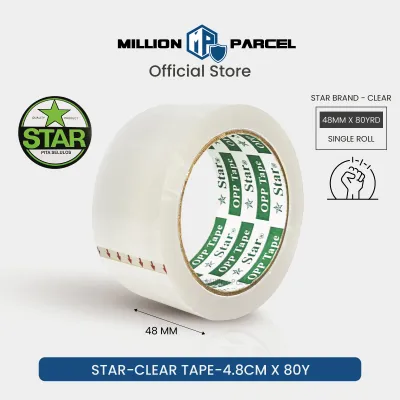
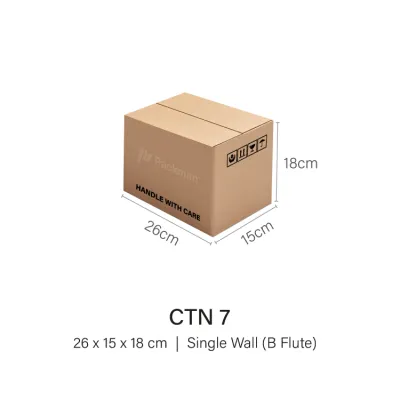
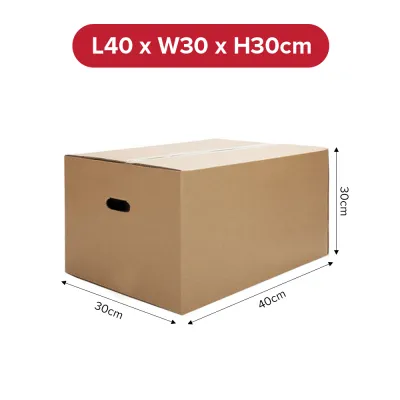
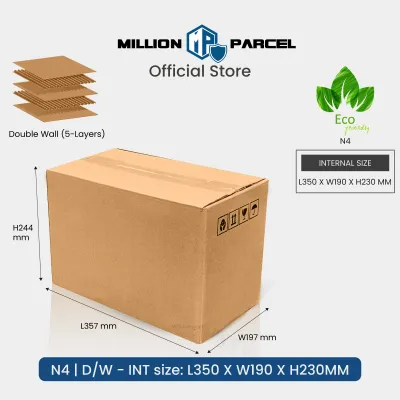
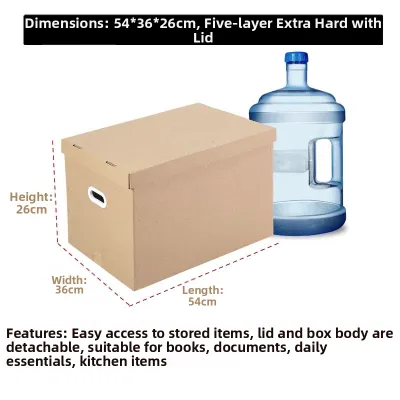
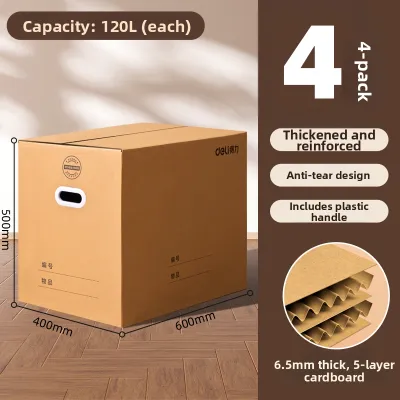
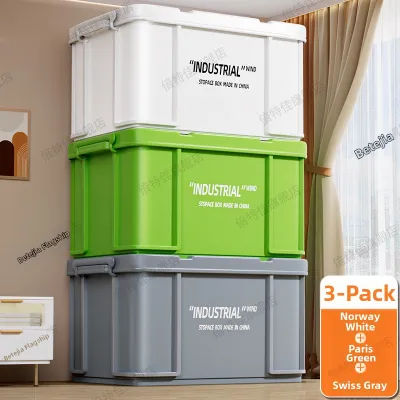
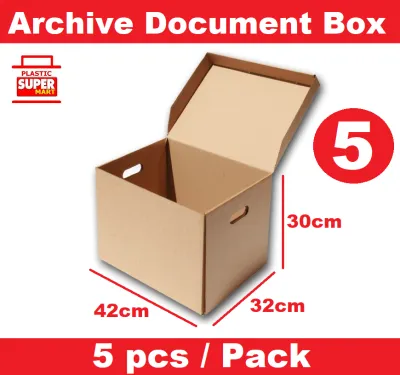
Prices are valid at publication and may change. Please refer to the product page for the latest price.
Tensile strength and elongation are two additional specifications that define a tape’s limits. Tensile strength measures the amount of force required to break a strip of tape, usually expressed in pounds per inch or Newtons per centimeter. For heavy-duty moving, aim for a tensile strength of at least 30 pounds per inch. Elongation represents how much the tape can stretch before breaking. A moderate elongation percentage allows the tape to absorb shocks when boxes are stacked or shifted, preventing sudden snaps. Always verify these metrics on the product label rather than relying on generic heavy-duty marketing terms.
Comparing Adhesive Types for Heavy Box Sealing
The adhesive formulation applied to the backing material determines how quickly the tape bonds to cardboard and how long that bond lasts. Packing tapes primarily use either hot melt (synthetic rubber) or acrylic adhesives, each possessing distinct chemical properties that react differently to environmental factors.

Hot melt adhesives, also known as synthetic rubber adhesives, are highly favored for their exceptional initial tack. This means the tape bonds almost instantly to the cardboard surface upon contact, requiring minimal pressure to create a strong seal. This quick-stick property is highly efficient for fast-paced packing environments. However, synthetic rubber is sensitive to temperature fluctuations and prolonged UV exposure. In non-climate-controlled environments, extreme heat can soften the rubber, causing the adhesive to shear and slide off the box flaps over time.
Acrylic adhesives, conversely, rely on a water-based or solvent-based chemical structure that cures over time. While acrylic tape may not feel as sticky to the touch immediately upon application, its bond strength increases over the first 24 hours. Acrylic adhesives offer superior resistance to ultraviolet light, oxidation, and high humidity. This makes them the ideal choice for Singapore’s tropical climate, especially if your packed boxes will sit in a self-storage unit, warehouse, or shipping container without climate control for weeks or months.
To help you decide between these two primary adhesive types, consider the following comparison matrix:
| Performance Metric | Hot Melt (Synthetic Rubber) | Acrylic Adhesive |
|---|---|---|
| Initial Tack (Quick Stick) | Very High (Bonds instantly) | Moderate (Cures over time) |
| Long-Term Holding Power | Moderate (Can degrade over months) | High (Resists aging and drying) |
| Humidity Resistance | Moderate | High (Ideal for tropical climates) |
| Temperature Tolerance | Best in moderate temperatures | Excellent in extreme heat or cold |
| Ideal Moving Scenario | Immediate moves, dry conditions | Long-term storage, humid transit |
Surface Preparation and Application to Prevent Peeling
Even the highest-quality tape will fail if applied incorrectly or onto an unsuitable surface. Cardboard boxes are not uniform; their surface texture, cleanliness, and material composition heavily influence adhesive performance. Recycled cardboard, which is increasingly common for environmental and cost reasons, features shorter, looser wood fibers than virgin cardboard. These loose fibers can easily detach from the box surface, sticking to the tape’s adhesive and causing it to peel away. Dust, moisture, and wax coatings also act as barriers, preventing the adhesive from making direct contact with the paper fibers.
To ensure a secure bond, always wipe down the box flaps with a dry cloth to remove any dust or debris before applying tape. If you are reusing boxes, ensure they are completely dry, as moisture will ruin both hot melt and acrylic adhesives. When sealing heavy boxes, utilize the “H-taping” method rather than a single strip down the middle. This technique involves applying a long strip across the center seam, extending at least 7 to 10 centimeters down the sides of the box, and then applying additional strips along the open side edges of the flaps. This seals all exposed seams, forming an “H” shape that prevents dust from entering and distributes the weight load evenly across the entire box structure.
Finally, remember that packing tapes are pressure-sensitive adhesives. Simply laying the tape across the cardboard is insufficient to create a permanent bond. You must apply firm pressure along the entire length of the tape to force the adhesive into the microscopic pores of the cardboard. This can be done using the rubber roller of a professional tape dispenser or by firmly rubbing the tape with your hand or a clean cloth. This process, known as burnishing, activates the adhesive and ensures maximum surface contact, significantly reducing the risk of peeling.
Decision Framework: Selecting the Right Tape Tier
To streamline your purchasing decision, evaluate your specific moving timeline, storage conditions, and box weights against this structured framework.
Choose standard BOPP hot melt tape if your boxes weigh under 10 kilograms, your move is scheduled to occur immediately, and your packed items will remain in climate-controlled environments. This option provides fast, easy application for quick turnarounds where long-term adhesive degradation is not a concern.
Choose heavy-duty acrylic tape if your boxes are heavy (10 to 25 kilograms), will be stacked on top of one another, or must endure storage in non-climate-controlled spaces. The superior humidity and heat resistance of acrylic ensures the flaps remain sealed even during prolonged exposure to Singapore’s ambient air.
Choose reinforced filament tape if you are packing exceptionally heavy items, such as books, tools, or kitchenware exceeding 25 kilograms, or if you are sealing oversized, irregular boxes. The fiberglass reinforcement prevents the tape from stretching or splitting under extreme outward pressure from the box contents.
Before finalizing your purchase, verify the cardboard type of your moving boxes. If you are using highly recycled, rough, or wax-coated boxes, standard tapes may struggle to adhere. In such cases, perform a quick test patch with a small strip of tape on an inconspicuous area of the box. If the tape peels away easily with minimal effort, you will need to source specialized high-tack packaging tapes designed specifically for recycled fibers. Spending an extra S$5 to S$10 on the correct grade of tape can prevent catastrophic box failures and protect your valuable belongings.
Frequently Asked Questions (FAQ)
Can I use regular office tape or masking tape for moving boxes?
No, regular office tape and masking tape are entirely unsuitable for moving boxes. Office tapes lack the necessary width, thickness, and tensile strength to hold heavy cardboard flaps together under stress. Masking tape is designed for temporary application and clean removal; its adhesive is weak, and its paper backing tears easily under minimal shear force, leading to immediate box failure.
Does the color of the packing tape indicate its strength?
No, the color of packing tape does not indicate its strength or quality. While some manufacturers use colored backings (such as tan, brown, or clear) to help users distinguish between different product lines, the color pigment itself does not alter the tape’s physical properties. Always check the technical specifications, such as thickness and adhesive type, rather than relying on color.
How long can packed boxes sit in storage before the tape degrades?
The lifespan of your tape seal depends heavily on the adhesive type and storage environment. In a humid, non-climate-controlled space, standard hot melt tape can begin to degrade and peel within a few weeks to a couple of months. High-quality acrylic tape, however, can maintain its bond for several years under the same conditions, as it resists drying out and oxidation.
Community discussion
Share your experience or ask a question. Comments are reviewed before publication.