
Selecting the perfect 2027 planner is a deeply personal decision, and the foundation of that decision lies in the quality of the paper. With a new year of scheduling, goal-setting, and journaling on the horizon, finding a notebook that handles your daily writing tools without frustrating ink issues is essential. The “best” paper quality is not a universal standard; rather, it is a subjective match between your preferred writing instruments and the physical properties of the page.
To make an informed choice, you must look beyond marketing buzzwords like “premium” or “luxury” and focus on measurable characteristics. The ideal planner paper should complement your daily routine, whether you prefer the expressive shading of a fountain pen, the clean lines of a gel pen, or the quick convenience of a ballpoint. By understanding how paper weight, texture, and coating interact with different inks, you can confidently select a 2027 planner that remains clean, legible, and enjoyable to use all year long.
What Defines Good Paper Quality in a Planner?
When evaluating paper quality for your 2027 planner, the first specification you will encounter is paper weight, measured in grams per square meter (GSM). While it is a common belief that thicker paper is always superior, GSM only tells part of the story. A higher GSM, such as 100 or 120, generally indicates a thicker, more substantial page that resists ink absorption and minimizes show-through. However, thin papers around 52 to 68 GSM can also offer exceptional ink resistance if they have undergone proper surface sizing and coating during manufacturing.
Products mentioned in this guide
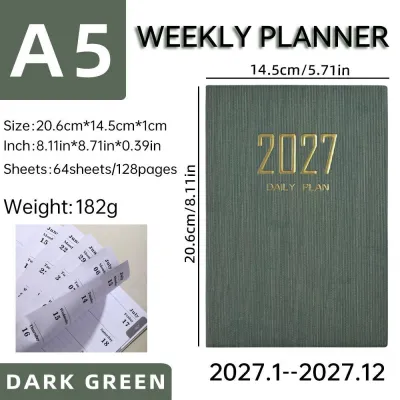
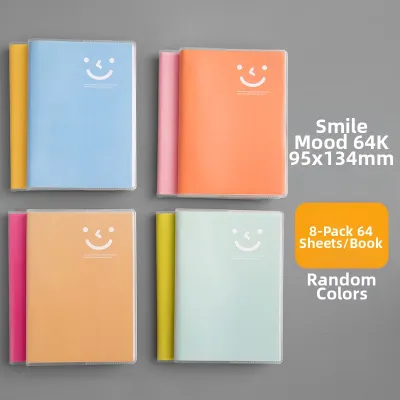
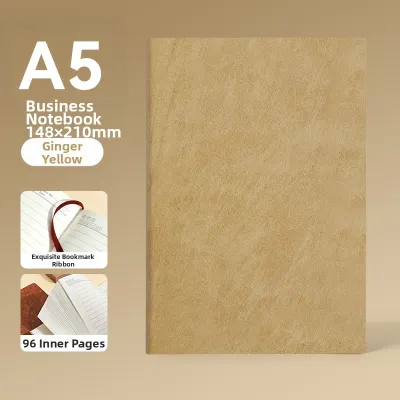
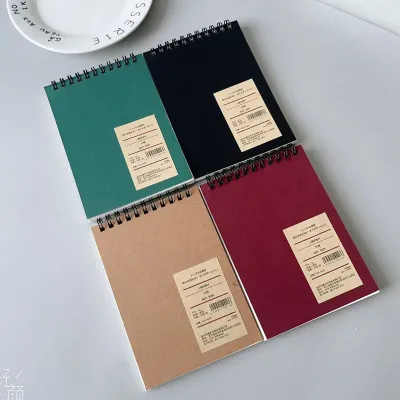
Prices are valid at publication and may change. Please refer to the product page for the latest price.
Surface coating and texture play an equally critical role in your overall writing experience. Uncoated paper has a natural, slightly rough texture often referred to as “tooth.” This texture provides tactile feedback and helps pull ink from your pen, which is excellent for control but can cause wet inks to spread. Coated paper, on the other hand, features a microscopic sealant layer that keeps ink on the surface rather than letting it soak into the fibers. You can easily evaluate this in a physical store by performing a simple finger glide test: gently run your fingertip across the page to feel if it is slick and glassy or slightly textured and fibrous.
Finally, you must distinguish between opacity and ghosting when assessing paper performance. Opacity refers to how much light passes through the sheet, which determines whether you can see the shadow of your writing on the other side—a phenomenon known as ghosting. Ghosting is common in thin, highly coated papers and is generally considered acceptable by many planners who value a lightweight notebook. Bleed-through, however, occurs when ink actually penetrates the paper fibers and pools on the reverse side, rendering that page unusable. True paper quality is defined by its ability to prevent bleed-through, regardless of how much ghosting occurs.
Matching Paper Traits to Your Favorite Pens and Inks
Your choice of writing instrument should directly dictate the paper specifications of your 2027 planner. If you prefer fountain pens, dip pens, or wet rollerballs, you require paper that is highly resistant to feathering—the feather-like spreading of ink along paper fibers. Look for planners that specify the use of highly coated, ink-resistant papers, which are often labeled as fountain pen friendly. These papers allow wet inks to pool slightly on the surface, preserving the crisp edges of your handwriting and showcasing unique ink properties like shading and sheen.

For those who rely on gel pens and standard rollerballs, the challenge is balancing surface smoothness with drying speed. Gel ink is water-based and requires a brief moment to dry on the page to prevent smudging, especially for left-handed writers. If you choose a highly coated paper, the ink may sit on top of the page too long, leading to accidental smears during rapid note-taking. A semi-coated or high-quality uncoated paper between 80 and 100 GSM offers the ideal middle ground, absorbing the ink quickly enough to dry within seconds while maintaining a smooth glide.
If your daily planning involves quick scheduling with ballpoint pens, fine-liners, or pencils, you will likely prefer a slightly toothier, uncoated paper. Ballpoint pens rely on friction to roll the internal ball and transfer oil-based ink, meaning they can slip or skip on overly slick, coated surfaces. A paper with a natural texture provides the necessary resistance for consistent ink flow and gives you greater physical control over your pen strokes. Fine-liners also perform beautifully on these surfaces, as their felt tips grip the paper without sliding, though you should verify that the paper is thick enough to prevent the intense pigment of fine-liners from bleeding.
Which Paper Type Fits Your 2027 Planning Style?
Your daily planning habits and the physical format of your planner will help narrow down the ideal paper category. If you plan to use your notebook for double-sided journaling, elaborate weekly layouts, or creative watercolor washes, you should prioritize highly coated, premium papers. These papers are designed to handle heavy ink coverage without compromising the integrity of the page. While they may exhibit some ghosting due to their thinness, they ensure that your layouts remain clean and free from destructive bleed-through.
If you need a practical, everyday planner for quick task lists, meeting notes, and casual scheduling, a standard 80 to 100 GSM smooth paper is the most versatile choice. This category offers a reliable balance of cost, availability, and performance across a wide range of common pens. Planners in this range are widely available in Singapore retail shops and online marketplaces, making them easy to source. The paper is thick enough to minimize both ghosting and bleeding, allowing you to write comfortably on both sides of the page with standard gel and ballpoint pens.
For those who prioritize sustainability or prefer a highly tactile writing experience, recycled or uncoated textured paper is an excellent alternative. Recycled papers often feature a unique, slightly off-white or cream tone that is gentle on the eyes under bright office lights. Because these papers are uncoated, they are highly absorbent and pair best with pencils, ballpoints, and dry fine-liners. While you may experience more noticeable ghosting or slight feathering with wet inks, the organic feel and environmental benefits make it a rewarding choice for minimalist planning styles.
Before making your final purchase, always verify the manufacturer’s specifications on the packaging or official product listings. Look for explicit details regarding the paper’s origin, GSM, and any specific ink compatibility recommendations. Many premium planner brands will openly state if their paper is optimized for fountain pens or if it features a proprietary coating. If a manufacturer does not disclose these details, it is safer to assume the paper is a standard uncoated variety, which may require more cautious pen selection.
How to Test and Verify Paper Quality Before Buying
To ensure your 2027 planner performs flawlessly throughout the year, you should actively verify the paper quality before committing to a purchase. Start by carefully reading the product labels and official brand websites. Look for technical specifications such as the paper’s weight, fiber composition (such as wood pulp or cotton blend), and surface treatment. If you are shopping in a physical stationery store in Singapore, inspect the sample planners on display to observe the paper’s color, thickness, and texture firsthand.
If you have already purchased a notebook or have access to a sample, perform a physical ink test on an inconspicuous area, such as a designated swatch card or the very last page of the planner. Write a few words using each of your favorite pens, varying your writing speed and pressure. Observe how long the ink takes to dry, whether the lines remain crisp or begin to feather, and if any ink bleeds through to the other side. This hands-on test is the most reliable way to guarantee compatibility with your specific writing style.
When shopping online where physical testing is impossible, leverage the collective experience of the stationery community. Search online marketplaces, specialized stationery forums, and social media groups for user-generated reviews of the specific 2027 planner you are considering. Look closely for user-uploaded photos of the reverse side of the pages, as these real-world images provide honest evidence of how the paper handles different pens. By combining manufacturer specifications with community feedback, you can confidently select a planner that will keep your thoughts organized and beautifully preserved all year.

Community discussion
Share your experience or ask a question. Comments are reviewed before publication.