
Quick Answer: Selecting the Best Paper for Daily Handwriting Practice
Finding the ideal notebook for daily handwriting practice (字帖) requires balancing your writing instrument with the paper’s physical characteristics. There is no single brand that works perfectly for every writer, as the final result depends entirely on how a specific ink interacts with a particular paper surface.
To make the right choice, you must evaluate your primary writing tool. If you practice with a wet-flowing fountain pen, your priority is a highly sized, dense paper that resists feathering and bleed-through. If you prefer gel pens or brush pens, you need a surface that balances smoothness with a fast drying time to prevent smudging.
The optimal decision path involves matching your pen’s ink delivery rate to the paper’s weight and surface treatment. By understanding these specifications, you can systematically compare different notebook brands and select a paper that supports consistent, clean strokes without frustrating ink issues.
Products mentioned in this guide
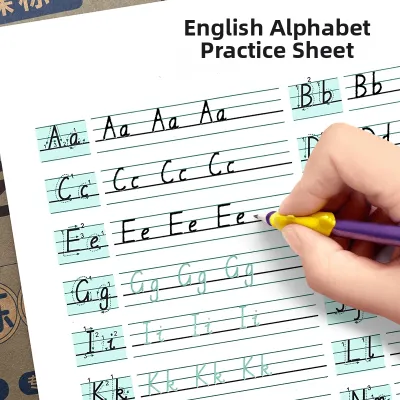
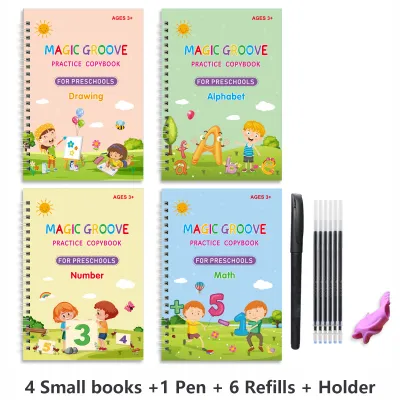
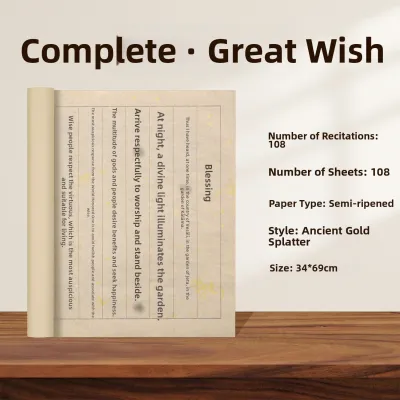
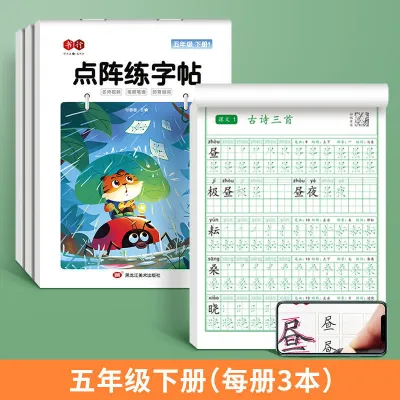
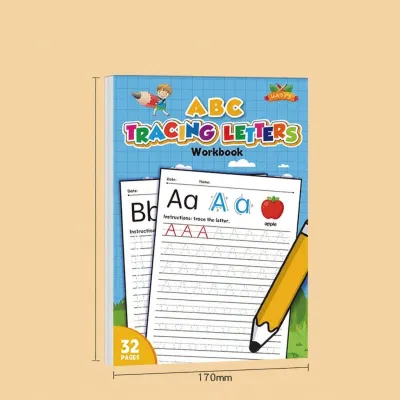
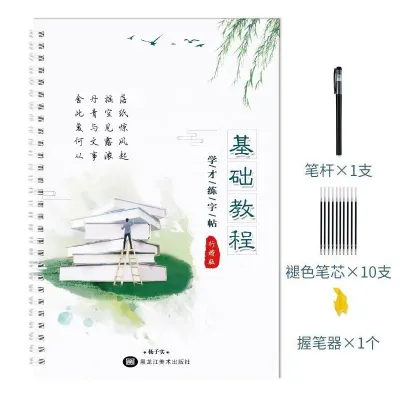
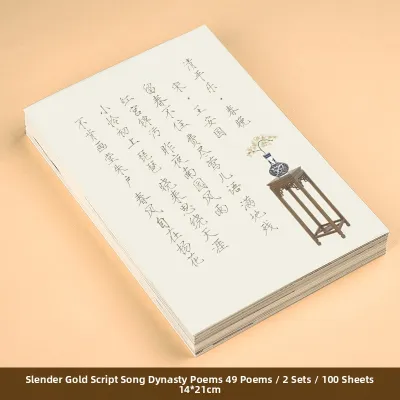
Prices are valid at publication and may change. Please refer to the product page for the latest price.
Core Paper Specifications to Check for Copybook Use
When comparing notebook brands for handwriting copybooks, the manufacturer’s specification sheet is your first line of defense. The most common metric you will encounter is paper weight, measured in grams per square meter (GSM). For daily handwriting practice, paper weight typically ranges from 50 GSM to over 120 GSM.

While a higher GSM generally indicates a thicker sheet, weight alone does not guarantee resistance to ink bleed-through. Bleed-through occurs when ink penetrates completely through the paper fibers to the reverse side, whereas ghosting refers to the shadow of the writing visible on the back. To minimize both, look for notebooks with a weight of at least 80 GSM to 100 GSM, which provides a reliable physical barrier for most standard inks.
Beyond weight, surface sizing is the critical factor that determines how paper handles liquid ink. Sizing is a chemical treatment applied during manufacturing that regulates how much liquid the paper absorbs. Highly sized paper keeps the ink on the surface, allowing it to dry slowly and maintain sharp, crisp edges. Unsized or lightly sized paper acts like a sponge, causing the ink to spread outward along the fibers—a phenomenon known as feathering.
The smoothness of the paper also dictates your level of stroke control. Extremely smooth, coated papers allow pens to glide effortlessly, which is excellent for rapid cursive or brush lettering. However, some writers prefer a slight texture, often referred to as “tooth.” A paper with moderate tooth provides tactile feedback, helping you control the speed and direction of your pen strokes during precise print or calligraphy practice.
Finally, consider the paper’s color and optical brightness. Bright white papers offer high contrast, making your ink colors stand out vividly. However, highly reflective white surfaces can cause significant eye strain during extended practice sessions under bright desk lamps. Cream, ivory, or off-white papers soften this contrast, providing a more comfortable background for long periods of focused handwriting.
Matching Notebook Paper to Your Handwriting Tools
Selecting the right paper requires a clear understanding of how different writing instruments deposit ink onto the page. The physical interaction between the pen tip, the ink formulation, and the paper fibers determines whether your practice session is smooth and satisfying or messy and frustrating.
Fountain Pens and Liquid Inks
- Sizing Requirement: High surface sizing is essential to keep liquid ink from spreading and feathering.
- Nib Considerations: Fine nibs are more forgiving, while broad or flex nibs demand denser paper to prevent bleed-through.
Fountain pens deliver a continuous flow of water-based liquid ink, which places the highest demand on notebook paper. To prevent feathering and bleed-through, you must select paper with robust surface sizing and a dense fiber structure.
When a paper lacks sufficient sizing, you will observe the ink spreading into fuzzy, spiderweb-like patterns almost immediately after the nib touches the page. In severe cases, the ink will pool on the surface or soak straight through to the next sheet. To avoid this, look for notebooks specifically labeled as fountain-pen friendly, which typically feature specialized sizing treatments that handle wet ink delivery.
Furthermore, the nib size of your fountain pen plays a significant role in paper selection. Fine (F) and Extra Fine (EF) nibs deposit less ink, allowing you to use slightly lighter or less sized papers without immediate bleed-through. Broad (B) nibs, stub nibs, and flexible nibs deposit a much larger volume of liquid, requiring highly sized, premium papers to keep the ink contained on the surface.
Gel Pens, Ballpoints, and Brush Pens
- Drying Time: Matte or uncoated surfaces help gel ink dry faster to prevent smudging.
- Tip Protection: Smooth paper prevents flexible brush tips from fraying prematurely.
Gel pens and ballpoints use more viscous inks that dry relatively quickly, making them highly compatible with a wider variety of notebook papers. For these tools, your primary focus shifts from preventing bleed-through to managing drying times and stroke control.
If you practice with a gel pen or a wet brush pen, a paper that is too smooth or highly coated can cause the ink to sit on the surface for too long. This increases the risk of smudging your work as your hand moves across the page. For these instruments, a medium-weight paper with a slightly matte finish offers the ideal balance, absorbing the ink quickly enough to prevent smudges while remaining smooth enough to protect your pen tips from excessive wear.
Brush pens, especially those with flexible felt or synthetic fiber tips, require a smooth surface to prevent premature fraying. Rough paper acts like sandpaper on delicate brush tips, degrading their shape and reducing your ability to execute clean, sharp transitions between thick and thin lines. Therefore, look for smooth, uncoated papers that offer low friction while still absorbing the ink at a moderate rate.
How to Test and Verify Paper Quality Before Committing
Because paper performance is highly dependent on your specific pen and ink combination, testing the paper yourself is the most reliable way to ensure compatibility. When shopping in physical stationery stores, look for display models or sample sheets provided for customer testing.
To conduct an effective in-store test, bring the exact pen and ink you plan to use for your daily copybook practice. Write a few sample strokes, including a mix of fast lines, slow deliberate curves, and a small colored-in block to pool a tiny amount of ink. Observe the edges of the lines immediately: they should remain sharp and clean without any fuzzy spreading. Turn the page over to check for physical bleed-through and visual ghosting under the store’s lighting.
When shopping online, you must rely on product descriptions, user reviews, and manufacturer specifications. Look closely for mentions of paper weight (GSM), surface finishes (such as “satin,” “matte,” or “smooth”), and explicit compatibility statements regarding fountain pens or wet inks. Read user reviews specifically written by calligraphers or fountain pen enthusiasts, as they often share detailed observations about ink behavior on that specific paper.
If a notebook’s product description lacks clear specifications—such as omitting the GSM or failing to mention whether the paper is coated or sized—it is best to proceed with caution. If you are considering a bulk purchase for long-term practice, stop and contact the manufacturer or the retailer directly to clarify the paper’s technical details. If they cannot provide clear specifications or if the information remains conflicting, consider purchasing a single pocket-sized notebook from the brand to run your own physical tests before investing in a larger format.
Additionally, pay attention to the binding method of the notebook. For handwriting practice, a notebook that lies completely flat is essential. Thread-bound or lay-flat bindings allow you to write comfortably across the entire page without fighting a raised spine, which can disrupt your hand positioning and stroke consistency. Spiral-bound notebooks are also a practical option, provided the coils do not interfere with your writing hand.
Frequently Asked Questions (FAQ)
Can I use both sides of a thick copybook notebook without ink showing through?
- Ghosting vs. Bleed-Through: Ghosting is a visual shadow, while bleed-through is physical ink penetration.
- Usability Check: Place the written page flat on a desk; if only a faint shadow is visible, the reverse side is usable.
Whether you can comfortably write on both sides of a page depends on the distinction between ghosting and bleed-through. Ghosting is the visual shadow of your writing visible through the paper, which is common even on high-quality, thin papers. Bleed-through is the physical penetration of ink to the other side, which makes writing on the reverse side impossible.
To determine if the reverse side is usable, perform a simple visual check. Write a line of text using your standard practice pen, then flip the page and place it flat on your desk under your normal writing light. If you only see a faint shadow (ghosting) but no actual ink spots (bleed-through), the reverse side is perfectly usable. If the shadow is too distracting, placing a dark sheet of paper or a writing mat (shitajiki) directly behind the page can help minimize the visual distraction.
Does paper quality degrade over time if the copybook is stored for years?
- Climate Impact: High humidity can break down paper sizing, making it more absorbent over time.
- Storage Solution: Store notebooks in a cool, dry place away from direct sunlight, using silica gel packets if necessary.
Yes, paper is an organic material that is highly sensitive to environmental conditions, which can degrade its quality over time. In warm, humid climates like Singapore’s, high moisture levels in the air can gradually break down the paper’s surface sizing, making it more absorbent and prone to feathering even if it performed perfectly when new.
To preserve your copybooks for years of practice, store them in a cool, dry place away from direct sunlight, which can cause the paper to yellow and become brittle. Avoid storing notebooks directly against external walls where moisture can accumulate. Using airtight storage boxes with silica gel packets can help regulate humidity, ensuring the paper retains its original sizing and texture for your future handwriting sessions.
Community discussion
Share your experience or ask a question. Comments are reviewed before publication.