
Finding a note pad that prevents ink bleed-through and feathering depends heavily on the interaction between paper weight, surface coating, and your specific writing instrument. While many brands market their notebooks as “premium,” true paper quality for your needs is determined by matching the paper’s physical properties to your pen’s ink flow. Fountain pens and markers require specialized paper treatments, whereas standard ballpoints are forgiving on most everyday note pads. This guide provides the criteria to evaluate paper specifications and test compatibility before committing to a specific brand.
In a humid tropical climate like Singapore, paper naturally absorbs ambient moisture from the air over time. This absorbed moisture can alter how ink behaves, often accelerating feathering or extending dry times on coated papers. Understanding how different paper types interact with your writing tools is the key to avoiding smudged notes and ruined pages.
Understanding Paper Weight and Surface Coating
Paper weight is measured in grams per square meter, commonly abbreviated as GSM. This metric indicates the density and thickness of the paper sheet. Standard office copy paper typically ranges from 70 to 80 GSM, which is functional for basic tasks but highly susceptible to ink penetration. For everyday writing, note pads featuring 80 to 100 GSM offer a more robust barrier against ink, while premium options exceeding 100 GSM provide the structural integrity needed for heavy ink applications.
Products mentioned in this guide
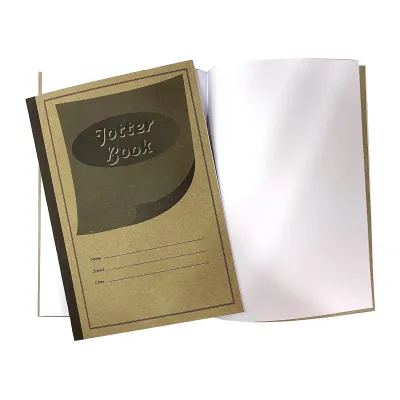
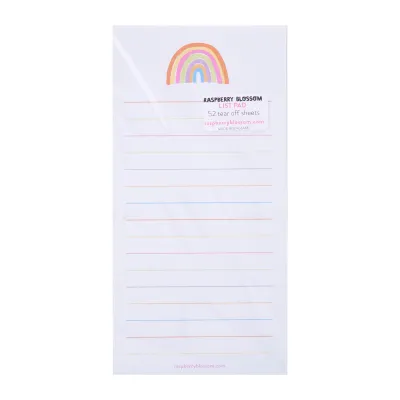
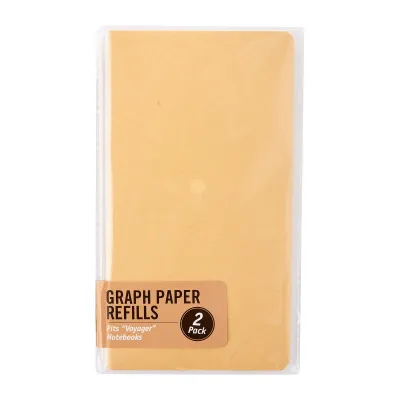
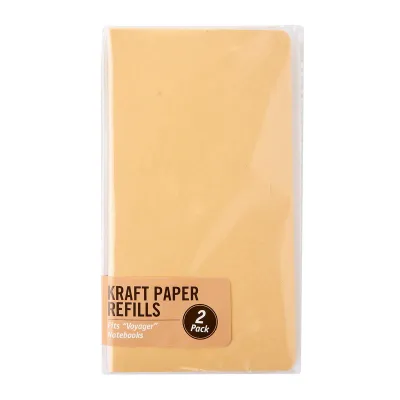
Prices are valid at publication and may change. Please refer to the product page for the latest price.
However, GSM alone does not determine how well a paper resists ink. The surface treatment, specifically sizing and coating, plays an equally critical role in ink behavior. Sizing involves adding substances like starch or gelatin to the paper fibers during manufacturing to control absorbency. Unsized paper acts like a sponge, drawing ink deep into the fibers and causing the edges of your writing to look fuzzy—a phenomenon known as feathering.
Coated papers, on the other hand, feature a thin layer of clay, wax, or polymer on the surface. This coating prevents the ink from immediately sinking into the paper fibers, keeping the ink pooled on top until it dries. While this preserves sharp lines and vibrant colors, it also significantly extends drying times. If you write quickly or leave your notebook open in humid conditions, these slow-drying pools of ink are highly prone to smudging.
When shopping for a new note pad, it is important to look beyond generic marketing terms. Labels such as “ink-proof,” “bleed-resistant,” or “premium grade” are subjective and lack industry standardization. Instead of relying on these claims, look for specific technical details like GSM ratings, coating descriptions, and verified user feedback regarding specific pen types.
Matching Note Pad Paper to Your Preferred Pen Type
Selecting the right note pad requires analyzing the specific ink delivery system of your favorite writing instruments. Different pens require different paper characteristics to perform optimally.

Fountain Pens and High-Flow Gel Pens
Fountain pens and high-flow gel pens utilize liquid, water-based inks that flow generously onto the page. To handle this high volume of liquid without bleeding through to the next page, you generally need paper with a higher GSM threshold, typically starting at 85 GSM or above. Additionally, look for papers that explicitly mention hard-sizing or specialized coatings designed to resist water-based inks.
The primary trade-off with highly coated, fountain-pen-friendly paper is the relationship between ink appearance and dry time. Coated surfaces allow specialized inks to display unique properties like shading (color variation) and sheen (a metallic surface reflection). However, because the ink sits on top of the coating, it can take several minutes to dry completely, especially in humid environments. If you need to take rapid notes and close your notebook immediately, a highly coated paper may cause frustrating smudges.
To find a compatible match, verify the manufacturer’s technical specifications for ink resistance. Do not assume that an expensive notebook will automatically handle fountain pen ink well, as some luxury brands prioritize paper softness and texture over ink resistance.
Ballpoint, Rollerball, and Standard Gel Pens
Standard ballpoint pens use thick, oil-based inks that dry almost instantly upon contact with the paper. Because these inks do not saturate the paper fibers, ballpoints are incredibly forgiving and perform exceptionally well on almost any standard note pad, including budget-friendly 70 GSM options. You do not need specialized coatings or heavy paper weights to enjoy a clean writing experience with a ballpoint.
Rollerball pens, however, use liquid ink similar to fountain pens but deliver it through a rolling ball mechanism. This combination can cause issues on highly absorbent, uncoated paper, leading to moderate feathering and ghosting. If you prefer rollerballs or standard gel pens, aiming for a mid-range paper weight of 80 to 90 GSM with light surface sizing will provide a much cleaner line.
For these everyday writing tools, your primary focus should be on paper smoothness, often referred to as “tooth.” Paper with a slight texture provides pleasant tactile feedback, while extremely smooth paper allows the pen to glide effortlessly. Choose a texture that matches your personal writing speed and comfort preferences rather than overpaying for extreme ink resistance.
Markers, Highlighters, and Fineliners
Alcohol-based markers and heavy-flow art pens present the highest risk of bleed-through. The solvents used in alcohol markers are designed to penetrate fibers quickly, meaning they will bleed through almost any standard note pad paper, regardless of the brand or GSM. If your workflow involves heavy marker usage, standard notebooks are generally unsuitable; you should look for specialized mixed-media or marker-specific pads that feature a physical barrier or highly dense, coated fibers.
For everyday highlighting, standard notebook paper can often suffice, but caution is still required. Heavy-handed highlighting can saturate standard paper, causing the ink to seep through and ruin the writing on the reverse side. To protect your notes, consider placing a loose blotter sheet or a thin piece of plastic cardstock directly beneath the active page to catch any stray ink. Alternatively, switching to dry, wax-based highlighters can eliminate the risk of bleed-through entirely.
Fineliner pens, which use fine plastic or felt tips, are excellent for precise writing and sketching. However, because their tips are highly sensitive to paper texture, they can feather easily on rough, unsized paper. A smooth, lightly sized paper of at least 80 GSM will keep your fineliner lines crisp and prevent the delicate tips from wearing down prematurely.
How to Test and Verify Paper Quality Before Committing
Investing in a high-quality note pad can range from S$5 to S$30 or more, making bulk purchases risky if you are unsure of the paper’s performance. To avoid wasting money, consider purchasing a single notebook or a small sample pack before committing to a specific brand for your daily work. Many specialized stationery retailers offer sample sheets or smaller pocket-sized editions that allow you to test the paper quality firsthand.
Once you have a sample, conduct a simple at-home pen test to evaluate how the paper handles your specific writing tools. Dedicate the back page of the notebook to this test. Write several lines using your preferred pens, varying your writing speed and pressure. Draw a small, solid block of ink with each pen to simulate heavy saturation, and write a few words quickly to observe how fast the ink dries.
After writing, evaluate the results systematically. Examine the front of the page for feathering, checking if the ink lines remain sharp or if they have spread into the paper fibers. Next, turn the page over and inspect the reverse side under direct light. Distinguish between show-through (ghosting), where you can see the shadow of the writing through the paper, and actual bleed-through, where physical spots of ink have soaked completely through the sheet. If you see physical ink spots, the paper is not suitable for double-sided writing with that specific pen.
If you cannot test the paper in person, leverage online resources to make an informed decision. Search online marketplaces and specialized stationery forums for user reviews of the specific note pad brand. Filter the reviews using search terms like “fountain pen,” “gel pen,” “bleed,” or “ghosting.” Fellow stationery enthusiasts often upload detailed photos of their own pen tests, providing valuable visual evidence of how the paper performs under real-world conditions.
Decision Framework: Choosing the Right Note Pad
To choose the ideal note pad, you must balance your primary writing tools with your daily workflow requirements. If your writing routine relies heavily on fountain pens, wet gel pens, or liquid ink rollerballs, prioritize heavily sized, coated, or high-density paper (85 GSM and above). Be prepared to accept longer dry times as a trade-off for crisp, feather-free lines and vibrant ink colors.
For those who primarily use standard ballpoint pens, fine-tip gel pens, or pencils, a standard smooth paper ranging from 70 to 90 GSM offers the best balance of cost, portability, and convenience. These papers dry almost instantly, allowing you to write quickly and close your notebook without worrying about smudging. This category is highly versatile and suitable for rapid note-taking, journaling, and everyday office tasks.
If your work involves artistic elements, heavy highlighting, or alcohol-based markers, bypass standard notebooks entirely. Opt instead for specialized mixed-media pads or marker paper designed with protective backings or ultra-high density. This ensures your artwork remains vibrant without damaging the pages underneath.
Beyond the paper itself, consider how the physical construction of the note pad fits your environment. A spiral-bound notebook lies completely flat, making it excellent for quick desk work, while a thread-bound notebook offers a more durable, book-like feel for long-term journaling. Additionally, consider the ruling style—whether you prefer lined, blank, grid, or dot grid patterns—to match your organizational style. If you have highly specific archival needs or require extreme paper durability, consider consulting specialized stationery communities to find acid-free, pH-neutral options that will not yellow over time.
Frequently Asked Questions (FAQ)
Does a higher page count always mean better paper quality?
No, a higher page count does not correlate with better paper quality. Page count simply indicates the total capacity and physical thickness of the notebook. A very thick notebook can easily be filled with thin, low-GSM paper that suffers from severe bleed-through and feathering. When evaluating a note pad, always look at the paper’s GSM rating and surface treatment rather than the total number of pages.
Can I use both sides of a note pad if I use a fountain pen?
Using both sides of a page with a fountain pen depends entirely on the paper’s GSM and surface coating. If the paper has high ink resistance but low density, you may experience significant show-through (ghosting), which can make reading the reverse side distracting even if the ink does not physically bleed through. To ensure you can write comfortably on both sides, test a single page first to see if the ghosting is minimal enough for your reading comfort.
Community discussion
Share your experience or ask a question. Comments are reviewed before publication.