
Quick Answer: Finding Your Best Value Mini Sewing Kit
When evaluating mini sewing kits in Singapore, determining the best value depends entirely on your specific mending needs, frequency of use, and storage environment. A single, universal winner does not exist because a kit that represents excellent value for a rare, one-off travel emergency may prove highly frustrating and cost-ineffective for regular household repairs. True value in the Singapore market is not merely a matter of finding the lowest price in Singapore Dollars (SGD); instead, it requires balancing upfront cost against thread tensile strength, needle durability, and the functional quality of the included tools.
If you only require a quick, temporary fix for a sudden wardrobe malfunction—such as a popped button right before a business meeting or a minor hem tear during transit—a budget-friendly variety store kit costing a few dollars offers excellent situational value. However, if you plan to maintain a household emergency drawer in an HDB flat or condominium, or if you frequently mend school uniforms and work attire, investing in a dedicated haberdashery or specialty craft brand is far more economical over time. These higher-tier kits feature durable polyester threads that resist rotting in Singapore’s humid climate, alongside sharp, reliable scissors that cleanly cut fabric rather than chewing through it. By aligning your purchase with your actual usage patterns, you ensure that your investment remains highly functional when you need it most.
Core Dimensions for Evaluating Mini Sewing Kits
To make an informed decision when browsing physical stores in Singapore or scrolling through online marketplaces, you must look past attractive packaging and evaluate the objective components of a mini sewing kit. A well-designed kit is a collection of individual tools, and the overall value of the set is directly tied to the quality of its weakest link. Understanding how to assess these components will help you avoid kits that fail during their very first use.
Products mentioned in this guide
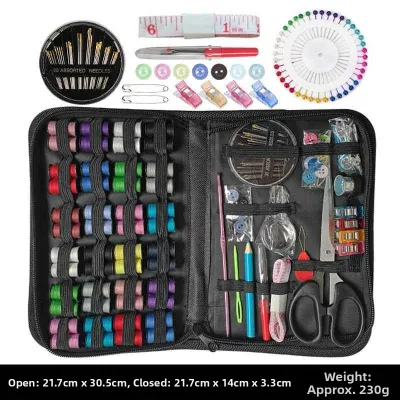
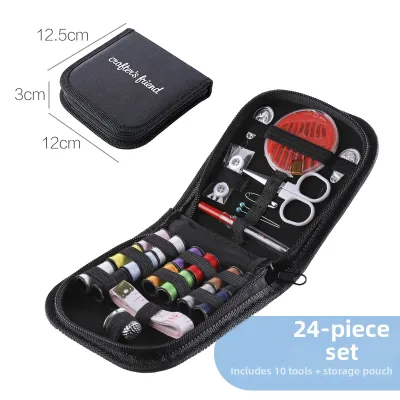
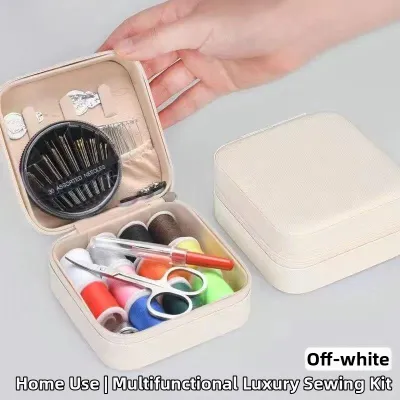
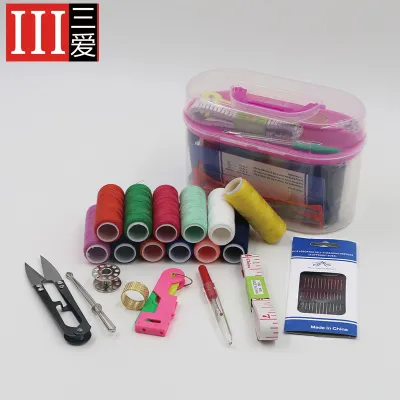
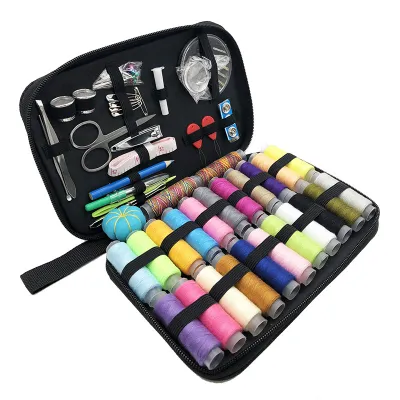
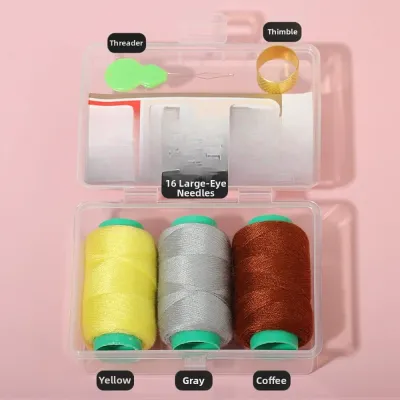
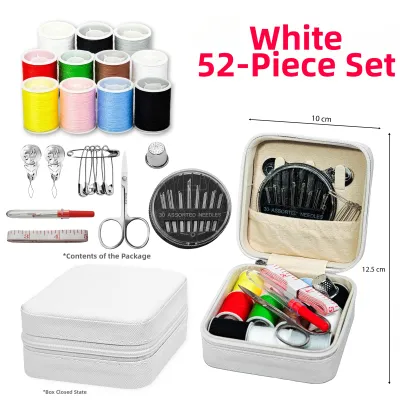
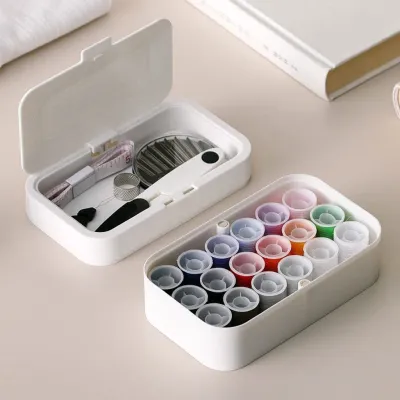
Prices are valid at publication and may change. Please refer to the product page for the latest price.

Thread and Needle Quality
The thread and needles are the primary consumables in any sewing kit, and their quality determines the longevity of your repairs. When examining a kit, look for thread made of 100% polyester rather than low-grade cotton. Polyester thread offers superior tensile strength and slight elasticity, which prevents the thread from snapping under tension when you wear the mended garment. Furthermore, polyester is highly colorfast and resistant to mildew, which is crucial in Singapore’s hot, humid climate where clothing is subjected to frequent washing and perspiration.
Needles must be assessed by their material, eye smoothness, and size variety. High-quality kits provide nickel-plated or gold-eye carbon steel needles that glide smoothly through fabrics without snagging. Cheaply manufactured needles often have rough, stamped eyes with microscopic metal burrs that shred the thread as you pull it through. A useful mini kit should contain an assortment of needle sizes, ranging from fine needles for delicate silks and synthetics to thicker, sturdier needles capable of piercing denim, canvas, or heavy linen.
Tool Durability and Safety
Beyond thread and needles, the hardware included in a mini sewing kit dictates how easily you can complete a repair. The most critical tool is the scissors. Many budget kits include small, stamped sheet-metal scissors or plastic-handled shears that lack a proper screw pivot. These inferior scissors tend to bend outward when cutting fabric, folding the threads between the blades rather than slicing them cleanly. Look for kits that feature ground-edge stainless steel scissors or high-quality thread snips that can cut cleanly right to the tip.
Safety and utility accessories also require careful inspection. A flexible measuring tape is highly useful, but it should be made of fiberglass or reinforced vinyl that resists stretching over time. Metal-tipped ends prevent fraying, and a secure storage strap or a reliable retractable mechanism keeps the tape neat. Additionally, a sturdy needle threader is an essential inclusion for mini kits, as smaller travel needles have tiny eyes that are incredibly difficult to thread by hand. Ensure the threader’s wire is securely anchored to its handle so it does not pull loose under tension.
Portability and Case Design
The physical container of a mini sewing kit is what keeps your tools organized, clean, and safe from damage. Hard plastic cases with secure, snap-lock latches offer excellent protection against crushing and prevent sharp needles from piercing through into your bag. Soft zippered pouches made of durable nylon or canvas are highly flexible and pack easily into tight luggage spaces, but they require internal padding or protective plastic inserts to keep the contents secure.
Internal organization is just as important as the outer shell. A poorly designed case allows spools to roll around freely, leading to tangled threads and lost needles. Look for cases featuring dedicated spool pegs, elastic retaining bands, or magnetic sheets that hold needles and pins firmly in place. This level of organization ensures that when you open the kit during a stressful travel emergency, the tools remain exactly where they belong and are ready for immediate use.
Comparing Brand Categories Available in Singapore
Singapore’s retail landscape offers a diverse array of mini sewing kits, which can be broadly categorized into three distinct tiers based on price, quality, and target audience. Understanding these categories helps you navigate local shopping malls and e-commerce platforms to find the right balance of cost and utility.
Budget and Variety Store Brands
Typically found in neighborhood hardware shops, heartland discount stores, and major budget retail chains across Singapore, these kits generally cost between S$1.50 and S$4.00. They are designed for maximum accessibility and immediate, low-cost convenience. These kits often pack a large number of items—such as dozens of tiny thread spools, safety pins, buttons, and basic tools—into a compact plastic box.
While the sheer volume of items at this price point appears to offer incredible value, the materials are almost always entry-level. The thread is typically thin and prone to snapping under minimal tension, the needles may bend easily, and the scissors are often frustratingly dull. If you are purchasing a kit simply to keep in an office desk drawer for a rare loose-thread emergency, these budget options are perfectly adequate. However, they are not built for extensive repairs or thick fabrics.
Japanese and Lifestyle Brand Kits
Mid-tier kits from popular Japanese lifestyle, stationery, and minimalist home goods stores in Singapore usually retail between S$5.00 and S$12.00. These brands prioritize clever engineering, sleek aesthetic design, and compact portability. You will often find these kits housed in beautifully designed, ultra-flat slide cases, cylindrical tubes, or minimalist tins that fit elegantly into a handbag or travel pouch.
In terms of quality, these kits offer a significant step up from budget variety store options. The needles are well-polished, the scissors are sharp enough for basic fabric trimming, and the thread is of decent strength. The primary trade-off is quantity; these kits often feature shorter thread lengths per spool and a more limited color palette, focusing on essential neutrals like black, white, grey, and navy. For casual users who appreciate clean design, reliable basic performance, and space-saving organization, these lifestyle kits offer outstanding everyday value.
Dedicated Haberdashery and Craft Brands
For those who demand uncompromising quality, kits from specialized sewing suppliers, historic European craft brands, or local haberdashery shops in areas like Chinatown and Plaza Singapura are the premier choice. These kits typically cost between S$12.00 and S$25.00 or more, representing a higher initial investment.
In exchange for the premium price, you receive professional-grade components. The spools contain generous lengths of high-tensile 100% polyester thread from reputable manufacturers, which glides smoothly through fabrics and holds seams securely over years of wear. The scissors are made of hardened stainless steel with comfortable grips, and the needle selection includes specialized options for different fabric weights. While the upfront cost is higher, the durability of the tools and the reliability of the repairs result in a much lower cost-per-use, making this the best long-term value for frequent menders and craft enthusiasts.
Essential Verification Steps Before Purchasing
Before you finalize your purchase of a mini sewing kit, whether you are examining a physical package in a Singapore retail store or evaluating a listing on an online marketplace, you should perform a few quick verification checks. These steps will help you confirm that the kit’s specifications match your expectations and prevent post-purchase regret.
- Verify the Thread Material: Read the product packaging or online description carefully to confirm the thread is labeled as 100% polyester. Avoid kits that do not specify the material or are labeled as cheap cotton, as these threads are highly susceptible to rotting and breaking in humid environments.
- Count and Inspect the Spools: Ensure the kit contains a practical range of colors that match your wardrobe. At minimum, a versatile kit should include black, white, navy blue, grey, and beige. Check if the spools are standard sizes that can be refilled, or if they are proprietary mini spools that are difficult to replace once empty.
- Check the Scissors Construction: Look closely at the scissors. Avoid designs where the metal blades are merely small inserts glued into cheap plastic handles, as these frequently snap under pressure. Opt for scissors where the metal extends fully through the handle loops, or choose solid metal thread snips.
- Confirm Needle Assortment and Eye Plating: Ensure the needles are stored in a secure, labeled dispenser or compact wheel. Verify that the kit includes needles of varying lengths and thicknesses. If visible, check that the needle eyes are smooth and plated (such as gold-plated eyes) to facilitate easy threading.
- Inspect the Case Closure and Seal: If shopping in person, test the latch or zipper of the case. It should close firmly with no gaps. In Singapore's humid climate, an unsealed case can let in moisture, leading to rusted needles and pins over time. A tight-fitting plastic or zippered case is highly recommended.
- Read User Reviews for Red Flags: When shopping online, filter customer reviews specifically for terms like "rust," "broke," "snapped," or "dull." Pay close attention to feedback regarding the scissors' ability to cut fabric and whether the thread breaks easily during basic hand-sewing tasks.
Matching the Kit to Your Specific Mending Needs
To maximize the value of your purchase, you must select a mini sewing kit that aligns perfectly with your lifestyle and the specific scenarios in which you expect to use it. By matching the kit’s design to your environment, you ensure that it remains a practical asset rather than a cluttered afterthought.
Travel and On-the-Go
For frequent travelers, daily commuters, or professionals who need to keep a kit in their briefcase or handbag, portability and safety are the top priorities. You should look for an ultra-compact, lightweight kit housed in a rigid, crush-proof plastic case or a secure metal tin. The case must have a robust locking mechanism to prevent it from accidentally popping open inside your luggage and scattering sharp needles.
In this scenario, a massive color selection is unnecessary. A compact kit with four to six essential neutral colors (black, white, grey, and navy) is more than sufficient. Ensure the included scissors are small, lightweight, and feature rounded safety tips or protective sheaths to comply with transport safety guidelines while protecting your fingers when reaching into the bag.
Home Emergency Drawer
If you are setting up a basic repair kit for an HDB flat or family home, size and weight are less critical than versatility and completeness. Your home emergency kit should be stored in a dedicated utility drawer, safe from high humidity and direct sunlight. Since space is less constrained, you can opt for a slightly larger zippered pouch or a multi-tier plastic box.
This kit should feature a wider color palette of 12 to 24 thread spools to match various clothing items, curtains, and upholstery. It should also include a comprehensive range of accessories, such as a flexible fiberglass measuring tape, a seam ripper for removing mistakes, a variety of safety pins, spare buttons, and shirt collar stays. Having these tools readily available saves you from making expensive trips to professional tailors for minor, easily fixable issues.
Student or Dorm Use
For tertiary students living in university dormitories or young adults moving into their first rental apartments, a mini sewing kit should focus on ease of use, durability, and self-sufficiency. Because students may not have access to a wide array of household tools, the kit must be completely self-contained.
Prioritize kits that include high-quality, easy-to-use tools, such as a premium needle threader and a small wheel of assorted needles with clearly marked sizes. The kit should also feature a basic instruction card or a link to online video tutorials demonstrating fundamental stitches, such as the running stitch, backstitch, and how to sew on a standard button. Investing in a durable, mid-tier kit ensures that it will last throughout your academic years and beyond, providing reliable service whenever a garment requires a quick fix.
Frequently Asked Questions (FAQ)
Can I bring a mini sewing kit on a flight in my carry-on luggage?
Yes, you can generally bring a mini sewing kit in your carry-on luggage, but you must pay close attention to the scissors. According to most international aviation security guidelines, including those enforced at Singapore Changi Airport, scissors with blades measuring less than 6cm from the pivot point are typically permitted in the cabin. However, security officers at the checkpoint always have final discretion. To completely eliminate the risk of having a favorite kit confiscated, it is highly recommended to pack your sewing kit in your checked baggage whenever possible.
How do I keep the thread from tangling in a mini sewing kit?
To prevent thread from unspooling and tangling inside your kit, always secure the loose end of the thread after every use. Most high-quality thread spools feature a tiny, built-in V-notch or slit on the edge of the plastic rim; simply wind the thread end tightly and wedge it into this notch. If your spools do not have a built-in notch, you can wrap a small piece of low-tack masking tape or wash paper tape around the spool to keep the thread secure. Additionally, ensure that your spools are stored upright on their designated pegs or snugly within their elastic slots to prevent them from shifting and rubbing against each other during transit.
Community discussion
Share your experience or ask a question. Comments are reviewed before publication.