
Finding the right label maker for your child’s school gear in Singapore requires looking beyond flashy designs and focusing on how well the labels withstand daily wear. Between humid weather, daily dishwashing, and playground friction, a name tag must endure challenging conditions. The ideal brand for your needs depends entirely on the specific items you plan to label, the printing technology the device uses, and the long-term cost of its tape refills. By understanding how different adhesives and printing methods interact with plastics, fabrics, and metals, you can select a system that keeps your child’s belongings clearly marked all year round.
Essential Specifications to Verify Before Choosing a Brand
Before committing to a specific brand ecosystem, verify several hardware and consumable specifications to ensure the device can handle a student’s backpack. The first factor is tape width compatibility. School items vary from wide lunchboxes to thin pencils. Look for a brand supporting a wide range of widths, particularly narrow 3.5mm or 6mm options for small stationery, alongside standard 9mm and 12mm widths. If a brand only supports a single width, you will struggle to fit long names onto tiny surfaces or waste tape on larger items.
Equally important is print resolution. When printing on narrow tapes, text must remain crisp. Check the manufacturer’s specifications for print resolution (dpi). A higher resolution ensures small fonts do not blur. This is vital if you need to print Chinese characters alongside English names, as complex strokes require high clarity to remain legible.
Products mentioned in this guide
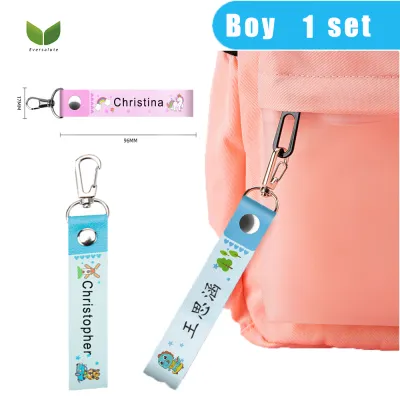
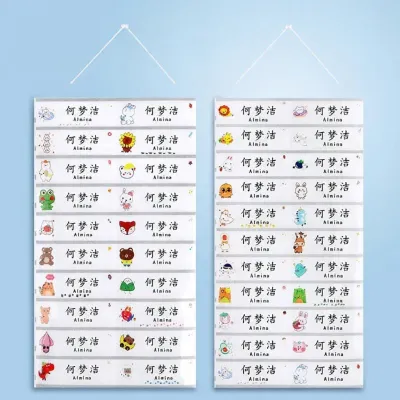
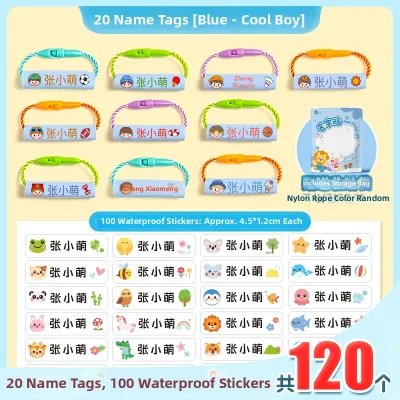
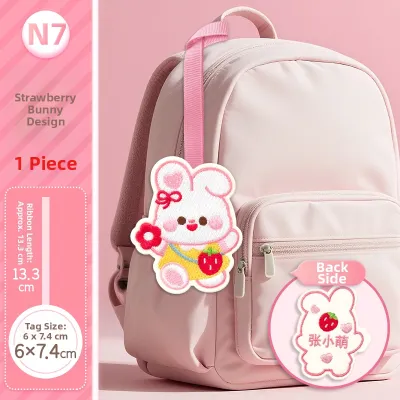
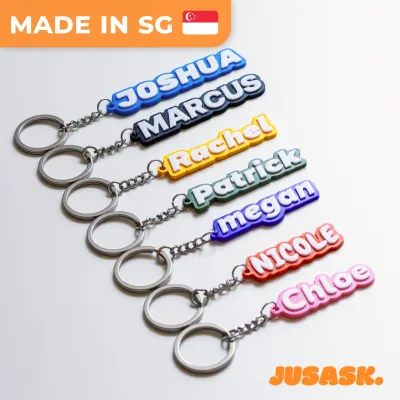
![[SG FREE DELIVERY🚚]Bag Tag ( BT21 ) Personalized Acrylic Custom Kids Luggage Tags Cute Cartoon Style Customizable name](https://img.lazcdn.com/g/p/a6061cc2aa30e555ef9194d22d33f9fb.jpg_400x400q80.jpg_.webp)
Prices are valid at publication and may change. Please refer to the product page for the latest price.
Next, evaluate connectivity. Standalone label makers feature physical keyboards. These are portable and do not require a smartphone, making them convenient for quick labeling, though they offer limited font choices. Bluetooth-enabled models connect to a mobile app, offering extensive customization, custom icons, and diverse fonts. Before purchasing, check app store reviews for compatibility and verify if the app requires a paid subscription.
Finally, investigate consumable availability. Some brands lock you into a proprietary ecosystem using cartridges with digital rights management (DRM) chips or unique shapes, preventing the use of affordable third-party tapes. While proprietary tapes guarantee optimal performance, they increase ongoing costs. Check local e-commerce platforms in Singapore to ensure replacement cartridges are readily available.
Matching Label Technologies to Common School Items
The performance of a name tag is determined by the physical interaction between the adhesive, the tape material, and the item’s surface. No single label type is universally perfect for every school accessory. To make an informed decision, match the printing technology to the environment and wear-and-tear each item will experience.

Different brands specialize in different printing technologies, each suited to distinct categories of school gear. By understanding these technologies, you can narrow down your search to the brands that offer the exact consumables your child’s inventory requires.
Direct Thermal Printers for Smooth, Indoor Items
Direct thermal printing uses heat-sensitive paper or synthetic tape, where a heated printhead selectively darkens specific areas. Because they do not require ink or toner, these printers are compact, lightweight, and affordable upfront. This makes them convenient for labeling indoor stationery like notebooks, folders, and storage bins.
However, direct thermal labels have distinct physical limitations. Because the paper reacts to heat, these labels are highly sensitive to environmental factors. Exposure to direct sunlight, high temperatures, or friction can cause the label to fade or turn black. In Singapore’s warm climate, leaving a labeled notebook in a hot car can quickly ruin the tag. Furthermore, they are susceptible to oils from fingers, hand sanitizers, and water. Limit their application to dry, indoor items that do not undergo frequent washing.
Laminated and Thermal Transfer Tapes for High-Wear Gear
For items facing daily abuse, such as water bottles, lunchboxes, and outdoor gear, laminated or thermal transfer tapes are essential. Thermal transfer printing uses a heated ribbon to melt ink onto the tape, creating a durable bond. Many premium brands apply a protective laminated layer over the printed text, shielding the ink from physical contact, moisture, and chemical exposure.
When evaluating brands, check the manufacturer’s specifications rather than relying on generic marketing claims. Look for explicit details regarding water, UV, and abrasion resistance. If your child’s water bottle goes into the dishwasher daily, verify whether the tape packaging or official manual states that the adhesive can withstand high-temperature dishwasher cycles. Some laminated tapes are rated to survive extreme temperatures and harsh detergents, ensuring the name tag remains firmly attached.
Fabric and Iron-On Labels for School Uniforms
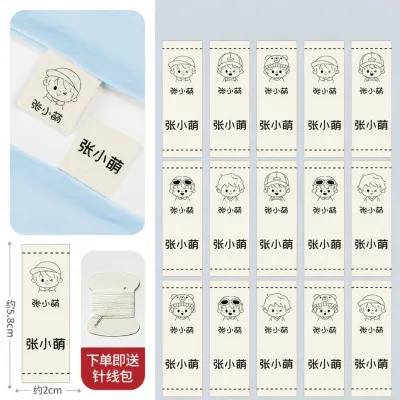
Labeling fabric items like school uniforms, PE kits, and school bags presents a unique challenge. Standard plastic adhesives cannot bond effectively to flexible, textured textile fibers and will quickly peel off in the wash. To solve this, several brands offer specialized fabric or iron-on tape cartridges made of woven fabric backed with a heat-activated adhesive.
When choosing between iron-on and stick-on fabric labels, consider the garment’s material and your available time. Iron-on labels require a household iron to melt the adhesive into the fabric fibers, creating a permanent, wash-resistant bond. Before applying, verify the garment’s care label to ensure the fabric can tolerate high heat. Alternatively, some brands offer peel-and-stick fabric labels that adhere directly to clothing care tags without heat. While easier to apply, these may have lower wash durability. Always check the product instructions to verify washing temperature limits and required adhesive curing times.
Evaluating Brand Ecosystems and Consumable Costs
While the initial purchase price of a label maker is important, the long-term cost of ownership is dictated by the brand’s consumable ecosystem. Over the lifespan of the device, you will likely spend far more on replacement tape cartridges than on the printer itself.
To estimate this cost, look at the length of the tape roll provided in a standard cartridge and divide the retail price in S$ by the total length to find the cost per meter. You must also account for tape margins and wastage. Many automatic-cutter label makers leave a significant blank margin on either side of the printed text due to the physical distance between the printhead and the cutter. Some brands allow you to adjust margin settings in their mobile apps or offer a chain printing feature that prints multiple labels in a single continuous strip to minimize waste.
Additionally, explore purchasing options in Singapore. Check if the brand offers multipacks or bulk discounts on major e-commerce platforms. You should also verify whether the brand’s hardware allows the use of third-party or generic tape cartridges. While some manufacturers use microchips to block non-original consumables, other brands have open systems where high-quality generic tapes are widely available at a fraction of the cost.
Decision Framework: Choosing the Right Brand for Your Needs
To finalize your decision, align your specific labeling requirements with the strengths of each brand’s technology. If your primary goal is to label smooth, dry stationery like notebooks and pencil cases, a compact, app-connected direct thermal brand is highly suitable. These devices offer low upfront costs, highly customizable designs, and require no expensive ink ribbons.
If you need to label high-wear, frequently washed items like water bottles and lunchboxes, prioritize a brand that specializes in heavy-duty, laminated thermal transfer tapes. The protective laminated layer ensures that the printed name tags can withstand daily dishwashing, friction, and exposure to sunlight without fading.
If your labeling needs span both fabric uniforms and hard plastics, verify whether a single brand offers reliable consumables for both surfaces. Some versatile thermal transfer brands support both laminated plastic tapes and iron-on fabric tapes within the same device. However, if a single brand does not meet your standards for both categories, it may be more practical to purchase a specialized direct thermal device for stationery and use pre-printed, professional iron-on labels from a dedicated textile label service for clothing.
Frequently Asked Questions (FAQ)
How do I remove sticky residue from plastic school items without damaging them?
Before attempting to remove adhesive residue, always check the plastic item’s material care instructions to ensure it can tolerate cleaning agents. Some plastics can cloud, soften, or crack when exposed to harsh solvents. Start with the mildest, most reversible method: soak the residue in warm, soapy water and gently rub it with a microfiber cloth. For stubborn adhesive, apply a small amount of a gentle oil-based remover, such as eucalyptus oil or baby oil, and let it sit for a few minutes to break down the glue. Always test the oil on an inconspicuous area of the plastic first. If you notice any signs of discoloration, softening, or damage, stop immediately, wash the area with clean water, and consult the manufacturer of the item for approved cleaning methods.
Why are my thermal labels fading, and how can I prevent it?
Direct thermal labels fade because they rely on heat-sensitive chemical coatings rather than traditional ink. When these labels are exposed to environmental triggers like direct sunlight, high ambient temperatures, or friction, the chemical reaction is reversed or prematurely triggered, causing the text to fade or the background to darken. Additionally, common chemicals found in school environments—such as alcohol-based hand sanitizers, sunscreens, and insect repellents—can chemically degrade the thermal paper. To prevent fading, check the manufacturer’s storage and application guidelines for specific environmental limits and expected lifespan. For items exposed to sunlight or frequent handling, consider switching to laminated thermal transfer labels, which protect the printed text under a physical barrier.

Community discussion
Share your experience or ask a question. Comments are reviewed before publication.