
When searching for the most durable waterproof label sticker, it is common to look for a single, definitive brand that stands above the rest. However, the reality of label durability is not tied to a brand name alone, but rather to the underlying print technology and material science that a brand’s ecosystem supports. No single manufacturer holds a monopoly on waterproof performance; instead, the longevity of a label in wet, humid, or outdoor environments is determined by how the label is printed, the face stock material, and the specific adhesive chemistry used.
To make an informed investment, you must look past marketing buzzwords like “weatherproof” or “ultra-durable” and evaluate the technical specifications of both the label maker and its compatible consumables. This guide will equip you with the knowledge to analyze any brand’s catalog, helping you distinguish between temporary water resistance and true, long-term waterproof durability. By understanding how print mechanisms interact with synthetic media, you can confidently select a labeling system tailored to your exact environmental demands.
Identifying the Right Print Technology for Waterproof Labels
The printing mechanism utilized by a label maker is the first and most critical factor in determining whether your labels will survive exposure to moisture. The two primary technologies used in dedicated label makers are thermal transfer and direct thermal printing, and they behave very differently when exposed to water, heat, and light.
Products mentioned in this guide
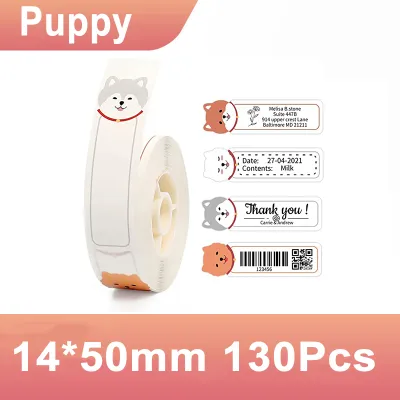
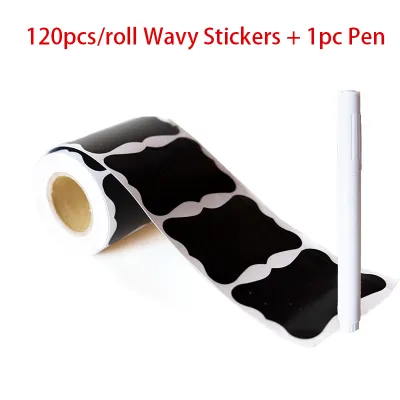
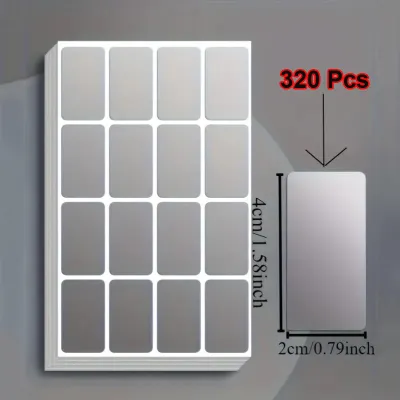
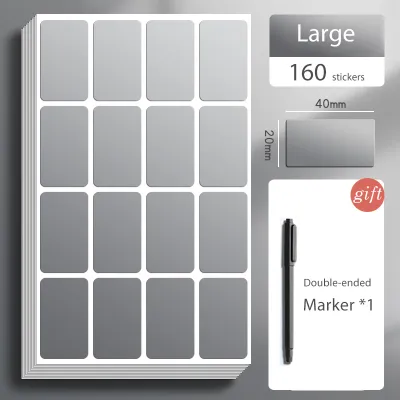
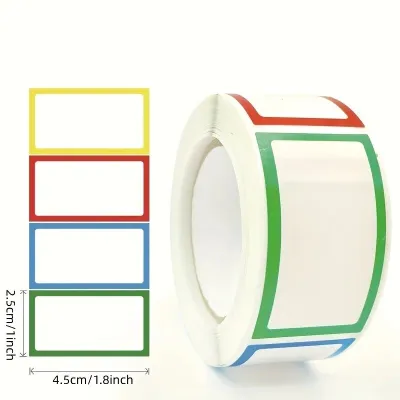
Prices are valid at publication and may change. Please refer to the product page for the latest price.
Thermal transfer printing is the gold standard for high-durability applications. This process uses a heated print head to melt a wax or resin-based ink ribbon directly onto the label surface. Because the ink is fused into the synthetic face stock, the resulting print is highly resistant to water, smudging, chemicals, and UV exposure. If you require labels that can withstand outdoor weather, frequent washing, or industrial environments, a brand that supports thermal transfer printing with pure resin ribbons is essential.
In contrast, direct thermal printing does not use an ink ribbon. Instead, the print head applies heat directly to a chemically treated, heat-sensitive label material, which darkens to form the image. While convenient and cost-effective, standard direct thermal labels are highly susceptible to environmental degradation. Moisture, friction, heat, and sunlight will cause the heat-sensitive coating to turn black or fade over time, even if the label is marketed as water-resistant. While heavily coated direct thermal labels exist, they are generally suited for short-term indoor use rather than permanent waterproofing.
For those considering desktop inkjet or laser printers for label production, the rules change slightly. These systems require specialized waterproof label sheets designed to lock in liquid ink or fuse dry toner. Inkjet waterproof labels rely on a porous topcoat that absorbs ink and shields it from moisture, but their durability is highly dependent on using pigment-based inks rather than dye-based inks. Laser printers use heat to fuse plastic toner particles onto the sheet, offering excellent water resistance, but the print can still scratch or flake off under heavy abrasion unless protected by a laminate.
Checking Material and Adhesive Specifications for True Durability
Once you identify a compatible print technology, the physical composition of the label sticker itself determines its ultimate survival rate. Standard paper labels will absorb water, swell, and disintegrate, meaning you must look for synthetic face stocks within a brand’s consumable lineup.

Polyester (PET) is the premier choice for extreme durability. It offers exceptional resistance to water, tearing, high temperatures, and chemical exposure, making it ideal for outdoor equipment, marine environments, and industrial labeling. Polypropylene (BOPP) is another highly durable synthetic option that provides excellent moisture resistance and flexibility, frequently used for food packaging and personal care products. Vinyl is highly flexible and conforms well to curved or uneven surfaces, making it a preferred choice for outdoor cables and pipes, though it may stretch under tension.
The adhesive backing is just as critical as the face stock. A waterproof label is useless if it peels off the surface when wet. Look for brands that specify the use of permanent acrylic adhesives or marine-grade adhesives. Acrylic adhesives cure over time to form a powerful, moisture-resistant bond with the substrate. For challenging surfaces like textured plastics, powder-coated metals, or oily components, you will need to verify if the brand offers “high-tack” or industrial-strength adhesive variants designed to resist moisture ingress along the edges.
Finally, consider the presence of a protective over-laminate. Some advanced label makers utilize a dual-cartridge system or a specialized lamination process that automatically applies a clear protective topcoat over the printed text. This laminated layer acts as a physical barrier, shielding the printed image from direct water contact, physical abrasion, oil, and chemical solvents, ensuring the text remains legible for years.
Evaluating Brand Ecosystems and Label Supply Options
When comparing different label maker brands, you must evaluate how their supply ecosystems are structured. Many consumer-focused brands utilize proprietary cartridge systems, where the label tape and ink ribbon (if applicable) are housed in a single, convenient plastic cassette. While these cartridges are incredibly easy to load and minimize user error, they often lock you into the manufacturer’s proprietary pricing. Furthermore, proprietary systems may limit your material choices to standard colors and basic synthetic tapes.
In contrast, open-spool or continuous roll systems, often found in professional or industrial-grade label makers, allow you to source third-party label rolls and ribbons. This open architecture dramatically lowers your long-term consumable costs and grants access to a vast marketplace of specialized materials, such as chemical-resistant polyester or tamper-evident vinyl. If you anticipate printing high volumes of waterproof labels, choosing a brand that supports open-spool media can save significant operational costs over time.
Before committing to a brand, always consult the manufacturer’s official technical data sheets rather than relying on vague descriptions on online marketplaces. Look for specific performance metrics, such as operational temperature ranges and resistance ratings for water submersion. Additionally, ensure that the physical label maker you choose is mechanically capable of handling the thickness and backing of heavy-duty synthetic labels, as thicker materials require higher print head pressure and feed tension to prevent jamming.
Choosing the Right Setup for Your Specific Environment
Selecting the ideal label maker and material combination requires a clear understanding of where the label will spend its lifespan. A setup that works perfectly in a climate-controlled indoor space may fail rapidly when exposed to tropical humidity or outdoor weathering.
For demanding outdoor applications, such as labeling garden equipment, outdoor electrical boxes, or marine gear, a thermal transfer setup is highly recommended. Pair a thermal transfer label maker with premium polyester labels and a full-resin ribbon. This combination ensures the printed text will not fade under intense UV exposure, and the permanent acrylic adhesive will prevent the edges from curling during heavy rain or high humidity.
For indoor damp environments, such as organizing kitchen pantries, labeling bathroom toiletries, or managing storage bins in high-humidity areas, a high-quality direct thermal or inkjet setup can be highly effective and more economical. Opt for top-coated polypropylene or vinyl labels designed for direct thermal or inkjet printing. While these may not withstand years of direct sunlight or harsh chemical washes, they will easily handle routine splashes, wiping, and condensation without smudging or peeling.
If your environment involves extreme heat, such as labeling automotive engine components, or exposure to industrial solvents like isopropyl alcohol or acetone, standard waterproof labels will not suffice. In these specialized scenarios, you must verify if the brand’s label supplies carry specific industrial-grade safety certifications to guarantee the labels will remain legible and attached under extreme stress.
Verifying Durability Claims Before You Buy
Because marketing claims can be misleading, performing your own verification is the safest way to ensure a brand’s labeling system meets your durability standards before making a large financial commitment.
If possible, request sample printed labels from the manufacturer or a local distributor. Once you have the samples, perform a simple water submersion test by sticking them to your target substrate and submerging them in water for 24 to 48 hours. After removing them, attempt to smear the ink with your thumb and check if the edges of the adhesive have begun to lift or soften. This hands-on trial provides immediate, observable proof of how the material combination performs.
Additionally, take the time to download and review the product data sheets for both the printer and the specific label part numbers. These documents provide precise engineering data, including peel adhesion values, chemical resistance tables, and UV weatherometer test results. Finally, check the user manual of the label maker to confirm if the machine allows you to adjust the print head temperature and print speed. Being able to increase the heat setting is often necessary to achieve a clean, fully fused print on thicker, heavy-duty waterproof synthetic media.
Frequently Asked Questions (FAQ)
Can I use standard paper labels with a waterproof overlay?
While applying a clear plastic tape or laminate overlay over a standard paper label can protect the printed surface from light splashes, it does not make the label truly waterproof. Water can easily seep in from the exposed edges of the paper, causing the fibers to swell, the ink to bleed underneath the laminate, and the adhesive to fail. For reliable moisture resistance, the base face stock itself must be made of a synthetic material like polyester or polypropylene.
Do portable handheld label makers produce truly waterproof labels?
Most entry-level, battery-operated handheld label makers utilize direct thermal technology, which produces labels that are only water-resistant for short-term, indoor applications. However, some professional-grade portable handheld models are designed for thermal transfer printing and accept specialized laminated tape cartridges. If you require truly waterproof, UV-resistant labels from a portable device, ensure the model specifically supports thermal transfer printing and laminated synthetic tapes.
How do I remove permanent waterproof label stickers without leaving residue?
Because waterproof labels use strong, moisture-resistant acrylic adhesives, removing them requires breaking down the adhesive bond without damaging the underlying surface. Start by applying gentle heat with a hair dryer to soften the adhesive, then slowly peel the label back at a sharp angle. For any remaining sticky residue, apply a mild adhesive remover or isopropyl alcohol using a microfiber cloth, ensuring you test the solvent on an inconspicuous area first to verify it will not discolor or degrade the surface material.

Community discussion
Share your experience or ask a question. Comments are reviewed before publication.