
Finding the perfect harry potter notebook requires balancing a love for the Wizarding World with practical stationery needs. The ideal paper quality depends entirely on how you intend to use the notebook. For writers who use wet inks like fountain pens or heavy gel pens, the best paper is found in premium licensed editions that feature high paper weight (typically 100 gsm or higher) and specialized sizing coatings to prevent ink feathering. For dedicated collectors who want to preserve their journals as display pieces, the priority shifts to archival-quality, acid-free paper paired with robust sewn bindings that resist degradation over time.
If your goal is daily journaling, sketching, or school note-taking, standard official merchandise lines offer a practical balance of durability and thematic design. Because licensing agreements vary widely across different manufacturers and regions, you should always verify the specific paper weight and binding type of an individual notebook rather than relying solely on the brand name. Assessing these specifications beforehand ensures your writing instruments perform beautifully without ruining the reverse side of the page.
What Defines "Good" Paper Quality in Licensed Notebooks?
Evaluating paper quality in licensed stationery involves understanding how different manufacturing specifications affect your writing or collecting experience. By learning what these terms mean, you can look past the cover artwork and determine exactly how the pages will perform under your pen.
Products mentioned in this guide
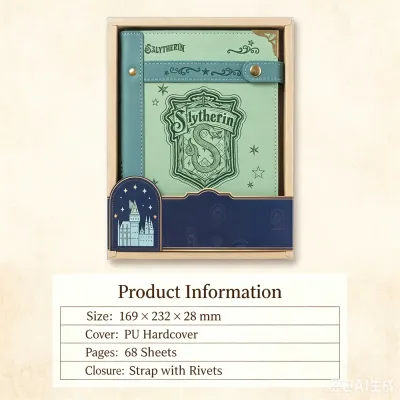
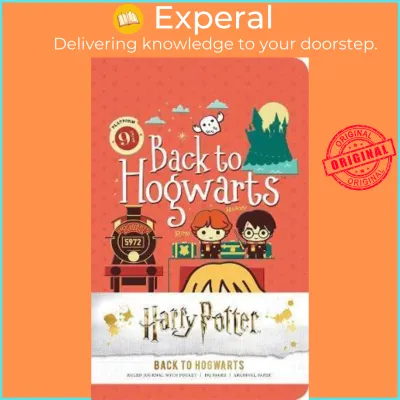
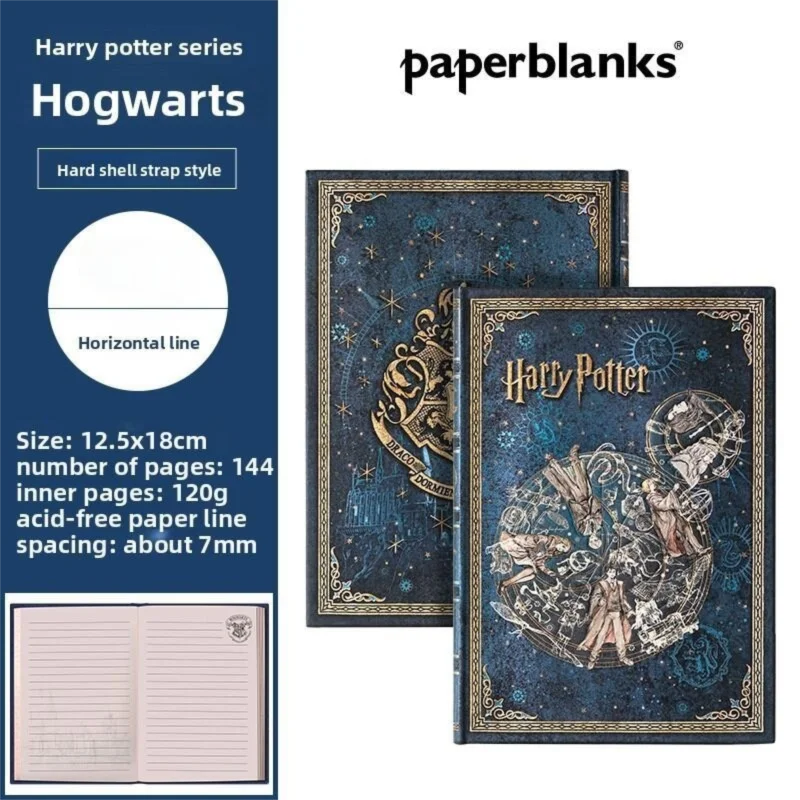
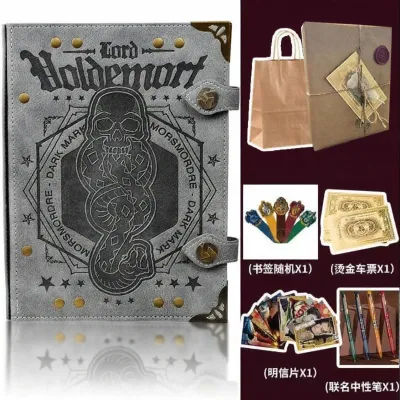
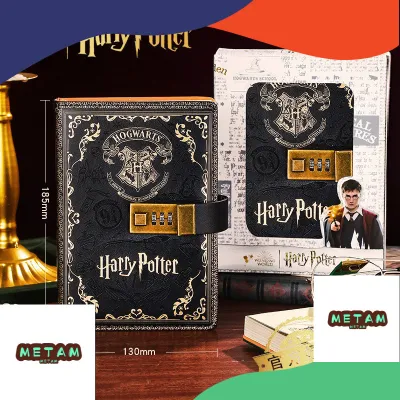
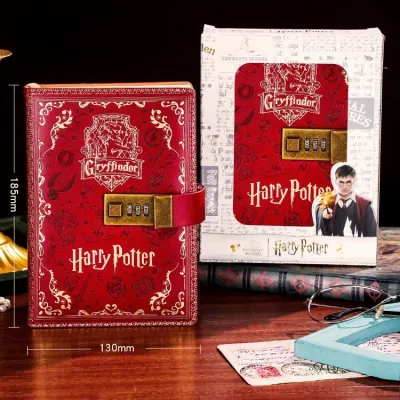
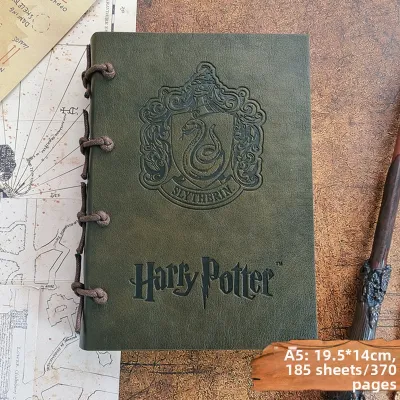
Prices are valid at publication and may change. Please refer to the product page for the latest price.
Paper Weight (GSM)
Paper weight is measured in grams per square meter (GSM). This metric directly correlates with the thickness and density of the sheet. Standard office copy paper typically sits around 80 gsm, which is adequate for ballpoint pens but prone to ghosting—where the shadow of your writing is visible on the other side—when using darker inks. Notebooks with 70 gsm to 90 gsm paper are lightweight and allow for higher page counts, but they are highly susceptible to bleed-through if you use wet gel pens or fountain pens. Upgrading to 100 gsm or 120 gsm provides a sturdier, more opaque page that easily handles double-sided writing and light sketching without compromising the paper’s structural integrity.
Paper Coating and Finish
How a pen glides across a page is determined by the paper’s surface finish, which generally falls into smooth or toothy categories. Smooth paper has been heavily rolled (calendered) or coated with sizing agents to create a flat, low-friction surface. This is highly desirable for fine-liner and fountain pen users because it prevents the ink from spreading sideways, though it does extend drying times. Toothy paper, on the other hand, has a textured surface that provides tactile feedback. This texture is excellent for grabbing graphite from pencils or pigment from gel pens, but it can cause water-based inks to feather, creating fuzzy, distorted lines.
Archival and Acid-Free Properties
For collectors, the chemical composition of the paper is just as important as its physical weight. Standard, inexpensive paper is made from wood pulp that contains lignin, an organic compound that naturally produces acid as it decays. This acidity causes pages to turn yellow, become brittle, and eventually crumble over the span of a few decades. Archival-quality paper is acid-free and often alkaline-buffered with calcium carbonate. This chemical stabilization ensures that the pages remain clean, white, and flexible for generations, preserving both your written entries and the notebook’s collectible value.
Binding and Lay-Flat Design
An often-overlooked aspect of paper usability is how the pages are bound together. Cheap notebooks utilize perfect binding, where the edges of loose sheets are glued directly to the spine. This method results in a stiff spine that resists staying open, forcing you to hold the pages down while writing and making it difficult to use the space near the center gutter. Premium notebooks employ Smyth-sewn binding, where folded groups of pages (signatures) are stitched together with thread before being glued. This allows the notebook to lay completely flat on a desk, providing an uninterrupted writing surface and preventing the pages from falling out over time.
Comparing Common Harry Potter Notebook Brand Categories
Licensed Harry Potter notebooks generally fall into two distinct categories: premium stationery brands that hold official licensing agreements, and thematic publishers or merchandise manufacturers whose primary focus is visual storytelling. Understanding these categories helps narrow down which brand aligns with your specific paper expectations.

Premium Stationery Licenses (e.g., Moleskine, Paperblanks)
Premium stationery manufacturers design their products with serious writers in mind, adapting their established paper standards to special Harry Potter themed editions. Brands like Moleskine are highly regarded for their sleek, minimalist aesthetic and smooth, ivory-tinted paper. Moleskine’s themed notebooks typically feature paper weights ranging from 70 gsm to 100 gsm. While this paper offers an incredibly smooth writing experience for ballpoint pens and pencils, wet fountain pen inks may experience ghosting. If you plan to use fountain pens, it is crucial to verify the exact paper weight of the specific edition, as heavier-weight specialty releases perform significantly better.
In contrast, brands like Paperblanks focus heavily on bookbinding artistry, offering Harry Potter editions with thick, ornate covers and magnetic wrap closures. Paperblanks notebooks frequently utilize heavier paper, often between 85 gsm and 120 gsm. Their paper is highly opaque, acid-free, and specifically formulated to resist ink bleed-through, making them an exceptional choice for journalers who use a variety of writing instruments. Combined with archival-grade materials and Smyth-sewn bindings, these premium stationery licenses offer excellent longevity for both writing and long-term display.
Thematic Publishers and Official Merch (e.g., Insight Editions)
Thematic publishers prioritize immersion, replica accuracy, and visual design. Brands like Insight Editions produce deluxe journals that replicate in-universe artifacts, such as Hogwarts house diaries or advanced potion-making guides. These notebooks often feature stunning cover textures, gilded page edges, full-color endpapers, and built-in ribbon placeholders. Because these products are designed to appeal to a broad fan base, their paper is optimized for general versatility rather than specialized pen types.
The paper in these thematic journals is typically a medium-weight cream stock, often around 80 gsm to 100 gsm, which provides a comfortable toothy feel for pencil, ballpoint, and standard gel pen use. However, because these editions sometimes feature printed background graphics or aged-parchment designs, the surface coating can vary across pages. This variation can affect how water-based inks dry, occasionally leading to longer drying times or minor feathering. These notebooks are incredibly satisfying for fans who want a tangible piece of the wizarding world, but heavy ink users should proceed with a bit of caution and check product-specific reviews regarding pen compatibility.
Matching Paper Specs to Your Specific Needs
Choosing the right notebook requires matching your preferred writing tools and preservation goals with the technical specifications of the paper. Use this breakdown to identify your priorities before making a purchase.
For Fountain Pen and Ink Enthusiasts
If you write primarily with fountain pens, dip pens, or heavy liquid ink rollers, your primary enemies are feathering and bleed-through. To combat these issues, prioritize paper that is rated at 100 gsm or higher. Look for paper descriptions that mention sizing or a smooth, coated finish. Sizing prevents the paper fibers from acting like a sponge, keeping the ink on the surface where it can dry cleanly and showcase properties like shading and sheen. Because ink behavior depends heavily on the specific combination of paper, ink formulation, and nib width, always perform a small ink test on the very last page of your notebook before committing to a full entry.
For Long-Term Collectors and Display
If you view your Harry Potter notebook as a keepsake to be preserved, structural integrity is paramount. Look for explicit indicators of acid-free or archival-grade paper on the product packaging. Hardcover editions offer superior protection against physical wear, while gilded or colored page edges help seal the paper block from dust and light exposure. Ensure the notebook features a sewn binding rather than a glued one, as glue can dry out, crack, and lose its grip over a decade or two, causing pages to detach.
For Daily School or Office Use
For everyday note-taking where portability and ease of use are key, high-end archival paper is rarely necessary. Standard 70 gsm to 80 gsm paper is perfectly adequate for ballpoint pens and pencils, and it allows the notebook to remain thin and lightweight. Look for durable, flexible covers made of polyurethane or heavy cardstock that can withstand being repeatedly shoved into a backpack or messenger bag. High page counts are also beneficial here, ensuring you do not run out of space mid-semester.
Decision Matrix
To simplify your choice, keep these guidelines in mind:
- Choose a premium stationery license if you want a refined, consistent writing experience, highly smooth paper optimized for fine pens, and a reliable lay-flat binding that makes daily, long-form journaling comfortable.
- Choose a thematic publisher if you prioritize visual immersion, beautiful cover designs, replica details, and versatile paper suited for pencils, ballpoints, and light sketching.
- Verify the specs first if you intend to use wet fountain pens, calligraphy inks, or heavy markers, as paper weight and surface coatings can vary dramatically even within a single brand's product lines.
Buying Authentic Harry Potter Notebooks in Singapore
When shopping for licensed stationery in Singapore, the local climate introduces unique challenges for paper preservation. Singapore’s high relative humidity, which regularly hovers around 80%, can cause paper to absorb moisture from the air. This moisture absorption swells the cellulose fibers in the paper, making it much more prone to ink feathering and warping. To ensure you are getting high-quality paper that can withstand these local conditions, it is vital to purchase authentic, officially licensed products.
To find genuine items, shop at reputable local brick-and-mortar bookstores, official brand boutiques, or verified flagship storefronts on major ecommerce platforms. Avoid buying from unverified third-party sellers on online marketplaces who offer suspiciously low prices. Counterfeit notebooks often look identical on the cover, but they utilize cheap, acidic wood-pulp paper that yellows rapidly in humid climates, bleeds through with standard gel pens, and features weak, glued bindings that fall apart after minimal use.
When purchasing in person, inspect the back cover and packaging for official Warner Bros. consumer products holograms, copyright lines, and detailed paper specifications. To protect your notebooks from Singapore’s humidity once you bring them home, store your collection in a cool, dry place away from direct sunlight. If you are preserving unused notebooks for the long term, consider placing them in sealed storage containers with silica gel packets to absorb excess moisture and prevent mold growth.
Frequently Asked Questions (FAQ)
Are Harry Potter notebooks acid-free?
Whether a Harry Potter notebook is acid-free depends entirely on the brand and the target market of that specific product line. Premium stationery brands like Moleskine and Paperblanks explicitly use acid-free, archival-quality paper to prevent yellowing and degradation over time. However, mass-market novelty notebooks or budget-friendly merchandise items may use standard wood-pulp paper that is not acid-free. Always check the product’s paper specifications on the packaging or manufacturer’s website to confirm its archival status before purchasing for a collection.
Can I use fountain pens in standard licensed Harry Potter journals?
Most standard licensed Harry Potter journals are designed for general use and typically feature 70 gsm to 80 gsm paper, which is not optimized for fountain pens. Wet inks are likely to experience ghosting, feathering, or bleed-through on these standard sheets. If you want to use a fountain pen, it is highly recommended to test the ink on an inconspicuous back page first. For the best fountain pen performance, look for premium licensed editions that feature coated paper with a weight of 100 gsm or higher.
Community discussion
Share your experience or ask a question. Comments are reviewed before publication.