
Quick Answer: Aligning Paper Profiles With Your Pen Type
Finding the right grid notebook involves more than just picking a pleasing cover design. The interaction between your pen’s ink and the paper’s surface determines whether your writing experience is smooth and clean or marred by smudges and ink blots. To find your ideal match, you must align the paper’s physical properties with the specific mechanics of your favorite writing instrument.
For fountain pen users, the priority is preventing ink from soaking through the page. You should look for paper with a higher weight, typically measured in grams per square meter (GSM), combined with surface sizing to keep the ink on top of the sheet. This prevents feathering—where ink spreads sideways along the paper fibers—and bleed-through.
Gel and rollerball pen users require a different balance. Because these pens lay down wet, water-based ink that flows quickly, they perform exceptionally well on smooth, moderately weighted paper that balances absorption with drying speed. If the paper is too heavily coated, the ink will pool on the surface and smudge easily under your hand.
Products mentioned in this guide
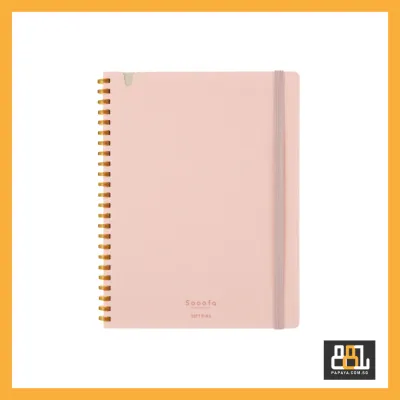
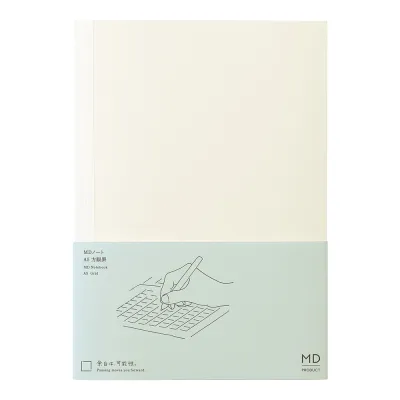
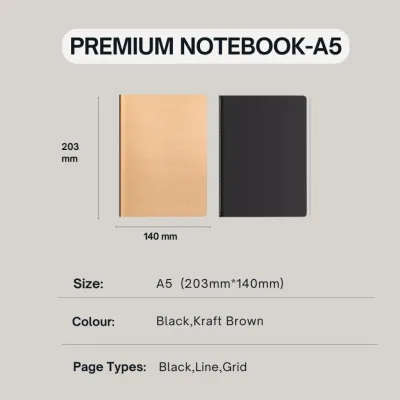
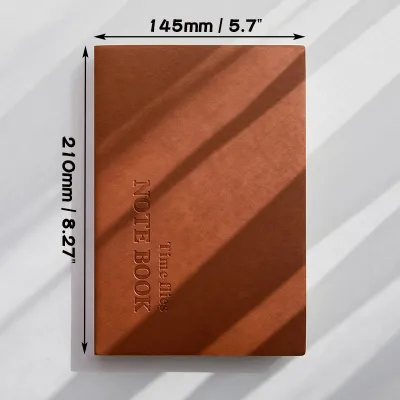
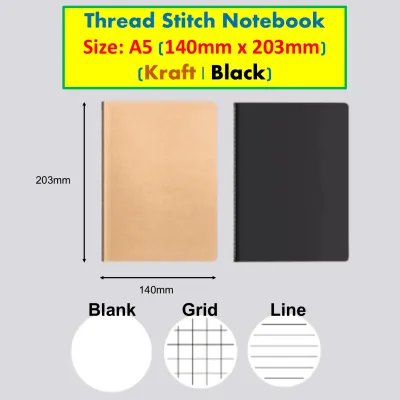
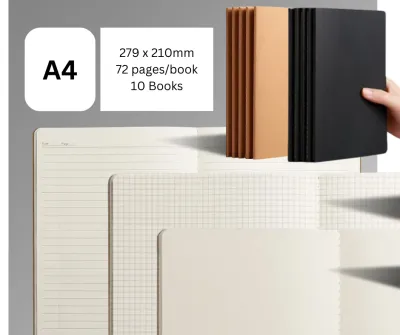
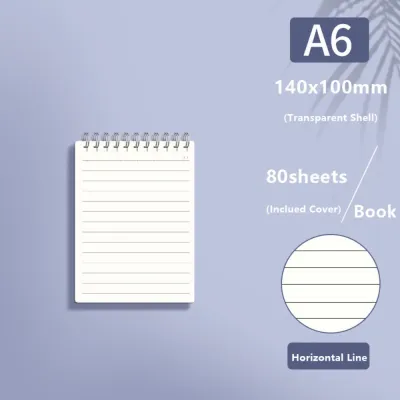
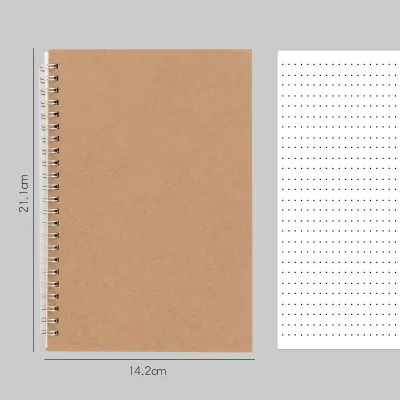
Prices are valid at publication and may change. Please refer to the product page for the latest price.
Ballpoint pen and pencil users have the most flexibility but still need to consider texture. Standard, lower-GSM paper works reliably here, but the paper must have a slight texture, known as “tooth.” This physical friction is necessary to pull graphite from a pencil or roll the thick, oil-based ink out of a ballpoint tip consistently.
Essential Paper Specifications to Verify on Packaging
When browsing stationery shops or online marketplaces, understanding the technical specifications printed on notebook packaging helps you predict performance before your pen ever touches the page. The most prominent metric you will encounter is GSM. This number represents the weight of a square meter of the paper, serving as a general indicator of thickness and opacity. While a higher GSM generally means less show-through on the reverse side, it is not a direct measure of ink resistance. A heavy paper can still bleed if its fibers are loosely packed and lack proper treatment.

Surface sizing and coating are the invisible treatments that dictate how paper behaves under wet ink. Sizing involves adding starch or other compounds to the paper during manufacturing to control its absorbency. Unsized paper acts like a paper towel, rapidly drinking up ink and causing lines to blur. Sized or coated papers restrict this capillary action, keeping the ink crisp and sharp on the surface. While this preserves fine lines and allows fountain pen inks to display unique properties like shading or sheen, it also extends drying times. In humid climates, highly coated papers can take significantly longer to dry, making them prone to accidental smudging during quick note-taking.
The color and shade of the paper also play a crucial role in your daily writing comfort. Bright white paper offers the highest visual contrast, making dark inks pop and keeping colored inks true to their intended hue. However, this high contrast can reflect a significant amount of light, leading to eye strain during long study or work sessions under bright overhead lights. Cream, ivory, or off-white papers offer a softer, warmer background that is much gentler on the eyes. The trade-off is that cream paper will slightly alter the appearance of your ink colors, giving blue inks a slightly greenish tint and making light colors appear warmer.
Testing the Writing Experience Across Different Ink Types
To truly understand how a grid notebook handles your writing tools, you should perform a structured pen test on a back page. When testing fountain pens, pay close attention to how the ink behaves immediately after it leaves the nib. Watch for feathering, which looks like tiny, spider-web-like branches creeping outward from your written lines. Flip the page over to check for bleed-through, where spots of ink penetrate completely to the other side, rendering the reverse page unusable. You should also time the drying speed by writing a line and running a finger across it at five-second intervals to see how long it takes to set completely.
Gel and liquid ink pens present a different set of challenges. Because these pens rely on a tiny rolling ball to distribute low-viscosity ink, they require a surface that provides enough friction to keep the ball spinning. On exceptionally slick, highly coated papers, you might experience skipping, where the pen fails to lay down a continuous line of ink. Additionally, because gel ink does not absorb instantly, look out for ink pooling at the ends of your pen strokes. If you are left-handed, testing the drying speed of gel ink is especially critical to prevent your hand from dragging wet ink across the page as you write from left to right.
Fineliners, felt-tip pens, and markers use porous points that release highly saturated, water-based or alcohol-based dyes. These inks are notorious for ghosting, which is the shadow of your writing visible on the back of the page, even if the ink does not physically break through the surface. To test for this, write a series of bold numbers or draw a small solid square with your fineliner. If the ghosting is severe, it will make reading any writing on the reverse side highly distracting. For these heavy-flowing pens, a denser, more opaque paper structure is essential to keep your double-sided notes clean and legible.
Grid Formats, Line Visibility, and Binding Mechanics
Beyond the paper itself, the physical layout of the grid and the construction of the notebook significantly influence your daily productivity. Grid spacing is typically measured in millimeters, with 5mm being the most common standard. This size accommodates average handwriting comfortably and provides a clean structure for both text and basic diagrams. If you have exceptionally small, precise handwriting or use your notebook for detailed technical drafting, a tighter 3mm grid offers the density you need. Conversely, those with larger, more cursive handwriting may find a 7mm grid more comfortable, preventing their letters from feeling cramped.
The visibility and color of the grid lines themselves can make or break a notebook’s usability. Ideally, the grid should act as a subtle guide rather than a dominant feature on the page. Heavy, dark black grid lines can clash with lighter ink colors, pencil graphite, or fine gel pens, making your actual writing difficult to read. Look for notebooks that feature pale grey, light blue, or dotted grids. Dotted grids are particularly popular because they offer the alignment benefits of a traditional grid while virtually disappearing when you step back to look at the page as a whole, making your layouts look incredibly clean.
The binding method determines how easily you can write across the entire width of the page. Thread-sewn binding is an excellent choice for serious writers because it allows the notebook to lay completely flat on your desk without requiring you to hold the pages down with your off-hand. This ensures you can write comfortably right up to the center margin without your pen slipping into a deep crease. Spiral or wire-bound notebooks offer the advantage of folding completely back on themselves, which is highly convenient when writing on a small lecture hall desk or while standing. However, the metal or plastic coils can get in the way of your hand when writing near the edge. Glued or perfect-bound notebooks are often budget-friendly and compact, but they tend to resist staying open, requiring you to constantly crack the spine to write comfortably.
Decision Framework: Finalizing Your Grid Notebook Choice
To choose the right grid notebook for your needs, follow this step-by-step decision framework to narrow down your options systematically.
Step 1: Match Paper Weight and Surface to Your Pen Begin by identifying your primary writing tool. If you write exclusively with fountain pens or heavy fineliners, filter your choices to notebooks featuring sized paper of at least 80 GSM to prevent feathering and bleed-through. If you prefer quick-drying gel pens or ballpoints, opt for moderately weighted, uncoated or lightly sized paper around 70 to 80 GSM to ensure fast drying times and prevent smudging during rapid writing.
Step 2: Select Your Grid Size and Line Style Evaluate your handwriting style and layout preferences. Choose a standard 5mm grid or a dotted layout if you want a versatile balance between writing and sketching. If you frequently need to tear out pages to share notes or file them away, look specifically for notebooks that feature micro-perforated pages, which allow for clean removal without tearing the binding.
Step 3: Choose the Binding and Cover Material for Your Environment Consider where and how you will use the notebook. For dedicated desk work where you want to maximize every millimeter of page space, choose a thread-sewn, lay-flat binding. If you commute daily on public transport, a durable plastic or hard cardstock cover will protect the pages from getting crumpled inside your bag, while a spiral binding will make it easier to take notes on your lap when space is limited.
Frequently Asked Questions (FAQ)
Does a higher GSM always guarantee better paper for every pen?
No, a higher GSM does not automatically mean the paper will perform better with all pens. GSM only measures the weight of the paper, not its density, fiber composition, or surface treatment. For example, a very thin 52 GSM paper that has been heavily sized can resist fountain pen ink bleed-through beautifully, while a thick 100 GSM sketch paper with loose, absorbent fibers might drink up the ink and feather severely. Additionally, excessively thick paper adds unnecessary weight and bulk to your notebook, making it less practical to carry around in your bag for daily use.
How can I test a notebook's paper quality before committing to a full purchase?
The safest way to test paper quality without buying a large, expensive notebook is to look for smaller, pocket-sized memo pads or slim exercise books from the same brand, as they almost always use the exact same paper stock. Some specialty stationery stores also offer paper sample packs or have open display models where you can try out your own pens on a designated test page. If you are shopping online, look for detailed user reviews that specifically mention the exact pen and ink combination you plan to use, as stationery enthusiasts frequently share close-up photos of how different papers handle specific inks.
Community discussion
Share your experience or ask a question. Comments are reviewed before publication.