
Finding the perfect greeting card in Singapore involves balancing the significance of the occasion, your budget, and the recipient’s personal style. Because quality is highly subjective, the ideal card depends on whether you are celebrating a major life milestone, sending a casual note of appreciation, or marking a traditional festive season. For formal events, heritage or premium international stationery brands often provide the heavy cardstock and classic finishes that convey deep respect. For everyday birthdays or quick thank-you notes, mass-market stationery brands offer accessible, cheerful, and cost-effective options. Meanwhile, local independent designers excel at capturing the unique cultural nuances of Singapore’s diverse celebrations. Since seasonal collections and stock levels fluctuate throughout the year, it is always wise to verify current designs and availability before making your final selection.
Key Factors to Evaluate Before Buying Greeting Cards
Before purchasing any greeting card, evaluating its physical characteristics ensures that the product matches your expectations and the importance of the event. The first element to inspect is the paper weight and texture. High-quality cards typically use thick cardstock, often measured in grams per square meter (gsm). A weight of 250 gsm to 350 gsm feels substantial in the hand and resists bending, while textured finishes like linen, cotton, or matte coatings add a tactile dimension that immediately signals premium craftsmanship.
Next, examine the printing techniques employed. Look closely at the card surface or read the product description to identify embellishments such as hot foil stamping, embossing, debossing, or high-resolution digital printing. Foil stamping adds a metallic luster that catches the light beautifully, while embossing creates a raised, three-dimensional texture. If the card features a digital print, ensure the colors are vibrant and the lines are sharp, without any visible pixelation or color bleeding.
Products mentioned in this guide
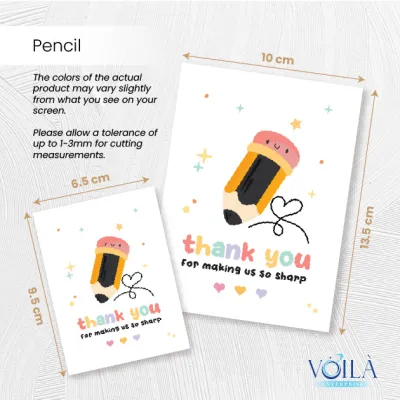
![[GC 23] Greeting Card | Gift Card | Jumbo Card | A4 Big Card | Birthday Best Wishes Farewell Good Bye Good Luck Christmas CNY](https://img.lazcdn.com/g/p/6be9a94d7b3928f695d1a1cae55074a0.jpg_400x400q80.jpg_.webp)



Prices are valid at publication and may change. Please refer to the product page for the latest price.
The envelope is another critical component that is frequently overlooked. A premium card should be accompanied by a matching envelope of comparable weight and quality. Check that the envelope paper is thick enough to prevent the card’s design from showing through, and verify that the adhesive gum seal is reliable.
Finally, consider the design aesthetic and the physical space available for writing. A well-designed card balances visual appeal with functionality. Ensure there is adequate blank space inside or on the back for your personalized handwritten message, allowing you to express your thoughts without crowding the design.
Matching Card Styles to Specific Occasions
Selecting the right greeting card requires aligning the brand’s design philosophy with the social context of your event. Different brands specialize in distinct aesthetics, ranging from minimalist modernism to ornate traditionalism. To make an appropriate choice, cross-reference the brand’s current catalog with the formality and tone of the occasion. A mismatch—such as sending a highly casual, humorous card for a formal corporate achievement—can dilute the sincerity of your message. Understanding how brand heritage and design focus dictate suitability helps you navigate the retail landscape efficiently.

Premium and Formal Milestones
For significant life events such as weddings, milestone anniversaries, and formal corporate greetings, the card itself serves as a lasting keepsake. When shopping for these occasions, focus on brands that specialize in elegant typography, traditional motifs, and heavy-weight paper. These premium offerings often incorporate sophisticated design elements, such as intricate laser-cut patterns, delicate gold or silver foil accents, and raised ink printing.
When evaluating these cards, pay close attention to the pre-printed messages. Formal etiquette often demands a refined, understated tone. Verify that the wording is respectful and aligns perfectly with the relationship you share with the recipient. If you prefer to write a highly personalized message, look for cards that are entirely blank inside, allowing your own words to take center stage on the luxurious paper.
Casual and Everyday Celebrations
For birthdays, casual thank-you notes, housewarmings, and spontaneous gestures of appreciation, the design focus shifts toward warmth, humor, and contemporary relevance. Brands catering to these everyday moments often feature vibrant illustrations, playful typography, and lighthearted pop-culture references. These designs are meant to bring an immediate smile to the recipient’s face and feel highly personal without being overly formal.
For these casual occasions, standard paper weights (typically between 200 gsm and 250 gsm) are entirely acceptable and offer a more budget-friendly alternative to heavy cardstock. If you find yourself frequently sending cards to friends, family, or colleagues, consider looking for multi-pack options or boxed card sets. Purchasing these sets from mass-market stationery brands ensures you always have a versatile selection on hand, saving you time and reducing the cost per card.
Cultural and Seasonal Festivities
Singapore’s rich multicultural calendar features major celebrations such as Lunar New Year, Deepavali, Hari Raya, and Christmas. Finding cards that capture the authentic spirit of these holidays requires looking beyond generic global designs. Local independent designers and specialized regional collections excel in this area, offering cards adorned with culturally accurate motifs, traditional color palettes, and localized greetings.
When selecting a cultural card, it is essential to verify the accuracy and appropriateness of the symbols and text used. For instance, ensure that traditional greetings are spelled correctly and that the imagery respects cultural customs. Because these festive collections are highly seasonal, they are typically produced in limited quantities. To secure the best designs and ensure your cards arrive or can be sent out well before the holiday begins, plan to purchase these items early in the festive season.
Where to Shop and How to Verify Card Quality
Knowing where to shop and how to assess a card’s physical quality can save you from disappointing purchases. Physical stationery stores, specialty gift boutiques, and department stores in Singapore are excellent locations for hands-on evaluation. Visiting a physical store allows you to feel the paper texture, assess the weight of the cardstock, and verify the true color accuracy under natural or ambient light, which can sometimes differ from digital screens.
If you prefer the convenience of online marketplaces, brand websites, or local e-commerce platforms, you must rely on detailed product specifications and customer feedback. Look for listings that explicitly state the paper weight (in gsm) and material composition. Read customer reviews carefully, paying close attention to comments regarding paper thickness, print quality, and whether the envelopes arrived in good condition. Always verify the price in S$ and check the estimated shipping times to ensure the card arrives well before your deadline.
Whether shopping in person or inspecting a delivered online order, perform a quick quality check. Inspect the edges of the card to ensure they are cleanly cut without fraying or uneven borders. Test the fold of the card and the envelope to confirm they crease neatly without cracking the paper fibers or peeling the printed design.
Decision Framework: Choosing the Right Brand for You
To finalize your selection, use a structured decision framework based on your immediate priorities, budget, and the recipient’s preferences.
First, assess the formality of the event. If the occasion is highly formal, such as a wedding or a major corporate milestone, prioritize premium heritage brands that offer heavy cardstock, elegant foil finishes, and traditional designs. This option is best when your budget is flexible and you want to make a lasting, sophisticated impression.
Second, consider the cultural context and uniqueness. If you are celebrating a local festival or want a highly creative, artistic design, choose a local independent designer. This path allows you to support the local creative community while obtaining unique illustrations that stand out from mass-produced alternatives.
Third, evaluate volume and budget. If you need to purchase cards in bulk for casual office events, classroom celebrations, or frequent birthdays, opt for mass-market stationery brands. These brands provide accessible, cheerful, and cost-effective options that keep your stationery drawer well-stocked without a significant financial investment.
Finally, verify any specific recipient preferences or practical constraints. Check if the recipient values eco-friendly materials, such as recycled paper or biodegradable packaging. Additionally, consider the type of pen you plan to use, as some card finishes require specialized ink to prevent smudging.
Frequently Asked Questions (FAQ)
How do I prevent ink from smudging on glossy greeting cards?
Glossy or heavily coated greeting cards have a smooth, non-porous surface that can repel standard water-based or slow-drying inks, leading to frustrating smudges. To prevent this, check your pen’s label or specifications before writing. Opt for quick-drying gel pens, fine-tip permanent markers, or oil-based ballpoint pens, which adhere much better to coated surfaces. Before writing your main message inside the card, perform a quick test write on a small, inconspicuous area, such as the back corner of the card or the inside of the envelope flap. Allow the test ink to sit for a few seconds, then gently tap it to ensure it has dried completely and will not smear.
Are eco-friendly greeting cards widely available in local stores?
Yes, eco-friendly greeting cards are increasingly accessible in Singapore, though finding them requires looking for specific indicators. When shopping, inspect the card packaging or the back of the card for environmental certifications, such as the FSC (Forest Stewardship Council) logo, which indicates the paper comes from responsibly managed forests. You can also look for labels indicating the use of post-consumer recycled waste or soy-based inks. While mainstream stationery brands frequently offer dedicated eco-friendly lines, local independent brands are particularly known for prioritizing sustainability. Many of these independent creators specialize in innovative materials, such as biodegradable seed paper that can be planted after use, or completely plastic-free packaging. If you are shopping online, check the product description for these sustainability details, or ask store staff to direct you to their eco-friendly stationery sections.

Community discussion
Share your experience or ask a question. Comments are reviewed before publication.