
Quick Answer: Is There a Single "Best" Paper Quality?
No single brand of four-line notebook holds the title of “best” paper quality for every writer. The ideal paper depends entirely on the specific writing instruments, ink types, and practice goals you bring to the page.
A fundamental trade-off exists in stationery design: heavily coated or sized papers are excellent at preventing wet fountain pen inks from bleeding, but they slow down drying times. This slow drying can lead to smudging if you write quickly or use gel pens. Conversely, highly absorbent papers dry quickly but cause wet inks to feather and spread across the guidelines.
To find your perfect match, you must evaluate three primary paper characteristics: paper weight (measured in grams per square meter or gsm), surface sizing (the chemical treatment that controls liquid absorption), and the overall ink absorption rate.
Products mentioned in this guide
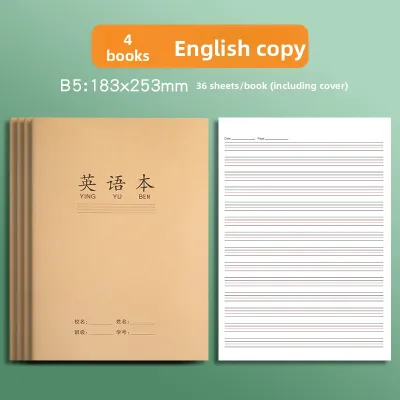
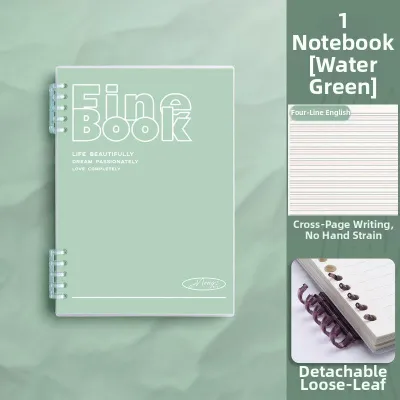
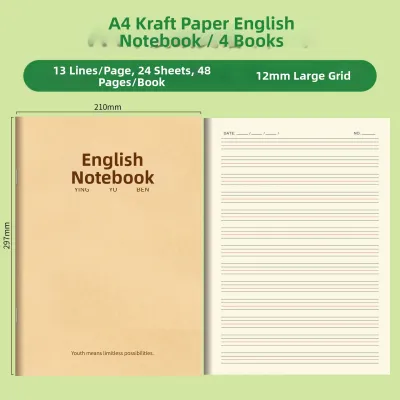
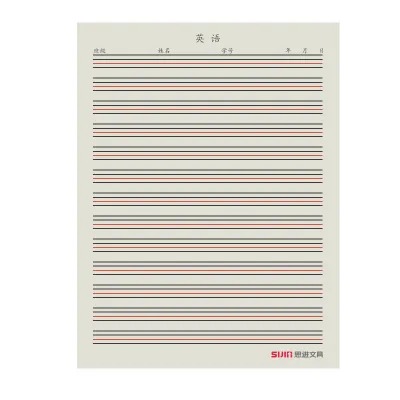
Prices are valid at publication and may change. Please refer to the product page for the latest price.
Key Dimensions for Evaluating Four Line Notebook Paper
To judge the quality of a four-line notebook beyond marketing claims, you need to understand the technical and observable metrics of paper manufacturing.

Paper Weight and Thickness
Paper weight is typically expressed in grams per square meter (gsm). For basic pencil or ballpoint practice, standard 70 gsm to 80 gsm paper may suffice. However, for calligraphy, fountain pens, or wet inks, you should look for heavier stocks ranging from 100 gsm to 120 gsm. Thicker paper provides the structural integrity needed to resist ink penetration, preventing unsightly bleed-through to the next page and minimizing “ghosting”—the shadow of writing visible on the reverse side.
Surface Sizing and Coating
Sizing refers to substances applied to paper during manufacturing to reduce its absorbency. Well-sized paper allows ink to sit on the surface slightly before drying, which preserves sharp, crisp lines along the four-line grid. Without adequate sizing, ink spreads outward in tiny spiderweb-like patterns, a phenomenon known as feathering, which ruins the precision required for formal handwriting practice.
Grid Line Printing Quality
The four-line grid itself is printed onto the paper, and the type of ink used for these guidelines matters. If the manufacturer uses a heavy, wax-based or oil-based printing ink for the lines, it can create a barrier that repels water-based writing inks. When your pen crosses these lines, you might experience skipping or uneven ink flow. High-quality notebooks use precise, water-compatible ruling inks that allow your pen to glide smoothly across the grid without interruption.
Paper Tone and Brightness
The visual background of your practice sheets affects comfort during long sessions. Bright white papers often contain optical brightening agents (OBAs) that reflect a high amount of blue light, which can contribute to eye strain under typical indoor lighting in Singapore homes. Natural cream, ivory, or off-white tones are gentler on the eyes, allowing you to focus on letterforms and spacing for extended periods without fatigue.
Environmental Factors and Storage
In a humid climate like Singapore’s, paper can act like a sponge, absorbing ambient moisture from the air over time. This moisture absorption can soften the paper’s sizing and make even high-quality sheets more prone to feathering and bleeding. Storing your notebooks in a dry drawer, using a slipcase, or keeping them in an air-conditioned room helps preserve the paper’s original writing characteristics and prevents the pages from warping.
Matching Paper Profiles to Your Pen and Ink
Aligning your specific writing instruments with the appropriate paper characteristics is essential to avoid frustration during practice.
Dip Pens and Fountain Pens
Traditional calligraphy practice often involves dip pens with flexible nibs or fountain pens carrying wet, free-flowing inks. These tools require a highly structured, well-sized paper surface. If the paper is too soft or fibrous, the sharp metal tines of a dip pen nib will catch on the paper fibers, causing ink splatters and damaging the paper surface. Look for ultra-smooth, high-gsm paper that resists feathering and allows the nib to slide effortlessly.
Gel and Rollerball Pens
Gel and rollerball pens are popular for daily handwriting practice due to their smooth flow and vibrant colors. However, because gel ink is water-based and applied in a relatively thick layer, it requires a paper with a moderate absorption rate. If you use heavily coated, non-porous paper, the gel ink will sit on top of the page indefinitely, making it highly susceptible to smudging under your hand as you move down the page. A medium-weight, lightly sized paper strikes the best balance here.
Brush Pens and Markers
Modern brush lettering and calligraphy often utilize felt-tip brush pens or alcohol-based markers. These instruments lay down a significant volume of ink and can be highly abrasive to delicate paper surfaces. To prevent the tips of your brush pens from fraying, you need an exceptionally smooth, calendered paper. Additionally, because markers tend to bleed aggressively, choosing a notebook with a high weight rating or specialized bleed-proof barriers is essential to protect subsequent pages.
How to Test and Verify Paper Quality Before Committing
Before purchasing notebooks in bulk, you can use several low-risk methods to physically or visually verify paper performance.
Check Manufacturer Specifications
Before making a purchase, examine the notebook’s cover, packaging, or online product description for technical details. Look for explicit paper weight ratings (such as 100 gsm or higher) and descriptive terms like “fountain pen friendly,” “bleed-resistant,” or “high-density paper.” While these labels are not universal guarantees, they indicate that the manufacturer has designed the paper to handle wetter writing instruments.
The Swab and Dry Test
If you have access to a single sheet or a tester notebook, you can perform a simple diagnostic test. Dip a cotton swab into your preferred practice ink and draw a solid line or patch on the paper. Observe how the ink behaves: does it immediately soak in and spread outward (feathering), or does it pool cleanly and dry with sharp edges? Time how long it takes for the ink patch to dry completely to understand the paper’s absorption speed.
Observe Ghosting vs. Bleed-through
Write a few sample lines using your heaviest pen, then turn the page. Hold the sheet up to a light source to evaluate the reverse side. “Ghosting” refers to a faint shadow of your writing that is visible but does not break through the paper surface; this is generally acceptable for practice. “Bleed-through” occurs when the ink physically penetrates the paper fibers and appears as wet spots or stains on the back, indicating the paper is too thin or porous for that specific pen.
Request or Buy Samples
To avoid the waste of buying a bulk pack of notebooks that do not suit your writing style, start small. Spend S$5 to S$15 on a single notebook first to run your tests. Alternatively, visit local stationery boutiques where staff may have open sample sheets or tester books available, allowing you to run a quick test with your own pens before committing to a larger purchase.
Sourcing and Comparing Four Line Notebooks in Singapore
Finding and comparing these specialized notebooks locally requires a strategic approach to sourcing.
Specialty Stationery Stores
Visiting physical stationery shops in Singapore offers a distinct advantage. You can physically feel the texture of the paper—whether it is toothy, satin, or ultra-smooth—and inspect the exact spacing of the four-line grid. This is particularly important for handwriting practice, as the physical distance between the baseline, waistline, and ascender/descender lines must match your hand size and writing style.
Brand Official Stores and Websites
For the most accurate and up-to-date technical specifications, consult the official online stores or websites of established stationery brands. These platforms often provide detailed product datasheets, explaining the exact manufacturing processes, paper origins, and environmental certifications. Buying directly from official brand channels also ensures you receive authentic products rather than low-quality counterfeits with inferior paper.
Online Marketplaces
E-commerce platforms and online marketplaces offer unparalleled convenience and a wide variety of international brands. When shopping online, pay close attention to user reviews and Q&A sections, specifically searching for feedback from other calligraphy or handwriting enthusiasts. Look for comments detailing how the paper handles fountain pens or brush markers, but remain cautious of unverified third-party sellers who may misrepresent paper weights or specifications.
Decision Framework: Choosing the Right Paper for Your Practice
To finalize your purchase choice, synthesize the evaluation criteria into a clear, conditional decision matrix.
- Choose heavily sized, thick paper if you practice traditional calligraphy with wet inks, dip pens, or broad-edge nibs. The sizing will keep your lines crisp, while the thickness prevents ink from seeping through the page, ensuring your delicate ascenders and descenders remain perfectly defined.
- Choose lightly coated, medium-weight paper if you use fine-liners, gel pens, or practice rapid cursive writing. This combination allows the ink to dry quickly enough to prevent smudging as your hand moves across the page, while still providing enough resistance to prevent excessive feathering.
- Verify first if the notebook binding allows the book to lay completely flat. A stiff, glued spine that forces the pages to curve upward near the center will disrupt your hand positioning and ruin your writing rhythm, regardless of how exceptional the paper quality is. Look for thread-bound or spiral-bound designs that open flat to ensure maximum comfort.
- Neither may fit if you require archival-grade, acid-free certification for long-term preservation of your practice sheets. If you intend to keep your calligraphy work for years without yellowing or degradation, you must verify the manufacturer's explicit chemical guarantees rather than assuming standard practice paper is acid-free.
Frequently Asked Questions (FAQ)
Does the color of the four-line grid affect ink flow?
Yes, the printed guidelines can interact with your writing ink. If the four-line grid is printed using a heavy, wax-based or oil-based ink, it creates a hydrophobic barrier on the paper. When your water-based pen nib crosses these lines, the ink may bead up or skip, leaving small gaps in your letters. It is best to test writing directly over the printed lines to ensure your pen glides smoothly without skipping.
Can I use both sides of a thick four-line notebook page?
Whether you can use both sides depends on the paper’s weight and your ink’s saturation. While thick paper (such as 100 gsm or higher) significantly reduces bleed-through, heavy ink application from brush pens, broad nibs, or highly saturated inks can still cause noticeable ghosting on the reverse side. If you require pristine, distraction-free practice sheets, you may prefer to write only on the front side of each page.
Community discussion
Share your experience or ask a question. Comments are reviewed before publication.