
Finding the ideal notebook in Singapore’s diverse stationery market requires looking beyond aesthetic covers to evaluate the physical properties of the paper itself. When comparing the Femobook A4Z to other popular notebook brands, the decision ultimately hinges on how its specific paper weight, surface texture, and internal sizing interact with your preferred writing instruments. Because paper performance is highly dependent on the combination of ink chemistry and fiber composition, understanding how to inspect and test these physical characteristics is the most reliable way to determine if the Femobook A4Z or an alternative brand will best support your daily writing tasks.
By focusing on observable physical traits rather than marketing claims, you can systematically evaluate any notebook’s suitability for your writing style. This approach allows you to make an informed choice based on objective criteria, ensuring that your pens glide smoothly without causing frustrating smudges, feathering, or ink bleed-through on the reverse side of the page.
Key Paper Metrics to Inspect in Any Notebook
Paper weight, measured in Grams per Square Meter (GSM), is the most common specification used to describe paper thickness and density. Generally, a higher GSM indicates a thicker, heavier sheet that offers greater opacity, which directly reduces show-through or “ghosting” where writing is visible from the opposite side of the page. However, GSM alone does not dictate quality; a high-density paper can be thin yet highly opaque, while a bulkier, low-density paper might allow ink to seep through easily. Understanding this distinction helps you look past simple numbers to evaluate the actual structure of the sheet.
Products mentioned in this guide
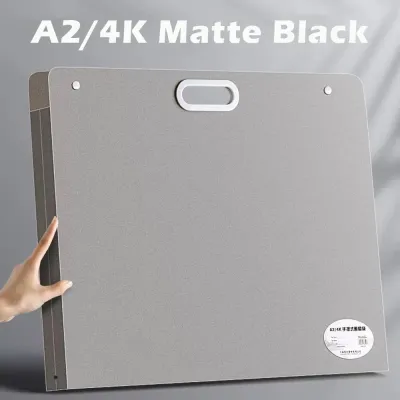
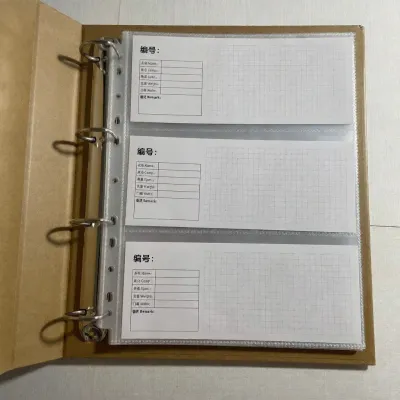
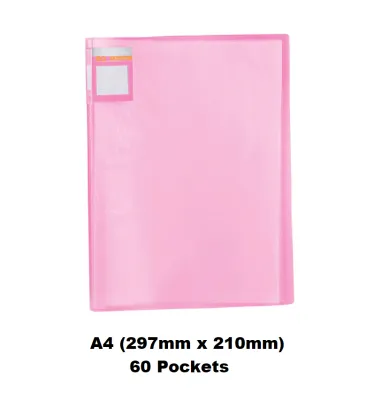
Prices are valid at publication and may change. Please refer to the product page for the latest price.
Surface finish is another critical factor that dictates how a pen behaves when it touches the page. Coated papers feature a thin layer of clay or polymer that sits on top of the cellulose fibers, creating a smooth, polished surface that keeps ink from absorbing too deeply. This results in exceptionally sharp lines and vibrant ink colors, though it typically extends drying times. Uncoated papers, on the other hand, expose the natural texture of the wood fibers, offering faster drying times at the expense of potential ink spreading and a slightly rougher writing feel.
Internal sizing refers to chemical additives, such as starch or synthetic compounds, mixed into the paper pulp during manufacturing to control its water resistance. Without adequate sizing, paper acts like a paper towel, drawing liquid ink rapidly along its fibers via capillary action. This causes feathering, where lines lose their crisp edges and spread outward, and bleed-through, where ink penetrates entirely to the back of the page. High-quality notebooks designed for liquid inks rely heavily on precise internal sizing to maintain clean, sharp lines.
Assessing Femobook A4Z Paper for Your Writing Needs
To evaluate how the Femobook A4Z paper performs under your specific writing conditions, start by locating the manufacturer’s stated specifications on the packaging or official product listings. Look for details regarding the GSM, the type of ruling, and any mentions of specialized paper treatments. Knowing these baseline specifications gives you a starting point for comparing the notebook against other options in your collection and helps set realistic expectations for its ink capacity.

Before committing a new Femobook A4Z notebook to important journals or professional notes, conduct a controlled pen test on one of the back pages. Use a selection of your everyday writing tools, including gel pens, ballpoints, fine liners, and highlighters. Write a few lines with each, varying your writing speed and pressure, and then observe how the ink settles on the surface. Pay close attention to how long the ink takes to dry completely, which is especially important in Singapore’s humid climate where moisture can prolong drying times.
Next, evaluate the paper’s physical texture, often referred to as its “tooth.” Run your fingertips across the page to feel the level of friction it offers. A paper with very little tooth feels glassy and allows fast, effortless writing, which is ideal for rapid note-taking but can sometimes cause slippery pen control. A paper with a moderate tooth provides tactile feedback, giving you more control over your pen strokes, which is highly beneficial for detailed handwriting, sketching, or practicing calligraphy.
Condition-Based Comparison with Other Notebook Brands
Standard everyday notebooks, typically ranging from 70 to 80 GSM, are designed primarily for high-volume drafting, schoolwork, and utility note-taking. These papers are generally uncoated and lightly sized, making them highly compatible with standard ballpoint pens and pencils because the ink dries almost instantly. However, they are highly susceptible to ghosting and bleed-through when paired with wet gel pens, rollerballs, or fountain pens, making them less suitable for double-sided writing with liquid inks.
Premium specialty notebooks, often featuring paper weights of 90 GSM or higher, utilize advanced manufacturing techniques and heavy internal sizing to accommodate demanding writing instruments. These papers are engineered to handle heavy ink saturation, wet fountain pen nibs, and multi-layered highlighting without allowing any ink to penetrate the page. While they offer an exceptional writing experience with minimal ghosting, they are typically heavier to carry, more expensive, and may require you to wait longer for water-based inks to dry.
When deciding between the Femobook A4Z and other options, apply a simple decision framework based on your primary use case. Choose the Femobook A4Z if you require a versatile, mid-weight notebook that balances portability with reliable performance for daily gel pen or fine-liner use. Opt for standard, budget-friendly brands if you primarily write with ballpoints and need a cost-effective option for rough drafts. Select premium, heavy-weight specialty brands if your work involves wet fountain pens, artistic markers, or archival projects that demand absolute opacity.
Matching Paper Characteristics to Your Pen and Ink Types
Ballpoint and rollerball pens have very different paper requirements due to their distinct ink formulas. Ballpoint pens use a thick, oil-based paste that requires physical pressure to transfer onto the page, making them highly tolerant of almost any paper type, including thin or unsized sheets. Rollerball pens, however, utilize a liquid, water-based ink that flows effortlessly. To prevent rollerball ink from smudging, you need a paper surface that absorbs the liquid relatively quickly while maintaining enough sizing to keep the line edges sharp.
Gel pens and fountain pens require a delicate balance of paper thickness and surface treatment to perform optimally. Gel ink consists of pigments suspended in a water-based gel, which thins under the friction of the rolling ball and solidifies slightly upon contact with the paper. Fountain pen ink is highly fluid and relies entirely on capillary action to flow from the nib. Both pen types perform best on papers with robust internal sizing and a smooth finish, which prevent the liquid from spreading uncontrollably into the paper fibers and causing feathering.
Markers and highlighters apply a significantly larger volume of ink to the page compared to standard writing pens. Because highlighters are often used to draw broad lines over existing text, the paper must have a high enough GSM and density to absorb this sudden surge of moisture without warping or bleeding through to the reverse side. If you frequently color-code your notes or use heavy markers, prioritizing paper thickness and density is essential to keep your notebook pages clean and legible on both sides.
Verifying Specifications and Sourcing Authentic Notebooks
To ensure you receive a genuine Femobook A4Z notebook that matches the manufacturer’s intended quality standards, always consult the brand’s official website or authorized stationery retailers in Singapore. Purchasing from verified sources guarantees that the paper has been stored in appropriate conditions, as prolonged exposure to high humidity can degrade paper sizing and alter its writing performance before you even open the cover.
Analyzing verified buyer reviews on reputable online marketplaces can provide valuable, real-world insights into how the paper behaves under daily use. Look for specific feedback regarding paper smoothness, ink drying times, and how well the binding holds up over time. Pay attention to reviews from users who write with similar pens to yours, as this hands-on feedback can highlight subtle performance details that standard specification sheets might omit.
Finally, check current pricing in S$ and verify stock availability directly from official stores to avoid counterfeit or mislabeled paper batches. Mislabeled products often use lower-grade paper that lacks proper sizing, leading to severe bleed-through and feathering. By verifying the seller’s credentials and comparing prices across authorized channels, you can confidently secure a high-quality notebook that meets your writing standards.
Frequently Asked Questions (FAQ)
How can I test notebook paper for bleed-through at home?
To test your notebook paper for bleed-through, select a page at the very back of the book to serve as your test sheet. Write a series of sample strokes using your wettest pens, highlighters, or markers, applying normal writing pressure. Hold the page up to a direct light source to check for ghosting, which is the shadow of the writing visible on the reverse side. Next, turn the page over to inspect for true bleed-through, looking for spots where the ink has physically penetrated the paper fibers and marked the opposite side.
Does higher GSM always mean better paper quality?
No, a higher GSM does not automatically guarantee a superior writing experience. While a higher GSM indicates a heavier and thicker sheet of paper that naturally resists ghosting, the overall quality depends heavily on the paper’s fiber composition, surface finish, and internal sizing. A lightweight paper with excellent sizing can handle wet fountain pen inks beautifully without feathering, whereas a heavy, high-GSM paper with poor sizing might absorb ink like a sponge, causing lines to spread and bleed despite its thickness.

Community discussion
Share your experience or ask a question. Comments are reviewed before publication.