
Quick Answer: Is There a Single Best Brand?
Finding the ideal Chinese exercise book for daily school use depends more on your student’s writing tools and specific practice needs than on a single brand name. There is no universal winner because paper performance varies significantly depending on whether a student writes with a pencil, a gel pen, or a fountain pen.
For daily Chinese character practice, students require specific grid layouts—such as Tian Zi Ge or Mi Zi Ge—and paper with sufficient thickness and sizing to prevent ink from bleeding through. Instead of relying solely on brand reputation, the most reliable approach is to check the product specifications on the label, focusing on paper weight (measured in grams per square meter, or GSM) and surface treatment. Selecting a book tailored to the student’s primary writing instrument ensures a smooth, smudge-free writing experience throughout the school year.
How to Evaluate Paper Quality for Daily School Use
To choose the right exercise book without relying on trial and error, you can evaluate several physical characteristics and specifications. Understanding these technical aspects allows you to assess any notebook’s suitability directly from the packaging or during a quick in-store inspection.
Products mentioned in this guide
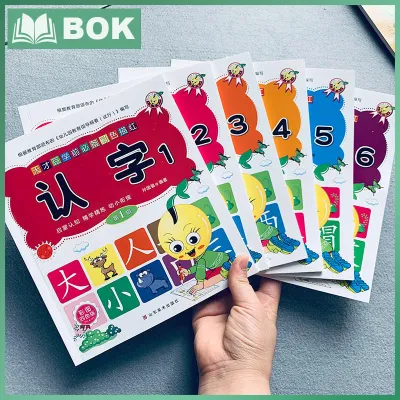
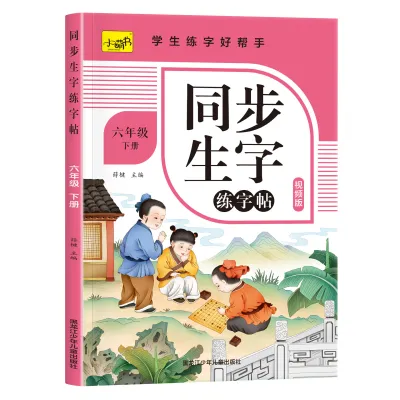
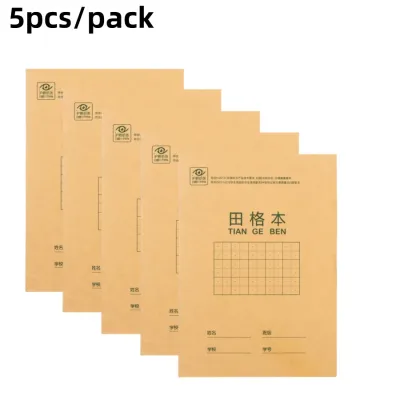
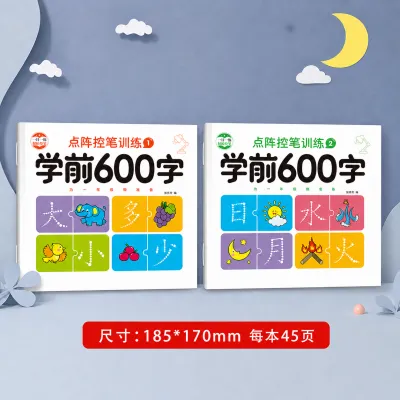
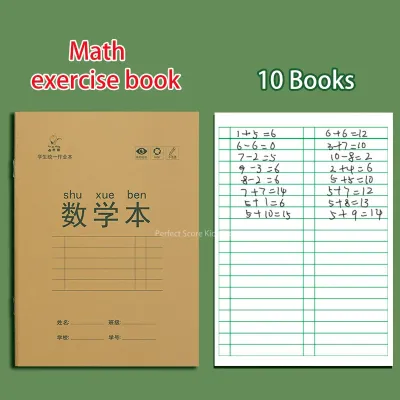
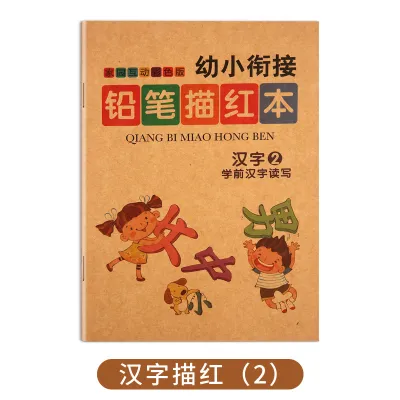
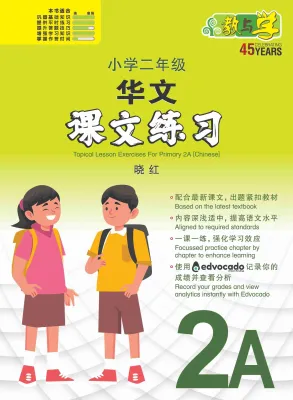
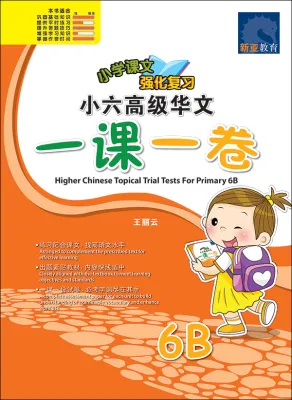
Prices are valid at publication and may change. Please refer to the product page for the latest price.

Paper Weight and Thickness
The weight of paper is standardly measured in grams per square meter (GSM). For daily schoolwork, most standard exercise books range between 70 GSM and 80 GSM. Thicker paper (80 GSM and above) provides greater opacity, which significantly reduces show-through and prevents ink from bleeding through to the reverse side. If your student writes on both sides of the page, opting for at least 70 GSM to 80 GSM is highly recommended to keep both sides legible.
Surface Texture and Sizing
Sizing refers to the chemical additives applied to paper during manufacturing to control its absorbency. Well-sized paper resists liquid penetration, preventing water-based inks from spreading or feathering. The surface texture, or “tooth,” also plays a critical role. A very smooth, coated surface is excellent for fast-gliding gel pens but can cause ink to smear if it dries too slowly. Conversely, a slight texture or tooth is beneficial for pencils and fountain pens, as it provides physical feedback and helps control the pen tip.
Grid and Layout Precision
Chinese character practice relies heavily on printed guides like Tian Zi Ge (field grids) or Mi Zi Ge (star/rice grids). Inspect the precision and color of these printed lines. The grid lines should be clear and consistent but not overly dark or thick. Heavy, dark ink used for printing grids can sometimes repel writing ink or cause localized bleeding where the pen crosses the printed line. Look for books with pale grey, light blue, or soft green grids that guide the writer without distracting the eye.
Opacity Checks
Before purchasing a large pack of notebooks, perform a quick visual check. Hold a single sheet up to a light source to observe the density of the paper fibers. Highly mottled or uneven paper indicates lower quality, which can lead to inconsistent ink absorption. If possible, test a single page by writing a few characters with the student’s preferred pen to observe how much shadow is visible from the back of the page.
Comparing Popular Chinese Exercise Book Categories
Chinese exercise books generally fall into three distinct categories, each designed with different priorities, materials, and binding methods. Understanding these categories helps narrow down the options based on your student’s daily routine.
Traditional Heritage Brands
These books focus heavily on standard academic layouts and functional simplicity. They typically feature classic off-white or slightly cream-colored paper, which is designed to reduce eye strain under bright classroom lights. The paper weight is usually a standard 70 GSM to 75 GSM, optimized for pencil and standard ballpoint use. They are highly affordable and widely available in bulk packs, making them a staple for primary school classrooms.
Modern Stationery Brands
Modern brands prioritize user experience, aesthetic appeal, and compatibility with modern writing instruments like gel pens. These notebooks often feature smoother, brighter paper with advanced sizing to ensure quick ink drying. They also offer a wider variety of binding styles, including lay-flat thread binding and durable staple-bound covers. The designs are often more colorful, and the paper weight frequently reaches 80 GSM, offering excellent resistance to show-through.
Specialty Calligraphy Brands
Designed specifically for advanced character practice, brush pens, or fountain pens, these books emphasize high ink resistance and absorption control. They often utilize heavier paper weights, ranging from 85 GSM to over 100 GSM, or specialized paper types that mimic traditional calligraphy mediums. The grids are meticulously spaced to assist with stroke proportion and balance, making them ideal for dedicated handwriting classes rather than rapid daily note-taking.
Category Comparison Matrix
| Category | Typical Grid Types | Target Writing Instruments | Observable Paper Traits | Verification Method |
|---|---|---|---|---|
| Traditional Heritage | Tian Zi Ge, Mi Zi Ge, Medium Grids | Pencils, Ballpoint Pens | Off-white/cream tone, slight texture, standard thickness | Check label for standard school dimensions and 70 GSM rating |
| Modern Stationery | Standard Grids, Lined with Grids | Gel Pens, Rollerballs, Pencils | Bright white or soft cream, very smooth surface, quick-drying | Look for "smooth finish" or "ink-safe" labels; verify 80 GSM |
| Specialty Calligraphy | Large Mi Zi Ge, Hui Gong Ge | Fountain Pens, Brush Pens, Calligraphy Pens | Heavyweight, high opacity, matte finish with controlled absorption | Verify weight of 85+ GSM and check for ink-resistant sizing specs |
Matching Paper Types with Writing Instruments
The interaction between the paper surface and the pen tip determines how comfortable writing feels and how neat the final work appears. Matching the paper type to the specific writing instrument prevents common issues like smudging, tearing, and hand fatigue.
Pencils for Early Learners
Younger students learning stroke order and character structure almost exclusively use pencils. For these learners, avoid highly glossy or overly smooth paper. Smooth surfaces cause graphite to slip, making it difficult for children to control their strokes and develop proper hand strength. Instead, choose paper with a slight texture or tooth. This texture provides tactile feedback, helping the student feel the paper as they write. Additionally, ensure the paper has good erasability; thin, low-quality paper can easily tear or wrinkle under the friction of a rubber eraser.
Gel and Rollerball Pens
As students progress to older grades, gel pens become the standard writing tool. Gel ink is water-based and flows generously, which can lead to smudging if the paper does not absorb it at the correct rate. For gel pens, look for moderately smooth, well-sized paper. The sizing prevents the ink from spreading outward (feathering), while the smooth surface allows the pen tip to glide effortlessly during fast-paced note-taking. Ensure the paper is rated at least 75 GSM to prevent the heavy ink flow of gel pens from showing through on the reverse side.
Fountain Pens and Ink Brushes
For dedicated calligraphy practice or students who prefer fountain pens, paper quality is paramount. Fountain pen ink is highly fluid and will easily bleed through standard school paper. To avoid this, look for specialty books with a paper weight of 80 GSM to 100 GSM that explicitly state they are fountain-pen friendly or feature ink-resistant sizing. The paper should have a matte finish that absorbs ink cleanly without allowing it to spread along the paper fibers, preserving the sharp, clean edges of each stroke.
What to Check Before Purchasing
Before buying a semester’s supply of Chinese exercise books, taking a few minutes to verify specific details can save you from purchasing unusable stationery.
Size and Format Standards
School requirements for exercise book sizes can vary. Common sizes include A4 (for comprehensive worksheets), B5 (a highly popular mid-size for daily practice), and smaller custom school sizes. Always check your school’s booklist or guidelines to ensure you purchase the correct dimensions. Additionally, consider the binding:
- Stapled Binding: Lightweight and lays relatively flat, but has a limited page capacity.
- Thread-Bound / Sewn Binding: Highly durable, allows the book to lay completely flat for comfortable writing near the margins, and prevents pages from falling out.
- Glue-Bound: Offers a clean spine but may not lay flat easily, which can frustrate students trying to write near the inner spine.
Reading Product Labels
Do not rely solely on the cover design. Look at the back cover or the product listing on online marketplaces for technical specifications. Key details to look for include:
- Paper Weight: Look for the GSM number (70, 75, 80, or 90 GSM).
- Page Count: Ensure the book has enough pages for the term (typically 40 to 80 pages).
- Grid Size: Grid squares for beginners are usually larger (e.g., 15mm or 18mm) to accommodate large characters, while older students use smaller grids (e.g., 10mm or 12mm).
Testing Before Bulk Purchase
If you are buying locally, purchase a single copy first. Have your student write a few lines using their daily school pens and pencils. Check how long the ink takes to dry, whether the eraser damages the paper, and if there is any visible bleed-through on the back. If the single book passes these tests, you can confidently proceed with a bulk purchase.
Checking Return Policies
When ordering from online marketplaces, bulk packs of stationery are common and cost-effective, often ranging from S$5.00 to S$15.00 depending on the quantity. However, shipping can sometimes cause bent corners or damaged spines. Always verify the seller’s return and exchange policies before finalizing your purchase, ensuring you can easily replace any damaged items before the school term begins.
Frequently Asked Questions (FAQ)
Does the color of the paper affect handwriting practice?
Yes, paper color can significantly impact eye comfort during long writing sessions. Bright white paper offers high contrast, which makes characters stand out clearly, but it can reflect a lot of light and cause eye strain under bright classroom fluorescent tubes or desk lamps. Off-white, cream, or soft ivory tones are generally preferred for daily school use because they absorb more light, reducing glare and minimizing eye fatigue during extended practice.
Can I use standard lined notebooks instead of grid exercise books for Chinese characters?
While standard lined notebooks are suitable for writing sentences once a student is fluent, they are not recommended for learning or practicing character structure. Chinese characters are block-based and require precise spatial balance among their radical components. Grid layouts like Tian Zi Ge or Mi Zi Ge provide crucial horizontal, vertical, and diagonal reference lines. These guides help students position strokes accurately, maintain consistent character sizes, and master the overall proportions of complex characters.
Community discussion
Share your experience or ask a question. Comments are reviewed before publication.