
Choosing a B6 notebook involves balancing portability with writing comfort. The B6 size, measuring approximately 125 mm by 176 mm, has gained popularity as a versatile middle ground for daily journaling, planning, and sketching. However, the overall writing experience is heavily dictated by how the paper interacts with your specific writing instruments and the local environment.
In regions with high relative humidity, such as Singapore, paper behavior can change significantly. High humidity can slow down ink drying times and alter how paper fibers absorb liquid, making the choice of paper quality a critical decision. Because paper performance is highly subjective and varies by manufacturing batch, there is no single universal winner for paper quality. Instead, the best choice is determined by matching the notebook’s paper weight, surface treatment, and binding style to your primary writing tools and journaling needs.
Core Standards for Evaluating B6 Notebook Paper
To evaluate B6 notebook paper objectively, you must first understand the technical metrics that govern paper manufacturing. The most common specification you will encounter is paper weight, measured in grams per square meter (GSM). GSM indicates the density and thickness of the paper, typically ranging from lightweight 52 GSM sheets to heavy 160 GSM cardstock. While higher GSM generally provides a stiffer page and reduces the visibility of writing on the reverse side, it is not the sole indicator of paper quality.
Products mentioned in this guide
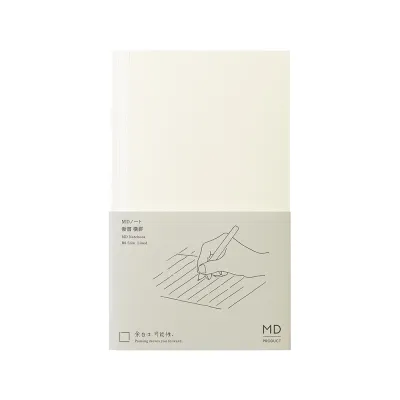
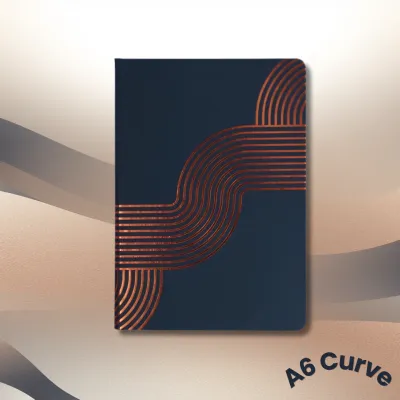
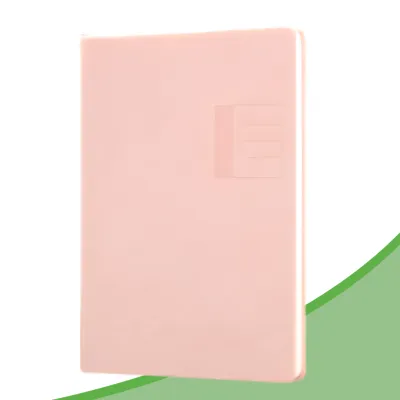
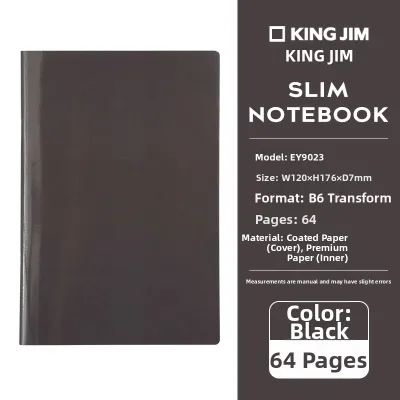
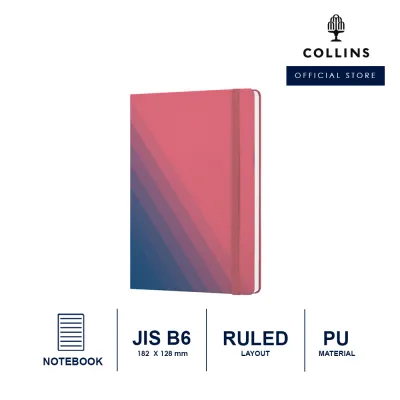
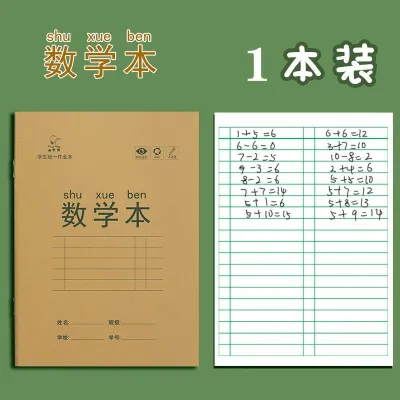
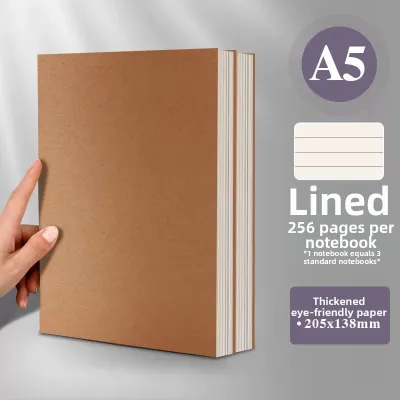
Prices are valid at publication and may change. Please refer to the product page for the latest price.
Surface sizing and coatings are equally critical to the writing experience. Sizing refers to chemical additives applied during manufacturing to control the paper’s absorbency. Highly sized or coated papers resist liquid penetration, allowing ink to sit on top of the page. This characteristic preserves the vibrant colors, shading, and sheen of specialized inks, but it also extends drying times. Conversely, uncoated or lightly sized papers absorb ink rapidly, which minimizes drying times but increases the risk of ink spreading along the paper fibers.
The visual characteristics of the paper, including color, brightness, and opacity, also affect long-term usability. Cream or ivory-colored papers are often preferred for extended writing sessions because they reflect less harsh light, reducing eye strain under bright office or study lamps. Bright white papers, on the other hand, provide maximum contrast and ensure that colored inks appear true to their intended shade. Opacity is another vital factor; low-opacity paper allows “ghosting,” where shadow outlines of your writing are visible on the back of the page, which may limit your ability to write on both sides of a sheet.
Matching Paper Characteristics to Your Pen and Ink
Selecting the right paper profile requires analyzing your primary writing instruments. Fountain pens and wet rollerball pens demand paper that can handle a high volume of liquid ink without feathering or bleeding. For these tools, papers with specialized surface sizing or high-density fibers are essential. In humid climates, writing with wet inks on highly coated papers requires patience, as the ink may take several minutes to dry completely. Utilizing a sheet of blotting paper can help manage this issue without sacrificing the visual depth of your ink.

Gel pens, standard rollerballs, and ballpoint pens are highly popular for daily note-taking due to their convenience and quick drying times. These pens perform best on smooth, medium-weight paper (typically between 80 GSM and 100 GSM) with minimal surface texture, often referred to as “tooth.” A smooth surface allows the pen’s ball mechanism to glide effortlessly without skipping or catching on paper fibers. This combination ensures clean, consistent lines and minimizes the hand fatigue associated with long writing sessions.
Pencils, colored pencils, and other dry media require an entirely different paper profile. Because graphite and charcoal rely on friction to transfer material onto the page, they perform poorly on highly coated, slippery surfaces. For these media, look for uncoated papers with a noticeable tooth. The texture of uncoated paper grips the graphite effectively, allowing for rich shading and precise line control. Additionally, slightly textured paper prevents the graphite from smudging easily when pages rub against each other inside a closed notebook.
Beyond the Paper: Binding, Layout, and Cover Design
While paper quality is paramount, the physical construction of a B6 notebook significantly influences how comfortable it is to use daily. The binding method determines how easily the notebook opens and whether you can write comfortably near the center margin, known as the gutter. Thread-sewn binding, often referred to as lay-flat binding, is highly recommended for journaling. This construction allows the notebook to remain completely flat on a desk without requiring you to hold the pages down, ensuring a consistent writing surface from edge to edge.
Spiral and wire-bound B6 notebooks offer excellent lay-flat performance and allow you to fold the cover completely back to save desk space. However, the physical rings can sometimes obstruct your hand, particularly when writing near the inner margins. Glued or perfect-bound notebooks are generally less flexible and may require you to break the spine to keep them open, which can lead to pages detaching over time. Evaluating how you plan to use the notebook—whether flat on a desk or held in one hand—will guide your binding choice.
Page layouts and cover materials also play a major role in your daily workflow. Page formats like dotted or grid patterns offer a subtle guide for both structured writing and freeform sketching, making them highly versatile for bullet journaling. Ruled pages are ideal for dedicated long-form writing, while blank pages offer complete creative freedom. For everyday carry, consider whether a durable hardcover or a flexible softcover fits better in your bag. Hardcovers provide a built-in writing surface for on-the-go note-taking, while softcovers reduce bulk and weight.
Practical Steps to Test and Verify Paper Performance
Before purchasing multiple B6 notebooks, you can use several practical steps to verify paper performance and build quality. Start by carefully reading the manufacturer’s specifications on the packaging or product listing. Look for details regarding the paper’s origin, acid-free certification, and environmental standards. Acid-free paper is particularly important if you intend to archive your journals, as it resists yellowing and deterioration over decades.
If you have access to a physical sample or have already purchased a notebook, conduct a standardized pen test on the very last page. Write a few lines using each of your favorite pens, noting the drying speed, line crispness, and any signs of ink spreading. Turn the page over to inspect the reverse side for ghosting or bleed-through. This simple test provides immediate, observable evidence of how the paper handles your specific writing style and ink flow under local environmental conditions.
Finally, assess the structural integrity of the notebook by opening it to the middle section and applying gentle pressure. Observe how the binding behaves and check for any loose threads or cracking adhesive. A well-constructed B6 notebook should feel sturdy and resilient, with pages that remain securely attached even when the book is opened repeatedly. By combining these physical checks with an understanding of paper specifications, you can confidently select a notebook that enhances your writing experience.
Frequently Asked Questions (FAQ)
Is the B6 size practical for daily journaling and planning?
The B6 size (approximately 125 mm by 176 mm) serves as an exceptional middle ground for daily use. It is compact enough to fit comfortably into most small bags, backpacks, and purses, making it highly portable for commuting or traveling. Despite its portability, it provides a generous writing area that easily accommodates daily schedules, detailed journal entries, and task lists. This balance makes it a highly practical alternative to larger A5 notebooks and smaller pocket-sized formats.
Does a higher GSM guarantee no ink bleed-through?
No, a higher GSM (grams per square meter) does not guarantee that paper will resist ink bleed-through. While paper thickness does play a role, the surface sizing, fiber density, and chemical coatings are far more critical in preventing ink from penetrating the page. Some lightweight papers (such as specialized 52 GSM sheets) feature advanced sizing that prevents wet fountain pen inks from bleeding, while certain thick, uncoated 100 GSM papers may absorb ink rapidly and suffer from significant bleed-through.

Community discussion
Share your experience or ask a question. Comments are reviewed before publication.