
Selecting the ideal A5 blank notebook is a highly personal decision that depends on the delicate interaction between paper fibers, binding construction, and your preferred writing instruments. Because stationery manufacturers formulate their paper and construct their bindings differently, there is no single notebook that excels at every task. A notebook that provides a flawless, feather-free canvas for a wet fountain pen might frustrate a pencil sketcher who requires physical resistance to lay down graphite. Conversely, a toothy, absorbent page that feels excellent under a graphite core might cause fine-liner ink to bleed and spread uncontrollably.
To find a notebook that elevates your daily writing or drawing experience, you must look past generic marketing claims of “premium quality” and evaluate the physical specifications of the paper. By understanding how paper weight, surface texture, and color chemistry interact with different inks and dry mediums, you can systematically narrow down the options. This guide establishes a practical evaluation framework based on material science and physical design, helping you choose an A5 blank notebook that perfectly aligns with your creative or professional workflow.
Core Paper Specifications That Define Writing Experience
To accurately compare different notebook brands, you must first understand the primary physical attributes of paper: weight, texture, and shade. The most common metric used to measure paper weight is grams per square meter (GSM). This measurement indicates the density and thickness of the paper sheet. Standard notebook pages typically range from 52 GSM to 120 GSM, while heavy-duty art journals can exceed 160 GSM. A higher GSM generally correlates with increased page opacity and greater resistance to ghosting—the visual phenomenon where writing on one side of a page is visible as a shadow on the reverse side. However, weight alone does not guarantee ink resistance; the internal and external sizing agents applied during manufacturing play an equally critical role in preventing wet inks from penetrating the paper fibers.
Products mentioned in this guide
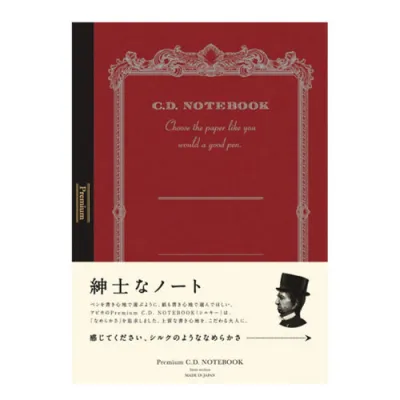
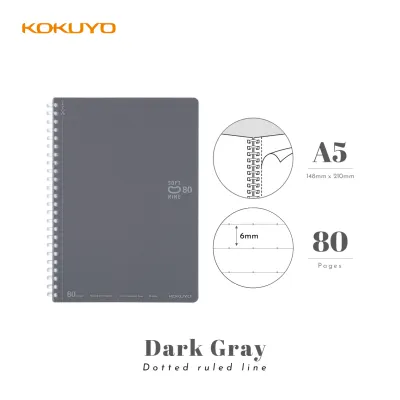
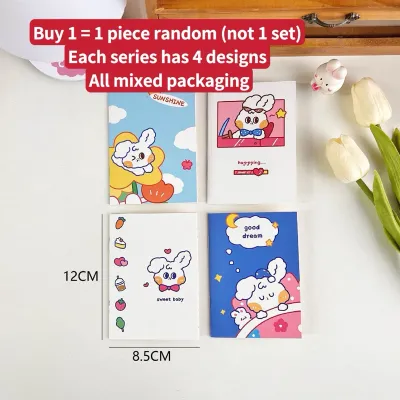
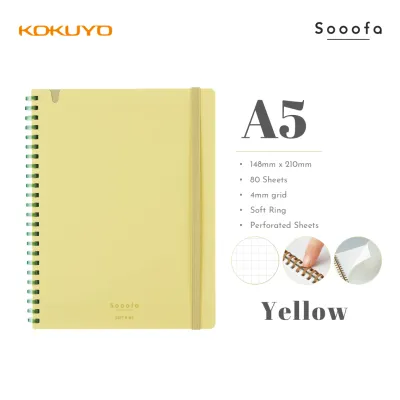
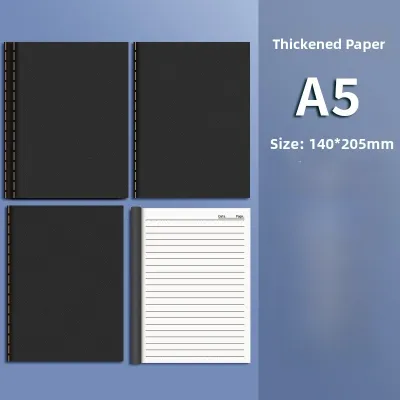
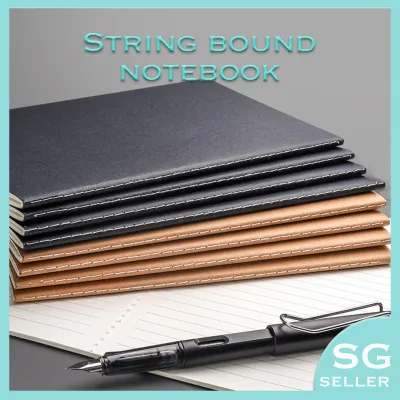
Prices are valid at publication and may change. Please refer to the product page for the latest price.
Surface texture, often referred to as “tooth,” dictates the tactile feedback you feel as your pen or pencil glides across the page. This texture is determined by the manufacturing process, specifically how the paper is pressed and dried. Highly calendered papers are run through heavy rollers to create an ultra-smooth, polished surface that minimizes friction. While this smoothness allows fine-tipped pens to glide effortlessly, it can cause slow ink drying times. On the other hand, papers with a pronounced tooth provide a tactile grip that shaves off graphite or charcoal particles efficiently, though they may feel scratchy when paired with fine-point fountain pens.
Finally, the color shade of the paper significantly influences visual contrast and long-term eye comfort. Bright white papers are treated with optical brightening agents (OBAs) to reflect maximum light, making colored inks and dark graphite lines pop with high contrast. However, this intense reflection can lead to eye strain during prolonged writing sessions under bright desk lamps. Cream, ivory, and off-white papers offer a warmer, softer background that reduces glare and relaxes the eyes, though they can slightly alter the perceived hue of pastel or light-colored inks.
Matching Paper Types to Your Preferred Pens and Mediums
Your choice of writing or drawing instrument should directly dictate the paper specifications you seek in an A5 blank notebook. Fountain pens, rollerballs, and other wet-ink instruments require paper with a tight fiber structure and specialized surface sizing. Sizing acts as a barrier that controls how quickly the paper absorbs liquid. Without adequate sizing, water-based inks will experience feathering—where the ink spreads sideways along the paper fibers, creating fuzzy, distorted lines—and severe bleed-through to the back of the page. If you write primarily with wet inks, look for brands that utilize high-density, coated papers designed specifically to keep ink pooled on the surface, which also helps showcase ink shading and sheen.

Ballpoint and gel pens are highly versatile but present their own unique challenges. Ballpoints rely on thick, oil-based inks that require a moderate amount of friction to roll the ball tip smoothly, making them highly compatible with standard, uncoated papers. Gel pens use water-based pigment suspensions that flow generously and dry relatively slowly. If paired with heavily coated, non-absorbent paper, gel ink can pool on the surface and smudge easily, especially for left-handed writers. For these everyday pens, a mid-weight, uncoated paper of 80 to 100 GSM provides the ideal balance of quick drying times and smooth writing feedback.
For artists and writers who prefer pencils, charcoal, or other dry media, smooth and coated papers are generally unsuitable. These mediums rely on physical abrasion to transfer pigment from the tool to the page. A slick, coated surface will not provide enough friction, resulting in faint, easily smudged lines and rapid hand fatigue as you press harder to make a mark. Instead, seek out uncoated papers with a noticeable tooth. The textured surface grabs and holds the graphite or charcoal particles, allowing for rich tonal variation, deep shading, and clean erasability without damaging the paper fibers.
Markers and light watercolor washes demand specialized paper characteristics that standard notebooks cannot provide. Alcohol-based markers contain solvents that easily dissolve standard paper sizing, causing extreme bleed-through that can ruin subsequent pages. Watercolors introduce significant moisture, which causes the cellulose fibers in standard 80 GSM paper to swell, stretch, and warp as they dry, a process known as buckling. If you plan to use these wet media, you must bypass standard writing notebooks entirely and select dedicated mixed-media or watercolor journals featuring heavy-weight, highly sized paper of 150 GSM or higher.
Beyond the Paper: Binding and Physical Design Factors
While paper quality is paramount, the structural design of an A5 blank notebook determines how comfortably and durably it functions in daily use. The binding method is the most critical structural element. For a blank notebook intended for sketching, mind-mapping, or expansive journaling, lay-flat binding is essential. Thread-sewn (often called Smyth-sewn) binding consists of small booklets of paper, called signatures, sewn together and glued to a flexible spine. This engineering allows the notebook to open completely flat at any page, providing an uninterrupted canvas across the center gutter. In contrast, standard perfect-bound notebooks rely solely on a stiff layer of glue along the spine, which forces the pages to curve inward near the center and requires you to constantly hold the notebook open with one hand.
Cover materials and overall construction dictate how well the notebook survives daily carry, especially in humid environments like Singapore, where moisture can cause thin covers to warp. Hardcovers wrapped in book cloth, treated paper, or synthetic polyurethane (PU) leather provide a rigid, built-in writing surface that is invaluable when taking notes on your lap or while standing. Softcovers are lighter, more flexible, and conform easily to the inside of a bag, but they offer less structural protection for the pages. Regardless of cover stiffness, rounded corners are highly recommended over sharp, square corners, as they resist fraying, bending, and catching on pocket linings during transit.
Finally, consider the functional details that support your specific archiving and scanning habits. If you frequently tear out pages to share, scan, or file away, look for notebooks featuring micro-perforated pages that tear cleanly without damaging the spine. Some blank notebooks also include subtle, unobtrusive margin guides or tiny corner marks that help you align drawings or divide the page into grids without compromising the freedom of a completely blank sheet. Edge treatments, such as gilded or colored page edges, can also provide a protective barrier against dust and natural finger oils over years of storage.
Decision Framework: Which A5 Blank Notebook Profile Fits You?
To help you navigate the vast array of stationery options, use this structured decision framework to match your primary use case to the correct notebook profile:
- The Wet-Ink Writer (Fountain Pens, Fine-Liners, Rollerballs): Focus on notebooks featuring coated, high-density papers. While these papers can range from thin 52 GSM sheets to heavier 100 GSM options, the key is the surface coating, which prevents feathering and allows ink colors to remain vibrant. Ensure the binding is thread-sewn to allow comfortable, edge-to-edge writing.
- The Sketcher and Illustrator (Graphite, Colored Pencils, Charcoal): Prioritize uncoated, mid-weight papers ranging from 90 to 120 GSM that feature a distinct, tactile tooth. This texture ensures excellent pigment adhesion and clean erasability. A sturdy hardcover is highly beneficial here to provide a stable drawing platform anywhere.
- The Everyday Journaler (Ballpoints, Gel Pens, Mixed Daily Notes): Opt for a versatile, standard-weight notebook of 80 to 90 GSM with moderately smooth, uncoated paper. This profile offers a lightweight, highly portable notebook with fast ink drying times, minimizing the risk of smudges during rapid writing.
- The Mixed-Media Creator (Watercolors, Gouache, Alcohol Markers): Avoid standard writing notebooks. Instead, select dedicated A5 mixed-media or watercolor journals with a minimum paper weight of 200 GSM. These sheets are specifically engineered with heavy internal sizing to handle wet washes and solvents without warping or bleeding.
Before making a final purchase, always verify the manufacturer’s technical specifications. If you intend to archive your journals or drawings for decades, look for explicit labels indicating “acid-free” or “pH-neutral” paper, which guarantees the pages will not yellow, become brittle, or degrade over time.
Practical Steps to Verify Paper Quality Before Buying
To avoid purchasing a notebook that does not perform well with your specific tools, you can employ several practical verification steps. First, learn to read product packaging critically. Ignore subjective marketing terms such as “silky smooth,” “premium grade,” or “artist quality.” Instead, look for concrete specifications: the exact GSM rating, the paper composition (such as cotton content or wood pulp), and whether the paper is coated or uncoated. If this information is missing from the packaging, check the manufacturer’s official technical datasheets online.
If you are evaluating a notebook in person or have just purchased one, perform a localized pen test on the very last page or on an inconspicuous corner of a sheet. Draw a solid block of ink with your wettest pen, write a few lines with your daily writing instruments, and sketch a heavy graphite gradient. Allow the ink to dry completely, noting the dry time. Inspect the lines closely under a magnifying lens or your smartphone camera to check for feathering. Turn the page over to evaluate the degree of ghosting and to check if any ink has bled completely through the paper fibers.
Finally, observe the paper’s opacity and surface glare under your typical working light source. Hold a single page up to the light; if you can clearly see the silhouette of your hand or the text on the page beneath it, the paper has low opacity, and you should expect significant ghosting during double-sided use. Tilt the page slightly under a desk lamp to check for harsh reflections. A high-quality paper should diffuse light evenly, preventing glare from washing out your writing and causing unnecessary eye strain.

Community discussion
Share your experience or ask a question. Comments are reviewed before publication.