
The search for the ultimate a4 spiral notebook for paper quality in Singapore does not lead to a single, universal brand. Instead, the “best” paper is highly conditional on your writing instrument, ink flow, and tactile preferences.
Japanese paper makers are legendary for their highly calendered, ultra-smooth finishes. This minimizes resistance, making them perfect for fine liners, gel pens, and fast-moving rollerballs.
European manufacturers often prioritize heavier weights (GSM) and a subtle texture or “tooth.” This provides satisfying tactile feedback and manages the heavy, wet ink flow of fountain pens.
Products mentioned in this guide
![[SG] APLI MIQUELRIUS A4 & A5 Spiral Bound Notebook | Aurora Series [Evergreen Stationery]](https://img.lazcdn.com/g/p/65ff6bc5328b762a8ec65620884e283c.jpg_400x400q80.jpg_.webp)

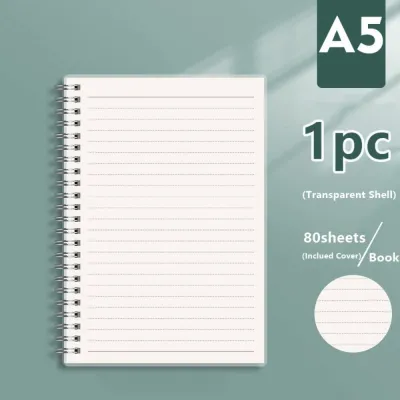
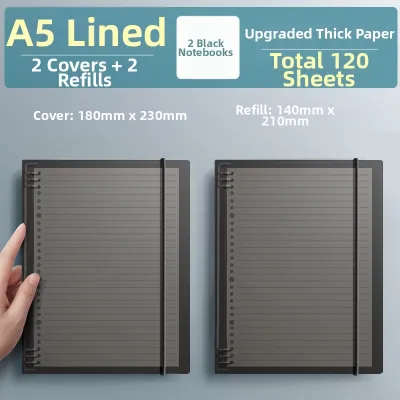
Prices are valid at publication and may change. Please refer to the product page for the latest price.
Therefore, choosing the right brand requires looking beyond the cover design to analyze paper weight, surface treatment, and binding durability.
Key Dimensions for Evaluating A4 Notebook Paper Quality
To objectively evaluate paper quality, you must understand the technical specifications that govern how paper behaves under different writing conditions.
Paper Weight (GSM): Grams per Square Meter (GSM) measures the density of the paper. Standard office copy paper typically sits between 70 and 80 GSM, which is functional but prone to issues under heavy ink. Premium notebooks range from 80 to 120 GSM. Thicker paper generally offers higher opacity, which prevents ghosting (seeing the shadow of writing on the reverse side) and bleed-through (ink physically soaking through the sheet), allowing you to utilize both sides of the page comfortably.
Surface Texture: The texture of paper is determined during the manufacturing process. Highly calendered paper is pressed between heavy, polished rollers to create an ultra-smooth finish. This minimizes friction, allowing pens to glide effortlessly, but it can extend ink drying times. Conversely, uncoated paper retains its natural “tooth,” providing a subtle resistance that gives the writer more physical control and tactile feedback.
Ink Resistance: This refers to how well the paper fibers resist liquid absorption. High-quality paper is treated with “sizing”—chemical agents that prevent the paper from acting like blotting paper. Without adequate sizing, liquid inks will experience “feathering,” where the ink spreads sideways along the fibers to create fuzzy edges, or “bleed-through,” where the ink pools straight through to the back of the sheet.
Opacity and Brightness: Opacity determines how much light can pass through the sheet, directly affecting whether you can write on both sides without visual distraction. Brightness measures the light reflectance of the paper. While high-brightness white paper makes ink colors stand out vividly, it can cause significant eye strain under bright fluorescent lights. Cream, off-white, or ivory tones are much gentler on the eyes during extended study or work sessions.
Archival Quality (Acid-Free): Paper processed using alkaline technology is acid-free, meaning it will not yellow, become brittle, or degrade over decades. If you are compiling lecture notes, professional designs, or journals that you intend to keep long-term, verifying that the paper is acid-free is a critical step before purchasing.
| Paper Characteristic | Typical GSM Range | Surface Finish | Best Ink/Pen Compatibility | Ideal Use Case | Trade-offs |
|---|---|---|---|---|---|
| Smooth / Calendered | 75 – 90 GSM | Ultra-smooth, coated | Gel pens, fine liners, rollerballs | Rapid note-taking, neat diagrams | Longer ink drying times, potential smudging |
| Textured / Tooth | 80 – 120 GSM | Matte, uncoated | Fountain pens, pencils, ballpoints | Deliberate writing, sketching, journaling | High friction, faster wear on felt tips |
| Standard Utility | 70 – 80 GSM | Standard uncoated | Ballpoints, hard pencils, dry gel pens | Drafts, high-volume lecture notes | High ghosting, prone to feathering with wet inks |
| Premium Heavyweight | 100 – 120+ GSM | Smooth or textured | Broad fountain pens, markers, highlighters | Double-sided archiving, multi-media notes | Thicker notebook profile, heavier to carry |
Paper Profiles of Popular A4 Spiral Notebook Brands
While individual product lines within a brand can vary, most manufacturers adhere to distinct paper-making philosophies that define their overall range. Understanding these general profiles helps you align your writing tools with the correct brand family.

Japanese Brands (Focus on Smoothness and Ink Resistance)
Brands like Kokuyo (famous for Campus and soft-ring series), Maruman (known for Mnemosyne), and Apica dominate this category. Their paper is highly engineered, often utilizing a specialized calendering process that creates a silk-like surface.
This smooth finish allows gel pens (such as the popular Japanese 0.38mm or 0.5mm gel pens widely used in Singapore schools and offices) to glide effortlessly without catching.
Despite having moderate weights (typically around 70 to 80 GSM), these papers feature exceptional internal sizing. This prevents feathering and bleed-through even when using wet inks. The ink sits on top of the paper, resulting in incredibly sharp lines, though users must allow a few extra seconds for the ink to dry completely to avoid smudging.
European Brands (Focus on Texture and High GSM)
European giants like Clairefontaine, Rhodia, and Oxford (featuring Optik Paper) take a different approach, often utilizing heavier stock ranging from 90 to 120 GSM.
These brands often source high-grade wood pulp and apply a satin finish that retains a delicate amount of texture. This “tooth” provides a satisfying physical feedback to the writer, letting you feel the exact path of the pen tip.
The higher GSM ensures outstanding opacity, meaning you can write on both sides of the page with dark, wet inks without distracting ghosting. The robust paper structure also resists buckling when subjected to heavy highlighting or multiple ink layers, making them a favorite for professional archiving and detailed journals.
Budget and Everyday Brands (Focus on Utility)
Everyday brands commonly found in Singapore’s neighborhood bookstores, supermarkets, or office supply shops focus on cost-efficient utility. These notebooks typically feature standard 70 to 80 GSM wood-pulp paper without specialized surface coatings or heavy chemical sizing.
They are highly optimized for dry writing instruments, such as standard ballpoint pens, mechanical pencils, and dry-ink gel pens.
While perfectly adequate for disposable drafts, daily to-do lists, or high-volume lecture notes where only one side of the sheet is used, they struggle under wet media. Fountain pen ink, liquid ink rollerballs, and heavy highlighters will almost certainly feather and bleed through these sheets, rendering the reverse side unusable.
Matching Paper Types to Your Pens and Writing Style
Aligning your paper choice with your actual writing tools is crucial to prevent frustration and wasted money.
Fountain Pens: Fountain pen enthusiasts require paper with excellent sizing and a weight of at least 80 to 90 GSM. Without proper sizing, the liquid water-based ink will spread rapidly along the paper fibers (feathering) and soak straight through (bleed-through). Look for papers labeled “fountain pen friendly” or “satin finish.” A slight texture or “tooth” is often preferred here, as it helps control the nib’s movement across the page.
Gel Pens and Rollerballs: These pens deposit a generous amount of water-based or gel-based ink that dries relatively quickly but is prone to smudging on highly coated, non-absorbent surfaces. For these, a moderately smooth, fast-drying paper (around 80 GSM) is ideal. It provides enough absorption to set the ink within a second or two while remaining smooth enough to prevent the fine tips from scratching or collecting paper fibers.
Ballpoint Pens and Pencils: Standard ballpoints and graphite pencils are highly versatile and work on almost any paper surface. However, they perform best on paper with a light, natural texture. The friction of the “tooth” helps the ballpoint’s rolling mechanism rotate smoothly and deposit oil-based ink evenly. For pencils, the texture acts like a micro-file, shaving off graphite to leave a dark, clear line without requiring excessive hand pressure.
Markers and Highlighters: Alcohol-based markers and heavy pigment highlighters are notorious for penetrating standard paper. If your note-taking style involves heavy color-coding or sketching, you will need a heavyweight paper of 100 to 120 GSM, or specialized coated paper that blocks ink migration. Alternatively, you may need to limit your writing to one side of the page to preserve your notes.
Decision Framework: Choosing the Right A4 Spiral Notebook
To streamline your choice, use this structured framework to select the ideal notebook based on your specific daily tasks and tools.
Choose Japanese-style smooth paper if:
- Your primary writing tools are fine-tip gel pens, rollerballs, or mechanical pencils.
- You prefer a fast, effortless writing experience with minimal hand fatigue during long writing sessions.
- You draw precise diagrams, technical charts, or fine-line sketches that require clean, sharp edges.
Choose European-style textured, high-GSM paper if:
- You write with fountain pens, broad-nib pens, or wet liquid inks.
- You value tactile feedback and want to feel the physical connection between your pen nib and the paper.
- You utilize both sides of every page and require high opacity to eliminate distracting ghosting.
Choose budget/standard paper if:
- You write almost exclusively with standard ballpoint pens or wooden pencils.
- You require high-volume, disposable notebooks for rough calculations, temporary drafts, or quick brainstorming sessions.
- You are purchasing stationery in bulk for school classes, office supply cabinets, or general administrative use.
Verify first if:
- You require archival-grade paper (look for "acid-free" or "ISO 9706" standards to ensure the pages do not yellow or deteriorate over decades).
- You use highly customized, extremely wet fountain pen inks that require specialized testing.
- You need the notebook to lie completely flat on a desk or fold back 360 degrees (inspect the spiral binding mechanism to ensure the coils are perfectly aligned and do not catch the paper edges).
Buying and Verifying Paper Quality in Singapore
Singapore offers a rich landscape of stationery options. For major international brands, check specialized stationery stores, high-end lifestyle shops, and large bookstore chains located in central shopping districts. For everyday or budget-friendly options, neighborhood bookstores and local office supply shops provide excellent bulk deals. Reputable online marketplaces also offer a wide selection of imported Japanese and European brands.
When purchasing, read the packaging or product specifications carefully. Look for explicit indicators such as the GSM rating (aim for 80+ GSM for general premium use), paper type descriptions (such as “calendered,” “satin finish,” or “acid-free”), and compatibility notes (like “fountain pen friendly”). Avoid notebooks that do not list their GSM or paper source if you plan to use wet inks.
If you are shopping in a physical store that provides sample notebooks or tester sheets, always bring your favorite daily-use pens. Scribble a few lines, draw a solid block of ink, and wait to see how quickly it dries. Flip the page to inspect for ghosting or bleed-through. If no tester is available, checking the texture by gently feeling the edge of the paper or testing a tiny, inconspicuous spot on the very last page can give you a good indication of the surface quality.
Since you are specifically looking for an a4 spiral notebook, pay close attention to the binding. Ensure the metal or plastic coils are sturdy and not easily bent. Look for “wire-o” or double-loop spiral designs, which offer superior durability and prevent pages from slipping out. The coils should be securely crimped at the ends so they do not unravel, allowing you to fold the notebook completely flat or back-to-back without tearing the paper perforations.
Frequently Asked Questions (FAQ)
Does a higher GSM always mean better paper quality?
No, a higher GSM (Grams per Square Meter) simply indicates that the paper is thicker and heavier, which naturally helps prevent ink from ghosting or bleeding through to the other side. However, GSM alone does not determine overall quality. A high-GSM paper can still feather badly if it lacks proper surface sizing, or it may feel rough and scratchy if it has not been calendered. Quality is a combination of paper weight, fiber composition, surface coating, and chemical sizing.
Can I use fountain pen ink on standard 80 GSM spiral notebooks?
Using fountain pen ink on standard, unrated 80 GSM paper is generally risky and often leads to disappointing results. Standard 80 GSM utility paper typically lacks the specialized internal sizing required to resist wet, water-based fountain pen inks, causing the ink to spread rapidly along the fibers (feathering) and soak through the page (bleed-through). If you must use a standard notebook, pair it with an extra-fine nib and dry-flowing ink, or test a small, inconspicuous corner first before writing extensive notes.
Community discussion
Share your experience or ask a question. Comments are reviewed before publication.