
Direct Answer and Scope for Bulk 80gsm A4 Paper
Selecting the right 80gsm A4 paper brand for bulk carton purchases in Singapore is not about finding a single universal winner, but rather matching a brand’s specific profile to your printing equipment, monthly volume, and budget. For high-volume offices and home setups alike, 80gsm (grams per square meter) represents the standard for professional, double-sided printing, offering a reliable balance of thickness and opacity. However, performance can vary significantly depending on whether you use high-speed laser printers or precision inkjet systems.
When buying by the carton—which typically contains multiple individually wrapped reams—it is essential to evaluate physical paper traits alongside logistical factors. Before committing to a large order, buyers should verify current stock levels, carton configurations, and delivery terms with local office suppliers or online marketplaces to ensure a seamless supply chain.
Key Traits to Compare Across 80gsm A4 Paper Brands
To make an informed decision when comparing paper brands, you must look beyond the outer packaging and evaluate the physical characteristics of the paper itself. These traits directly influence print quality, machine wear, and overall operational efficiency.
Products mentioned in this guide
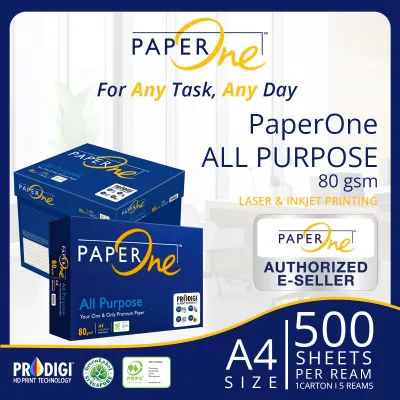
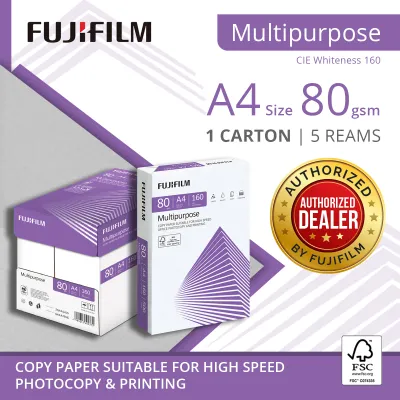
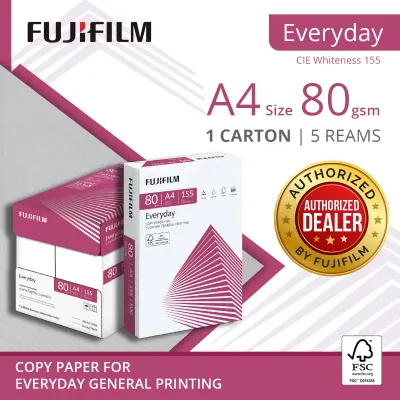
![[SG] Perfect Print A4 80gsm White Copier Paper 5 Reams Per Carton [Evergreen Stationery]](https://img.lazcdn.com/g/p/19d31f3b827df3ea5ccc2552bb199b2a.png_400x400q80.png_.webp)
![[SG] FujiXerox A4 x EverydayCopier Paper | 80gsm | 1 Carton | MAX 2 CARTONS/ORDER [Evergreen Stationery]](https://img.lazcdn.com/g/p/0125993f2367983b77308ed48045bba3.jpg_400x400q80.jpg_.webp)
Prices are valid at publication and may change. Please refer to the product page for the latest price.

Print Quality and Opacity The visual appeal of your printed documents depends heavily on the paper’s brightness, surface smoothness, and opacity. High brightness levels, often measured using the ISO or CIE whiteness standards, provide a sharp contrast against black ink or vibrant colors, making text highly legible. Surface smoothness is equally critical; a smoother sheet ensures even toner transfer in laser printers and prevents ink feathering in inkjet systems. Opacity is the measure of how much light passes through a single sheet of paper. For double-sided (duplex) printing, high opacity is indispensable to prevent “show-through” or “bleed-through,” where text from the reverse side interferes with readability. When evaluating brands, check the manufacturer’s specifications for CIE whiteness and opacity ratings to ensure they meet your presentation standards.
Runnability and Jam Prevention Runnability refers to the paper’s ability to feed through a printer smoothly without causing misfeeds, multi-sheet feeding, or paper jams. This performance is largely determined by the paper’s stiffness, moisture content, and edge curl. Paper that is too limp may buckle inside the printer’s high-temperature fuser unit, while paper with excessive moisture is prone to curling as it heats up. High-quality manufacturing processes control these variables tightly, ensuring that each sheet remains flat before, during, and after the printing cycle. When comparing brands for high-volume runs, look for those that emphasize curl control and optimal stiffness, which are vital for maintaining high-speed laser printer productivity.
Dust and Lint Levels A less obvious but highly critical factor in bulk paper performance is the amount of paper dust or lint generated during the cutting process. Low-cost cutting methods can leave microscopic paper fibers on the edges of the sheets. As the paper passes through your printer, this dust accumulates on the rubber pickup rollers, optical sensors, and fuser assemblies. Over time, dust buildup reduces roller traction, leading to frequent paper jams, and can even degrade print quality by creating spots or streaks on the page. Choosing brands that utilize advanced rotary precision cutting technology minimizes dust generation, thereby protecting your office equipment, reducing maintenance intervals, and extending the lifespan of your printers.
Consistency Across Reams A single carton of A4 paper represents a significant volume of sheets, usually divided into five separate reams. Consistency across these reams is paramount for uninterrupted workflows. This means every sheet must be cut to exact A4 dimensions (210mm x 297mm) with perfect 90-degree corners. Minor deviations in sheet size can cause immediate alignment issues in the paper tray. Furthermore, the quality of the ream wrapper itself plays a protective role. Premium brands use moisture-barrier wrappers (often PE-coated paper) that seal out environmental humidity. Inspecting the integrity of the packaging when your carton arrives is a reliable way to verify that the paper has been kept in optimal condition from the factory to your office.
Evaluating Carton Value, Storage, and Logistics
Purchasing A4 paper by the carton is a highly effective strategy for reducing administrative overhead and securing lower unit costs, but it requires careful logistical planning.
Cost Per Ream and Carton To identify genuine savings, always calculate the unit cost per ream rather than looking solely at the total carton price. For example, if a carton containing five reams costs S$25, the cost per ream is S$5. Compare this unit price against individual retail packs, which often carry a premium. In Singapore’s competitive stationery market, bulk discounts become more pronounced when purchasing multiple cartons or pallets. However, be cautious of exceptionally low prices that may indicate sub-standard paper weight, poor cutting tolerances, or damaged packaging.
Carton Configurations Standard carton configurations in Singapore typically feature five reams per box, with each ream containing 500 sheets, totaling 2,500 sheets per carton. Some heavy-duty or budget configurations might offer different counts, so always verify the total sheet count before purchasing. Match your purchase volume to your realistic monthly consumption rates. While paper does not have a strict expiration date, keeping excess inventory for too long can lead to storage challenges and potential exposure to environmental damage.
Storage and Shelf Life Singapore’s tropical climate, characterized by high relative humidity, poses a constant challenge for paper storage. Paper is highly hygroscopic, meaning it readily absorbs moisture from the surrounding air. When paper absorbs moisture, it loses stiffness, expands slightly, and is highly likely to curl and jam inside hot printer fusers. To preserve shelf life, store your paper cartons in a cool, dry, air-conditioned room whenever possible. Keep the cartons elevated off concrete floors—ideally on pallets or shelving—and away from external walls where moisture can seep in.
Delivery and Handling A single carton of 80gsm A4 paper weighs approximately 12.5 kilograms. Ordering multiple cartons quickly adds up to a significant physical load. When purchasing online or through local contract stationers, clarify the delivery terms. Check if there are minimum order quantities (MOQs) required for free delivery, and verify whether the delivery service includes carrying the heavy cartons up stairs or directly into your storage room. Understanding these logistical details beforehand prevents unexpected handling fees or physical strain on your staff.
Decision Framework: Which Paper Profile Fits Your Needs?
To streamline your purchasing process, use this conditional framework to match your specific operational requirements to the right category of 80gsm A4 paper.
Choose Premium/High-Opacity Brands if:
- Client-Facing Output: Your primary output consists of client-facing documents, official contracts, or marketing materials where presentation quality is paramount.
- Double-Sided Printing: You rely heavily on double-sided (duplex) printing and must eliminate any distracting text show-through.
- Inkjet Systems: Your office utilizes color inkjet printers, which deposit more liquid ink onto the page and require a highly absorbent, smooth surface to prevent bleeding.
Choose Standard/Value Brands if:
- Internal Drafts: Your daily printing consists mostly of internal drafts, single-sided text documents, and temporary records.
- High-Speed Laser Printers: You operate high-speed, high-volume black-and-white laser printers that can easily handle standard paper grades without jamming.
- Cost Minimization: Your primary goal is to minimize the cost per page across thousands of printed sheets monthly.
Verify First if:
- Manufacturer Limits: Your printer manufacturer's manual specifies strict paper weight limits or feed path requirements that might affect compatibility.
- Retailer Policies: You are sourcing from a new online retailer or marketplace seller; check their return policies and customer feedback regarding transit damage.
- Packaging Integrity: The carton packaging shows signs of tearing or water damage upon delivery, as compromised wrappers can lead to immediate printing issues.
Neither May Fit if:
- Specialized Media: You require specialized media, such as high-gloss photo paper, heavy cardstock, or specific environmental certifications (like FSC or PEFC) that are not standard for basic utility copy paper.
Frequently Asked Questions (FAQ)
What is the difference between 70gsm and 80gsm A4 paper for bulk buying?
The primary difference lies in the paper’s weight, thickness, and opacity. A 70gsm paper is thinner and lighter, making it a cost-effective choice for high-volume, single-sided internal drafts. However, its lower opacity means text is highly likely to show through on the reverse side, making it unsuitable for double-sided printing. An 80gsm paper is the standard professional weight, offering greater stiffness and opacity. It feeds more reliably through high-speed office copiers, resists curling under heat, and is ideal for double-sided documents and external correspondence.
How should I store A4 paper cartons to prevent printer jams?
To prevent printer jams, store your A4 paper cartons in a temperature-controlled, low-humidity environment, keeping them completely off the floor on shelves or pallets. Avoid placing cartons near open windows, external walls, or directly under air-conditioning vents where condensation can form. Most importantly, keep individual reams sealed inside their original moisture-proof wrappers until the exact moment you are ready to load them into the printer tray. Once a ream is opened, load only what is needed and store the remaining sheets in a resealable plastic container or wrap them tightly to block out Singapore’s ambient humidity.

Community discussion
Share your experience or ask a question. Comments are reviewed before publication.