
Selecting the right cloth material is the single most important decision in any sewing project. Whether you are crafting a lightweight summer dress suited for a warm climate or constructing a durable canvas tote bag, the fiber content and weave of your fabric dictate how the material behaves under the needle and how the finished item performs in daily use. Understanding these properties prevents costly mistakes, such as fabric puckering, excessive shrinkage, or structural failure. By mastering the fundamentals of fabric characteristics, you can confidently navigate textile shops and online marketplaces to select the perfect material.
How to Read Fabric Labels and Material Composition
When browsing rolls of fabric at a local textile shop or reviewing specifications on an online marketplace, the fabric bolt label is your primary source of truth. It is crucial to distinguish between fiber content and fabric construction, as these two elements are frequently confused. Fiber content refers to the raw material from which the threads are spun, such as 100% cotton, pure linen, or polyester. Fabric construction, or weave, describes how those fibers are structurally put together, resulting in distinct textures like canvas, satin, twill, or chiffon.
Beyond fiber content, the bolt label provides essential care instructions, shrinkage warnings, and width measurements. Look for standardized care symbols that indicate washing temperatures, bleaching restrictions, and ironing limits. Additionally, check the label for chemical finishes or treatments, such as sizing agents or starch. These finishes can temporarily alter the stiffness and handling of the fabric, meaning the material may feel significantly softer after its first wash.
Products mentioned in this guide
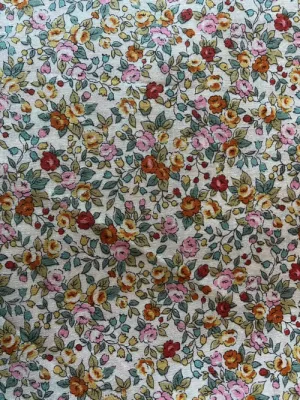
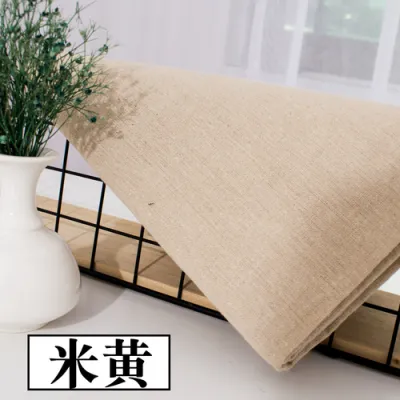
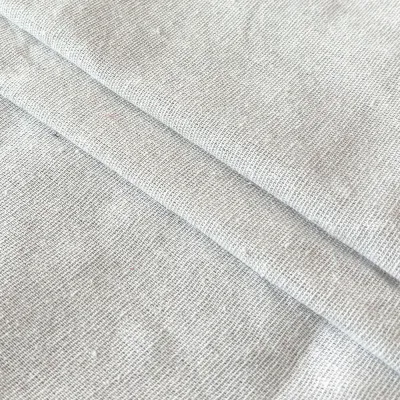
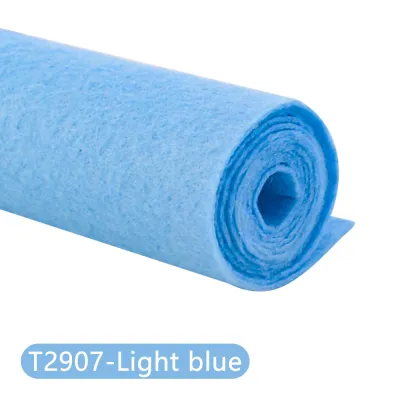
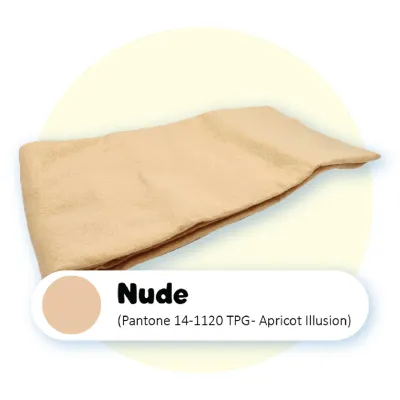
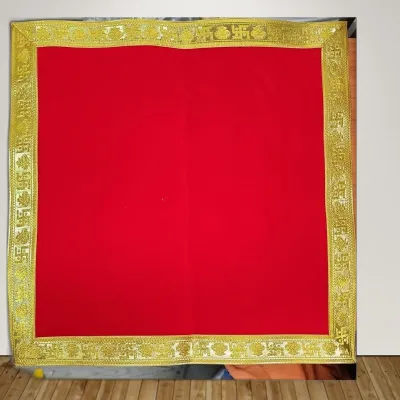
Prices are valid at publication and may change. Please refer to the product page for the latest price.
Natural Fibers: Characteristics and Sewing Applications
Natural fibers, derived from plants or animals, are highly prized in sewing for their comfort, breathability, and classic aesthetic. These fibers generally respond exceptionally well to pressing with a hot iron, allowing you to achieve crisp seams and sharp pleats. However, natural fibers are also prone to fraying along cut edges, requiring careful seam-finishing techniques like serging or French seams.

Cotton and Linen
Cotton and linen are the cornerstones of warm-weather apparel and structured home textiles. Linen is celebrated for its distinct, textured weave and exceptional breathability, though it possesses a natural tendency to wrinkle almost immediately upon wear. Cotton, available in a vast range of weights from airy lawn to heavy canvas, offers a more stable structure that is incredibly easy for beginners to cut and sew.
Because both cotton and linen are highly susceptible to shrinkage, checking the label for pre-shrunk status is a critical step before cutting your pattern pieces. If the manufacturer does not explicitly state that the fabric is pre-shrunk, you must plan to pre-wash the material using the exact water temperature and drying cycle you intend to use for the finished item.
Matching your sewing tools to the specific weight of your cotton or linen is equally vital. For lightweight cotton lawn, a fine universal needle (size 70/10) and standard polyester thread will prevent fabric damage. For heavy cotton canvas, transition to a robust needle (size 90/14 or 100/16) and a heavy-duty thread to ensure the machine can pierce the dense weave without skipping stitches.
Silk and Wool
Silk and wool represent the luxury tier of natural fibers, each requiring specialized handling and sewing techniques. Silk is renowned for its lustrous sheen and fluid drape, but its slippery nature makes it notoriously challenging to cut and sew. To manage the slip and high fray risk of silk, use ultra-fine pins, sharp rotary cutters, and temporary fabric stabilizers or tissue paper under the seams during stitching.
Wool offers excellent warmth, natural elasticity, and resilience, making it ideal for structured outerwear or cozy knitwear. When working with wool, you must distinguish between woven wool (such as tweed) and knitted wool (such as jersey). Woven wool requires careful edge-finishing to prevent unraveling, while knitted wool demands stretch stitches and ballpoint needles to accommodate the fabric’s natural give.
Before committing scissors to these premium materials, always verify the care instructions on the bolt label. Many silk and wool fabrics are strictly dry-clean-only, and exposing them to water can ruin their texture or cause severe shrinkage. Additionally, pay close attention to pressing temperatures; silk burns easily under high heat, and wool can scorch, requiring the use of a protective pressing cloth.
Synthetic and Blended Fabrics: Durability and Care
Synthetic fibers and blended fabrics offer modern solutions to the limitations of natural materials, providing enhanced durability, wrinkle resistance, and cost-effectiveness. These man-made textiles are engineered to hold their color exceptionally well, resisting the fading that often occurs with natural dyes over repeated washes. For high-wear items or projects on a budget, synthetics and blends present a practical and highly resilient alternative.
Polyester and Nylon
Polyester and nylon are the most prevalent synthetic fibers, valued for their strength, elasticity, and resistance to shrinking and wrinkling. However, their smooth, synthetic surfaces can make them slippery to handle, occasionally leading to puckered seams if your sewing machine’s tension is set too high. To combat this, adjust your machine tension downward, use a fine microtex needle, and consider using a walking foot to feed the slippery layers evenly.
One of the greatest risks when working with synthetics is their sensitivity to heat. Because polyester and nylon are essentially forms of plastic, they can easily melt or glaze under a hot iron. Always test your pressing temperature on a small, hidden scrap piece of the fabric before pressing your main seams, and use a low heat setting or a dry pressing cloth to protect the material.
When selecting synthetics for apparel, evaluate any breathability or moisture-wicking claims carefully. While basic polyester weaves can feel hot and clammy in warm climates, advanced athletic knits and specialized weaves are engineered to pull moisture away from the skin. Check the product specifications to ensure the weave structure matches your comfort requirements.
Common Blends and Their Trade-offs
Blended fabrics combine the best properties of different fibers to create a more balanced, versatile cloth material. The most common example is the poly-cotton blend, which merges the breathability and soft feel of cotton with the wrinkle resistance and durability of polyester. These blends are significantly easier to press than pure cotton, require less ironing after washing, and are often more affordable, making them a popular choice for everyday garments and home crafts.
To predict how a blend will behave during sewing and care, always check the dominant fiber percentage on the label. A blend that is 80% cotton and 20% polyester will behave very similarly to pure cotton, meaning it may still shrink slightly and require pre-washing. Conversely, a blend dominated by polyester will resist shrinkage but will be more sensitive to high iron temperatures.
Evaluating the cost-to-durability ratio of blends is particularly useful for high-wear items like school uniforms, heavy-duty bags, or outdoor home decor. By choosing a blend with a high synthetic content, you gain the structural integrity and abrasion resistance needed for daily wear and tear, while retaining a portion of the natural fiber’s aesthetic appeal and comfort.
Matching Cloth Materials to Your Sewing Project
To ensure your sewing project is a success, you must align the physical properties of your chosen cloth material with the structural demands of the item you are creating. This process involves evaluating four key fabric characteristics: drape, structure, stretch, and opacity. Drape refers to how the fabric hangs and flows; a fluid drape is essential for gathered skirts, while a stiff structure is necessary for tailored jackets or utility bags. Stretch determines how much the fabric expands under tension, and opacity dictates whether you will need to line the garment for modesty.
To simplify this decision-making process, use a systematic approach to cross-reference fabric weight and intended use against your pattern’s recommendations. Lightweight fabrics like voile, chiffon, and silk are best for delicate blouses, sheer overlays, and lightweight scarves. Mediumweight fabrics like quilting cotton, linen, and chambray are ideal for casual shirts, summer dresses, tablecloths, and structured crafts. Heavyweight fabrics like canvas, denim, and wool coating are perfect for jackets, trousers, backpacks, and home upholstery.
A major red flag in fabric selection is ignoring the stretch requirements of your sewing pattern. Patterns designed specifically for knit fabrics rely on the material’s inherent stretch to fit the body and allow movement. Attempting to use a non-stretch woven fabric, such as a stiff cotton canvas, for a pattern designed for a stretchy knit jersey will result in a garment that is impossible to put on or highly restrictive to wear. Always match the fabric category strictly to the pattern envelope guidelines.
Essential Checks Before Buying Fabric for Sewing
Before finalizing your fabric purchase at a local shop or checking out your digital cart on an online marketplace, performing a few physical and logistical checks can save you from major project setbacks. First, verify the fabric’s bolt width, which typically ranges from 110cm to 150cm. A narrower fabric width means you will need to purchase more linear yardage to accommodate your pattern pieces, whereas a wider fabric allows for a more efficient layout. Always consult your pattern’s yardage chart to ensure you buy the correct amount based on the specific width of the bolt.
Next, inspect the material thoroughly for any physical defects. Look closely for printing flaws, uneven dye lots across different bolts, or off-grain weaving, where the horizontal threads of the fabric do not run perfectly perpendicular to the selvage. Off-grain fabric can cause garments to twist or drape unevenly after washing, so it is best to identify and avoid these flaws before the fabric is cut.
Finally, confirm that your home sewing equipment is compatible with the material you are buying. Thick fabrics like denim or canvas may require a specialized walking foot or a heavy-duty sewing machine to feed the layers smoothly. Slippery fabrics like silk or satin may require microtex needles and fine pins to avoid leaving permanent holes in the weave. Ensuring you have the correct needles, thread, and presser feet on hand before you begin will guarantee a smooth, frustration-free sewing experience.
Frequently Asked Questions (FAQ)
How do I test if a cloth material will shrink?
To test a fabric’s shrinkage potential, always start by checking the manufacturer’s care label for the recommended washing and drying instructions. If you want to verify the exact shrinkage rate, cut a precise 10cm by 10cm square swatch from your fabric. Treat this swatch exactly as you plan to wash and dry the final garment—whether that involves a warm machine wash or a tumble dry. Once dry, measure the swatch again; any reduction in size will allow you to calculate the shrinkage percentage and adjust your total yardage accordingly. If the fabric is labeled dry-clean only or is highly delicate, stop the process immediately and consult a professional dry cleaner to avoid damaging the material.
What is the difference between woven and knit fabrics?
The primary difference between woven and knit fabrics lies in their structural construction. Woven fabrics are created by interlacing two sets of threads at right angles, resulting in a stable structure with virtually no mechanical stretch unless elastic fibers are blended in. Knit fabrics are constructed from a single continuous thread looped together, giving them inherent stretch and flexibility. When sewing wovens, you can typically use a standard straight stitch and a universal needle. For knits, you must use a stretch or zigzag stitch to allow the seams to expand with the fabric, along with a ballpoint or stretch needle to prevent piercing and tearing the delicate loops. Always check your pattern envelope to ensure your fabric’s structure matches the pattern’s requirements.
Community discussion
Share your experience or ask a question. Comments are reviewed before publication.