
Selecting the right cling wrap for moving depends on the weight, shape, and surface vulnerability of your furniture. For lightweight items with smooth surfaces, a thinner film of around 15 microns (60 gauge) is sufficient to block dust, repel moisture, and keep drawers closed. For heavy, bulky, or sharp-edged furniture, a thicker film of 20 to 23 microns (80 to 90 gauge) is necessary to provide the puncture resistance and tension required to hold protective blankets in place and withstand transit. Matching the thickness to your specific items ensures your belongings remain undamaged without spending extra on unnecessary packaging materials.
Decoding Thickness: Microns, Gauge, and Mil
When shopping for cling wrap for moving, you will encounter different measurement units on packaging. In Singapore and other metric-based markets, thickness is typically measured in microns (sometimes written as mu or µm). In contrast, imported products may use gauge or mil. Understanding how these units relate is essential for accurate comparison. For example, a standard 15-micron film is roughly equivalent to 60 gauge, while a 20-micron film corresponds to 80 gauge, and a 23-micron film is approximately 90 gauge.
While a higher number indicates a thicker film, actual performance also depends on the material blend. Many stretch wraps are made from linear low-density polyethylene (LLDPE), which can be engineered for high puncture resistance even at lower thicknesses. Rather than relying on subjective marketing terms like “heavy-duty” or “extra strong,” always check the manufacturer’s stated thickness specifications on the label to make an objective decision based on measurable standards.
Products mentioned in this guide
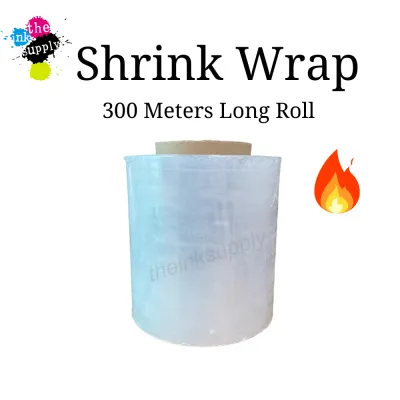
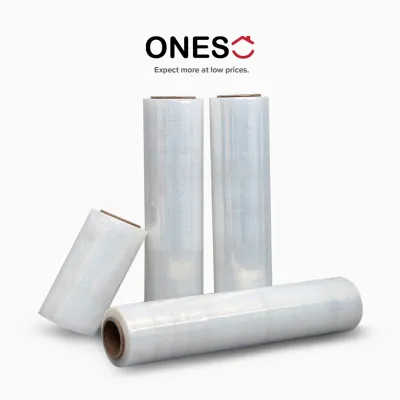
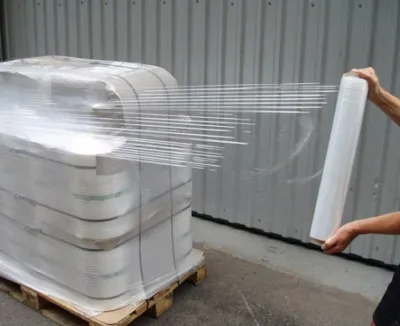
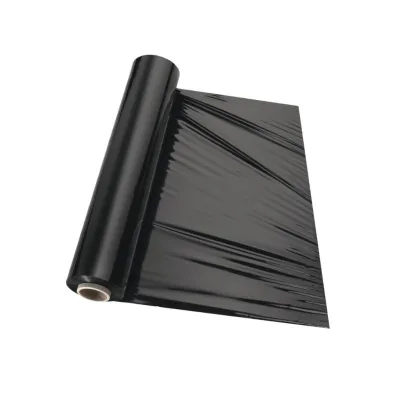
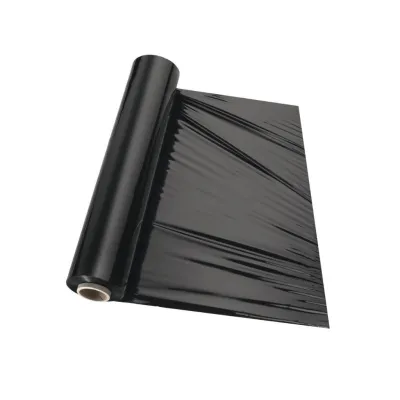
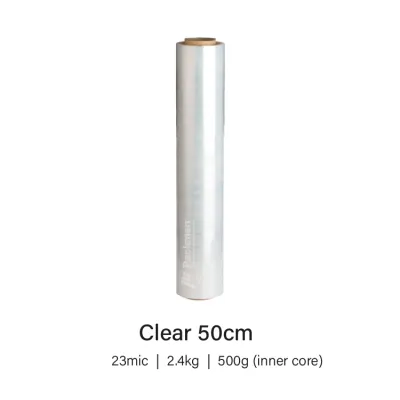
![91m/20m/10m BubbLest™ [FREE PENKNIFE] Bubble Packaging Material Direct Singapore Manufacturer | Clingwrap | Plasticwrap | Cling Wrap | Plastic Wrap | Bubble Roll |](https://img.lazcdn.com/g/p/118908581c7285d2410f3d4422311ca0.png_400x400q80.png_.webp)
Prices are valid at publication and may change. Please refer to the product page for the latest price.
Matching Wrap Thickness to Your Furniture
To streamline your packing and avoid overbuying, match wrap thickness to the specific characteristics of your furniture. Categorizing your household items by weight, size, and surface vulnerability allows you to allocate packaging resources efficiently. Using an excessively thick wrap for simple, low-risk tasks increases costs and generates unnecessary plastic waste.

Before purchasing, verify the wrap’s recommended use cases and load limits printed on the product label. Some specialty wraps are formulated for securing heavy pallets, while others are designed for light bundling. Checking these specifications ensures the film has the structural integrity required for your specific moving scenario.
Light, Fragile, and Smooth-Surfaced Items
Lightweight furniture and items with delicate, smooth finishes are ideal candidates for thinner stretch wraps, typically in the 15-micron (60 gauge) range. This category includes small wooden side tables, picture frames, plastic storage drawers, and lightweight study chairs. Thinner film is highly flexible and conforms tightly to irregular shapes, creating a snug barrier that prevents drawers from sliding open and protects surfaces from dust, dirt, and light moisture during handling.
Another advantage of thinner film is its ease of application. It requires less physical effort to stretch and wrap around smaller items, and it clings to itself easily without leaving a sticky adhesive residue. However, thinner wrap can puncture when forced against sharp corners or rough wooden edges. To mitigate this risk, place cardboard edge protectors or foam corner guards over sharp points before wrapping the item in the film.
Heavy, Bulky, and Sharp-Edged Furniture
For large, heavy, or awkwardly shaped furniture, opt for a thicker wrap, typically between 20 and 23 microns (80 to 90 gauge). This robust film is necessary for wrapping upholstered sofas, large wooden dressers, heavy dining tables, and office chairs with protruding metal hardware. These items subject the wrap to significant stress, especially when being maneuvered through tight hallways, doorways, and onto moving trucks.
Thicker film is essential because it maintains high tension over long periods, preventing heavy items from shifting. It is also strong enough to secure thick moving blankets around wooden furniture, providing a double layer of protection against impacts. When wrapping items with sharp corners, the superior puncture resistance of a 20- to 23-micron wrap prevents the film from tearing open mid-move. Check the product label for specific puncture resistance claims and structural integrity ratings under high tension to ensure the wrap can handle the physical demands of transporting heavy loads.
Evaluating Stretch and Tear Resistance on the Label
Thickness is not the only specification to look for on a roll of moving wrap. To get the most value and protection, evaluate the stretch yield and tear resistance printed on the packaging. Stretch yield refers to the percentage of elongation the film can achieve before it breaks. High-quality moving wraps often feature a stretch yield of 150% to 300%. A higher stretch yield means you can pull the wrap tighter, which creates a more secure bind and allows a single roll to cover a much larger surface area, improving overall cost-efficiency.
Tear resistance is equally critical, particularly when wrapping items with irregular shapes, legs, or exposed hardware. If a wrap has poor tear resistance, a tiny puncture caused by a sharp corner can quickly unzip across the entire width of the film, causing the entire wrapping job to unravel. Look for multi-layer co-extruded films, which offer enhanced tear propagation resistance. Additionally, if your move involves transporting furniture in open vehicles or storing items temporarily in areas exposed to sunlight, check the label for UV resistance claims. Standard plastic wraps can degrade and become brittle when exposed to intense sunlight and heat, which is a common concern in tropical climates.
Estimating How Many Rolls to Buy
To avoid running out of packaging material mid-move or wasting money on excess stock, estimate your requirements before purchasing. Start by checking the roll dimensions on the packaging, which typically list the width (such as 500 millimeters) and the total length (such as 150 or 250 meters). You can then estimate the surface area of the furniture pieces you plan to wrap.
When calculating your needs, remember that a single layer of cling wrap is rarely sufficient. For secure protection, apply multiple overlapping layers. As a general rule, light items wrapped in 15-micron film require at least two to three layers, while heavy or awkwardly shaped items wrapped in 20-micron film require three to five layers to ensure structural stability. Always factor this overlapping into your total length calculations. Finally, include a small buffer of about 10% to 15% in your estimate to account for unexpected items, last-minute securing tasks, or wrapping smaller boxes together for easier transport.
Frequently Asked Questions (FAQ)
Will cling wrap damage the finish on my wooden furniture?
Direct application of plastic cling wrap to wooden furniture can cause damage, particularly in warm and humid climates. Plastic traps moisture underneath, which can cause the wood to warp, swell, or develop mold. Additionally, if the furniture has a delicate varnish, lacquer, or antique finish, the plastic can react chemically with the coating over time, leaving a cloudy residue or softening the finish. To prevent this, always wrap wooden furniture in a protective barrier, such as breathable moving blankets or plain packing paper, before applying the outer layer of stretch wrap.
Can I use standard kitchen cling wrap instead of moving wrap?
Using standard kitchen cling wrap for moving furniture is highly inefficient and generally ineffective. Kitchen wrap is designed for food preservation and is typically very thin, often measuring only 8 to 10 microns in thickness. It also lacks the tensile strength and puncture resistance required to withstand the physical stress of a move. Furthermore, kitchen rolls are much narrower, meaning you would need to make significantly more passes to cover a single piece of furniture, leading to wasted time and a higher risk of the wrap tearing and unraveling during transit.
Community discussion
Share your experience or ask a question. Comments are reviewed before publication.