
Selecting the right plastic wrap for packaging protection depends on the specific hazards your goods will encounter during storage and transit. In Singapore’s humid tropical climate and fast-paced logistics environment, using the wrong material can lead to collapsed pallets, moisture damage, or scuffed products.
To determine which wrap fits your immediate needs, apply this practical decision framework:
- Choose Cling Film if you require temporary, low-cost surface protection to prevent minor scratches, dust, or fingerprints on small, lightweight items during short-term indoor storage or local office moves.
- Choose Stretch Wrap if you need to secure heavy boxes, bundle multiple cartons onto a shipping pallet, or maintain rigid load stability during freight transit and courier handling.
- Choose Shrink Wrap if you need a tight, contour-hugging, and near-watertight barrier that provides tamper-evident security, environmental protection, or a professional retail finish for individual products and multi-packs.
The best plastic wrap is not defined by material superiority, but by how well its physical properties match your packaging threats. Shifting loads require high elastic tension, while environmental threats require a complete, sealed barrier.
Products mentioned in this guide
![🏅[CHEAPEST] Stretch Film/ Shrink Wrap / Cling Wrap /Pallet wrapping /Moving Supplies/pallet Wrap/Pallet wrapping](https://img.lazcdn.com/g/p/c69357eb04f4e35ac9ee2d124f108fda.jpg_400x400q80.jpg_.webp)
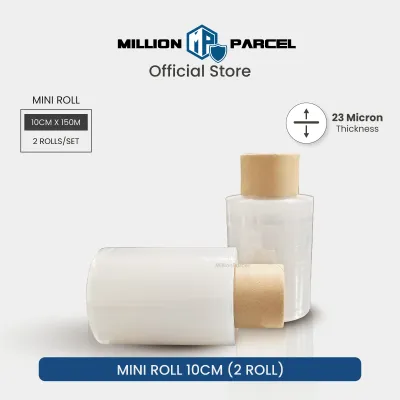
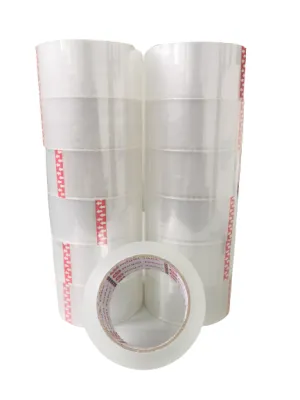
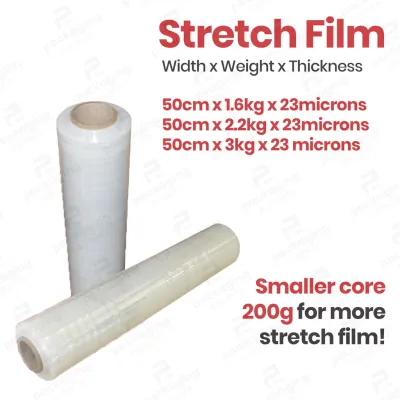
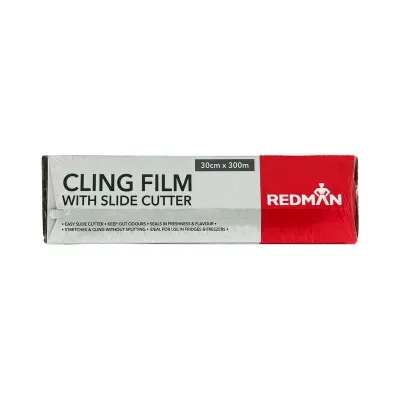
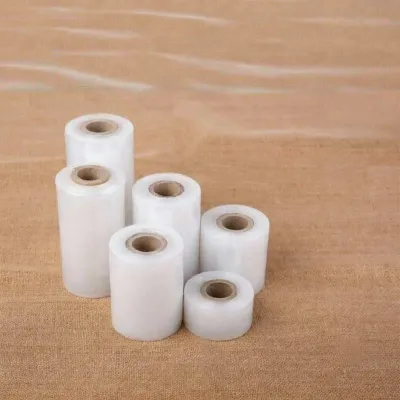
Prices are valid at publication and may change. Please refer to the product page for the latest price.
Material Mechanics: How Cling, Stretch, and Shrink Films Work
To make an informed selection, it is essential to understand the underlying physical properties and activation mechanisms of each film type. While they may all appear to be simple clear plastics, their molecular structures and manufacturing processes govern how they behave under physical stress.
Cling Film
Cling film is typically manufactured from Polyethylene (PE) or Polyvinyl Chloride (PVC) into an extremely thin sheet, often ranging between 8 and 12 microns in thickness. Its primary mechanism of adhesion is static electricity and inherent surface tackiness, sometimes enhanced by the addition of liquid tackifiers during extrusion. Because cling film is thin and lacks elastic memory, it deforms permanently when stretched. Once pulled past its yield point, it cannot contract back to its original size, meaning it cannot exert continuous holding force on a load.
Stretch Wrap
Stretch wrap is engineered from Linear Low-Density Polyethylene (LLDPE) using either a cast or blown extrusion process. LLDPE molecules consist of long, linear chains with significant short-chain branching, which allows the polymer chains to slide past one another and stretch without tearing easily. Cast stretch wrap is extruded through a flat die and cooled quickly, resulting in high clarity, quiet unwind, and excellent cling properties, making it ideal for standard warehouse environments. Blown stretch wrap is extruded through an annular die and blown into a bubble, cooling slowly to create a film with superior puncture resistance and holding power, though it is noisier to unwind and has lower clarity. When you apply stretch wrap, you physically tension the film, often stretching it by 100% to 300% of its original length. The material’s elastic memory causes it to constantly attempt to return to its original unstretched state. This continuous recovery force creates a tight, dynamic band around the wrapped items, binding them together with high load-retention force.
Shrink Wrap
Shrink wrap is commonly formulated from Polyolefin (POF), Polyvinyl Chloride (PVC), or Low-Density Polyethylene (LDPE). During the manufacturing process, the film is stretched and oriented while hot, then rapidly cooled to freeze the polymer chains in this highly tensioned state. PVC shrink wrap was historically popular due to its low cost and crisp shrink performance, but it can emit acidic fumes during heating and become brittle over time. Polyolefin (POF) has largely replaced PVC in modern packaging because it is highly durable, odorless, food-safe, and offers exceptional clarity and flexibility. When you apply shrink wrap, it remains loose around the product until you apply targeted heat. The thermal energy relaxes the frozen polymer chains, causing them to contract back to their natural, unoriented state. This contraction forces the film to shrink tightly around the contours of the item, forming a rigid, custom-fit plastic shell.
Comparing Protective Traits: Stability, Weather, and Security
Evaluating how each material performs against specific logistics threats allows you to match the wrap to your shipping environment. The primary hazards include physical shifting, moisture ingress, and unauthorized tampering.

Load Stability and Puncture Resistance
Load stability is the primary defense against transit damage. Stretch wrap is the undisputed leader in this category. Because of its high elastic recovery force and typical thickness, ranging from 15 to 25 microns (approximately 60 to 100 gauge), multiple layers of stretch wrap create a structural band that prevents heavy cartons from shifting on a pallet. It also boasts high puncture resistance, meaning sharp box corners are less likely to tear the film. For heavier palletized loads exceeding 800 kg, a thicker 23-micron blown film is typically required, whereas lighter loads under 400 kg can be secured with a 15-micron cast film.
In contrast, cling film offers virtually no load stability. If used to bundle heavy items, the film will stretch permanently under the weight, causing the load to sag and fall apart. Shrink wrap provides moderate rigidity once fully contracted, making it excellent for bundling light to medium-weight items like books or canned goods. However, if shrink wrap is punctured, the tension within the shrunk polymer can cause the tear to propagate rapidly, compromising the entire package’s integrity.
Moisture, Dust, and Weather Protection
In Singapore’s high-humidity environment, protecting paper-based stationery, cardboard packaging, and electronics from moisture is critical. Cardboard and paper are highly hygroscopic, meaning they absorb moisture from the surrounding air, which can cause boxes to soften, warp, and lose their structural strength. Shrink wrap provides the most complete environmental barrier. When applied as a fully enclosed bag and passed through a heat tunnel or sealed with an impulse sealer, it creates a continuous, near-watertight seal that blocks out humid air, dust, and light rain splashes.
Stretch wrap provides excellent protection against dust and light surface splashes during short-term handling. However, because it is wrapped in overlapping layers, moisture and humid air can still seep through the seams and open ends of the pallet. Cling film provides minimal environmental protection; its weak static cling can fail under humid conditions, causing the edges to peel back and expose the product to dust and moisture.
Tamper Evidence and Security
Maintaining the integrity of a shipment requires clear visual indicators if a package has been opened. Shrink wrap is highly tamper-evident. Because the film forms a continuous, tight skin over the product, any attempt to access the contents requires cutting the film. Once cut, the shrink wrap cannot be easily repaired or reapplied without specialized heating equipment, making unauthorized access immediately obvious.
Stretch wrap offers moderate tamper evidence. If a thief cuts through the layers of a wrapped pallet to remove a box, the tension of the film is lost, causing the wrap to sag and unravel visibly. However, if the wrap is loosely applied, items can sometimes be slipped out from the top or bottom without destroying the overall structure. Cling film offers very poor security. It can be peeled back, items removed, and the film pressed back into place without leaving noticeable signs of tampering.
| Protective Trait | Cling Film | Stretch Wrap | Shrink Wrap |
|---|---|---|---|
| Load Stability | Extremely low; deforms permanently under load weight | Very high; continuous elastic tension holds heavy loads | Moderate; provides rigid structural hold for light bundles |
| Puncture Resistance | Very low; easily pierced by sharp corners | High; elastic properties absorb impacts and resist tears | Moderate; prone to tear propagation if punctured |
| Environmental Sealing | Poor; edges peel under humidity, leaving gaps | Moderate; protects from dust but seams are not airtight | Excellent; forms a continuous, near-watertight barrier |
| Tamper Evidence | Low; can be peeled and reapplied without trace | Moderate; cutting causes visible sagging and unraveling | High; requires cutting the sealed skin, which cannot be resealed easily |
Practical Applications: Matching the Wrap to the Shipment
To optimize your packaging workflow, you must map these materials to the specific products and shipping scenarios they are designed to protect.
Cling Film Use Cases
Cling film is best reserved for light-duty, short-term surface protection where minimal physical stress is expected. In a stationery or office setting, it is ideal for wrapping acrylic display stands, plastic trays, or metal organizational racks to prevent surface scuffs and fingerprints during internal office rearrangements. It can also be used to cover open storage bins to keep dust off paper files and envelopes during short-term indoor storage. Because it leaves no adhesive residue, it is safer for delicate surfaces than standard adhesive tapes, which can leave a sticky film that is difficult to clean.
Stretch Wrap Use Cases
Stretch wrap is the standard choice for B2B logistics, warehousing, and heavy shipping. If you are preparing large shipments of heavy paper reams, filing cabinets, or bulk boxes of office supplies for transport across Singapore, stretch wrap is essential. It is used to secure these heavy items to wooden or plastic pallets, ensuring they do not slide off the pallet during forklift handling or transit in delivery trucks. To apply it effectively, operators use a specific wrapping pattern: wrapping the base of the pallet three times to anchor the load, spiraling up with a 50% overlap between layers, wrapping the top three times, and then spiraling back down to the base. This pattern ensures maximum load retention and prevents the load from shearing off the pallet during sudden stops.
Shrink Wrap Use Cases
Shrink wrap is the ideal choice for retail presentation, product bundling, and long-term environmental protection. Stationery manufacturers utilize shrink wrap to bundle multi-packs of notebooks, pens, or markers into a single, clean retail unit. This is particularly useful for creating retail-ready promotional bundles (such as buy-one-get-one-free offers) that remain neat and organized on retail shelves in Singapore’s shopping malls. It is also widely used to wrap high-end printed materials, journals, and paper crafts to protect them from the degrading effects of tropical humidity during storage in non-air-conditioned warehouses. Additionally, shrink wrap is perfect for creating professional, tamper-evident seals on individual retail items, giving customers confidence that the product has not been opened or handled since leaving the factory.
Equipment, Workspace, and Safety Requirements
Deploying these wraps effectively requires different tools, physical effort, and safety protocols. Your choice of material must align with your available workspace and operational capacity.
Cling Film Application
Applying cling film is a straightforward, manual process requiring no specialized equipment. It is typically dispensed from a cardboard box with a built-in slide cutter or a simple hand-held plastic dispenser. The physical effort required is minimal, making it suitable for quick, low-volume tasks. However, because the film is thin and highly static, handling it can be frustrating as it easily folds and sticks to itself if not kept under slight tension during application.
Stretch Wrap Application
Stretch wrap can be applied either manually or through automated systems, depending on your shipping volume. For manual application, operators use handheld dispensers equipped with tension control brakes. Wrapping a pallet manually requires significant physical exertion; the operator must walk backward around the pallet while bending down to secure the lower layers and pulling with enough force to stretch the film. For high-volume operations handling dozens of pallets daily, investing in a semi-automatic turntable stretch wrapper reduces physical strain and ensures consistent tension across every load.
Shrink Wrap Application and Safety
Shrink wrapping is a multi-step process that requires specific heating and sealing equipment. At a minimum, you will need an impulse sealer to cut and seal the open edges of the shrink bag or centerfold film around the product, followed by a handheld electric heat gun to shrink the plastic. For larger operations, a conveyorized shrink tunnel automatedly applies uniform heat as products pass through.
Because shrink wrapping involves high temperatures, safety precautions are mandatory:
- Ventilation: Ensure your workspace has adequate ventilation to disperse any mild fumes generated when heating plastic films like PVC or POF.
- Personal Protective Equipment (PPE): Operators must wear heat-resistant gloves to prevent burns when handling freshly shrunk packages or adjusting heat gun nozzles.
- Fire Safety: Keep a certified fire extinguisher nearby and ensure the heat gun is never left unattended or placed near flammable materials like cardboard or paper.
- Item Heat Tolerance: Always check the heat tolerance of the items being wrapped. Heat-sensitive stationery, such as wax-based crayons, certain adhesives, or thin plastic folders, and electronic components can melt, warp, or degrade if exposed to excessive heat during the shrinking process.
How to Test and Verify Your Packaging Protection
Before committing to a full-scale packaging run, you must verify that your chosen wrapping method delivers the required protection. Visual inspection alone is insufficient to confirm structural integrity or environmental resistance.
Physical Testing Protocols
To validate your packaging setup, conduct these simple, practical tests in your workspace:
- The Tilt Test: For palletized loads secured with stretch wrap, lift one side of the pallet with a hand jack to a 20-degree angle. Observe the load for any shifting, sliding, or sagging. If the boxes move, you must increase the wrap tension or apply more layers, especially around the base of the pallet.
- The Simulated Drop Test: For bundled items, such as a shrink-wrapped multi-pack of notebooks, drop the package from a height of one meter onto a flat surface. Check if the film punctures, if the seals burst open, or if the individual items separate.
- The Moisture Exposure Check: To test the sealing quality of shrink wrap, place a wrapped sample in a high-humidity storage area or lightly spray the exterior with water. After a set period, carefully open the wrap and inspect the product for any dampness, condensation, or water ingress.
Quality and Material Verification
During testing, inspect the film for specific quality indicators. Ensure that stretch wrap has a consistent overlap of at least 30% to 50% between layers and that it does not leave any sticky adhesive residue on the surface of your products when removed. For shrink wrap, check for uniform shrinkage without thin spots, dog ears, or burn holes, which indicate uneven heat application.
Finally, do not rely solely on visual checks. Always consult the wrap manufacturer’s technical specifications. Verify the exact film thickness, measured in gauge or microns, the rated stretch percentage for stretch wrap, and the recommended heat activation temperature for shrink wrap to ensure the material meets the structural and environmental demands of your shipping chain.
Frequently Asked Questions (FAQ)
Can I use cling film instead of stretch wrap for moving boxes?
No, you should not use cling film to secure moving boxes or heavy loads. Cling film is designed for light surface protection and lacks the tensile strength and elastic memory of stretch wrap. Under the weight and movement of transit, cling film will stretch permanently, sag, and fail to hold the boxes together. This can cause the load to shift and collapse, potentially damaging your goods. Always use heavy-duty stretch wrap for load stabilization.
Is shrink wrap safe for heat-sensitive items like certain stationery or electronics?
Shrink wrap can be used for heat-sensitive items, but it requires careful material selection and temperature control. Standard PVC shrink films require higher temperatures to contract, which can warp thin plastic stationery or damage electronics. For these items, select a low-temperature polyolefin (POF) shrink film, which activates at lower temperatures, and use a heat gun with adjustable temperature settings. Always test a single sample first, or consider alternative protective wrapping methods if the item cannot tolerate any direct heat.
Community discussion
Share your experience or ask a question. Comments are reviewed before publication.