
Choosing the right tailor’s chalk for your quilting project depends entirely on your fabric’s texture, color, and how long you need your guidelines to remain visible. While clay-based chalk offers a classic, easily brushed-away line for standard quilting cottons, wax-based options provide durable marks that withstand heavy handling on textured materials. Meanwhile, water-soluble chalks offer a clean, residue-free finish for delicate or light-colored fabrics once misted with water. Matching the physical properties of these marking tools to your specific textile ensures your quilting lines remain sharp during piecing and vanish completely when the quilt is finished.
Every quilting project presents unique challenges, from the tight weave of batik cottons to the lofty texture of wool batting. Using the wrong marking tool can lead to permanent stains, ghost lines that reappear after ironing, or marks that rub off before you even reach your sewing machine. By understanding how clay, wax, and water-soluble formulations interact with different fibers, you can confidently select the best tool for your next masterpiece.
Understanding Clay, Wax, and Water-Soluble Chalk Basics
Clay-based tailor’s chalk is the traditional choice for many sewists and quilters. Typically composed of compressed talc or natural clay, this marking tool has a dry, powdery texture that glides smoothly across most woven fabrics. It is commonly available in triangular or square blocks, which allow you to use the sharp edges for drawing fine lines. Because clay chalk does not contain heavy binders, the marks sit on top of the fabric fibers rather than sinking into them, making them highly temporary and easy to brush away.
Products mentioned in this guide
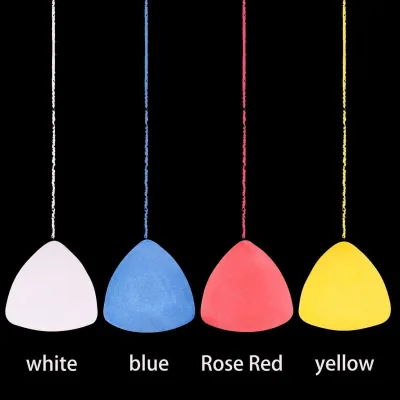
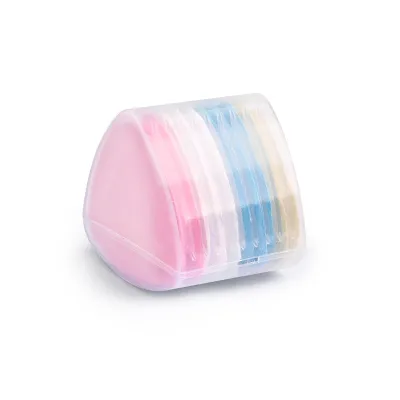
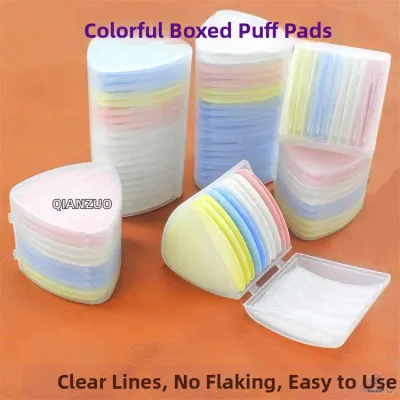
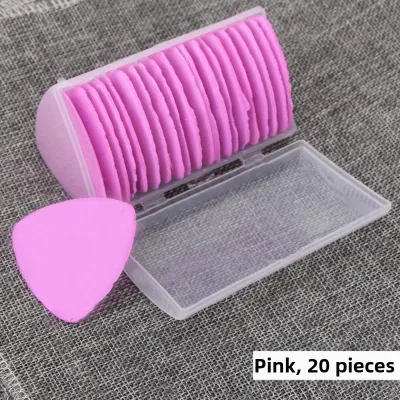
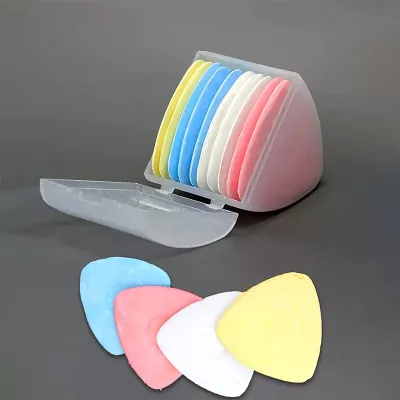
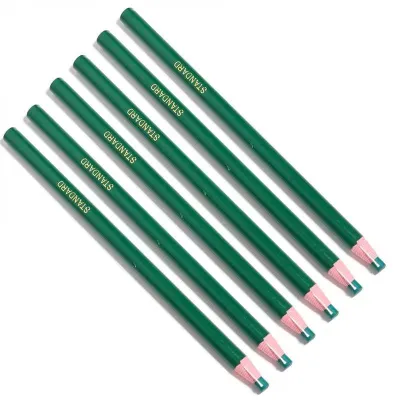
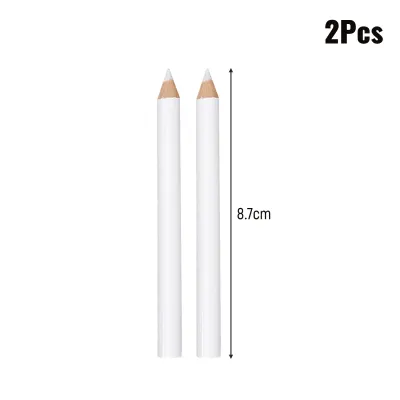
Prices are valid at publication and may change. Please refer to the product page for the latest price.
Wax-based tailor’s chalk, on the other hand, is formulated with a blend of wax and color pigments. This composition gives the chalk a smoother, slightly slicker feel during application. Unlike clay, wax chalk adheres firmly to the fabric fibers, creating highly durable marks that resist rubbing, folding, and handling. This makes it exceptionally useful for long-term projects where the fabric will be handled extensively. However, because the wax bonds with the fibers, removing these marks requires heat to melt the wax or a warm wash to break down the binder.
Water-soluble chalks and fabric marking pencils represent a modern approach to quilting layout. These tools utilize water-soluble binders that hold the pigment together in a solid form, often encased in wood like a standard pencil or extruded as fine mechanical refills. When these marks come into contact with water, the binder dissolves completely, allowing the pigment to wash away without leaving any physical residue. This formulation is highly valued for precision work where clean, temporary lines are essential.
Matching Chalk Types to Your Quilting Fabrics
Selecting the right tailor’s chalk requires a close look at the physical characteristics of your quilting fabric. Smooth, lightweight fabrics such as high-quality quilting cotton, silk, and lawn have tight, delicate weaves. For these materials, water-soluble pencils or fine clay-based chalks are highly recommended. These tools apply minimal pressure to the fabric, preventing snags and avoiding the greasy buildup that wax-based chalks can leave on fine, smooth surfaces.

Conversely, textured or heavy fabrics like wool, denim, flannel, and linen present a different set of challenges. The raised fibers and deep textures of these materials can easily swallow fine clay powder, causing your lines to disappear almost instantly. For these fabrics, wax-based chalk or coarser clay options are far more effective. The wax clings securely to the uneven surface of textured fibers, ensuring that your quilting paths remain clearly visible even after hours of pinning, basting, and moving the quilt sandwich under your machine needle.
Color contrast is another critical factor when matching chalk to fabric. While white chalk is the safest and most versatile option for dark fabrics, light-colored fabrics require contrasting shades like yellow, pink, or blue. When using colored chalks, it is vital to select formulations that use high-quality, non-staining pigments. Some cheap colored chalks can permanently dye light-colored cotton fibers, leaving permanent shadows along your seam lines. Always prioritize light, easily erasable shades and test them thoroughly before marking your main project.
Comparing Visibility, Precision, and Removal
When evaluating tailor’s chalk, visibility and precision are key to achieving accurate piecing and quilting. Clay-based chalk and water-soluble pencils excel at producing fine, sharp lines. Many clay chalks can be sharpened using a specialized rotary sharpener or a simple piece of sandpaper to maintain a razor-thin edge. Water-soluble mechanical pencils, often available in 0.9mm lead sizes, offer consistent line widths without the need for constant sharpening, making them ideal for intricate stencil transfers and detailed feather motifs.
Wax-based chalk, while highly visible, tends to produce slightly broader lines due to its softer, melting nature. It is less suited for micro-quilting or tight geometric designs but excels at marking long, straight grid lines across large quilt blocks. The durability of wax marks is unmatched; they will not fade or rub off during the heavy manipulation required to fit a large quilt through a domestic sewing machine’s throat space.
Removal techniques vary significantly across the three types and must be matched to your post-quilting workflow. Clay marks are the easiest to remove, requiring only a light brushing with a soft-bristled fabric brush, a clean scrap of batting, or a gentle tap on the fabric. Wax marks require heat or laundering; running a warm iron over the marked area melts the wax, which can then be absorbed by a clean pressing cloth or paper towel. Water-soluble marks must be misted with clean water or run through a gentle wash cycle to dissolve the binder.
In warm, humid climates, environmental factors can influence these removal methods. High ambient humidity can cause water-soluble marks to absorb moisture from the air, potentially causing the lines to spread, blur, or become harder to remove over time. Therefore, if you are working in a humid environment, it is best to remove water-soluble marks promptly rather than leaving them on the fabric for weeks.
| Chalk Type | Best Fabric Match | Line Precision Level | Primary Removal Method |
|---|---|---|---|
| Clay-Based | Smooth cottons, linens | High (easily sharpened) | Brushing or light tapping |
| Wax-Based | Wool, flannel, denim | Medium to Low | Ironing (heat) or warm wash |
| Water-Soluble | Light cottons, silks | High (pencil/fine tip) | Water spray or laundering |
Testing and Safety Checks Before Marking
Because erasability, line sharpness, and fabric interaction depend entirely on the exact combination of fabric weave density, fiber type, and chalk binder, you must perform a trial check before marking your project. Never assume a marking tool is safe based on the packaging alone. Always conduct a scrap fabric test using an offcut of the exact fabric, batting, and backing you plan to use for your quilt.
To perform the test, draw several lines on your scrap fabric using your chosen tailor’s chalk. Let the marked scrap sit for at least twenty-four hours to simulate the time the marks will spend on your quilt during construction. After this period, attempt to remove the marks using the recommended method—brushing for clay, ironing for wax, or spraying with water for water-soluble chalk. Examine the fabric under good lighting to check for any ghost lines, color bleeding, or permanent staining.
Additionally, always check the manufacturer care labels on your fabrics before applying any marking tool. If your fabric is heat-sensitive or dry-clean-only, wax-based chalk is a risky choice because you cannot safely iron or wash the fabric to remove the marks. If the scrap test reveals that the chalk alters the fabric’s “hand” (making it feel stiff or greasy), leaves a permanent stain, or fails to remove completely, stop using that specific chalk immediately and switch to a safer alternative.
Decision Framework: Which Chalk Fits Your Project?
To make the final decision on which tailor’s chalk to use or purchase for your current quilting project, use the following conditional guidelines:
Choose clay-based chalk if:
- You are working with standard quilting cottons or linens.
- You need quick, temporary guidelines for immediate piecing or quilting.
- You prefer a dry, powdery line that can be easily brushed away without using water or heat.
- You want a budget-friendly option with easily obtainable refill blocks, often costing under S$5 at local craft shops.
Choose wax-based chalk if:
- You are quilting thick, textured, or dark fabrics such as wool, flannel, or denim.
- Your project requires extensive handling, folding, and pinning over several weeks.
- You are confident the fabric can withstand the heat of an iron or a warm wash cycle for mark removal.
Choose water-soluble chalk or pencils if:
- You are executing fine, detailed piecework or intricate quilting motifs on light-colored fabrics.
- You require highly precise, thin lines that will not smudge during handling.
- Your fabric is fully washable and can safely tolerate water misting without water-spotting.
Verify first if:
- You are working with expensive, delicate, or highly saturated fabrics that may react unpredictably to moisture, heat, or colored pigments. Always perform the scrap test to guarantee a clean, professional finish.
Frequently Asked Questions (FAQ)
Can I use regular school chalk instead of tailor's chalk for quilting?
Regular school chalk is not recommended for quilting. It is typically made from calcium carbonate or gypsum, which has a much coarser particle size than the refined talc or clay used in tailor’s chalk. This coarse texture can snag delicate fabric fibers and produce excessive airborne dust. Furthermore, school chalk often contains binders and artificial dyes that are not formulated for textiles, which can lead to permanent staining on your quilt top.
How do I remove wax tailor's chalk marks if washing is not an option?
If washing your quilt is not an option, you can remove wax chalk marks using a low-heat iron and an absorbent barrier. Place a clean pressing cloth, blotting paper, or a brown paper bag directly over the wax marks. Gently press the area with a warm iron, ensuring the temperature matches the fabric’s heat tolerance. The heat will melt the wax, causing it to transfer out of the fabric fibers and into the absorbent paper or cloth.
Do water-soluble chalk marks disappear on their own over time?
No, water-soluble chalk marks do not evaporate or disappear on their own over time. The chemical binders holding the pigment together require direct contact with water molecules to dissolve and release the color from the fabric. While high ambient humidity can sometimes cause the marks to blur or fade slightly, complete and clean removal always requires a thorough spray of clean water or a complete laundering cycle.
Community discussion
Share your experience or ask a question. Comments are reviewed before publication.