
Starting your watercolour journey is exciting, but walking into an art supply store or browsing online can quickly become overwhelming. The sheer variety of watercolour palettes available can lead to costly trial and error. To avoid buying the wrong type, a beginner should focus on three core elements: a spacious and flat mixing area, a manageable well count that prevents color muddying, and a surface material that allows paint to pool smoothly rather than bead up. Balancing these features with your intended painting environment—whether at a dedicated home desk or on the go—will ensure your first palette supports your learning rather than causing frustration.
Material Choices: How Plastic, Ceramic, and Metal Affect Paint Flow
The material of your watercolour palette directly dictates how water and pigment behave when mixed. When you mix watercolours, you want the paint to spread out evenly so you can clearly see the diluted value of the color. Different materials interact with water in distinct ways, affecting your mixing experience, cleaning routine, and the overall durability of your setup.
Plastic Palettes Plastic is the most common and affordable option for beginners. It is incredibly lightweight and virtually indestructible, making it excellent for travel. However, untreated plastic is naturally hydrophobic. This means water and paint will bead up into tiny droplets on the surface, making it difficult to see the actual color wash you are creating. Over time, plastic also tends to stain permanently, especially when using heavily staining pigments. To mitigate this, look for high-quality, textured, or specially treated plastics that mimic the properties of ceramic.
Products mentioned in this guide
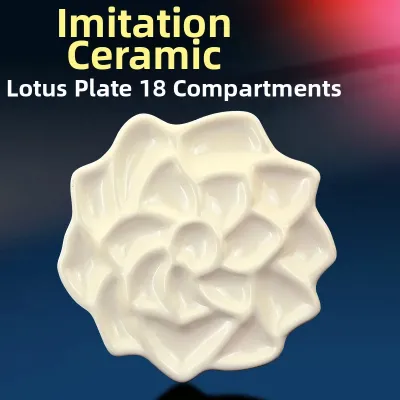
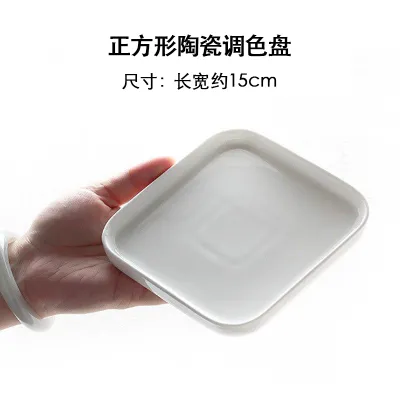
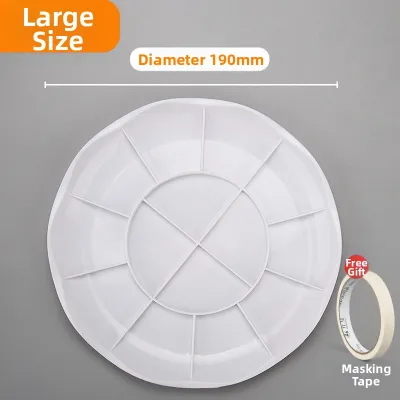
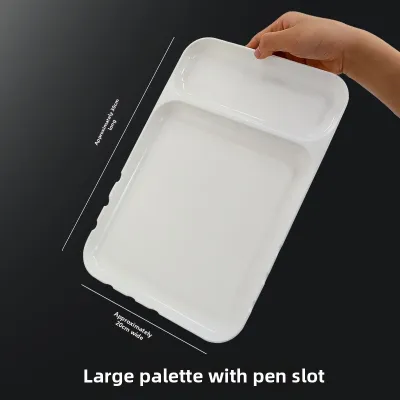
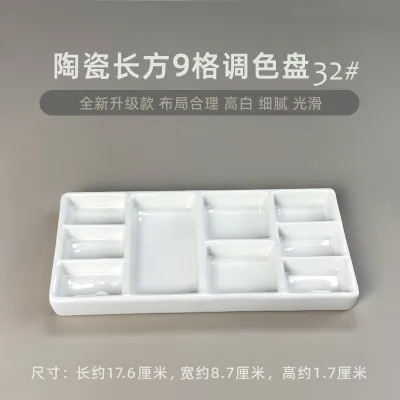
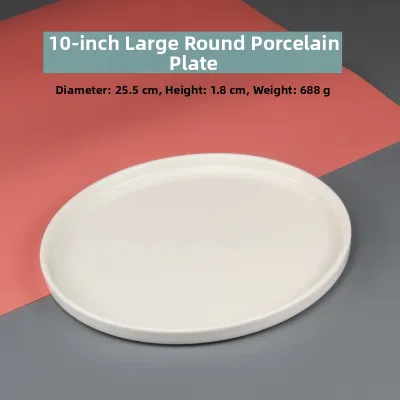
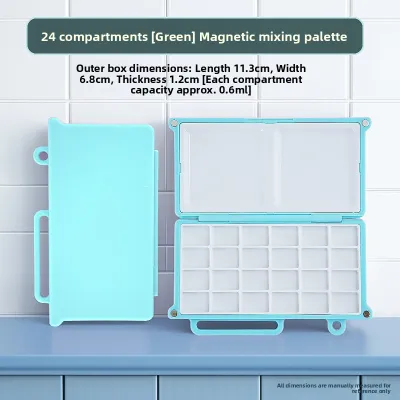
Prices are valid at publication and may change. Please refer to the product page for the latest price.
Ceramic Palettes Ceramic is widely considered the gold standard for colour mixing. The smooth, glazed surface of ceramic is hydrophilic, allowing water and paint to spread out flat and evenly without beading. This makes it incredibly easy to judge the exact intensity and hue of your washes. Ceramic is also completely stain-resistant and effortless to clean with a quick wipe. The primary trade-offs are weight and fragility. Ceramic palettes are heavy and can shatter if dropped, making them best suited for stationary desk use rather than outdoor painting.
Metal and Enamel Palettes Metal palettes, often made of lightweight tin or brass coated with white enamel, offer a middle ground. They are highly durable, portable, and often feature fold-out mixing areas. However, the quality of the enamel coating is crucial. Low-grade enamel can chip over time, exposing the underlying metal to rust. Additionally, paint may still bead slightly on brand-new enamel until the surface is broken in through regular use.
Material Inspection Checklist
- Surface Finish: Look for descriptions mentioning "matte finish," "porcelain-like coating," or "acid-resistant enamel" rather than high-gloss, cheap plastic.
- Weight Specifications: Check the product weight; a palette over 300 grams is likely ceramic or heavy metal, while travel-friendly plastic models usually weigh under 150 grams.
- Stain Resistance: Verify if the product description explicitly mentions stain-resistant properties or treated surfaces.
Size and Well Layout: Matching the Palette to Your Painting Style
The physical layout of your palette determines how you organize your colors and how much physical space you have to mix them. As a beginner, it is easy to assume that more wells are always better, but an overly complex layout can actually hinder your progress.

The Ideal Well Count For those starting out, a palette with 12 to 24 wells is the sweet spot. This range provides enough space to house a standard split-primary palette (warm and cool versions of red, yellow, and blue) along with a few convenient earth tones and secondary colors. Having too many wells often encourages beginners to buy unnecessary pre-mixed paint tubes, which can lead to muddy colour mixing and an overwhelming workspace.
Mixing Area Size A common mistake is choosing a palette with tiny, cramped mixing spaces. Watercolour painting relies heavily on creating washes of various consistencies. You need large, flat, or gently sloped mixing areas where you can pool water and drag in pigment. Look for palettes that offer at least two or three distinct, large mixing sections so you can keep your warm and cool mixes separate. Small, deep dimples are useful for concentrated detail work, but they cannot replace a broad mixing tray.
Pan Compatibility Palettes generally accommodate paint in two ways: empty wells where you squeeze wet paint directly from tubes, or slots designed to hold pre-filled plastic pans.
- Half-Pans: Measuring approximately 1.5cm x 1.9cm, half-pans are the standard for travel and beginner sets. They hold a modest amount of paint and are highly space-efficient.
- Full-Pans: Measuring approximately 3cm x 1.9cm, full-pans hold double the volume. They are ideal if you plan to use larger wash brushes (size 10 and above), as the wider opening prevents the brush bristles from getting damaged or frayed when picking up paint.
Verifying Dimensions Always check the exact product dimensions in centimeters before purchasing. Marketing terms like “compact,” “pocket-sized,” or “studio-grade” are highly subjective. A “compact” palette might be too small for your hands, while a “studio” palette might take up your entire desk space.
Portability vs. Studio Use: Choosing the Right Form Factor
Where you plan to paint should heavily influence the shape and design of your watercolour palette. Art tools are designed with specific workflows in mind, and choosing the wrong form factor can make your painting sessions physically uncomfortable.
Folding Palettes for Travel If you enjoy painting outdoors, attending workshops, or simply need to pack your supplies away after every session, a folding palette is highly practical. These models often feature a thumb hole or a metal ring on the bottom, allowing you to hold the palette securely in one hand while painting standing up. They fold down into a compact footprint, protecting your dry paint from dust and preventing residual moisture from leaking into your bag.
Stationary Studio Palettes If you have a dedicated desk or table at home, a stationary palette is a superior choice. These are typically flat, heavy trays made of ceramic or thick plastic. They often feature slanted wells that allow excess water to drain away from the concentrated paint, keeping your pure pigments clean. Some studio models also include built-in water reservoirs or brush rests, creating a self-contained workstation on your desk.
Weight and Bulk Trade-offs Carrying heavy art supplies can quickly become a chore. If you commute or walk long distances to paint, every gram counts. A heavy ceramic palette or a thick metal tin can add significant weight to your backpack. For mobile setups, lightweight plastic folding palettes or small aluminum tins are much more practical.
Sturdiness Verification When evaluating folding models online, pay close attention to the construction of the hinges, clasps, and seals.
- Hinges: Look for metal pins rather than simple plastic folds, which can fatigue and snap after repeated use.
- Clasps: Ensure the latch snaps shut securely so the palette does not accidentally pop open in transit.
- Seals: If you plan to travel with wet paint, look for palettes with a silicone or rubber gasket seal around the edge to prevent leaks.
Building Your Shortlist: How to Filter Options on E-commerce Platforms
Shopping for art supplies online offers incredible variety, but it also exposes you to low-quality products marketed with exaggerated claims. To find a reliable watercolour palette on e-commerce platforms, you need a structured filtering strategy.
Effective Search Filters Start by narrowing down your search using specific material and structural terms rather than broad categories. Search for terms like “ceramic watercolour mixing tray,” “airtight folding watercolour palette,” or “empty metal watercolour tin.” Filter by well count (12 to 24) to eliminate overly complex professional setups or tiny pocket tins that will not serve as a versatile primary palette.
Analyzing User Reviews Customer feedback is invaluable for identifying hidden flaws that product photos hide. Look specifically for reviews that mention how paint behaves on the surface.
- Red Flag: "Paint beads up": This indicates cheap, untreated plastic that will make mixing frustrating.
- Red Flag: "Flimsy hinges": A common issue with budget folding palettes that leads to breakage within a few weeks.
- Red Flag: "Hard to clean": Suggests a highly porous material that will stain permanently and contaminate your lighter colors.
Budget Framework You do not need to spend a fortune on your first palette.
- Basic Plastic Palettes (S$5 to S$15): Ideal for absolute beginners testing the waters. Focus on models with a matte finish or those that can be easily pre-treated.
- Entry-Level Metal Tins (S$15 to S$30): Excellent value for money, offering durability, portability, and customizable pan layouts.
- Ceramic Palettes (S$20 to S$50+): A worthwhile investment if you are committed to painting at home and want the absolute best mixing experience.
Seller and Shipping Verification Because ceramic is fragile and metal can dent, always check the seller’s packaging reviews. Look for sellers who use bubble wrap or sturdy cardboard boxes. Verify the platform’s return policy so you can easily exchange the item if it arrives damaged or warped.
Cleaning and Care: Maintaining Your Palette in a Humid Climate
Proper maintenance not only extends the lifespan of your palette but also keeps your paint colors vibrant and free from contamination. In a warm, humid climate like Singapore’s, extra care is required to prevent environmental issues like mold.
Safe Cleaning Methods
- Plastic Palettes: Soak in warm water with a few drops of mild dish soap. Avoid using boiling water, which can warp the plastic. Gently wipe with a soft microfiber cloth.
- Ceramic Palettes: These can be easily wiped clean with a damp sponge or cloth. For stubborn stains from highly pigmented paints, a small amount of baking soda rubbed gently onto the surface will lift the color without scratching the glaze.
- Metal Palettes: Wipe down the enamel mixing areas with a damp cloth. Avoid soaking the entire tin in water, as moisture can get trapped under the mixing trays and cause rust over time.
Avoiding Abrasives Never use steel wool, abrasive scrubbing pads, or harsh chemical solvents like acetone or alcohol on your palette. These will scratch the surface of plastic and strip the protective glaze off ceramic or enamel, creating microscopic grooves where paint will stain permanently and water will bead excessively.
Preventing Mold in Humid Climates Singapore’s high humidity creates an ideal environment for mold to grow on organic materials, including some watercolour binders like gum arabic or honey. Never close a folding palette while the paint or mixing wells are still wet. Always leave your palette open in a well-ventilated, dry indoor area until the paint has completely dried to the touch before storing it away.
Manufacturer Care If your palette features a specialized non-stick or hydrophilic coating, consult the manufacturer’s care instructions. Some high-end coatings can be damaged by soap or warm water, requiring only a gentle wipe with cold water.
Frequently Asked Questions (FAQ)
Can I use a regular plastic food container as a watercolour palette?
Yes, you can use a plastic food container or a ceramic dinner plate as a temporary DIY palette, but you will quickly encounter limitations. Food-grade plastics are designed to repel liquids, which causes watercolour paint to bead up aggressively. This makes it very difficult to mix smooth washes or see the true value of your color. While a ceramic plate works beautifully as a flat mixing surface, it lacks individual wells to keep your pure pigments separated. A dedicated art palette is a highly recommended investment once you decide to paint regularly.
Do I need a palette with a built-in water cup?
Built-in water cups are convenient for quick outdoor sketching sessions where space is extremely limited, but they are generally impractical for standard painting. These integrated cups hold a very small volume of water, which quickly becomes dirty and muddy, contaminating your light washes. For both studio and outdoor painting, it is much better to use separate, larger water jars. Having two jars—one for rinsing dirty brushes and one with clean water for mixing—will keep your colors bright and clean.
How do I keep my paint from drying out in the palette wells?
Watercolour paint is designed to be rewetted, so letting it dry out in the wells is completely normal and will not ruin the paint. However, if you prefer to keep your paint semi-wet and creamy between daily sessions, you can use an airtight palette equipped with a silicone seal. Placing a slightly damp sponge or a wet paper towel inside the palette before closing it can help maintain moisture. Be cautious in humid climates, as keeping paint constantly damp in a sealed container for extended periods can encourage mold growth.
Community discussion
Share your experience or ask a question. Comments are reviewed before publication.