
For beginners entering the world of scale modeling or radio-controlled (RC) vehicles, selecting the correct spray paint is one of the most critical decisions of the build. The Tamiya paint spray lineup is highly regarded for its fine atomization, consistent flow, and durable finish, but it is divided into several distinct series: TS, PS, AS, and LP. Choosing the wrong series can lead to severe paint failure, such as cracking on flexible parts or even melting the plastic of your model kit.
To ensure a successful first project, beginners working on standard, rigid plastic model kits (such as cars, tanks, or sci-fi figures) should start with the Tamiya TS (Tamiya Spray) series. If you are building a flexible, clear polycarbonate RC car body, you must use the PS (Polycarbonate Spray) series instead. Understanding the chemical differences and intended applications of each line is the key to achieving a smooth, professional finish without damaging your materials.
Understanding the Core Tamiya Paint Series
Each Tamiya paint spray series is formulated with a specific chemical base designed to interact with particular materials. Using these paints successfully requires matching the paint’s chemistry to the physical properties of your model’s substrate.
Products mentioned in this guide
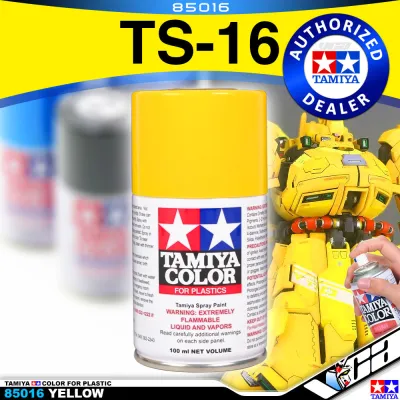
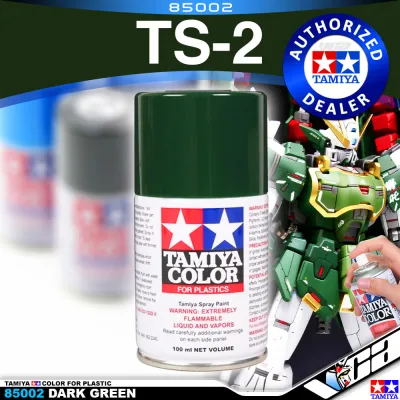
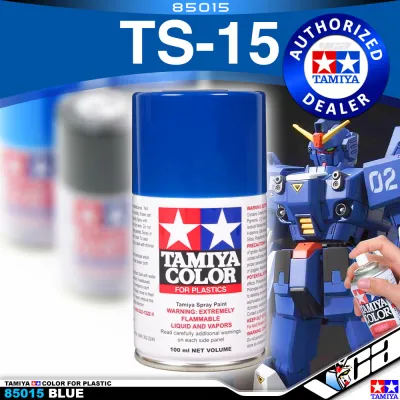
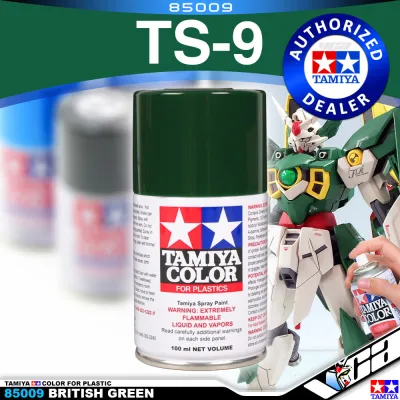
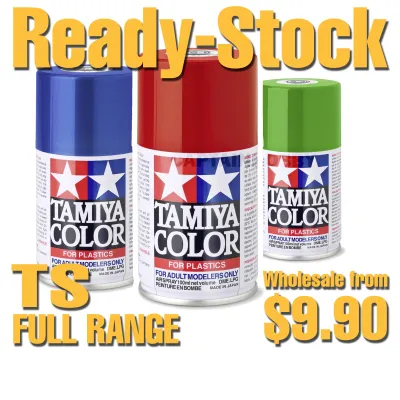
Prices are valid at publication and may change. Please refer to the product page for the latest price.
The TS (Tamiya Spray) line consists of synthetic lacquer-based paints formulated specifically for rigid plastics, primarily polystyrene. Polystyrene is the standard material used in the vast majority of static model kits. TS paints dry quickly to a hard, durable shell that resists handling and mild scratches. Because they are designed for rigid surfaces, they do not retain flexibility once fully cured.
The PS (Polycarbonate Spray) line is chemically distinct from the TS series. It is formulated specifically for polycarbonate plastic, commonly known by the brand name Lexan, which is used to vacuum-form flexible RC car bodies. PS paint contains specialized solvents that slightly etch into the polycarbonate surface, creating a molecular bond. Once cured, the paint remains highly flexible, allowing the RC body to bend, flex, and withstand impacts without the paint chipping, cracking, or peeling. However, the strong solvents in PS paint carry a high risk of warping or melting standard polystyrene kits, meaning they should never be used on rigid plastic models.
The AS (Aircraft/Space) series shares the same synthetic lacquer chemistry as the TS line, making it perfectly safe for rigid polystyrene models. The primary difference lies in the color palette. The AS line is curated specifically to match historical military aircraft and spacecraft color standards. These paints dry to a realistic flat or semi-gloss finish, saving scale modelers the effort of custom-mixing paints to achieve historical accuracy.
The LP (Lacquer Paint) series represents Tamiya’s line of liquid lacquer paints, which are primarily packaged in small glass bottles. While some LP shades are available in spray cans, the bottled versions are designed for airbrushing or detail hand-brushing. For a beginner, ready-to-use aerosol cans like the TS or AS series are much more accessible and cost-effective than investing in a dedicated airbrush, compressor, and thinning agents.
Matching the Paint Series to Your Model Kit
Before purchasing your first can of paint, you must identify the exact material of your model kit to prevent irreversible damage. Standard static kits and RC bodies require completely different preparation and painting workflows.

For standard plastic kits—such as model cars, motorcycles, military armor, and figures—the TS series is the standard choice. These kits are molded from rigid polystyrene, which tolerates the mild solvents in TS paint when applied correctly. The TS series offers a wide array of high-gloss automotive colors, flat military shades, and metallic finishes that adhere beautifully to primed plastic.
If your project is a clear RC car body, you will almost certainly be working with polycarbonate. These bodies are painted from the inside so that the naturally glossy exterior of the plastic protects the paint from scratches during use. For this application, you must use the PS series. Applying TS paint to the inside of an RC body will result in a finish that cracks and flakes off the very first time the body flexes or bumps into an obstacle.
To verify your kit’s material, always check the manufacturer’s labels and warnings on the packaging. Most model kits explicitly state the type of plastic used, often listing “Polystyrene,” “PS,” “ABS,” or “Polycarbonate” in the specifications. If the box does not clearly state the material, consult the instruction manual, which typically includes a section recommending specific paint codes.
When historical accuracy is your primary goal for military aircraft or spacecraft, choose the AS series over the TS series. While you can find similar shades in the TS line, the AS series is specifically formulated to replicate the exact matte tones used by historical air forces. If your kit instructions call for an AS color code, using that specific can ensures your model matches the historical reference photos.
If you are ever uncertain about paint compatibility—such as when working with aftermarket resin parts or 3D-printed components—perform a simple compatibility check. Spray a small amount of paint onto a piece of scrap plastic or a runner (sprue) from the kit. Observe the test piece over 24 hours to check for any adverse reactions, such as bubbling, softening, or melting of the plastic.
Essential Safety and Surface Preparation
Achieving a flawless finish with Tamiya spray paints depends heavily on proper preparation and safety protocols. Because these are solvent-based lacquer paints, they require careful handling to protect both your health and your model.
Always prioritize respiratory protection and ventilation. Tamiya spray paints release strong volatile organic compounds (VOCs) and fine aerosol mists. Never spray indoors without a dedicated spray booth that vents directly outside. If spraying outdoors, choose a calm day to avoid wind-blown dust. Wear a properly fitted respirator equipped with organic vapor cartridges; standard paper dust masks or fabric masks do not filter out harmful chemical vapors.
Before applying any paint, you must wash the model parts. During the manufacturing process, factories apply chemical release agents to the metal molds to help the plastic parts pop out easily. These oily residues often remain on the plastic and can prevent paint from adhering, leading to surface defects like “fish-eyes” or peeling. Wash the plastic sprues in warm water mixed with a few drops of mild dishwashing liquid, scrub gently with a soft toothbrush, rinse thoroughly with clean water, and allow them to air dry completely.
Applying a primer is highly recommended for rigid plastic kits. Tamiya Surface Primer provides a micro-textured surface that helps the subsequent color coats bond securely to the plastic. Grey primer is ideal for dark or neutral topcoats, white primer makes bright colors like yellow and red appear vibrant, and pink primer is specifically designed to enhance red and orange finishes. Apply the primer in light, even coats and let it cure fully before applying your color coats.
Before spraying, check the product label for specific instructions and shake the can vigorously for at least two minutes. This ensures the pigments, solvents, and propellants are thoroughly mixed. In cooler environments, warming the spray can in a bowl of lukewarm water (never hot or boiling water) for five minutes can help lower the paint’s viscosity, resulting in a finer, more consistent spray mist.
Application Techniques for a Smooth First Finish
Using proper spraying techniques is the best way to prevent common paint defects such as runs, drips, orange peel, or cloudiness. Patience and consistent motion are key to a professional-looking finish.
Maintain a consistent spraying distance of 20 to 30 centimeters from the surface of the model. Holding the can too close will cause the paint to pool and run, while holding it too far away can cause the paint droplets to dry in mid-air, resulting in a rough, sandpaper-like texture. Always use a continuous sweeping motion: start spraying off to the side of the model, sweep across the part at a steady speed, and release the nozzle only after you have cleared the opposite side.
Apply multiple light coats rather than a single heavy layer. The first coat, often called a “mist coat,” should look slightly dusty and semi-transparent. Allow this layer to flash off for 15 to 20 minutes before applying a second, slightly wetter coat. This building-block approach ensures excellent coverage while preserving the fine panel lines and molded details of your model.
Pay close attention to environmental conditions before you begin painting. High humidity is the primary cause of “blushing” or “frosting,” a defect where moisture becomes trapped within the rapidly drying lacquer, leaving a cloudy, white haze on the surface. Avoid spraying outdoors if the relative humidity is high. If you must paint in a humid climate, working in an air-conditioned room with a dehumidifier can help ensure a clear, glossy finish.
Once your painting session is complete, perform a quick nozzle-clearing procedure to preserve the spray can for future use. Turn the can completely upside down and press the nozzle for two to three seconds until only clear propellant escapes. Wipe any excess paint from the nozzle tip with a lint-free cloth dipped in lacquer thinner to prevent the valve from clogging.
Frequently Asked Questions (FAQ)
Can I use TS series paint on a polycarbonate RC body?
No, you should not use TS series paint on a polycarbonate RC body. TS paint is formulated for rigid plastics and lacks the elasticity required for flexible materials. If applied to a polycarbonate RC body, the paint will crack, flake, and peel off during normal operation or impacts. Additionally, the solvents in TS paint can sometimes cloud or damage clear polycarbonate. Always use the PS series, which is specifically engineered to bond with and flex alongside polycarbonate materials.
How do I prevent the paint from looking frosty or cloudy?
Frosting or clouding, also known as blushing, is typically caused by high humidity or spraying from too far away. To prevent this issue, avoid spraying on highly humid days. Ensure you maintain a consistent spraying distance of 20 to 30 centimeters so the paint droplets do not dry before reaching the model. Warming the spray can in lukewarm water before use also helps improve atomization, resulting in a smoother, clearer finish.
Where should beginners buy Tamiya spray paints to ensure authenticity?
Beginners should purchase Tamiya spray paints from authorized local hobby shops or established online craft and model stores. Purchasing from reputable sources ensures that the aerosol cans have been stored under proper temperature conditions and are genuine products. When buying, inspect the can to ensure it has intact safety seals, clear manufacturer markings, and proper hazard labeling. Avoid purchasing from unverified third-party sellers on general online marketplaces, as improperly stored or counterfeit cans may perform poorly.

Community discussion
Share your experience or ask a question. Comments are reviewed before publication.