
Selecting your first model paint set is a pivotal step in your scale modeling journey. For beginners in Singapore, Tamiya paints are a highly accessible and reliable choice, offering a vast ecosystem of colors, thinners, and finishing products. However, because Tamiya produces several distinct paint formulas, finding the right starter set requires understanding how these chemistries behave, how to evaluate the contents of a kit, and how to manage your painting environment.
To get the best results, novices should generally look for Tamiya’s water-soluble acrylic paint sets. These sets provide a versatile color palette, lower odor levels suitable for indoor residential spaces, and straightforward cleanup. By matching the paint type to your workspace and modeling goals, you can avoid common pitfalls like ruined plastic surfaces, clogged brushes, or poor paint adhesion.
Understanding Tamiya Paint Chemistries Before You Buy
Before purchasing any starter set, you must identify the specific chemical line of the paints included. Tamiya manufactures three primary types of hobby paint: acrylics, enamels, and lacquers. Each chemistry has distinct handling characteristics, drying times, and ventilation requirements that dictate how and where you can safely paint.
Products mentioned in this guide
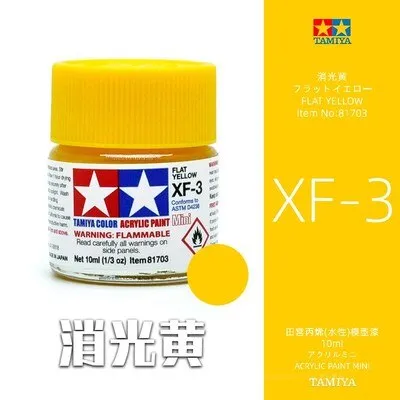
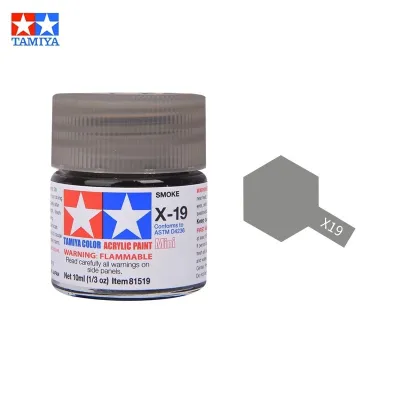
Prices are valid at publication and may change. Please refer to the product page for the latest price.
Tamiya Acrylics (designated by X for gloss and XF for flat/matte finishes) are the most popular choice for beginners. These are water- and alcohol-based paints that offer a mild scent, making them highly manageable for indoor use. They dry quickly to the touch and can be thinned with water, isopropyl alcohol, or proprietary acrylic thinners. For those working in typical residential apartments where dedicated workshop space is limited, acrylics present the lowest barrier to entry.
Tamiya Enamels come in small square bottles and are oil-based. They dry much slower than acrylics, which allows the paint to self-level beautifully, virtually eliminating visible brush strokes. This slow drying time makes enamels excellent for fine detail hand-brushing, washes, and weathering effects. However, they carry a stronger odor and require specialized enamel thinners for dilution and cleanup.
Tamiya Lacquers (LP series) are solvent-based paints favored for their extreme durability, rapid drying times, and ultra-smooth finishes when airbrushed. Despite their performance benefits, lacquers release strong chemical fumes. Using them safely requires a dedicated spray booth with an exhaust system vented out a window, alongside a respirator fitted with organic vapor cartridges. Because of these strict ventilation demands, lacquers are generally less practical for beginners painting in enclosed home environments.
Your choice of paint chemistry strictly dictates the auxiliary products you must buy. Acrylic paints cannot be mixed or thinned with enamel or lacquer thinners, as doing so will cause the paint to curdle into an unusable sludge. Always verify that the starter set you choose matches the specific thinners, cleaners, and topcoats available in your inventory.
How to Evaluate a Starter Set for True Beginner Value
Not all paint sets are created equal, and some pre-packaged bundles offer far better value for a novice than others. To ensure you are getting a practical kit rather than a collection of redundant colors, use a systematic evaluation checklist before making a purchase.

First, check the tool and accessory inclusion. A truly helpful starter set should go beyond just paint jars. Look for bundles that package the paints alongside essential consumables, such as a small bottle of compatible brand thinner, basic mixing wells, or a starter paint brush. If a set only contains paint, remember to budget separately for these critical application tools.
Second, analyze the color selection relative to your specific modeling interests. If you plan to build military armor or aircraft, look for sets featuring olive drab, dark greens, earth tones, and neutral greys. For automotive or civilian vehicle models, prioritize sets with vibrant primary gloss colors, black, white, and metallic silver. If you are painting sci-fi figures or Gundam models, a balanced mix of primary colors plus neutral grey and white will allow you to mix almost any custom shade you need.
Finally, examine the packaging and jar sizes. Tamiya paints are commonly sold in 10ml (mini) and 23ml bottles. Starter sets frequently utilize the 10ml mini jars. These smaller bottles are highly economical for beginners, providing ample paint to complete several small-to-medium projects while keeping the initial investment low. Always inspect the manufacturer labels on the packaging for storage guidelines and batch codes to ensure you are purchasing fresh stock.
Matching Official Starter Kit Categories to Your Painting Style
Tamiya products are often grouped into specific kit configurations designed for different application methods. Aligning the category of the starter set with your preferred painting technique will prevent frustration and wasted material.
Basic Acrylic Paint Sets
These sets are tailored for hand-brushing and basic color mixing. They typically feature a core assortment of primary colors (red, blue, yellow) along with essential neutrals (black, white, and grey). When using these sets for hand-brushing, the paint can dry rapidly on the brush, leading to visible texture. To counter this, look for sets that can be paired with an acrylic paint retarder, which slows drying time slightly to help the paint level out smoothly on flat plastic surfaces.
Airbrush and Compressor Bundles
If you plan to skip hand-brushing and go straight to airbrushing, entry-level spray bundles pair a basic compressor and airbrush with a small selection of paints. When evaluating these bundles, verify the compressor’s pressure capabilities; a reliable unit should maintain a steady pressure between 15 and 30 PSI. Additionally, look for an airbrush with a 0.3mm nozzle size, which is the industry standard for general-purpose modeling. Ensure the bundled paints are acrylics, as they are much easier for a beginner to thin and clean out of an airbrush than enamels or lacquers.
Weathering and Finishing Sets
Weathering sets are specialized kits designed to be used after your base coats are fully dry. These include products like Tamiya Weathering Master palettes (which resemble makeup compacts containing dry pigments for dust, rust, or soot effects) and Panel Line Accent Colors (pre-thinned enamel washes that flow into panel lines to add depth). These sets do not replace basic paint kits; instead, they serve as secondary finishing tools to add realistic wear and tear to your completed models.
Sourcing Genuine Tamiya Sets and Avoiding Counterfeits in Singapore
Because Tamiya is a globally recognized brand, counterfeit products and poorly stored old stock occasionally circulate in the market. Sourcing your starter sets from reputable channels ensures you receive genuine, high-performing chemical formulas.
To guarantee authenticity, purchase your paint sets from established local hobby shops, physical retail distributors, or official brand storefronts on major online marketplaces. Local brick-and-mortar hobby shops are particularly valuable, as the staff can offer direct advice on compatibility and stock freshness.
When buying in person, inspect the physical packaging carefully. Genuine Tamiya paint jars feature crisp, high-resolution label printing, clear safety warnings, and a distinct batch code stamped on the glass or the lid. Avoid any sets that show signs of leaking, faded labels, or dried paint residue around the cap threads, as these are clear indicators of improper storage or previous tampering.
Purchasing from unauthorized third-party sellers on unverified online platforms carries significant risks. Paints stored in hot, unventilated warehouses can suffer from permanent pigment separation, where the binder and pigment separate into a hard clay-like mass at the bottom of the jar that cannot be reconstituted. Furthermore, counterfeit thinners can contain harsh industrial solvents that will instantly dissolve or warp your plastic models upon application.
Setting Up Your Workspace and Maintaining Your New Paints
Once you have acquired your Tamiya starter set, establishing a clean workspace and practicing proper paint maintenance will extend the life of your materials and improve your painting results.
Begin by preparing a stable, flat work surface. Cover the area with a dedicated silicone craft mat or several layers of clean newspaper to catch accidental spills. Ensure your workspace is brightly lit, ideally with a daylight-balanced LED desk lamp, which helps you accurately judge color coverage and paint thickness. Even when working with low-odor acrylics, keep a window open or run a room fan to maintain steady air circulation.
Never paint directly out of the jar, as this introduces dust and contaminants that can spoil the remaining paint. Instead, use a clean pipette to transfer a small amount of paint to a plastic or metal mixing palette. Dilute the paint according to the manufacturer’s instructions on the label. For hand-brushing Tamiya acrylics, a general starting ratio is two to three drops of paint to one drop of acrylic thinner, aiming for a consistency similar to skim milk. Always test your mixture on a piece of scrap plastic or a plastic spoon before applying it to your model.
Finally, implement a strict cleaning routine immediately after every painting session. Wash your brushes thoroughly with water or dedicated acrylic brush cleaner, reshaping the bristles before storing them flat or tip-up. If you are using an airbrush, flush it with airbrush cleaner until the spray runs completely clear. Before screwing the caps back onto your paint jars, wipe the bottle rims clean with a lint-free cloth; this prevents the paint from drying on the threads and permanently gluing the cap shut.
Frequently Asked Questions (FAQ)
Can I mix Tamiya acrylics with paints from other brands?
Mixing Tamiya acrylics directly with water-based acrylics from other brands is generally not recommended. Tamiya’s acrylic formula is alcohol-based, which behaves differently from true water-based acrylics. Combining them in the same mixing cup often causes the binders to clash, resulting in clumping, graininess, or a complete failure to dry. If you must use multiple brands on a single model, apply them in separate, fully cured layers rather than mixing them together, and always perform a compatibility test on scrap plastic first.
How should I store opened Tamiya paints in a humid climate?
In Singapore’s warm and highly humid climate, keeping paint jars tightly sealed is critical to prevent moisture from entering and solvent from evaporating. Store your paint jars upright in a cool, dark cupboard away from direct sunlight and air conditioning drafts, which can cause temperature fluctuations. Before sealing a jar, ensure the rim is clean. If you notice the paint beginning to thicken over time, adding a few drops of compatible proprietary thinner and stirring thoroughly with a metal paint stirrer can help restore its original consistency.
Do I need a separate primer if my starter set lacks one?
Yes, using a separate primer is highly recommended if your starter set does not include one. Raw model plastic is very smooth, making it difficult for acrylic paints to adhere securely. Applying a dedicated hobby primer first creates a micro-textured surface that allows the subsequent paint layers to grip firmly, preventing peeling and chipping during handling. Ensure you select a primer that is chemically compatible with your paint line, such as a Tamiya surface primer, and let it cure completely before applying your starter set colors.
Community discussion
Share your experience or ask a question. Comments are reviewed before publication.