
Why Switch to a Magnetic Needle Holder for Embroidery
Embroidery requires precision, patience, and a constant rotation of fine tools. For beginners, managing needles is often one of the most frustrating aspects of the craft. Traditional fabric pincushions, while classic, present several distinct challenges during active needlework. Fine crewel and embroidery needles are incredibly slender, making them easy to lose track of against busy, colorful fabric patterns. When pushed into a standard stuffed cushion, these tiny needles can easily sink entirely below the surface, rendering them difficult to retrieve and occasionally causing accidental finger pricks.
A magnetic needle holder solves these issues by creating an exposed, highly visible landing zone for your tools. Instead of carefully aiming and pushing a needle into a fabric bundle, you simply drop the needle onto the magnetic surface, where it instantly snaps into place. This immediate physical feedback streamlines your workflow, allowing you to focus entirely on your stitching rhythm.
Beyond workflow efficiency, safety is a primary driver for upgrading to a magnetic system. In many households, particularly in Singapore where shoe-free indoor living is the cultural norm, a single dropped needle on a tiled, vinyl, or parquet floor poses a serious hazard to bare feet, crawling toddlers, and pets. If a needle slips from your fingers, a magnetic holder can be swept closely over the floor or fabric surface to safely attract and retrieve the lost item before it causes an injury.
Products mentioned in this guide
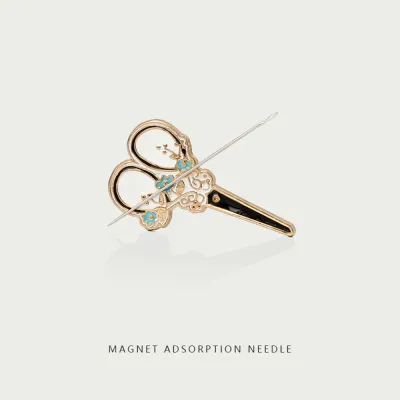
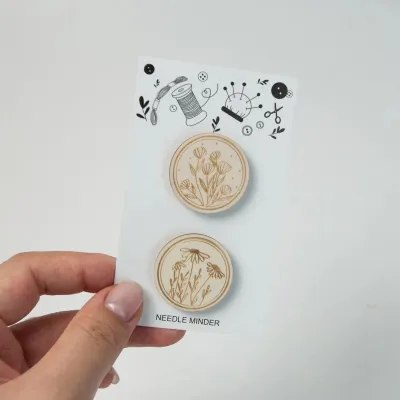
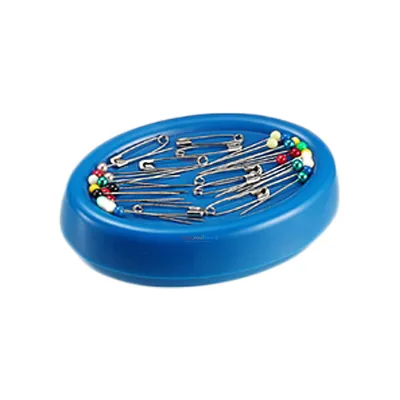
Prices are valid at publication and may change. Please refer to the product page for the latest price.
Core Specifications to Check Before You Buy
When shopping for your first magnetic needle holder, it is easy to be swayed by decorative designs or low prices. However, a needle holder is a functional tool that must match your specific embroidery habits. The physical specifications—including magnetic pull, weight, and material composition—directly affect how well the holder performs with your preferred needles.

Different styles of needlework utilize distinct needle sizes. For instance, fine crewel needles require a delicate touch, while thick, blunt tapestry needles used for cross-stitch require a stronger magnetic hold due to their mass. Evaluating the physical specifications of a holder ensures that your tools remain secure without becoming damaged or difficult to handle.
Magnet Strength and Needle Capacity
The heart of any magnetic needle holder is the magnet itself, which typically falls into one of two categories: standard ferrite (ceramic) magnets or neodymium (rare-earth) magnets. Ferrite magnets are generally larger, darker, and possess a gentler magnetic pull. While they are highly affordable, they may struggle to hold multiple needles securely if the holder is bumped or tilted. Neodymium magnets, on the other angle, offer an exceptionally strong pull even in tiny sizes. This makes them highly efficient for securing several needles simultaneously, though they can sometimes be so strong that they temporarily magnetize your needles, causing them to cling to one another.
To evaluate the capacity of a holder, look for a magnet that can securely retain three to five needles without them sliding off when the holder is tilted at a 90-degree angle. A magnet that is too weak will allow fine needles to slip off with the slightest movement of your embroidery hoop. Conversely, an excessively strong magnet can make it frustratingly difficult to lift a single needle away from the base, potentially causing you to bend or warp delicate, high-gauge needles during retrieval.
Size, Weight, and Portability
Selecting the right size and weight involves a direct trade-off between needle capacity and physical comfort. A large magnetic surface allows you to organize multiple needle sizes and even hold small embroidery scissors, but it adds bulk to your workspace. For crafters working in compact environments, such as Singapore’s HDB flats where dining tables often double as temporary crafting stations, a highly portable and compact holder is incredibly beneficial.
If you choose a wearable design, such as a wristband or a ring, weight is the most critical factor to analyze. A heavy magnet worn for several hours can lead to wrist fatigue or muscle strain. Ideally, a wearable holder should weigh less than 40 grams and measure under 50 millimeters in diameter. For stationary desktop models, a heavier, weighted base with non-slip silicone feet is preferred to keep the holder stable on your table when you pull a needle away.
Material and Build Quality
The materials used to encase the magnet play a crucial role in protecting both your tools and your embroidery fabric. In warm, humid tropical climates like Singapore, atmospheric moisture can quickly rust unprotected ferrous metals. If a cheap, unplated magnet or iron casing begins to rust, that rust can easily transfer to your expensive linen, silk, or cotton embroidery fabrics, leaving permanent orange stains that are nearly impossible to wash out. To prevent this, prioritize holders made with rust-resistant stainless steel, high-grade plastics, or fully sealed silicone casings.
Additionally, inspect the edges of the holder carefully. The casing must be completely smooth and free of sharp plastic seams, metal burrs, or rough edges. During embroidery, your working thread constantly moves near the holder; any rough surface can snag, fray, or break delicate stranded cotton or silk embroidery floss. Ensure the magnet itself is securely enclosed or chemically bonded within the casing, as loose magnets can snap together with high force, causing them to chip, shatter, or fall out entirely.
Choosing the Right Design for Your Stitching Style
Magnetic needle holders are available in several distinct form factors, each tailored to a specific style of stitching. The ideal design for your setup depends heavily on your physical posture, the size of your embroidery hoop or frame, and whether you prefer to work at a dedicated desk or lounge on a sofa.
Understanding how you physically interact with your embroidery project will help you choose between wearable, stationary, or hanging designs. Each style offers unique advantages and minor trade-offs that affect your stitching speed and physical comfort.
Wristband and Ring Styles
Wearable magnetic holders, such as silicone wristbands or adjustable finger rings, are designed to keep your needles as close to your hands as possible. This setup minimizes the physical distance your hand must travel to park a needle, which can significantly speed up your stitching process during complex projects that require frequent thread color changes.
However, wearable options do have clear limitations. A wristband can feel bulky or restrictive, particularly if you have smaller wrists, and the magnetic field can sometimes attract other metal tools, like your scissors, when you reach for your fabric. In warm climates, wearing a tight silicone or synthetic band for extended periods can trap sweat and lead to minor skin irritation. If you choose this style, select a band made from breathable fabric or hypoallergenic silicone, and ensure it can be adjusted easily. This style is best suited for hand-held hoop embroidery and quick, highly mobile stitching sessions.
Desktop and Stand Bases
Stationary desktop holders sit directly on your work surface, offering a stable and secure platform for your needles and small metal accessories. These bases are typically larger than wearable options, allowing for a much higher needle capacity and a designated space to hold thread snips or tweezers.
The primary drawback of a desktop holder is the physical separation from your actual stitching area. You must reach away from your hoop to park your needle, which can interrupt your stitching rhythm and slow down your progress. Additionally, if the base is not sufficiently weighted, it can slide across the table when you attempt to pull a needle away. Desktop bases are best suited for flat-table embroidery, sewing machine work, or crafters who prefer not to wear accessories due to skin sensitivity or joint discomfort.
Pendant and Necklace Styles
Pendant-style holders hang around your neck on a cord or chain, positioning the magnet directly in front of your chest. This design keeps your needles completely off the fabric surface while keeping them highly visible and easily accessible without adding any weight to your hands or wrists.
A key limitation of the pendant style is movement. When you lean forward to inspect close-up stitches, the pendant can swing away from your body, potentially scratching your embroidery hoop, catching on loose threads, or distracting you with its motion. To mitigate this, look for designs with adjustable cords that allow you to secure the pendant flat against your chest. This style is best suited for large-frame embroidery, floor stands, or crafters who find wristbands physically restrictive but still want their needles close at hand.
Comparing Magnetic Holder Designs at a Glance
To help you finalize your decision, it is helpful to compare how these three primary design styles perform across key operational categories. Each design serves a specific workflow, and selecting the right one depends heavily on your typical stitching posture.
| Design Type | Best Use Case | Mobility Level | Typical Needle Capacity | Primary Drawback |
|---|---|---|---|---|
| Wristband / Ring | Hand-held hoop embroidery and quick, mobile stitching | High (moves with your hand) | Low to Medium (1-3 needles) | Can feel bulky; potential skin irritation from sweat |
| Desktop / Stand | Flat-table embroidery and sewing machine work | Low (stationary on table) | High (5+ needles and small tools) | Requires reaching away; can slide if not weighted |
| Pendant / Necklace | Large-frame embroidery and floor stand setups | Medium (hangs from neck) | Medium (2-4 needles) | Swings when leaning forward; can snag loose threads |
Before purchasing, take a moment to observe your natural stitching posture. If you find yourself constantly shifting positions or moving from the sofa to the table, a highly mobile wristband or pendant style may be ideal. If you work at a dedicated desk with a fixed stand, a weighted desktop base will offer the greatest stability and capacity.
How to Test and Maintain Your New Needle Holder
Once your new magnetic needle holder arrives, performing a few basic tests and establishing a regular maintenance routine will ensure its longevity and protect your embroidery materials. Always consult the manufacturer’s care instructions for both your needle holder and your specific embroidery needles before performing any maintenance.
Initial Testing To safely test the magnetic pull of your new holder, place it over a soft tray, a towel, or a contrast-colored fabric mat. This precaution ensures that if a needle slips or falls during testing, it will land softly and remain highly visible rather than bouncing onto the floor. Place your typical embroidery needles onto the magnet and slowly tilt the holder. A reliable holder should retain the needles securely at a 90-degree angle. Additionally, run a clean nylon stocking over all edges of the holder; if the stocking snags, the holder has rough burrs that could damage your embroidery threads, and you should contact the manufacturer or return the item.
Organization If you work with multiple needle types—such as sharp crewel needles and blunt tapestry needles—avoid piling them randomly on a single small magnet. This can make it difficult to select the correct tool and increases the risk of pricking your fingers. Instead, dedicate separate sides of the magnet to different needle sizes, or utilize two separate, compact holders to keep your tools clearly organized.
Cleaning and Maintenance Never submerge your magnetic needle holder in water or use liquid household cleaners, as moisture can seep into the casing seams and cause the internal magnet or metal components to rust. To safely clean the surface, use a piece of low-tack masking tape or a sticky lint roller to lift away metal filings, lint, and loose thread fibers. For hard-to-reach crevices or textured surfaces, a clean, dry, soft-bristled brush can be used to gently sweep away debris.
Safety Checks Regularly inspect the outer casing of your holder for any hairline cracks or chips, especially if it has been dropped on a hard surface. Neodymium magnets are naturally brittle and can shatter internally if the protective casing is compromised. If you ever drop a needle in your workspace, do not search blindly with your hands. Instead, lay a flashlight flat on the floor and shine the beam parallel to the surface; this casts a long shadow behind the lost needle, making it easy to locate and retrieve safely with your magnetic holder.
Frequently Asked Questions (FAQ)
Can a magnetic needle holder damage my embroidery threads?
The magnetic field itself has absolutely no physical effect on cotton, silk, linen, or synthetic embroidery threads. However, the physical construction of the holder can pose a risk. If the holder has unpolished metal seams, sharp plastic edges, or exposed adhesive residue, these imperfections can easily snag, fray, or break delicate embroidery floss as you work. Always inspect the surface of your holder to ensure it is completely smooth before letting it come into contact with your threads.
How do I clean metal dust off the magnet?
You should avoid using water or liquid solvents, which can penetrate the casing and cause internal corrosion. To safely remove fine metal dust, filings, and fabric lint, press a piece of masking tape or painters tape firmly onto the magnetic surface and peel it away. The adhesive will lift the debris cleanly without leaving a residue. For deep crevices or detailed carvings, a dry, soft-bristled toothbrush is highly effective at sweeping the surface clean.
Community discussion
Share your experience or ask a question. Comments are reviewed before publication.