
Choosing your first paint brand is a major milestone in your model kit building journey. The right choice depends on your available workspace, your willingness to invest in tools, and how much time you want to spend on preparation and cleanup.
For absolute beginners who want a zero-setup, out-of-the-box experience, Gundam Markers are the ideal starting point for panel lining and spot coloring. If you are ready to learn brush or entry-level airbrush painting with water or alcohol thinning and straightforward cleanup, Tamiya Acrylics offer an excellent balance of accessibility and performance. For builders prioritizing a highly durable, professional-grade finish who are prepared to manage stricter safety protocols and solvent-based thinners, Mr. Hobby stands as the industry standard.
Understanding the Contenders: Formats and Paint Chemistry
Before purchasing your first bottles or pens, you must understand that these three options represent very different product formats and chemical compositions. Comparing them requires matching your intended application method to the paint’s chemical behavior.
Products mentioned in this guide
![[SG Local] Mr. Color C1-C58 Lacquer Paint 10ml by Mr. Hobby for Gundam Gunpla Airbrush & Scale Model](https://img.lazcdn.com/g/p/533d7a224e37f6d4182d022af07023e0.jpg_400x400q80.jpg_.webp)
Prices are valid at publication and may change. Please refer to the product page for the latest price.
Gundam Markers are pre-mixed paint pens designed specifically for plastic model kits. They utilize a specialized acrylic or alcohol-based ink flow system that dispenses paint directly through a felt nib. This format completely eliminates the need for external mixing cups, brushes, or thinners, making them highly portable and convenient for quick detailing.
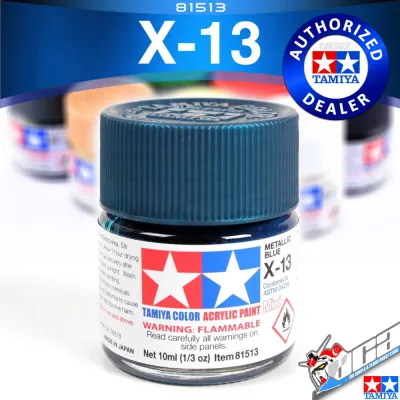
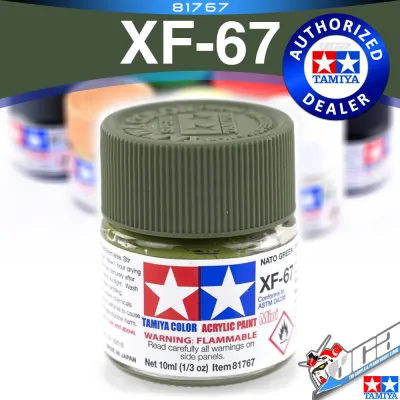
Tamiya is highly regarded for its acrylic and enamel lines. Tamiya Acrylics (the X and XF series) are water-soluble, alcohol-based paints that work exceptionally well for both hand-brushing and airbrushing. Tamiya Enamels, often sold in small square bottles, dry much slower and flow smoothly into recessed details, making them a popular choice for fine detail work and panel lining.
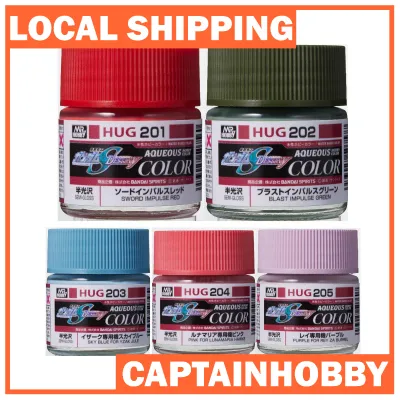
Mr. Hobby offers two primary paint lines that dominate the modeling community: Aqueous Hobby Color and Mr. Color. Aqueous Hobby Color is a water-based acrylic line that is low-odor and user-friendly. Mr. Color, on the other hand, is a solvent-based lacquer paint. Lacquers are highly favored by experienced builders for airbrushing due to their incredibly fine pigment grind and rapid drying times, but they require specialized solvent thinners.
Ease of Use and Learning Curve
Each brand presents a distinct learning curve, particularly regarding preparation, application control, and the cleanup process.

Gundam Markers offer a simple shake-and-apply method. However, beginners must learn to control the ink flow to avoid pooling or flooding on the plastic surface. Pressing the nib too firmly can release a sudden excess of paint, which requires immediate cleanup. Maintaining the felt nibs by keeping them clean and capped is essential to prevent the paint from drying out and clogging the tip.
Tamiya Acrylics require a basic understanding of thinning ratios before application. Trying to paint directly from the bottle often results in thick, uneven coats and visible brush strokes. When hand-brushing, these paints dry relatively quickly, which can make blending or smoothing out large areas challenging for a novice. You will need to practice mixing the paint with an appropriate acrylic thinner or isopropyl alcohol to achieve a smooth, milky consistency.
Mr. Hobby Aqueous colors are highly forgiving for beginners because they dry slower than lacquers, allowing more time to smooth out brush strokes. Conversely, Mr. Hobby lacquer paints (Mr. Color) dry almost instantly and level out beautifully on the surface, but they are highly unforgiving if you make a mistake. Lacquers require precise thinning ratios and are generally difficult to apply evenly with a traditional hand brush, making them better suited for airbrushing.
Cleanup procedures also vary significantly by chemical type. Tamiya Acrylics and Mr. Hobby Aqueous paints can be cleaned up easily with water, isopropyl alcohol, or mild acrylic cleaners while still wet. Mr. Hobby lacquers and Tamiya enamels require dedicated, strong solvent thinners for cleanup, which demands more care and preparation in your workspace.
Finish Quality and Topcoat Compatibility
The visual results you achieve and how you protect your finished model depend heavily on paint chemistry and layering rules.
Gundam Markers are excellent for metallic details, small camera eyes, and panel lines, but they can leave visible streaks when used to cover large, flat armor plates. Liquid paints, whether from Tamiya or Mr. Hobby, provide a much more uniform finish. They allow you to choose between flat (matte), semi-gloss, and high-gloss finishes to achieve the exact aesthetic you want for your model.
When combining different paint types, you must follow the universal rule of paint layering: apply stronger solvents under weaker ones, or ensure the lower layer is fully cured and sealed. Lacquer is the strongest solvent, followed by acrylic, with enamel being the weakest. Applying a harsh lacquer topcoat directly over an unsealed acrylic or marker layer can cause the underlying paint to dissolve, bleed, or craze.
For panel lining, a common technique involves applying a highly thinned enamel wash over a gloss acrylic or lacquer base coat. The gloss surface allows the enamel paint to flow smoothly along the panel lines via capillary action. Because the enamel thinner does not react with the cured acrylic or lacquer base, you can easily wipe away any excess wash using a cotton swab dampened with mild enamel thinner or lighter fluid without damaging the main paint job.
Always check the manufacturer labels on your topcoat cans or bottles to verify chemical compatibility before spraying a clear protective layer over your painted model.
Sourcing and Availability in Singapore
Finding these paints in Singapore is relatively straightforward, though availability varies depending on the specific product line you are looking for.
Dedicated local hobby shops and model kit specialty stores in central shopping hubs carry extensive stocks of all three brands. General craft stores and toy departments in major shopping malls frequently stock basic Gundam Markers and the most common Tamiya Acrylic colors. These retail outlets often sell convenient starter sets, such as a basic six-marker set or a primary color acrylic set, which are excellent value for beginners.
If you are looking for specific Mr. Hobby lacquer shades or specialized thinners, you will likely need to visit specialized hobby vendors or authorized online craft retailers. While general stores carry the most popular colors, specialized shops maintain a deeper inventory of auxiliary products like leveling thinners, primers, and specialty metallic lacquers.
When starting out, it is highly recommended to check local store inventories for starter bundles rather than hunting for individual rare colors. Purchasing a curated set of basic colors along with the brand’s recommended thinner ensures you have everything you need to begin without compatibility issues.
Decision Framework: Match the Paint to Your Workspace and Goals
To finalize your choice, evaluate your physical workspace, budget, and long-term modeling goals against this quick checklist.
- Choose Gundam Markers if: You have limited physical space, no dedicated ventilation setup, and want to focus on panel lining, small color corrections, or minor detailing without dealing with brushes and bottles.
- Choose Tamiya Acrylics if: You want to learn the fundamentals of hand-brushing or entry-level airbrushing, prefer a low-odor workspace, and want an easy cleanup process using water or alcohol.
- Choose Mr. Hobby if: You are committed to investing in an airbrush setup, want the smoothest self-leveling finish possible, and have a dedicated, well-ventilated workspace suitable for handling solvent-based lacquers.
Before making your purchase, verify your local ventilation capabilities and budget. If you cannot paint near an open window or set up an exhaust fan, stick to low-odor options like Gundam Markers or water-based acrylics to ensure a safe and comfortable building environment.
Essential Safety and Workspace Preparation
Working with model paints requires proper safety habits, especially when dealing with solvent-based products.
When using water-based acrylics and Gundam Markers, working near an open window with a standard room fan running is generally sufficient to maintain good air quality. However, if you decide to use Mr. Hobby lacquers or Tamiya enamels, you must use a dedicated spray booth that vents fumes outdoors, or work in a highly ventilated open-air space.
Personal protective equipment is highly recommended for any painting session. Wear nitrile gloves to protect your skin from solvents and prevent oils from your hands from transferring onto the plastic parts. When spraying lacquers or using aerosol cans, always wear a properly fitted respirator rated for organic vapors to protect your lungs from airborne paint particles and chemical fumes.
Store all flammable thinners, aerosol cans, and paint bottles in a cool, dry place away from direct sunlight, heat sources, or open flames. Ensure all bottle caps are tightly sealed after use to prevent evaporation and accidental spills in your home.
Frequently Asked Questions (FAQ)
Can I mix Tamiya and Mr. Hobby paints together in the same cup?
You should avoid mixing different paint brands together in the same mixing cup unless you have verified that they share the exact same chemical base. For example, mixing Tamiya water-based acrylic with Mr. Hobby solvent-based lacquer will cause the paint to curdle, clump, and become completely unusable. To prevent ruining your paint and clogging your brushes, it is safest to stick to a single brand’s ecosystem for your mixtures.
Do I need to prime my Gundam parts before using Gundam Markers?
You do not need to apply a primer if you are using Gundam Markers for small details, panel lines, or minor touch-ups directly on bare plastic. The marker ink is formulated to adhere reasonably well to clean, oil-free polystyrene. However, if you plan to cover large areas or apply a light marker color over dark plastic, applying a primer coat first will significantly improve paint adhesion and color coverage.
How do I fix mistakes or remove paint if I mess up?
To fix mistakes without damaging the underlying plastic kit, use a cotton swab lightly dampened with a compatible mild solvent. For water-based acrylics, isopropyl alcohol works exceptionally well. For enamel panel lines, use a small amount of enamel thinner or lighter fluid. Avoid using harsh lacquer thinners or acetone on bare polystyrene plastic, as these strong solvents can melt, craze, or weaken the plastic parts of your model.
Community discussion
Share your experience or ask a question. Comments are reviewed before publication.