
For first-time users in Singapore looking to explore the vibrant world of face painting, selecting the right starter kit can feel overwhelming. The ideal beginner face paint set must balance ease of use, vibrant color payoff, and strict skin safety standards. Because Singapore’s tropical climate brings high humidity and warm temperatures, choosing a formulation that dries quickly and resists smudging is essential for a successful painting experience. By focusing on cosmetic-grade, water-activated paints that include essential application tools, beginners can achieve professional-looking results while keeping the process safe and enjoyable.
Core Selection Criteria for First-Time Users
When purchasing your first face paint set, understanding what makes a kit beginner-friendly will save you time, money, and frustration. A well-designed starter set should offer a curated selection of highly pigmented colors that mix easily, allowing you to create a full spectrum of shades without needing to buy dozens of individual pots. Look for kits that include basic application tools, such as sponges and brushes, so you can start practicing immediately without sourcing accessories separately.
It is vital to recognize that face paint is not actually paint; it is a highly specialized form of solid or cream cosmetic makeup. You must always prioritize cosmetic-grade formulations over generic craft or acrylic paints, even if the latter are labeled non-toxic. True cosmetic face paints are formulated with ingredients approved for prolonged skin contact, ensuring they remain flexible on the skin and wash away easily with soap and water.
Products mentioned in this guide
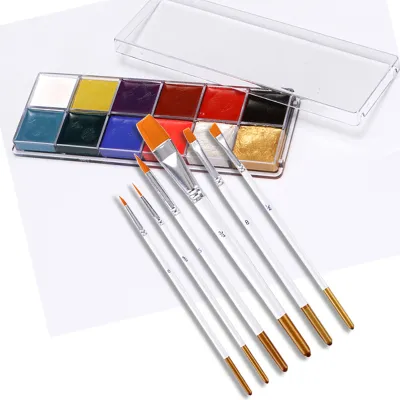

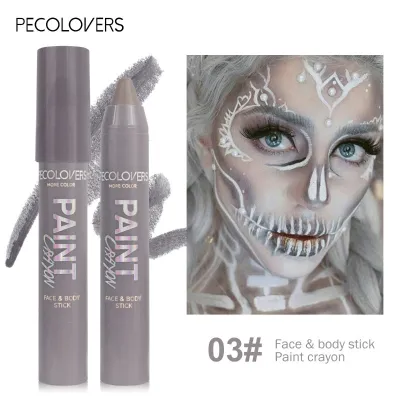
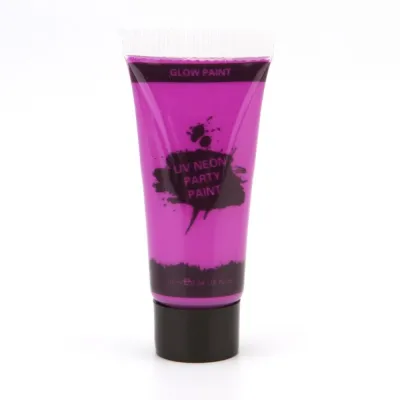
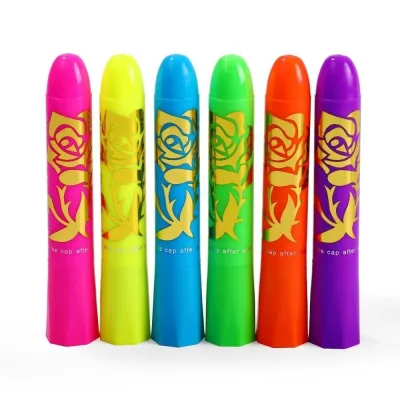
![[Lifestylemart] Camouflage Face Paint | Green | Black](https://img.lazcdn.com/g/p/40e2a011fa9d812af7b5fd7d1fb79333.png_400x400q80.png_.webp)
Prices are valid at publication and may change. Please refer to the product page for the latest price.
For those just starting out, a compact palette of six to twelve colors is generally more practical than a massive professional kit. A smaller, high-quality palette encourages you to learn the fundamentals of color theory and mixing, helping you understand how to create custom shades using primary colors. Additionally, smaller kits are easier to store, transport, and keep clean, which is particularly beneficial when working in limited spaces or traveling to local community events.
Understanding Face Paint Formulations
Face paints come in several distinct formulations, each behaving differently depending on the application technique and environmental conditions. Understanding these differences allows you to choose a base that matches your skill level and the specific demands of your project.

Water-activated paints, often referred to as cake paints, are the most popular choice for beginners and professionals alike. These paints remain dry and solid in their containers until you introduce water via a wet brush or sponge. They are highly favored for their ease of blending, rapid drying times, and straightforward cleanup process. Within this category, you will find two main bases:
- Wax-based paints: Often formulated with paraffin wax, these paints provide excellent structural integrity and flexibility. They are highly recommended for detailed line work, sharp edges, and stenciling, as they hold their shape well and resist running in warm weather.
- Glycerin-based paints: These have a softer, more pliable consistency that makes them incredibly easy to blend over large areas of the skin. They feel lightweight and comfortable, though they may take slightly longer to dry in humid conditions compared to wax-based alternatives.
Grease or wax-based paints, commonly known as greasepaints, are oil-based formulations that do not require water for activation. These paints are highly durable, exceptionally sweat-resistant, and are frequently used in theatrical productions or clown makeup where long-lasting coverage is required. However, they can feel heavy on the skin, particularly in Singapore’s humid climate, and they require a translucent setting powder to prevent smudging. Cleanup is also more intensive, requiring specialized oil-based cleansers or cold creams to break down the pigment.
Hybrid or cream-based paints are pre-mixed liquid formulations that can be applied directly from the tube or bottle. While they offer convenient, ready-to-use application, they can be more challenging for beginners to control when attempting fine details or intricate linework. For most first-time users, water-activated cake paints offer the best balance of control, comfort, and ease of cleaning.
Essential Tools and Accessories in a Starter Kit
The quality of your application tools directly impacts the final look of your face paint designs. Even the highest-quality paint can look streaky or uneven if applied with poor-quality brushes or sponges. When evaluating a starter kit, check the included accessories to ensure they meet basic performance standards.
Brushes are the primary tool for creating outlines, teardrops, swirls, and fine details. A beginner-friendly kit should include at least one round brush (typically size #2, #3, or #4) for line work and one flat or chisel brush (around 1/2 inch wide) for filling in larger shapes or creating bold, consistent strokes. Look for brushes with synthetic bristles, such as golden taklon, which maintain their springiness and shape when wet. Avoid natural hair brushes, as they tend to absorb too much water, causing the paint to become runny and difficult to control.
Sponges are indispensable for applying smooth, even base layers and blending colors seamlessly. High-density, fine-pore polyurethane sponges are ideal because they absorb the paint without soaking up excessive water, allowing for a controlled transfer to the skin. Half-circle or petal-shaped sponges are particularly useful, as their curved edges allow you to paint comfortably around the contours of the face, such as the eyes and nose. If you or your subjects have sensitive skin, ensure the sponges are explicitly labeled latex-free to prevent allergic reactions.
A practical starter kit should also feature functional packaging that doubles as a workspace. Look for kits where the lid can be used as a mixing palette, or those that include a small, separate plastic palette. Having a dedicated space to mix colors and test paint consistency before applying it to the face is crucial for achieving clean, professional results.
If the kit includes decorative elements like glitter or adhesive gems, verify their composition carefully. Cosmetic-grade glitter is made from polyester (PET) and cut into tiny, rounded shapes that are safe for use on the skin. In contrast, craft glitter is often made of metallic foil or glass cut into sharp, hexagonal shapes that can cause corneal scratches or severe skin irritation if they migrate near the eyes.
Verifying Safety and Skin Compatibility
Because face paint is applied directly to the skin—often on children or individuals with sensitive skin—safety must be your primary consideration. Understanding how to read product labels and verify safety claims is essential for protecting your subjects from adverse reactions.
When reviewing a face paint set, look for clear safety certifications on the packaging. Reputable brands will display labels indicating compliance with international cosmetic standards, such as “FDA Compliant,” “EU Cosmetic Regulation compliant,” or local health authority guidelines. Terms like “hypoallergenic” and “dermatologically tested” indicate that the product has been formulated to minimize the risk of allergic reactions, though they do not guarantee absolute safety for every individual skin type.
It is critical to understand that a “non-toxic” label on a product does not automatically mean it is safe for skin application. Many school art supplies, such as tempera, acrylics, and markers, are certified non-toxic for ingestion or inhalation, yet they contain binders and chemical dyes that can cause severe contact dermatitis when left on the skin. Always verify that the product is explicitly certified as a cosmetic.
Before using any new face paint set, performing a patch test is a mandatory safety step. Apply a small amount of the activated paint to the inner elbow or the inside of the wrist, where the skin is relatively thin and sensitive. Allow the paint to dry and remain on the skin for at least 20 to 30 minutes. Wash it off gently with soap and water, then monitor the area for the next 24 hours. If you observe any redness, itching, swelling, or irritation, discontinue use of that specific product immediately.
Avoid purchasing unbranded, extremely cheap face paint kits from unverified online marketplaces. These products often lack ingredient lists, manufacturer contact information, and safety certifications. Testing has shown that some uncertified paints contain elevated levels of heavy metals, industrial solvents, or banned colorants that pose significant health risks, especially with prolonged skin contact.
Building Your Shortlist: Pre-Purchase Checks
Before finalizing your purchase of a beginner face paint set, running through a practical checklist will ensure you get the best value and performance for your needs.
First, evaluate the cost-per-color by comparing the total weight of the paint cakes against the retail price. Some budget-friendly kits may seem like a bargain but contain very shallow wells of paint (often less than 2 grams per color) that run out after only a few applications. A high-quality starter kit typically offers cakes ranging from 5 to 10 grams each, providing enough material for dozens of faces. Ensure the color selection includes primary colors (red, yellow, blue) alongside generous portions of black and white, which are used most frequently for outlining and highlighting.
Second, examine the durability and design of the packaging. In Singapore’s humid climate, face paints must be stored carefully to prevent them from absorbing moisture from the air, which can lead to mold growth or a sticky, unusable texture. Look for kits with individual, snap-on plastic lids for each color cake, or a sturdy, airtight outer case. Check the packaging for the Period After Opening (PAO) symbol—represented by an open jar icon with a number followed by “M” (e.g., 18M)—which tells you how many months the paint remains safe to use after its initial exposure to air.
Third, consider the long-term viability of the brand. Opt for manufacturers that sell individual replacement cakes (refills) of their colors. As a beginner, you will likely use up your white and black paints much faster than other shades. Choosing a brand that offers individual refills saves you from having to purchase an entirely new multi-color kit just to replace one or two empty wells.
Finally, verify the credibility of the seller. Purchase your face paint from established local art supply stores in Singapore or authorized online distributors. Reputable sellers store their inventory in temperature-controlled environments, protecting the paints from extreme heat and humidity that can degrade the binders and pigments before the product even reaches your hands.
Frequently Asked Questions (FAQ)
How do I safely remove face paint without irritating the skin?
To remove water-activated face paint safely, start by applying a mild, fragrance-free liquid soap or baby shampoo directly to the dry, painted skin without adding water first. Gently massage the soap over the design using your fingertips; this allows the soap to bind with the paint pigments and break them down. Once the paint has loosened, rinse the area thoroughly with warm water. You can use a soft, damp microfiber cloth to gently wipe away any remaining residue, taking care not to scrub the skin. For grease or oil-based paints, apply a generous amount of baby oil, coconut oil, or a cosmetic cold cream to the painted area. Let it sit for a minute to dissolve the oils in the paint, then gently wipe it away with a clean cotton pad before washing the face with a gentle cleanser and water. Avoid using rubbing alcohol, harsh dish soaps, or abrasive sponges, as these will strip the skin’s natural moisture barrier and cause severe irritation.
Can I use regular acrylic or craft paint for face painting?
No, you must never use regular acrylic, tempera, or craft paint on the skin. Acrylic paints are formulated with plastic binders and chemical pigments designed to adhere permanently to porous surfaces like canvas, wood, or paper. When applied to human skin, acrylic paint dries into a non-porous, inflexible plastic film that traps sweat, sebum, and bacteria underneath. This can lead to severe skin irritation, clogged pores, and painful peeling when removed. Furthermore, craft paints are not subject to cosmetic safety testing and may contain toxic heavy metals, formaldehyde-releasing preservatives, or industrial dyes that can trigger severe allergic contact dermatitis. If non-cosmetic paint has already been applied to the skin, do not attempt to scrub it off dry. Instead, apply a safe oil, such as olive oil or baby oil, to soften the dried paint film, gently peel or wipe it away once it loosens, wash the area thoroughly with mild soap, and monitor the skin closely for any signs of irritation or allergic reaction.
Community discussion
Share your experience or ask a question. Comments are reviewed before publication.