
Selecting your first embroidery set in Singapore is the defining step of your needlework journey. A reliable starter kit provides a seamless introduction to the craft, while a poorly assembled one can lead to split threads, slipping hoops, and immediate frustration. To make an informed choice, you must look beyond appealing cover designs and evaluate the physical components that directly affect your stitching experience.
A practical beginner kit balances material quality, clear instructions, and a manageable pattern complexity. In Singapore’s humid climate, material stability is particularly important, as moisture can affect wooden hoops and water-soluble pattern inks. By understanding how to assess hoops, fabrics, and threads, you can confidently select a brand category that aligns with your budget and creative goals.
Whether you purchase from a local boutique, a neighborhood craft store, or an online marketplace, verifying the specifications of each kit ensures you spend your time enjoying the craft rather than fighting your materials. Let us examine the essential criteria that distinguish a reliable starter set from a frustrating imitation.
Products mentioned in this guide
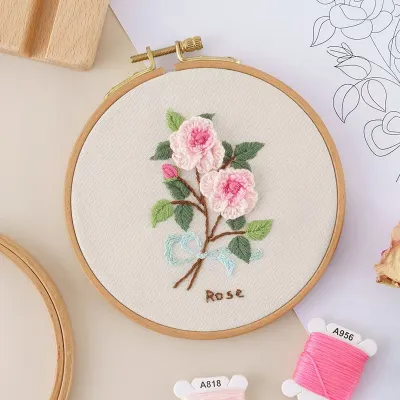
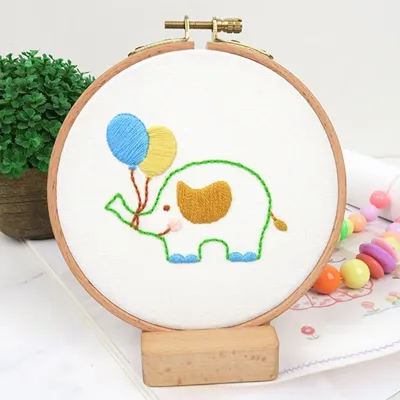
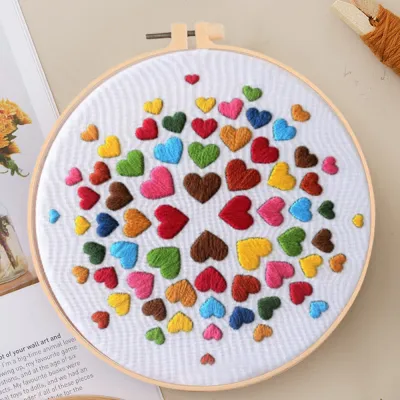
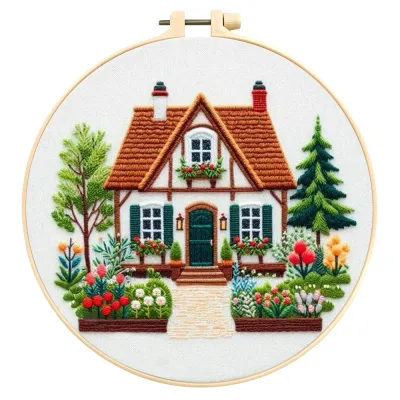
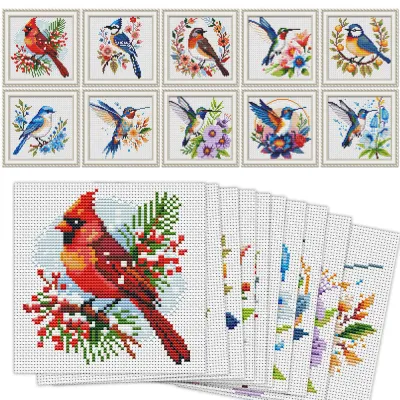
Prices are valid at publication and may change. Please refer to the product page for the latest price.
Core Criteria for Evaluating Beginner Embroidery Sets
The hoop is the foundation of your embroidery project, responsible for keeping the fabric taut as you work. For beginners, tension retention is critical; loose fabric leads to uneven stitches and puckering. Wooden hoops, typically made of bamboo or beechwood, are popular for their classic aesthetic. However, bamboo hoops can sometimes feature uneven inner rings or splinters that snag delicate threads. Beechwood hoops are sturdier and offer more consistent contact, but they are sensitive to ambient humidity, which can cause slight warping over time if stored poorly.
Plastic hoops serve as a practical alternative for beginners prioritizing ease of use. Many modern plastic hoops feature an interlocking ridge or groove along the inner ring, which locks the fabric securely in place and minimizes the need for frequent retightening. When evaluating a hoop, check the tightening screw mechanism. A high-quality screw should turn smoothly without stripping its threads and should include a distinct slot for a screwdriver, allowing you to achieve high tension without straining your fingers.
Fabric selection determines how smoothly your needle passes through the canvas and how well the finished piece holds its shape. Beginners should look for medium-weight, tightly woven natural fabrics such as 100% cotton calico, linen, or light sailcloth. Avoid loose weaves like burlap, which do not support detailed stitches, as well as overly dense synthetic fabrics that require significant force to pierce. If you choose a pre-printed kit, verify whether the pattern is printed with water-soluble ink or permanent dye. Water-soluble prints are highly convenient for beginners because the lines disappear completely after a clean post-stitch wash, leaving only your needlework.
Thread quality, or embroidery floss, directly impacts the visual appeal and durability of your project. Standard embroidery sets should include six-strand cotton floss, which allows you to adjust stitch thickness by separating the strands. High-quality thread is mercerized, a treatment that increases luster, strength, and dye retention. When inspecting thread, look for a smooth, slightly glossy finish and ease of strand separation. Low-grade polyester or poorly dyed cotton threads tend to fray, knot unexpectedly, or bleed color when exposed to moisture, which can ruin hours of work during the final washing phase.
Comparing Brand Categories Available in Singapore
Specialty needlework brands represent the premium tier of the market, often sourced from established European or Japanese manufacturers and sold through dedicated craft boutiques in Singapore. These kits, often priced from S$30 to S$60, prioritize long-term skill building by pairing high-grade materials—such as genuine stranded cotton and premium linen—with comprehensive, illustrated instruction booklets. The patterns in these sets are designed to teach specific stitch techniques systematically. While they carry a higher price point, they offer a consistent stitching experience and archival-quality finished pieces.

General craft store house brands are widely available across physical retail chains in Singapore’s shopping malls. These kits, typically ranging from S$15 to S$30, offer a balanced middle ground, providing reliable customer support and immediate physical availability. The materials are typically of standard utility grade: functional wooden hoops, decent cotton fabric, and basic, straightforward instructions. Buying a house brand allows you to inspect the kit physically before purchasing, ensuring the hoop is symmetrical and the needle is present. It also simplifies the return or exchange process if you discover a missing component.
Budget kits sourced from online marketplaces and e-commerce platforms offer the widest variety of modern, trendy, and seasonal designs at a low entry cost, often available for under S$10. These sets are excellent for casual crafters who want to experiment with different styles without a significant financial commitment. However, material quality in this category is highly variable. You may encounter rough bamboo hoops with loose fittings, synthetic threads that tangle easily, or instructions translated poorly. When purchasing these budget options, plan to verify the components upon delivery and potentially swap out low-quality tools for better alternatives.
Feature-by-Feature Brand Comparison Matrix
To help you compare your options systematically, the following matrix outlines the typical specifications you can expect across the three primary brand categories available to Singapore buyers.
| Brand Category | Typical Hoop Material | Fabric Type & Print | Thread Composition | Included Instructions |
|---|---|---|---|---|
| Specialty Needlework | Premium beechwood or polished plastic | High-density linen or cotton; precise water-soluble print | 100% mercerized long-staple cotton | Detailed booklets with step-by-step stitch diagrams |
| Craft Store House Brands | Standard bamboo or basic plastic | Medium-weight cotton calico; clear printed lines | Standard utility cotton | Basic printed guide with essential stitch keys |
| Budget E-Commerce Kits | Lightweight bamboo or thin plastic | Variable cotton-synthetic blend; printed pattern | Polyester or low-grade cotton blend | Minimalist guide, often relying on online video links |
When reading product labels, pay close attention to the material composition and care requirements. Look for labels specifying “100% cotton thread” and “water-soluble pattern ink” to ensure a user-friendly experience. If a label does not specify the fabric or thread composition, it is highly likely a synthetic blend, which may require a sharper needle and more patience to stitch smoothly.
Before starting your project, perform a quick visual and tactile inspection of the included tools. Run your finger gently over the needle eye to check for tiny metal burrs; a rough eye will shred your embroidery thread as you pull it through the fabric. Test the sharpness of the needle tip against a scrap piece of fabric to ensure it pierces cleanly without snagging the threads. Finally, inspect the included scissors or thread snips for blade alignment, ensuring they cut cleanly at the very tip rather than folding the thread.
Decision Framework: Which Brand Profile Fits You?
Your choice of an embroidery set brand should align with your learning style, budget, and long-term creative goals. If you view embroidery as a long-term hobby and wish to master traditional techniques with heirloom-quality results, invest in a specialty needlework brand. The premium materials and detailed instructional guides will build a strong technical foundation and prevent the frustration associated with subpar tools.
If you prefer a spontaneous, hands-on shopping experience where you can feel the fabric and inspect the hoop before buying, choose a local craft store house brand. This option is ideal for beginners who value immediate physical availability, reliable baseline quality, and the convenience of local customer service for returns or exchanges.
If you are unsure whether embroidery is the right hobby for you and simply want to try a quick, low-cost project over a weekend, start with a budget kit from an online marketplace. This path allows you to explore diverse, modern designs with minimal financial risk. If you enjoy the process, you can easily upgrade your setup later by purchasing a high-quality hoop and premium needles separately.
Regardless of the brand category you choose, always verify specific accessibility needs before purchasing. If you are left-handed, check the product description or online reviews to see if the instructions accommodate left-handed stitchers, or prepare to consult online video tutorials. If you have limited vision or hand strength, look for kits that explicitly include a needle threader, large-print pattern guides, or flexible plastic hoops that are easier to tighten than traditional wooden screws.
Frequently Asked Questions (FAQ)
Do I need to buy extra tools with a beginner embroidery set?
Most beginner embroidery sets are marketed as complete kits, but the quality and inclusion of supplementary tools vary. You should check the packaging list to confirm the inclusion of a needle threader, small embroidery scissors, and at least two needles of appropriate size. If these are missing, purchasing a dedicated pair of sharp embroidery scissors and a simple wire needle threader will greatly improve your experience. As you progress, you may find that a water-erasable fabric pen is useful for transferring custom designs, while a hoop stand or a dedicated daylight lamp can reduce neck and eye strain in dimly lit workspaces.
How do I prevent the embroidery hoop from slipping during use?
To prevent your fabric from losing tension, first inspect the tightening screw to ensure it is fully tightened and that the inner and outer rings sit completely flush without gaps. If you are using a wooden hoop, you can significantly increase friction by wrapping the inner ring with cotton twill tape or bias tape. Secure one end of the tape with a small stitch or fabric glue, wrap it tightly around the entire circumference of the inner ring, and secure the other end. This modification increases grip, protects delicate fabrics from wood splinters, and helps maintain drum-like tension throughout your stitching sessions.
Can I wash pre-printed embroidery fabric before stitching?
No, you must never wash or expose pre-printed embroidery fabric to moisture before you have finished stitching the entire design. Most modern beginner kits use water-soluble ink for their pre-printed patterns, meaning any contact with water, steam, or even damp hands will cause the lines to dissolve and disappear prematurely. Always store your active project in a dry place away from high humidity. Once your embroidery is fully complete, gently submerge the fabric in lukewarm water with a mild, color-safe detergent to dissolve the printed lines, rinse thoroughly, and lay it flat on a clean towel to dry before performing a final iron from the backside.
Community discussion
Share your experience or ask a question. Comments are reviewed before publication.