
Selecting a vintage Singapore currency note as a souvenir offers a tangible connection to the nation’s rapid transformation from a bustling trading port to a global financial hub. Unlike mass-produced trinkets, an old money note carries genuine historical weight, artistic craftsmanship, and cultural storytelling in a compact, travel-friendly form. The best choices for tourists typically span the iconic Orchid series (1967–1976), the vibrant Bird series (1976–1984), and the detailed Ship series (1984–1999). Each era represents a distinct chapter of Singapore’s heritage, making them highly personalized gifts for history enthusiasts, art lovers, and collectors alike.
When choosing a vintage banknote, the decision depends on matching the recipient’s interests with the specific narrative of the note, verifying its physical condition, and ensuring it is preserved using proper archival materials. This guide outlines the historical significance of Singapore’s classic currency series, provides a practical framework for evaluating authenticity and condition, and explains how to safely source and display these unique paper treasures.
Understanding the Appeal of Vintage Singapore Currency
Historical banknotes serve as exceptional keepsakes because they are functional pieces of art that once drove the daily commerce of a developing nation. For tourists, carrying home a piece of obsolete currency is akin to preserving a slice of the local past. Unlike modern polymer notes that dominate current circulation, older paper issues possess a distinct tactile quality, printed on high-quality cotton-linen paper blends that carry a unique texture and weight.
Products mentioned in this guide
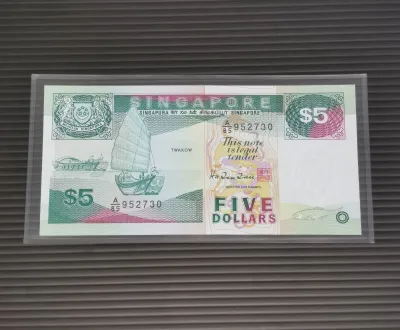
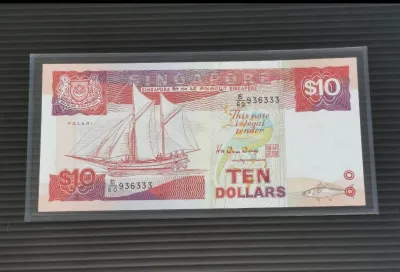
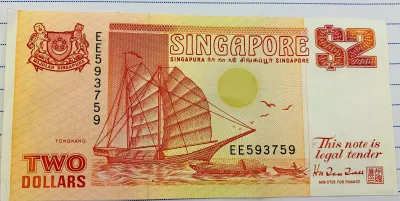
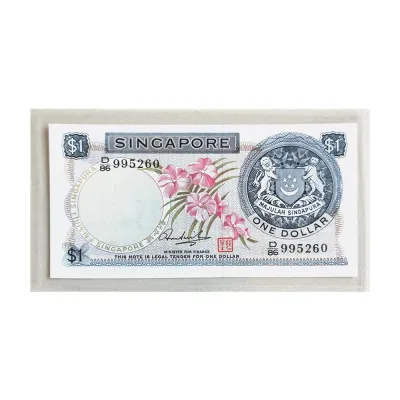
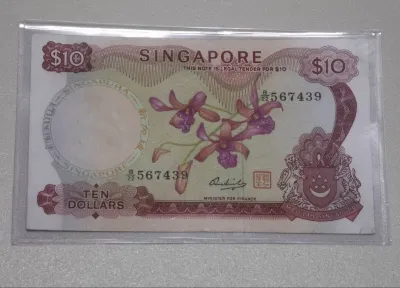
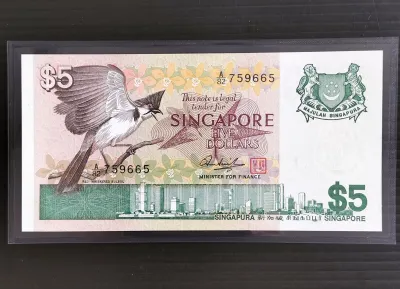
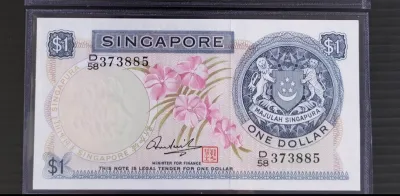
Prices are valid at publication and may change. Please refer to the product page for the latest price.
Each currency series released by the authorities reflects the socio-economic priorities and cultural identity of its era. The imagery chosen for these notes was never accidental; it was designed to foster a shared national identity and project the country’s values to the world. By examining these designs, visitors can trace the visual narrative of Singapore’s urban planning, industrialization, and dedication to preserving its natural heritage.
The physical engraving on vintage notes also showcases a level of detail that is increasingly rare in the digital age. Intaglio printing techniques, which leave raised ink patterns on the paper, create a complex texture that can be felt with a gentle touch. This combination of historical relevance, artistic merit, and tactile appeal makes vintage currency a sophisticated alternative to conventional souvenirs.
Key Eras and Design Themes to Look For
To select the right vintage note, it helps to understand the distinct eras of Singapore’s currency design. Each series has a unique aesthetic and thematic focus, allowing you to tailor your choice to the recipient’s personal tastes.

The Orchid Series (1967–1976)
As the first currency series issued by an independent Singapore, the Orchid series holds immense historical significance. The front of each denomination features a prominent orchid species, symbolizing the young nation’s aspiration to bloom and prosper. The reverse sides depict crucial local scenes, such as the bustling Singapore River, public housing estates, and industrial maritime ports. A low-denomination note from this series, such as the S$1 or S$5 note, makes an excellent entry-level souvenir that represents the dawn of the nation’s independence.
The Bird Series (1976–1984)
Following the Orchid series, the Bird series shifted the visual focus to the skies, featuring various bird species known for their strength, adaptability, and soaring flight. These designs were intended to mirror the country’s rapid economic ascent and global ambitions. The reverse sides showcase modern infrastructure, national celebrations, and telecommunication advancements. The vibrant colors and dynamic avian illustrations make these notes highly popular among art lovers and nature enthusiasts.
The Ship Series (1984–1999)
Celebrating Singapore’s deep-rooted maritime heritage, the Ship series depicts the evolution of merchant vessels that have graced the local harbor over the centuries. From traditional Chinese junks to massive modern container ships, this series is a tribute to the nation’s status as a premier global port. The intricate line work and historical maritime themes make these notes particularly appealing to history buffs and those fascinated by maritime trade.
Commemorative and Transitional Issues
For a highly specialized souvenir, look for commemorative issues or pre-independence transitional notes, such as those issued by the Board of Commissioners of Currency, Malaya and British Borneo. Commemorative polymer notes, such as the S$20 Bicentennial note or various anniversary issues, offer modern security features combined with historical imagery. These are often easier to find in pristine condition and frequently come in official presentation folders, making them ready-made gifts.
How to Evaluate Condition and Authenticity
When purchasing vintage paper money, understanding how condition affects value is essential. Numismatists use a standardized grading scale to describe the physical state of a banknote. Familiarizing yourself with these basic terms will help you make an informed purchase and avoid overpaying.
- Uncirculated (UNC): A note that is perfectly preserved, showing no signs of handling, folds, creases, or discoloration. The paper remains crisp, and the corners are sharp.
- Extremely Fine (EF/XF): A note that shows very minor handling, perhaps with a single light fold or crease, but retains its original crispness and clean appearance.
- Very Fine (VF): A note that has circulated but remains clean and presentable. It may have several vertical and horizontal folds, and the paper may feel slightly softer than an uncirculated note.
- Fine (F): A note that shows significant circulation, with numerous folds, creases, and mild dirt or discoloration. The paper is soft, but there are no major tears or missing pieces.
For a souvenir, aiming for a note in Very Fine to Uncirculated condition ensures that the visual details remain sharp and display-worthy. Be sure to inspect the note closely under a bright light. Look for hidden defects such as pinholes (often from historical stapling or pinning of currency bundles), minor tears along the folds, or evidence of chemical cleaning. Chemically washed notes may look artificially bright but often lose their original paper texture and collectibility.
Authenticity is another critical factor. Genuine vintage Singapore notes feature distinct security elements of their era. Check for the watermark, which is visible when holding the note up to a light source. The watermark should show a clear, detailed image (such as a lion head) with smooth gradations of light and dark. Additionally, feel the surface of the note; the main text and denominations should have a slightly raised texture due to the traditional intaglio printing process. If the note feels completely flat and smooth like standard modern copy paper, it may be a replica.
Where to Source Authentic Old Money Notes
To ensure you are purchasing genuine historical currency, avoid unverified street vendors or generic tourist souvenir shops, which may sell modern reproductions or overpriced, low-quality notes. Instead, seek out specialized channels where authenticity can be verified.
Established Numismatic Shops
Singapore has a dedicated community of coin and banknote collectors, supported by professional numismatic dealers. Many of these established shops are located in older, heritage-rich shopping complexes in central districts, such as Chinatown or central retail hubs. Dealers in these locations are typically members of recognized numismatic associations and can provide detailed information about the history, grading, and provenance of the notes they sell.
Specialized Antique Markets and Fairs
For a more hands-on searching experience, visit curated antique markets or weekend vintage fairs. While these venues offer the thrill of discovery, they require a higher level of vigilance. Take your time to inspect each note using the grading and authenticity criteria outlined above. Do not hesitate to ask the vendor about the origin of the note and whether they guarantee its authenticity.
Reputable Online Marketplaces and Auctions
If you prefer to browse before your trip or search for highly specific serial numbers, reputable online marketplaces and specialized numismatic auction platforms are viable options. When buying online, ensure the seller provides high-resolution scans of both the front and back of the actual note you will receive, rather than a stock photo. Check seller ratings and return policies to protect your purchase.
Gifting and Display Considerations
Once you have selected a vintage note, proper preservation and presentation are key to transforming it into a memorable gift or home display. Because vintage paper currency is susceptible to environmental damage, using the correct stationery and storage materials is essential.
Archival-Quality Protection
Never store or display vintage paper money in standard plastic sleeves or frames that contain PVC (polyvinyl chloride). Over time, PVC degrades and releases acidic chemicals that can cause paper currency to turn yellow, become brittle, or develop sticky residue. Instead, opt for archival-quality, PVC-free sleeves made from inert plastics such as Mylar, polyester, or polyethylene. These materials protect the note from dust, moisture, and finger oils during handling without damaging the paper fibers.
Creative Display and Gifting Ideas
To present the note as a high-quality gift, consider mounting it in a double-sided glass frame. This allows the recipient to admire the intricate artwork on both the front and back of the note without removing it from its protective environment. Ensure the frame uses UV-filtering glass to prevent the vibrant inks from fading when exposed to ambient light.
Pairing the note with a custom-written context card adds significant value to the gift. You can use high-quality, acid-free cardstock to print a brief description of the note’s era, the significance of its design motifs (such as the specific orchid or ship depicted), and the approximate years it was in circulation. This turns a simple piece of currency into an educational and deeply personal historical artifact.
Travel and Customs Considerations
When transporting vintage currency across international borders, keep the notes flat and secure inside a rigid folder or book to prevent accidental bending or creasing in your luggage. While vintage notes are highly collectible, they still technically carry face value or are subject to standard customs declarations for currency. For typical souvenir purchases of low-to-medium denominations, this is rarely an issue, but it is always wise to keep your purchase receipts handy to verify the transaction value if requested by customs officials.
Frequently Asked Questions (FAQ)
Are old Singapore dollar notes still legal tender?
Yes, all currency notes issued by the Board of Commissioners of Currency, Singapore, and the Monetary Authority of Singapore since 1967 remain legal tender at their face value. This means they can technically be exchanged at local banks or the central bank for modern equivalent currency. However, because their collectible and historical value among dealers and enthusiasts is typically much higher than their original face value, spending them at a retail store is not recommended.
How should I store vintage paper money in a humid climate?
Singapore’s tropical climate poses a challenge for paper preservation, as high humidity can lead to mold growth, foxing (brown spotting), and paper softening. To protect your vintage notes, store them in acid-free, archival-quality sleeves and keep them in a cool, dry place away from direct sunlight. Using a sealed storage box with silica gel packets can help control moisture levels. Avoid laminating the notes, as the heat and adhesive will permanently ruin their historical value and physical integrity.

Community discussion
Share your experience or ask a question. Comments are reviewed before publication.