
White fabric is a fundamental material for sewing, crafting, and home decor, available in natural fibers like cotton and linen, synthetics like polyester, and various blended options. Each type offers distinct characteristics in terms of breathability, texture, durability, and opacity. Selecting the right white fabric requires evaluating how the material handles moisture, resists wrinkling, and maintains its bright appearance over time. Understanding these key differences ensures your finished project looks professional and performs well under daily use.
Natural White Fabrics: Evaluating Cotton and Linen
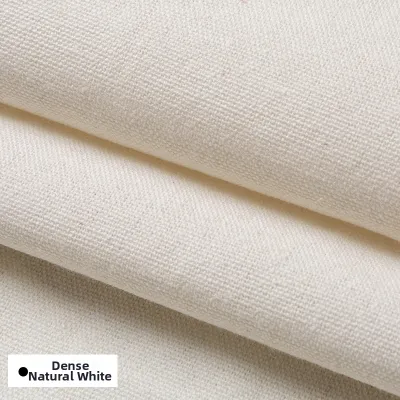
Cotton is a staple for both beginners and experienced sewists due to its stable structure and ease of handling. It does not slip easily under the sewing machine presser foot, making it excellent for precise seams, quilting, and structured garments. However, natural cotton fibers are prone to shrinking during their first wash. Pre-washing your white cotton fabric before cutting your pattern pieces is essential to ensure the finished item retains its intended dimensions and does not warp after assembly.
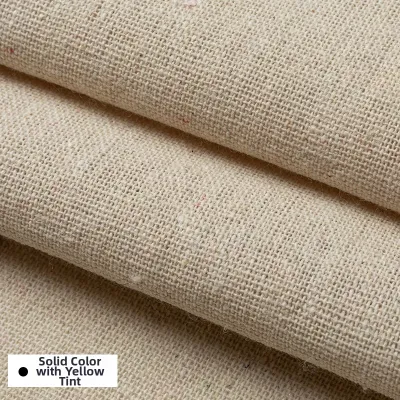
Linen offers a distinct, textured aesthetic characterized by natural slubs, which are slight irregularities in the yarn thickness. This fabric is highly prized in warm, humid climates for its exceptional breathability and moisture-wicking properties. The trade-off is its tendency to wrinkle easily, which is a natural characteristic of the flax fiber. For projects where a pristine, unwrinkled look is required, pure linen may require frequent ironing or steaming.
Products mentioned in this guide
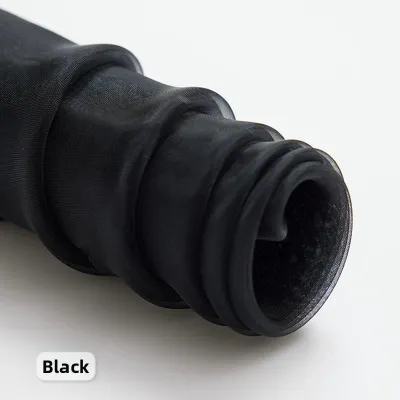
Prices are valid at publication and may change. Please refer to the product page for the latest price.
When shopping for natural white fabrics, visual and tactile checks are your best tools for assessing quality. Hold the fabric up to a light source to observe the weave density; a loose weave will be more transparent and may require a lining. Feel the weight of the fabric in your hands to determine if it has the body needed for your specific project, whether that is a crisp white shirt or a structured table runner. Checking the drape by letting a corner of the fabric hang over your hand can also reveal how it will behave when sewn.
Synthetic and Blended White Fabrics: Polyester and Mixes
Polyester is a synthetic option known for its high durability and resistance to wrinkling. Unlike natural fibers, polyester fibers resist shrinking and stretching, helping garments maintain their shape over many wash cycles. Another significant advantage of white polyester is its excellent color retention; it is less prone to the natural yellowing that can affect organic fibers over time. However, polyester has lower breathability, which can feel warm and trapping in humid environments.

Blended fabrics, such as poly-cotton mixes, combine the best properties of both natural and synthetic fibers. These blends offer the soft, breathable feel of cotton alongside the wrinkle resistance and strength of polyester. They are often highly cost-effective and require less ironing, making them a practical choice for everyday wear, school uniforms, and home textiles. The exact ratio of the blend will determine whether the fabric behaves more like cotton or polyester.
Working with synthetic and blended white fabrics requires awareness of their specific limitations. Polyester is highly sensitive to heat; ironing at a high temperature can melt or glaze the fibers, leaving permanent shiny marks on your white fabric. Additionally, synthetic fibers are prone to static buildup, which can cause the fabric to cling uncomfortably or attract dust particles. Using a pressing cloth and a lower heat setting can help protect these materials during construction.
How to Match White Fabric Types to Your Project Needs
Matching the fabric weight and weave to your project’s purpose is key to a successful outcome. For lightweight apparel like summer blouses or delicate curtains, sheer white fabrics such as voile, lawn, or organza provide a beautiful, airy drape. For structured garments, trousers, or home decor items like cushion covers, heavier weaves like white cotton drill, canvas, or heavy linen offer the necessary durability and support.
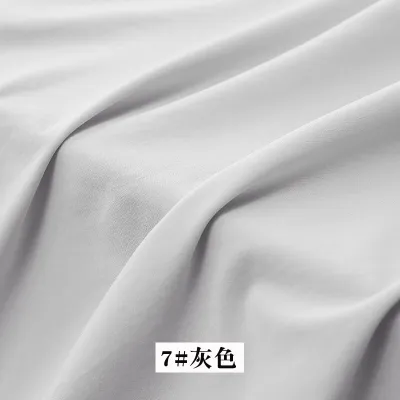
Transparency is a critical factor when working with white fabric, as lighter shades naturally reveal more underneath. Always evaluate the opacity of your chosen fabric under different lighting conditions, such as direct sunlight and indoor artificial light. If a fabric is too sheer for your comfort level, plan to incorporate a lining fabric, such as a lightweight white cotton batiste or a smooth polyester lining, into your design.
To narrow down your options, create a shortlist based on your practical constraints. Consider your budget, as high-quality linen may cost upwards of S$30 per meter, while basic polyester blends are often available for under S$10 per meter. Think about your care preferences; if you prefer low-maintenance items that do not require ironing, a poly-cotton blend is highly suitable. Finally, consider the wear environment, prioritizing high breathability for outdoor wear in warm climates.
Care and Maintenance Rules for Keeping White Fabrics Bright
Maintaining the bright, clean appearance of white fabric starts with following the manufacturer’s care instructions. Always check the care label for specific water temperature limits, recommended detergent types, and bleaching restrictions. While chlorine bleach is often thought of as a quick fix for whites, it can actually weaken natural fibers over time and cause synthetic fibers to turn a dull yellow.
To prevent general yellowing and treat stains safely, address spills immediately before they set into the fibers. For organic fabrics like cotton and linen, gentle oxygen-based brighteners are often safer and more effective than harsh chemical bleaches. Avoid drying white fabrics in high heat, as excessive dryer temperatures can bake in stains and yellow the fibers; instead, line drying in indirect sunlight can help naturally brighten whites.
Proper storage is essential for protecting white fabrics from environmental discoloration. Store your finished projects or fabric stash in a cool, dry place away from direct sunlight, which can cause localized yellowing. Avoid storing white textiles in plastic bins or cardboard boxes that can trap moisture or release acidic gases; instead, use breathable cotton storage bags or acid-free tissue paper to keep the fabric clean and dust-free.
Frequently Asked Questions (FAQ)
Why does white fabric sometimes turn yellow over time?
White fabrics can turn yellow due to several environmental and chemical factors. Exposure to sunlight, high humidity, and airborne pollutants can degrade fibers over time. Additionally, the buildup of body oils, sweat, and laundry detergent residues can react with the fabric, leading to gradual discoloration. Storing white fabrics in acidic cardboard boxes or sealed plastic containers that trap moisture can also accelerate this yellowing process.
How can I test the opacity of white fabric before sewing?
You can test the opacity of a white fabric by placing your hand underneath a single layer of the material and holding it up to a window or a bright light source. Observe how clearly you can see the outline of your hand and your skin tone through the weave. It is also helpful to drape the fabric over a patterned or dark-colored fabric to see if the pattern shows through, which will help you decide if a lining or an undergarment is necessary.
Community discussion
Share your experience or ask a question. Comments are reviewed before publication.