
Selecting the ideal Tamiya lacquer paint starter set requires looking beyond a simple collection of colors; it demands a systematic approach to choosing compatible thinners, essential base primers, and core project-specific shades. Because Tamiya packages its lacquer paints (the LP series) primarily in individual 10ml bottles, beginners in Singapore will find that the most effective “starter set” is often a curated bundle assembled by local hobby shops or a self-selected group of essential colors paired with the correct proprietary thinner. By focusing on a core palette of primary tones, a high-quality surface primer, and a dedicated lacquer thinner, you can establish a highly durable, professional-grade foundation for scale modeling.
Understanding how these paints interact with plastic surfaces and learning to manage their rapid drying times are the first steps toward mastering the medium. Unlike milder water-based alternatives, lacquer paints offer unparalleled durability and a incredibly fine pigment structure that preserves delicate molded details on your models. By learning to evaluate starter bundles based on chemical compatibility, project utility, and safety requirements, you can avoid costly mistakes and achieve a flawless finish on your very first build.
Understanding Tamiya Lacquer Paint for Beginners
Tamiya’s lacquer paint line, designated as the LP series, is highly regarded in the scale modeling community for its rapid drying time, exceptional adhesion to bare plastic, and remarkably durable cured finish. When applied correctly, the paint chemically bonds with the polystyrene plastic of the model, creating a tough outer shell that resists chipping, scratching, and lifting during subsequent weathering or masking steps. This makes lacquer an excellent choice for base coats and primary color layers, especially on models that will undergo heavy handling or complex multi-stage painting processes.
Products mentioned in this guide
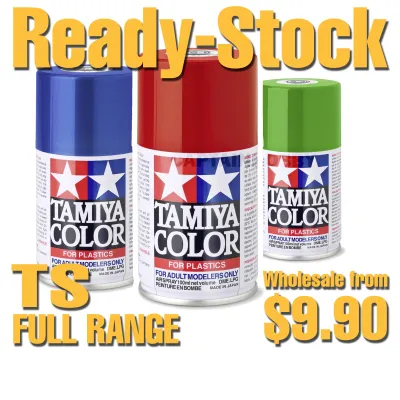
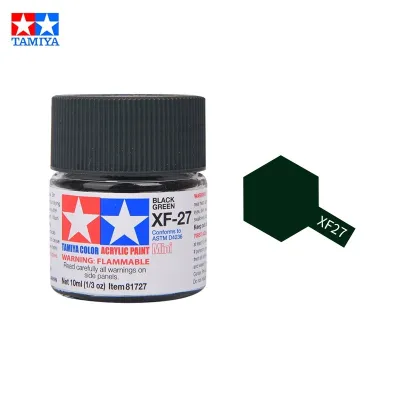
Prices are valid at publication and may change. Please refer to the product page for the latest price.
To appreciate the value of a lacquer starter set, it is helpful to understand how it differs from acrylic and enamel alternatives. Acrylic paints are typically water- or alcohol-based, offering a milder odor and easier cleanup, but they generally lack the raw durability and ultra-thin coat profile of lacquers. Enamels, on the other hand, dry very slowly through oxidation, making them excellent for fine detail work and washing but highly susceptible to smudging if handled too soon. Lacquer paints combine the fast drying speed of acrylics with a leveling capability that often surpasses enamels, resulting in an incredibly smooth surface that highlights fine panel lines and rivets.
However, this high performance comes with a specific chemical requirement: you must use dedicated lacquer thinners rather than generic hardware solvents or water. Tamiya produces specialized thinners, such as Tamiya Lacquer Thinner (identified by its yellow cap) and Lacquer Thinner Retarder Type (orange cap). Using generic solvents can dissolve or warp the delicate polystyrene plastic of your model, or cause the paint pigments to clump and clog your equipment. A proper starter set or self-assembled bundle must always include a compatible proprietary thinner to ensure the paint flows smoothly and adheres without damaging the underlying material.
Key Criteria for Evaluating Starter Sets
When evaluating a Tamiya lacquer paint starter set or bundle, the total number of color bottles included is often less important than the presence of essential system components. A truly practical starter kit should include, or be paired with, a compatible surface primer and a dedicated cleaning solution. Because lacquer paint is highly adhesive, cleaning it from brushes or airbrushes requires a strong solvent, such as Tamiya Airbrush Cleaner. Ensuring these auxiliary fluids are part of your initial purchase prevents mid-project interruptions and safeguards your application tools from permanent paint buildup.

Bottle size is another critical factor to consider relative to the scale of your projects. Tamiya LP series paints are standardly packaged in 10ml square glass jars. While 10ml may seem small compared to bulk craft paints, the high pigment density of lacquer means that once thinned at the typical 1:1 or 1:1.5 ratio, a single bottle goes a long way. For large-scale projects, such as 1:24 scale model cars or 1:35 scale military vehicles, you will need to ensure your starter set contains multiple bottles of your primary base colors, whereas accent colors can easily be managed with a single standard jar.
Compatibility with your chosen application method is also a vital consideration. While Tamiya lacquer paints are formulated to be highly compatible with airbrushes, they can also be hand-brushed if the correct adjustments are made. When browsing starter sets, look for packaging indicators or product descriptions that specify whether the bundle is optimized for airbrushing or if it requires the addition of a paint retarder for brush application. Airbrushing typically requires a thinner consistency to prevent dry-spraying, while hand-brushing demands a slower drying time to allow the paint to level out smoothly on the surface without leaving visible brush marks.
Essential Color Categories for Your First Projects
To get the most value out of your first Tamiya lacquer paint purchase, avoid buying large, random assortments of highly specific shades. Instead, focus on a starter set or custom bundle that covers three essential color categories: surface primers, core project-specific tones, and clear coats. This structured approach ensures you have the necessary layers to build a professional finish from the bare plastic up to the final protective seal.
- Base Primers (Surface Primers): A high-quality primer, such as Tamiya Liquid Surface Primer or LP-61 (Light Grey), is the foundation of any successful paint job. Primers provide a micro-textured surface that helps the subsequent lacquer layers adhere perfectly, preventing the paint from peeling off when masking tape is removed. Additionally, a neutral grey or white primer coat unifies the color of multi-colored plastic parts and makes surface defects, such as seam lines or gaps, easy to spot and correct before color application.
- Core Project-Specific Tones: Your primary color selection should align directly with your modeling genre. For military aircraft and armor, look for a starter set featuring versatile olive drabs, neutral greys, and dark greens. If you are focusing on automotive models, prioritize high-gloss primary colors like pure white, gloss black, and vibrant reds or blues. Sci-fi and mecha modelers will benefit most from a foundation of gunmetal, flat black, and bright white, which serve as excellent bases for metallic weathering and panel lining.
- Clear Coats: No starter set is complete without clear finishing coats. LP-9 (Clear Gloss) is essential for creating a smooth, glass-like surface prior to applying decals, as decals applied directly to flat or matte paint often trap air underneath, causing an unsightly silvering effect. Once decals and weathering washes are applied, a final coat of LP-23 (Flat Clear) or a semi-gloss clear seals the entire model, protecting the delicate details and providing a realistic, uniform sheen.
Safety and Workspace Preparation for Lacquer Paints
Because lacquer paints utilize strong organic solvents, establishing a safe and well-prepared workspace is a non-negotiable requirement before you open your first bottle. The volatile organic compounds (VOCs) in lacquer thinners carry a strong odor and can be harmful if inhaled over prolonged periods. In typical residential settings, such as high-rise apartments in Singapore, you must set up a dedicated painting area that is completely isolated from living spaces and thoroughly ventilated.
Mandatory ventilation setups are essential for safe lacquer application. If you plan to airbrush, a dedicated spray booth equipped with a flexible exhaust hose vented directly out of an open window is highly recommended. This setup actively pulls paint overspray and solvent fumes away from your face and expels them outdoors. If you are hand-brushing or working without a spray booth, you must work in a cross-ventilated room with open windows and active exhaust fans to ensure a continuous exchange of fresh air, preventing fumes from accumulating in the room.
Personal protective equipment (PPE) is equally critical for long-term health and safety. A simple paper dust mask or surgical mask will not filter out chemical solvent vapors; you must wear a properly fitted respirator equipped with organic vapor cartridges. Additionally, wear nitrile gloves during mixing, painting, and cleaning to prevent the strong solvents from absorbing through your skin. Finally, store your lacquer paints and thinners upright in a cool, dark cabinet away from direct tropical sunlight, household heat sources, and open flames, as these solvent-based products are highly flammable.
Verifying Authenticity and Purchasing in Singapore
To ensure you are getting genuine Tamiya lacquer paints that perform according to the manufacturer’s standards, it is important to purchase through reliable retail channels and verify the product packaging. Counterfeit or poorly stored paints can suffer from pigment separation, dried-out caps, or altered chemical compositions that can ruin your model. When inspecting a bottle, check for high-quality, crisp label printing, clear English and Japanese safety warnings, and the presence of official distributor labels or holographic seals where applicable.
While online marketplaces offer convenience, buying from established local brick-and-mortar hobby shops in Singapore provides several distinct advantages. Physical stores allow you to inspect the bottles directly for any signs of leakage or dried paint around the threads of the cap. Furthermore, local hobby shop staff can offer invaluable advice on mixing ratios and compatibility, helping you select the exact thinner or primer needed for your specific project. Established online specialty hobby retailers with physical storefronts are also highly reliable options, as they maintain proper climate-controlled storage to prevent the paints from degrading in hot, humid conditions.
When comparing starter bundles, evaluate the price per milliliter in S$ to determine the true value of the offer. A standard 10ml bottle of Tamiya LP paint typically retails within a very consistent price range across reputable local shops. Calculate the combined cost of the individual bottles, thinners, and primers included in a bundle; if the bundle price is exceptionally low compared to this standard rate, treat it as a warning sign of potential counterfeit goods or old, improperly stored stock. Investing in genuine products from trusted local sources guarantees consistent paint behavior, smooth application, and a beautiful, lasting finish on your scale models.
Frequently Asked Questions (FAQ)
Can I hand-brush Tamiya lacquer paint directly from the bottle?
While it is possible to hand-brush Tamiya lacquer paint directly from the bottle for tiny touch-ups or small details, doing so over larger areas is highly discouraged. Lacquer paint dries extremely fast through solvent evaporation, which means the paint will begin to skin over and dry on your brush almost instantly, leading to severe brush marks, clumping, and an uneven surface. To hand-brush successfully, you must thin the paint with a compatible thinner and add a drop of paint retarder, or use Tamiya’s Lacquer Thinner Retarder Type. This slows down the drying process, allowing the paint to self-level on the plastic surface. Always use a soft, high-quality synthetic brush and apply the paint in quick, light strokes in a single direction, avoiding the temptation to brush back over semi-dry areas.
How long does it take for Tamiya lacquer paint to fully cure?
There is a significant difference between the touch-dry time and the full curing time of Tamiya lacquer paint. Under normal conditions, lacquer paint will feel dry to the touch within 10 to 30 minutes due to the rapid evaporation of the solvents. However, the paint is not fully cured at this stage; the chemical bonding process is still ongoing as microscopic amounts of trapped solvent escape. In Singapore’s highly humid tropical climate, this curing process can be slightly delayed. It is highly recommended to wait at least 24 hours before handling the model extensively, applying masking tape, or spraying a different paint type over the lacquer layer. Masking too early can cause the adhesive tape to pull the paint off the plastic or leave permanent texture marks in the semi-cured surface.

Community discussion
Share your experience or ask a question. Comments are reviewed before publication.