
Selecting the ideal Stedi craft tool for your creative projects depends entirely on matching the tool’s physical limits, blade geometry, and material compatibility with the specific mediums you intend to manipulate. From delicate paper filigree to dense balsa wood and intricate plastic scale models, the brand’s diverse lineup offers specialized solutions designed to optimize precision and safety. By understanding how different cutting edges, gripping mechanisms, and protective surfaces interact with your materials, you can make an informed decision that elevates your crafting quality while protecting your workspace.
Navigating the Stedi Craft Tool Categories
To build an effective crafting setup, it helps to understand how Stedi organizes its product range into distinct functional categories. These tools generally fall into four primary groups: cutting instruments, measuring and alignment guides, holding or adhering accessories, and finishing tools. Each category serves a specific role in the workflow, transforming raw materials into polished, assembled pieces. For instance, cutting instruments range from ultra-fine hobby knives to robust utility cutters, while measuring guides provide the structural framework needed to ensure every cut is perfectly square.
Understanding these categories allows you to identify which tool is a necessity and which is a secondary upgrade for your specific workspace. Cutting tools are the foundation of most projects, but they cannot perform safely or accurately without the support of self-healing mats and non-slip rulers. Similarly, assembly tools like precision tweezers and specialized clamps bridge the gap between cutting individual components and achieving a durable, aligned final structure.
Products mentioned in this guide
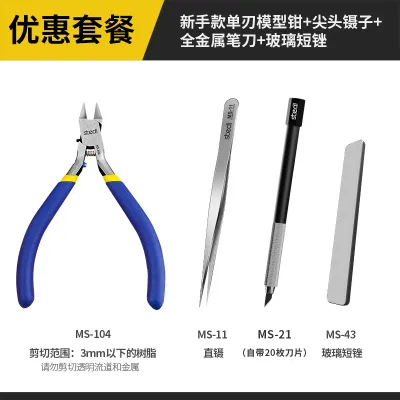
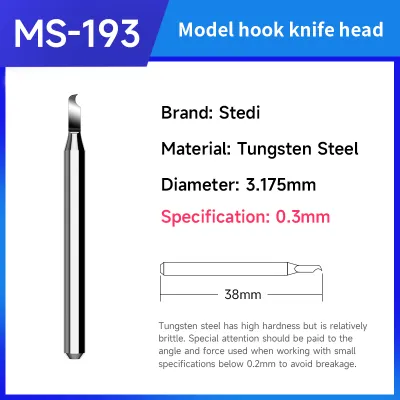
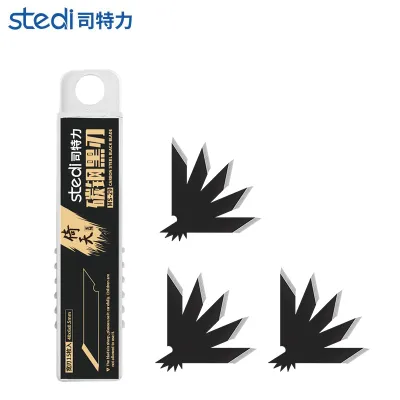
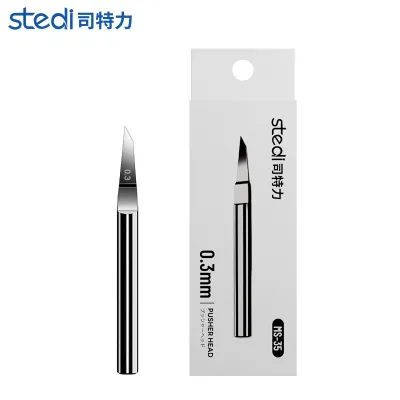
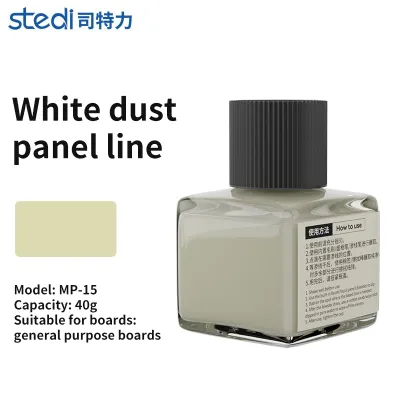
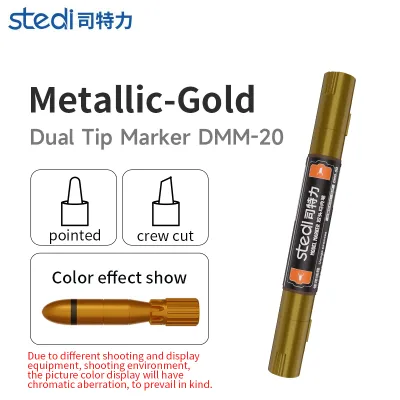
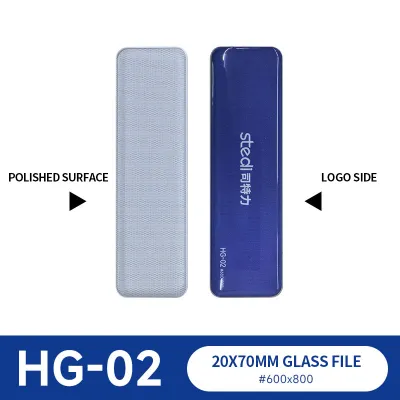
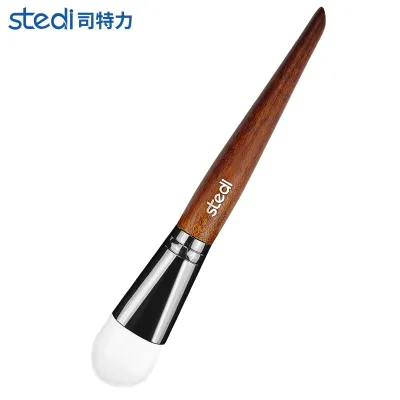
Prices are valid at publication and may change. Please refer to the product page for the latest price.
When browsing these categories, keep in mind that specific model availability, packaging configurations, and exact product names may vary across different retail channels and local e-commerce platforms. Rather than searching for a single, rigid model number, focus on the core specifications—such as blade thickness, jaw capacity, or mat dimensions—to find the tool that aligns with your project requirements. This functional approach ensures you select a tool based on its mechanical capabilities rather than regional marketing labels.
Matching Stedi Tools to Paper Crafting and Scrapbooking
Paper crafting, card making, origami, and scrapbooking demand clean, fiber-free edges and absolute dimensional accuracy. When working with delicate papers, standard utility blades can drag and tear the material, ruining hours of meticulous layout work. For these projects, Stedi’s precision paper trimmers and fine-angle craft knives are highly suitable. A dedicated paper trimmer ensures straight, repeatable cuts across long sheets, while a slim craft knife allows for intricate interior cutouts that a straight-edge trimmer cannot reach.

In addition to cutting, scoring is a critical step in paper crafting to prevent heavy cardstock from cracking along fold lines. Utilizing a scoring board or a blunt scoring stylus preserves the paper fibers, creating a clean indentation that guides a perfect fold. When assembling these elements, precise adhesive applicators and alignment guides are essential. They prevent glue from seeping onto visible surfaces and ensure that multi-layered scrapbook pages or handmade cards remain perfectly square and bubble-free.
To prevent adhesive bleed-through or paper warping, perform a quick trial on a scrap piece of your specific cardstock before final assembly. This allows you to verify the drying speed and water resistance of your adhesive in Singapore’s humid climate, ensuring the paper fibers do not buckle. Before purchasing, always check the product labels for paper weight limits and blade compatibility. Standard paper trimmers are often rated for specific paper weights, typically measured in grams per square meter (gsm). Attempting to cut heavy 300 gsm watercolor paper or thick chipboard on a lightweight trimmer can dull the blade instantly or warp the guide rail. Additionally, verify that the cutting mat grid measurements match your preferred system—whether metric or imperial—to avoid frustrating conversion errors during quick layouts.
Selecting Stedi Tools for Model Making and Precision Work
Scale models, miniatures, and intricate dioramas require a level of precision where a fraction of a millimeter can ruin the alignment of interlocking parts. For these highly detailed tasks, the tool kit must shift toward specialized instruments designed for micro-manipulation. Fine-tip hobby knives, often featuring 30-degree blades, are indispensable for removing plastic parts from sprues and shaving away microscopic imperfections. These knives must be paired with high-density, self-healing precision cutting mats that provide a stable surface without allowing the blade to slip or wander.
Handling tiny components requires more than just steady hands; it demands specialized holding tools. Fine-tip tweezers—including straight, curved, and reverse-action designs—allow you to position miniature parts precisely without blocking your line of sight. For assembling multi-part plastic or resin kits, miniature clamps and spring-loaded clips hold pieces securely in place while adhesives cure, preventing shifting that could compromise the structural integrity of the model.
When working with plastic or resin, verify the blade’s tip shape and thickness. A standard #11 fine-angle blade is ideal for tight corners, but always test its flexibility on a scrap sprue to ensure it does not snap under lateral pressure. When selecting these precision tools, it is vital to verify the manufacturer’s specifications regarding blade angles, mat self-healing properties, and material thickness limits. A 30-degree blade offers maximum control for detailed scoring but is more fragile than a standard 45-degree blade. Ensure the cutting mat is explicitly rated as “self-healing,” meaning its surface layers are designed to close up after clean cuts, preventing the blade from catching on old grooves during subsequent delicate work.
Picking Stedi Tools for General DIY and Mixed Media
When your creative projects expand into heavier mediums like foam board, balsa wood, leather, or thick plastics, lightweight precision tools are no longer sufficient or safe. General DIY and mixed-media crafting require heavy-duty cutting mats, robust utility knives, and reinforced measuring tools. These materials demand greater downward force to cut through, which means the tools must feature ergonomic grips and secure blade-locking mechanisms to prevent slippage and hand fatigue.
Safety and accuracy during heavy cutting depend heavily on stabilizing your materials. Non-slip metal rulers with a raised center ridge protect your fingers from accidental blade slips, while heavy-duty spring clamps or bar clamps secure thick materials to your workbench. When cutting dense foam board or balsa wood, a single deep pass can cause the material to tear or the blade to bind; instead, using a robust utility knife to make multiple shallow, guided passes ensures a clean, vertical edge.
Before undertaking heavy-duty tasks, review the tool’s material compatibility and blade durability specifications. Using a standard hobby knife on thick leather or dense plastics can snap the blade, posing a safety hazard. Ensure your utility knife is compatible with heavy-duty replacement blades and that your cutting mat is thick enough to absorb deep cuts without exposing the underlying table surface.
Key Specifications to Check Before Buying Stedi Tools
To ensure your chosen Stedi tools integrate seamlessly into your creative workflow, compile a practical checklist of product specifications before finalizing your purchase. First, verify the physical dimensions of the tools and cutting mats. A massive A1-sized cutting mat offers an excellent workspace but may not fit on a compact desk or inside a standard storage drawer. Measure your available workspace and storage setup to select tools that can be safely used and stored when not in active use.
Second, check the availability and standard sizing of replacement blades, refills, and compatible consumables. Craft tools are only as good as their cutting edges, and blades will inevitably dull with use. Opt for tools that accept standard, widely available replacement blade sizes (such as standard #11 hobby blades or 9mm/18mm snap-off utility blades) rather than proprietary shapes that may be difficult to source locally in Singapore. This ensures your tools remain functional over the long term without requiring expensive or hard-to-find replacements.
Third, review the safety features documented in the product specifications. Look for features such as auto-retracting blades, secure twist-lock or slide-lock mechanisms on knives, and non-slip rubberized bases on rulers and cutting mats. Finally, confirm the tool’s material compatibility ratings. Ensure the manufacturer explicitly states that the tool is rated for the specific mediums you intend to cut, score, or clamp, preventing premature tool wear or accidental damage to your project materials. Additionally, ensure the cutting mat’s grid lines are printed with solvent-resistant ink so they do not fade or smear when exposed to craft adhesives, cleaning alcohols, or paint thinners during your projects.
Frequently Asked Questions (FAQ)
How do I know when to replace the blade in my Stedi cutting tool?
You should replace your blade at the first sign of visual or tactile wear. If you notice the tool tearing paper instead of slicing cleanly, requiring significantly more downward pressure, or leaving jagged edges on your material, the blade is dull. Check the product packaging or manual for specific replacement instructions, and always use a dedicated blade disposal container to safely discard old, sharp metal edges.
Are Stedi cutting mats compatible with all types of craft knives?
While Stedi cutting mats are highly versatile and designed to withstand standard hobby knives, rotary cutters, and utility blades, they are not indestructible. Using excessively heavy-duty blades, such as heavy construction saws or deeply gouging carving tools, can slice completely through the self-healing layers and cause permanent damage. Always cross-reference the mat’s thickness and material specifications with the blade type recommended by the manufacturer to maintain the self-healing surface.
Community discussion
Share your experience or ask a question. Comments are reviewed before publication.