
Selecting the right Smartpac packing tape depends on matching the tape’s physical specifications—such as thickness, adhesive type, and backing material—to the specific demands of your shipment or storage box. For heavy boxes, a thick, high-tensile tape with a hot-melt or aggressive adhesive prevents structural failure. Fragile items require a secure, dust-proof seal combined with proper internal cushioning, while long-term storage demands an acrylic adhesive that resists degradation under Singapore’s humid conditions. By checking the product labels for specific performance indicators, you can ensure your packages remain intact throughout their journey.
Understanding Tape Specifications for Different Packing Needs
To choose the right tape, you must first understand how to read the technical specifications on the packaging. Tape thickness is typically measured in microns or mils. A higher micron count indicates a thicker backing and adhesive layer, which directly translates to greater tensile strength and resistance to snapping when pulled tight over box edges.
The adhesive formulation is equally critical. Acrylic adhesives bond well over time and resist yellowing, making them highly stable for general use and temperature fluctuations. Hot-melt adhesives, on the other hand, offer a quick, aggressive initial tack that grips cardboard fibers instantly, which is highly beneficial for boxes under immediate tension.
Products mentioned in this guide
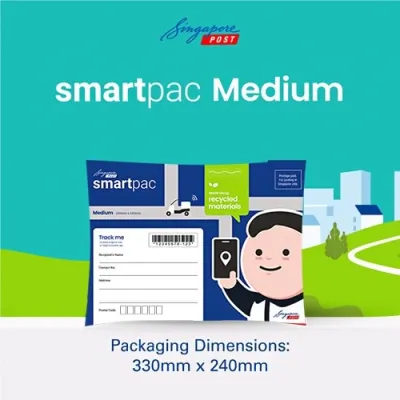
![[SINGPOST] MEDIUM smartpac - A postage-paid packaging for local delivery. Trackable via the SingPost mobile app.](https://img.lazcdn.com/g/p/3360d819ebee92c4900de5d10f98c2e8.png_400x400q80.png_.webp)
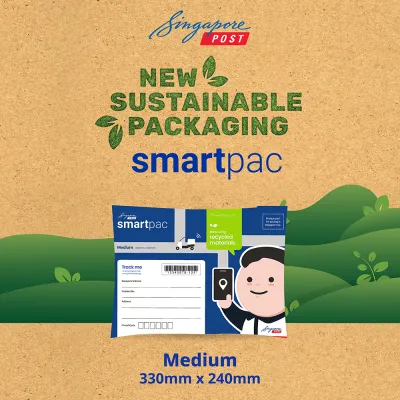
![*FREE SHIPPING* [CHOOSE OPTION] Singapore Post Smartpac Small Smartpac Medium Mini Lite 600g 1kg Singpost Smart pac Sing Post PolyM Poly M](https://img.lazcdn.com/g/p/ca35df7d5aaeef118422794879cc317a.jpg_400x400q80.jpg_.webp)
Prices are valid at publication and may change. Please refer to the product page for the latest price.
Backing materials, usually made of polypropylene or polyvinyl chloride (PVC), determine how easily the tape tears and how well it resists environmental wear. Polypropylene is common and cost-effective, requiring a dispenser to cut cleanly, while PVC tape is thicker, can be torn by hand, and quiet when unwound. Understanding these differences allows you to match the tape’s physical properties to your specific packing task.
Additionally, backing materials behave differently under tension. Polypropylene tends to stretch slightly before breaking, which can absorb minor impacts during handling. In contrast, PVC resists stretching almost entirely but can tear easily if the edge is nicked or damaged. Recognizing these material behaviors helps you select a tape that matches your packing style and dispenser setup.
Selecting Tape for Heavy Boxes
Heavy boxes exert constant outward pressure on their seams, especially when stacked during transit. To prevent these boxes from bursting open, you should look for Smartpac tapes labeled as heavy-duty or industrial-grade. These variants feature a higher thickness specification, often exceeding 50 microns, which provides the necessary tensile strength to withstand heavy loads.

The adhesive must also be aggressive enough to bond deeply with the cardboard fibers. Recycled cardboard and heavily corrugated boxes have rougher, more porous surfaces that require a high-tack adhesive to establish a permanent hold. Check the product label for mentions of high-tack or hot-melt formulations designed specifically for corrugated surfaces.
Before purchasing, verify the manufacturer’s recommended weight limits or heavy-duty designations printed on the packaging. If you are packing items close to the box’s maximum capacity, choosing a wider tape—such as a 72mm width instead of the standard 48mm—can help distribute the weight and stress more evenly across the cardboard seams.
Furthermore, pressure-sensitive adhesives require firm physical pressure to activate their bonding properties fully. Simply laying the tape across the seam is often insufficient for heavy loads. Rubbing the tape firmly with a squeegee, a tape dispenser roller, or your hand ensures the adhesive penetrates the cardboard pores, creating a secure and lasting bond.
Protecting Fragile Items with the Right Tape
When shipping fragile items, the primary role of packing tape is to create a complete, dust-proof seal that prevents environmental elements from entering the box. A secure seal ensures that moisture, dust, and debris cannot penetrate the seams and potentially damage sensitive electronics, glassware, or paper goods inside.
If you plan to reuse or return the shipping box, you should also consider the tape’s clean-removal properties. Some specialized tapes are formulated to peel away without leaving a sticky residue or tearing the outer layer of the cardboard. Checking the product specifications for clean-removal or low-residue properties can save the box for future use.
It is important to remember that while high-quality tape secures the box’s structure, it does not absorb physical shocks. You must always combine proper tape selection with adequate internal cushioning, such as bubble wrap, packing peanuts, or molded foam, to protect fragile contents from impact during transit.
Additionally, the noise and ease of application can affect how safely you pack delicate items. Using a quiet-unwind tape, such as a PVC-backed option, reduces sudden jerks and loud noises during application. This allows for a smoother, more controlled packing process, minimizing the risk of accidentally knocking over fragile items on your workspace.
Ensuring Durability for Long-Term Storage
Long-term storage presents unique challenges, particularly in Singapore’s warm and highly humid climate. Standard adhesives can break down when exposed to fluctuating temperatures and humidity over several months or years. When selecting tape for storage, look for specifications indicating UV resistance and temperature tolerance on the packaging.
Acrylic-based adhesives are generally the most reliable choice for long-term preservation. Unlike hot-melt adhesives, which can dry out, turn yellow, or become brittle over time, acrylic formulations maintain their chemical stability and adhesive bond for years. This prevents the tape from lifting or peeling away while the box sits in a non-climate-controlled storage unit or closet.
Even with the right tape, periodic maintenance is recommended. Make a habit of inspecting the edges of your stored boxes for any signs of lifting, peeling, or bubbling. Catching these minor adhesive failures early allows you to re-secure the box before the contents are exposed to dust or moisture.
Surface preparation is another critical factor in ensuring long-term durability. Dust, dirt, and cardboard fibers on the box flaps can act as a barrier, preventing the adhesive from making direct contact with the surface. Wiping the box flaps with a dry, clean cloth before applying the tape ensures a clean surface and a much stronger, longer-lasting bond.
Cross-Scenario Compatibility and Application Tips
If you frequently pack a variety of items, you might wonder whether to buy multiple specialized tapes or invest in a single versatile option. A premium heavy-duty tape can often cover the requirements for fragile items and long-term storage. While it may cost slightly more per roll, using a single high-grade tape simplifies your packing setup and ensures maximum security across all scenarios.
To evaluate the cost-effectiveness, compare the price of a single multi-purpose roll against the combined cost of buying separate light-duty and specialized rolls. For low-volume shippers, a single premium roll is usually the most economical and space-saving choice. For high-volume shipping, keeping specialized rolls on hand can optimize your packaging budget.
Regardless of the tape you choose, proper application is essential for maximizing structural integrity. Use the H-tape sealing method, which involves applying tape along the center seam and all exposed side edges of the box. This technique seals all open seams, distributes weight evenly, and prevents dust from entering, ensuring your package remains secure.
Using a high-quality tape dispenser also plays a significant role in application success. A dispenser maintains consistent tension, prevents the tape from tangling or folding back on itself, and provides a clean cut. This not only speeds up your packing process but also reduces tape waste and ensures a professional, secure seal every time.
Frequently Asked Questions (FAQ)
Can I use standard clear tape for heavy moving boxes?
Standard clear stationery tape is generally too thin and lacks the tensile strength required to secure heavy moving boxes. Using low-specification tape increases the risk of the seams splitting under tension, which can lead to damaged contents. Before packing heavy loads, check the micron count and look for heavy-duty labels on the Smartpac packaging to ensure the tape can handle the weight.
How should I store unused packing tape to maintain its adhesive quality?
To preserve the adhesive quality of unused packing tape, store the rolls in a cool, dry place away from direct sunlight and extreme heat. High temperatures can cause the adhesive to degrade or bleed, making the tape difficult to unwind. Keeping the rolls in their original packaging or shrink wrap also prevents dust and debris from settling on the adhesive edges.
Community discussion
Share your experience or ask a question. Comments are reviewed before publication.