
Selecting the right school stationery in Singapore involves balancing durability, functionality, and age-appropriate design. When it comes to keeping track of daily reading assignments, a silicone bookmark offers a modern, resilient alternative to traditional paper or metal options. For primary school students, the ideal silicone bookmark is large, colorful, and highly tactile, helping younger children develop fine motor skills while keeping them engaged with their books. In contrast, secondary school students benefit most from slim, low-profile, and multi-functional designs that can withstand the pressure of heavy academic textbooks and tightly packed school bags. By matching the physical characteristics of the bookmark to the student’s grade level and reading materials, parents can ensure a seamless reading experience throughout the school year.
Why Silicone Bookmarks Are Practical for School Reading
Daily school life places high demands on student stationery. Textbooks, assessment books, and library novels are constantly shuffled between study desks, lockers, and school bags, exposing paper bookmarks to inevitable creasing, tearing, and water damage. Silicone bookmarks solve this durability issue because the material is naturally flexible, highly resilient, and virtually impossible to tear under normal classroom conditions. Whether stuffed into a crowded backpack or dropped on a classroom floor, a silicone marker retains its shape and utility.
Another significant advantage of silicone is its natural, non-slip texture. Glossy textbook pages and laminated covers can be incredibly slick, causing standard paper or plastic bookmarks to slide out easily during transit. Silicone provides a gentle, high-friction grip that clings securely to paper fibers without leaving sticky residues or causing physical damage. This ensures that a student’s exact page remains marked, even when their book is jostled during the daily commute on the MRT or school bus.
Products mentioned in this guide
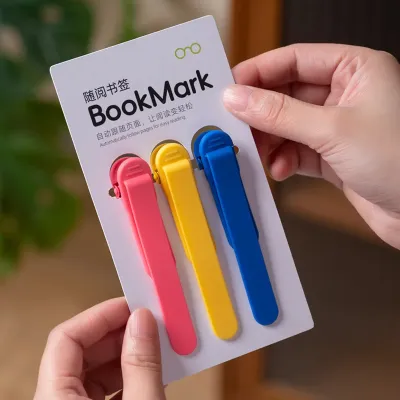
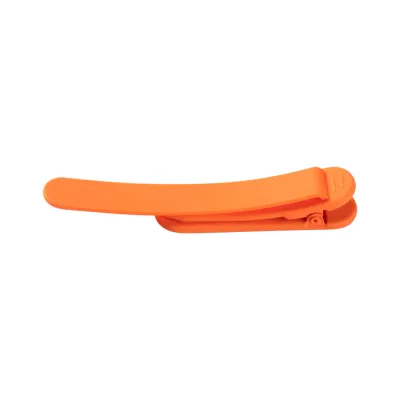
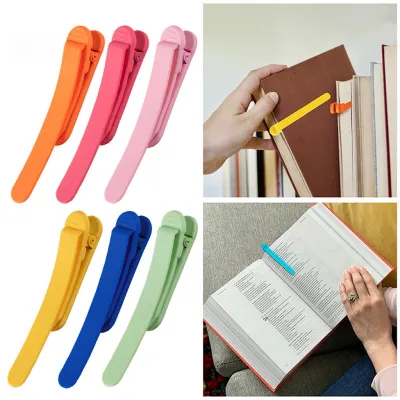
Prices are valid at publication and may change. Please refer to the product page for the latest price.
Furthermore, school desks are frequent sites for minor spills, highlighter smudges, and ink leaks. While a paper bookmark is easily ruined by a single drop of water or a leaking pen, silicone is completely waterproof and non-porous. If a silicone bookmark gets stained by a stray pen mark or a splash of beverage during recess, it can be wiped clean in seconds. This ease of maintenance makes it a highly hygienic and cost-effective choice for long-term school use.
Matching Bookmark Sizes to School Reading Materials
The physical dimensions of a student’s reading material should directly dictate the size and thickness of their silicone bookmark. Primary school English and Mother Tongue readers, along with early-grade workbooks, typically feature thinner pages and smaller overall formats. These delicate publications require highly flexible, standard-sized or lightweight silicone markers. A heavy or overly thick bookmark can easily overwhelm a thin paperback, causing the pages to sag or bend unnaturally when the book is closed.

As students transition to secondary school, their reading materials change dramatically. Secondary school textbooks, literature novels, and thick reference guides feature dense pages and heavier paper stocks. These robust volumes can easily accommodate slightly sturdier, longer, or more structured silicone markers. However, even with thicker books, caution is necessary regarding the thickness of the bookmark itself.
Using an excessively thick silicone bookmark can place continuous physical stress on a book’s spine. When a thick object is inserted deep into the gutter of a tightly bound book, it forces the binding outward. Over a semester of daily use, this constant leverage can weaken the glue or stitching, eventually causing pages to detach from the spine. To protect expensive textbooks and school library books, parents and students should select bookmarks that offer a low-profile cross-section, ensuring the book can close flat without straining the binding.
Choosing Silicone Bookmarks for Primary School Students
For younger children in primary school, stationery is not just a functional tool but also an entry point to developing positive learning habits. When selecting a silicone bookmark for this age group, prioritize larger, easy-to-grip shapes and prominent tabs. Children in Primary 1 to Primary 3 are still refining their fine motor skills and hand-eye coordination. A bookmark with a raised, chunky tab or a wide, textured surface allows small hands to easily grasp, insert, and remove the marker independently without tearing the page.
Visual appeal plays a crucial role in keeping younger students motivated. Bright, high-contrast colors, playful animal shapes, and familiar character designs can transform reading from a chore into an engaging activity. A bookmark shaped like a cartoon animal peeking over the top of a textbook adds an element of fun to daily reading assignments. These distinct designs also make it easy for children to quickly locate their reading materials inside a cluttered desk drawer or school bag.
Safety must remain a primary consideration when buying school supplies for younger children. Parents should perform a quick physical inspection of any silicone bookmark before handing it to a primary schooler. Ensure the bookmark is large enough that it does not pose a choking hazard if a child absentmindedly places it in their mouth during class. Additionally, check that the edges are soft, rounded, and completely free of sharp flashing or hard plastic inserts that could scratch delicate skin or accidentally cut paper pages.
Choosing Silicone Bookmarks for Secondary School Students
As students enter secondary school, their academic workload increases, and their aesthetic preferences shift toward maturity and utility. Secondary schoolers carry multiple heavy textbooks, files, and personal devices daily, making space-saving stationery essential. For this age group, look for ultra-slim, low-profile silicone bookmarks that slide effortlessly between pages. These thin designs ensure that books can be stacked flat inside a locker or packed tightly into a backpack without creating bulky bulges or damaging the book covers.
Functionality becomes a key selection criterion as study habits grow more complex. Many secondary school students appreciate silicone bookmarks that offer secondary features, such as integrated page-line trackers. These markers feature a small, sliding pointer or a cut-out window that allows the student to highlight the exact line where they stopped reading, which is incredibly useful for dense science or history textbooks. Clip-on silicone styles that hug the edge of the page or dual-ended band markers that wrap around the entire book are also excellent for keeping multiple chapters marked simultaneously.
Aesthetically, older students generally prefer minimalist designs, muted tones, and solid colors over cartoonish shapes. Sleek geometric patterns, simple strap designs, or elegant pastel shades allow secondary schoolers to maintain a professional and organized study environment. These understated styles blend seamlessly with high school study materials and help students focus on their coursework without unnecessary visual distractions.
Material Safety and Quality Checks Before Purchase
Because students handle their bookmarks daily, ensuring the safety and quality of the silicone material is paramount. High-quality silicone is an excellent material for school supplies, but low-grade alternatives can contain unwanted fillers. When shopping online or at local stationery stores, look for products that explicitly state they are made from food-grade, BPA-free, or non-toxic silicone. These safety certifications are typically printed directly on the product packaging or listed in the manufacturer’s specifications.
A simple and highly reliable way to assess quality is the smell test. When opening a new stationery pack, inspect the physical item for any strong, pungent chemical odors. High-quality, properly cured silicone is virtually odorless. A strong chemical or plastic smell often indicates the presence of volatile organic compounds or cheap chemical additives used during manufacturing, which are unsuitable for prolonged contact with children’s hands.
Finally, conduct a physical inspection of the bookmark’s seams and edges. Run your fingers along the entire perimeter of the silicone piece. Well-manufactured silicone bookmarks feature smooth, clean edges with no rough seams or leftover manufacturing debris. Sharp or jagged edges can easily scratch a student’s fingers or snag and tear delicate book pages when pulled out quickly. Investing a few moments in these simple quality checks ensures a safe, durable, and pleasant reading companion for the entire academic year.
Frequently Asked Questions (FAQ)
Can silicone bookmarks damage textbook pages or spines?
Yes, if the bookmark is too thick or used incorrectly, it can cause damage. Forcing a thick silicone marker into a tightly bound book creates leverage that stresses the spine glue and creases the inner margins of the pages. To prevent this, always choose a bookmark thickness that matches the flexibility of the book. When inserting or removing the bookmark, slide it gently from the top or side rather than pulling it forcefully at an angle, which can tear delicate paper edges. If a textbook has exceptionally thin pages, switch to an ultra-thin silicone strap or a lightweight clip-style marker.
How do I clean a silicone bookmark if it gets sticky or stained?
Cleaning a silicone bookmark is straightforward and highly reversible. Simply wipe the surface with a soft, damp cloth and a drop of mild dishwashing soap to lift away pencil lead, ink smudges, or food residue. Avoid using harsh chemical solvents, alcohol wipes, or abrasive scrubbing pads, as these can degrade the silicone surface and fade printed designs. Once clean, rinse the bookmark thoroughly with water and allow it to air-dry completely on a clean towel. Never place a damp bookmark back inside a book, as any trapped moisture can warp the pages and encourage mold growth.
Community discussion
Share your experience or ask a question. Comments are reviewed before publication.