
Quick Answer: Which Thread Works With Which Fabric?
Choosing the right sewing thread depends on matching the fiber properties of your thread to the characteristics of your fabric. For most everyday sewing projects, polyester thread serves as the highly versatile, all-purpose standard that pairs beautifully with synthetic fabrics, knits, and blended materials. If you are working with natural, non-stretch woven fabrics like cotton or linen, cotton thread is the traditional and most compatible choice. Specialty threads, such as nylon or heavy-duty polyester, are reserved for high-stretch activewear, swimwear, or thick materials like canvas and upholstery. Before you begin threading your sewing machine, always verify the fiber content printed on the thread spool and cross-reference it with the care label on your fabric to ensure a durable, balanced seam.
Polyester Thread: The All-Purpose Choice for Modern Fabrics
Polyester thread is the undisputed workhorse of modern sewing, favored for its exceptional tensile strength, durability, and resistance to mildew. Its primary advantage is its slight elasticity. This built-in “give” allows the thread to stretch slightly along with the fabric, making it the ideal choice for sewing knit fabrics, jersey, activewear, and synthetic blends. When a garment stretches during wear, a polyester seam yields to the pressure rather than snapping, preserving the integrity of your stitches.

However, polyester thread has specific limitations regarding heat tolerance. As a synthetic polymer, polyester has a much lower melting point than natural fibers like cotton. When pressing seams with a hot iron, excessive heat can melt or weaken the polyester fibers, leading to distorted seams or structural failure. Always use a synthetic or medium heat setting on your iron when working with polyester thread, or use a pressing cloth to shield the stitches from direct heat.
Products mentioned in this guide
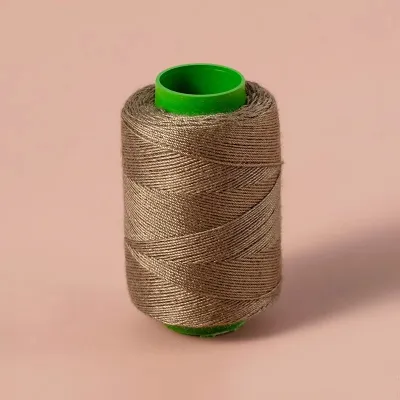
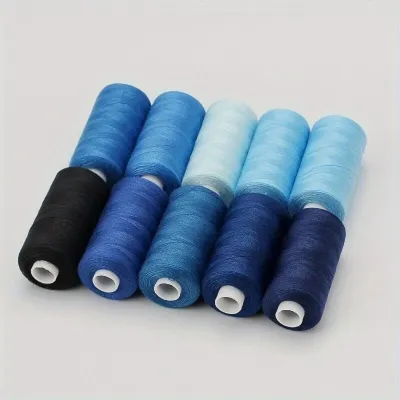
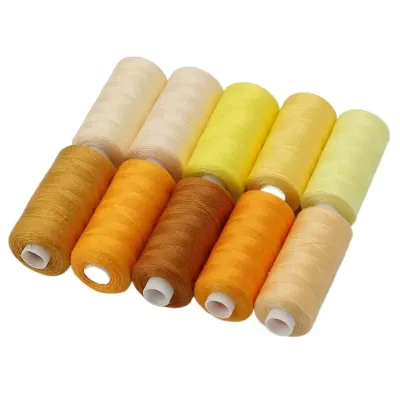
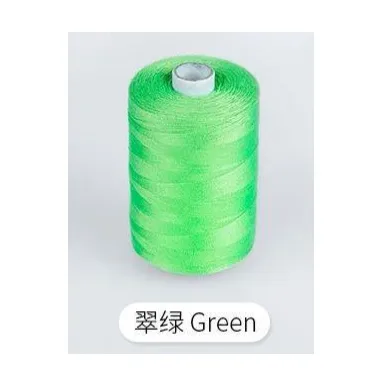
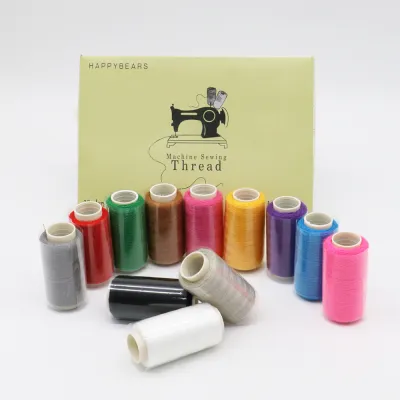
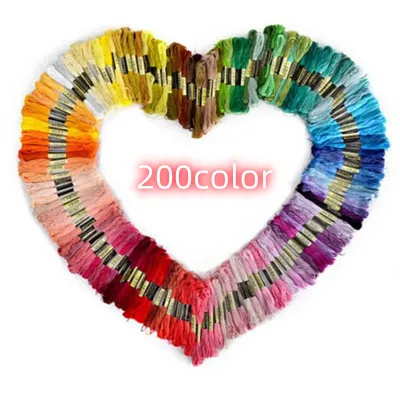
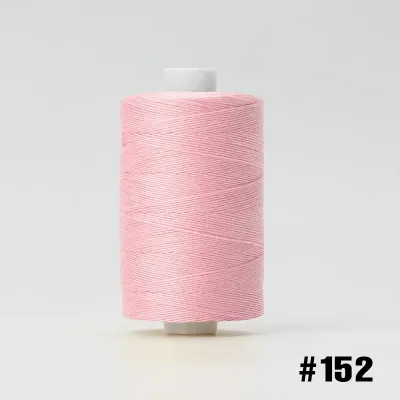
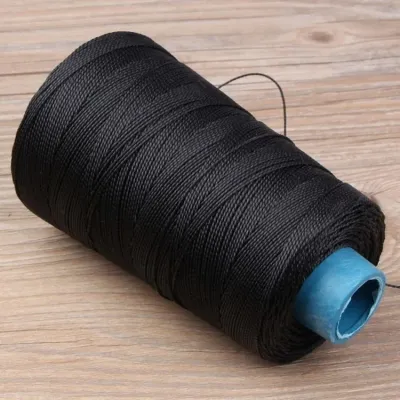
Prices are valid at publication and may change. Please refer to the product page for the latest price.
When stocking up on polyester thread, identify quality variations to protect your sewing machine. Lower-grade threads often exhibit excessive lint, visible fuzz, or uneven thickness. Pull a meter of thread from the spool and hold it to a light source; if you notice frequent slubs or loose fibers, avoid using it. These imperfections clog tension discs, accumulate lint in the bobbin case, and cause thread jams. High-quality polyester thread, such as corespun polyester, appears smooth, consistent, and slightly lustrous.
Cotton Thread: The Standard for Natural Woven Fibers
Cotton thread is the traditional choice for sewing natural, non-stretch woven fabrics. Because it is made from natural cellulose fibers, cotton thread behaves in harmony with fabrics like 100% cotton, linen, and wool. It can withstand the highest heat settings on a household iron, making it indispensable for projects that require frequent, sharp pressing, such as quilting, tailoring collars, and pressing open flat seams.
Unlike polyester, cotton thread has virtually no stretch or elasticity. While this lack of stretch is excellent for maintaining straight, stable seams in structured garments and quilts, it poses a significant risk when used on stretchy or knit fabrics. If you sew a knit fabric with cotton thread, any tension placed on the seam—such as pulling a t-shirt over your head—will cause the inelastic cotton thread to snap, resulting in popped seams. Therefore, cotton thread should be strictly reserved for stable, woven materials.
Cotton thread also produces more lint than synthetic alternatives. The short staple fibers naturally shed as the thread passes through the tension discs and needle eye, accumulating under the needle plate and around the bobbin hook. To prevent skipped stitches, brush out the bobbin area more frequently when sewing with cotton. For a smoother experience, choose mercerized cotton thread, which undergoes a treatment that swells the fibers, increasing strength, adding luster, and reducing lint shedding.
Nylon and Specialty Threads for Stretch and Heavy-Duty Projects
When your sewing projects move beyond standard garments into high-performance activewear, swimwear, or heavy-duty home decor, standard polyester and cotton threads are no longer sufficient. Nylon thread is highly valued for its extreme tensile strength and remarkable elasticity. It is commonly available as bonded nylon for heavy-duty applications or as texturized “wooly” nylon for use in the loopers of overlockers and sergers. Wooly nylon expands to provide incredibly soft, highly elastic seams that are perfect for swimwear, dancewear, and athletic gear that must stretch repeatedly without breaking.
Sewing with these specialty threads requires machine adjustments to prevent tension issues. Because heavy-duty nylon and upholstery threads are significantly thicker, they cannot pass through a standard needle eye. Install a larger needle size, such as a size 100/16 or 110/18 denim or topstitching needle, which features a wider eye and a deeper groove. Additionally, heavy-duty threads can place excessive drag on the bobbin case, so verify your machine’s bobbin compatibility before sewing.
Avoid using heavy-duty specialty threads for standard, lightweight garment sewing. Using a thick nylon or upholstery thread on lightweight cotton or silk will cause severe fabric puckering, as the heavy thread distorts the delicate weave. Furthermore, extremely stiff or abrasive specialty threads can wear grooves into the plastic tension discs or guide paths of standard domestic sewing machines over time. If your project requires heavy-duty construction, ensure your machine is rated for such materials, and always use the correct needle and tension settings.
How to Verify Thread and Fabric Compatibility Before Sewing
Before starting any sewing project, taking a few minutes to verify that your thread and fabric are fully compatible will save you hours of troubleshooting and seam ripping. The first step is to read the labels on both your thread spool and your fabric. Thread weight is typically indicated on the bottom or side of the spool. In the standard weight (wt) system, a higher number indicates a finer, thinner thread, while a lower number indicates a thicker, heavier thread. For example, a 50 wt thread is fine and excellent for delicate fabrics or detailed quilting, while a 30 wt thread is much thicker and suited for topstitching or heavy canvas.
To perform a practical compatibility check, conduct a simple stretch and pull test using a scrap piece of your project fabric:
- Cut a small scrap of your fabric, fold it, and sew a straight line of stitches.
- Hold the scrap firmly on both sides of the seam and gently pull outward. If the thread snaps, it lacks the elasticity required. If the fabric puckers, the thread may be too thick or the tension too high.
- Pull the fabric parallel to the seam line. If the stitches pop, switch to a thread with more stretch, like polyester, or adjust your stitch type.
Finally, always cross-reference your sewing machine’s instruction manual. The manual contains a comprehensive needle-and-thread selection chart. This chart outlines the exact needle types (such as ballpoint, microtex, or universal) and sizes that must be paired with specific thread weights to ensure proper stitch formation and prevent skipped stitches.
Adjusting Your Sewing Machine for Different Thread Types
Switching between different thread materials and thicknesses requires you to adapt your sewing machine’s settings to maintain balanced stitches. The most common adjustment you will need to make is to the upper thread tension. Thicker threads, such as heavy cotton or topstitching thread, create more friction as they pass through the tension discs. To compensate for this, you will typically need to lower the upper tension setting (turning the dial to a lower number) to allow the thread to flow smoothly. Conversely, very fine threads may require you to slightly increase the upper tension to prevent loose, looping stitches on the underside of your fabric.
Selecting the correct needle type and size is equally critical when changing threads. The needle eye must be large enough for the thread to pass through with minimal friction, while the needle point must match the fabric structure. For instance, when sewing knit fabrics with polyester thread, always use a ballpoint or stretch needle. These needles have a rounded tip that pushes between the fabric yarns rather than piercing and cutting them. When sewing natural woven fabrics with cotton thread, a sharp or universal needle is ideal for piercing the woven threads cleanly.
When your thread and machine settings are mismatched, your machine will display clear visual warning signs:
- Looping (Bird-Nesting): Tangled loops on the underside of your fabric indicate that the upper thread tension is too loose or the thread has slipped out of the tension discs.
- Puckering: Fabric gathering tightly along the seam line indicates that the tension is too tight or the thread is too heavy for the fabric weight.
- Frequent Breakage: Thread snapping repeatedly or shredding at the needle eye suggests the needle is too small, dull, or the upper tension is excessively tight.
Frequently Asked Questions (FAQ)
Can I use polyester thread on 100% cotton fabric?
Yes, you can use polyester thread on 100% cotton fabric, and it is a common practice in modern garment construction because polyester offers excellent durability and a slight amount of give. However, there is a long-term trade-off to consider. Polyester is significantly stronger and more abrasive than cotton fibers. Over time, under repeated wear, washing, and physical stress, the stronger polyester thread can gradually cut through the softer cotton fibers of the fabric, leading to tears along the seam line. For heirloom quilting or items subjected to high-heat ironing, sticking to 100% cotton thread is highly recommended.
Does sewing thread expire or degrade over time?
Yes, sewing thread can degrade, especially when exposed to direct sunlight, high humidity, or extreme temperature fluctuations over several years. Natural fibers like cotton are particularly susceptible to dry rot and weakening, while synthetic threads like polyester can become brittle. In humid tropical climates, such as in Singapore, moisture can accelerate the degradation of cotton threads and even lead to mold or mildew, so storing spools in airtight containers is highly recommended.
To check if an old spool is usable, perform a simple pull test. Unwind thirty centimeters of thread, wrap it around your hands, and give it a firm tug. If it snaps easily with little resistance, the thread has degraded and will break constantly during sewing. Also, inspect the spool for excessive lint shedding or visible fading, which indicate age and degradation.
Community discussion
Share your experience or ask a question. Comments are reviewed before publication.