
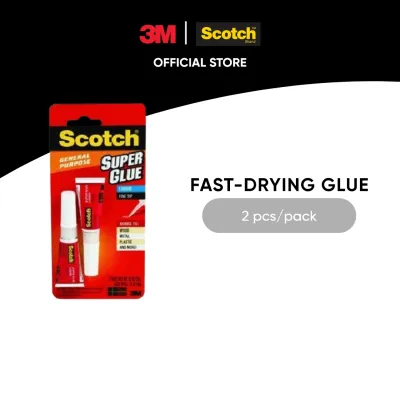
Selecting the right adhesive can make the difference between a school project that stands sturdy and one that falls apart before grading. Scotch super glue comes in several distinct variants—primarily liquid, gel, and precision tip formulas—each engineered for specific materials and structural demands. Matching the correct variant to your child’s science model, art craft, or book repair ensures a secure bond while minimizing mess and material damage. By understanding how these formulas behave on different surfaces, parents and students can achieve clean, durable results safely.
Identifying the Physical Traits of Each Variant
To choose the right adhesive, it is essential to understand how the physical properties of each Scotch super glue variant affect its behavior during application. The primary distinction lies in viscosity, which refers to how easily a fluid flows. Liquid super glue has a very low viscosity, meaning it is thin and runny. This property allows it to wick quickly into tight cracks and spread rapidly across flat, non-porous surfaces. However, its fluid nature makes it prone to running, dripping, and accidental spills if not handled with extreme care.
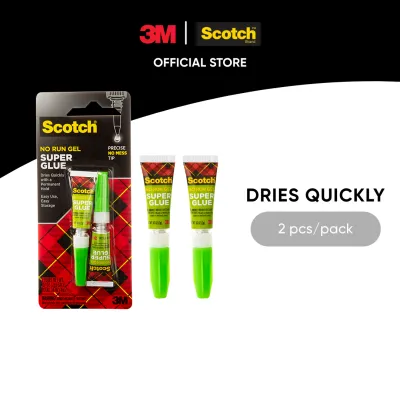
In contrast, the gel variant features a high-viscosity formula that does not drip or run. This thick consistency makes it highly manageable, especially when working on vertical surfaces or overhead joints where a liquid adhesive would gravity-drip. The gel formula is also excellent for gap-filling, as it stays exactly where it is placed and can bridge minor imperfections between two uneven surfaces.
Products mentioned in this guide
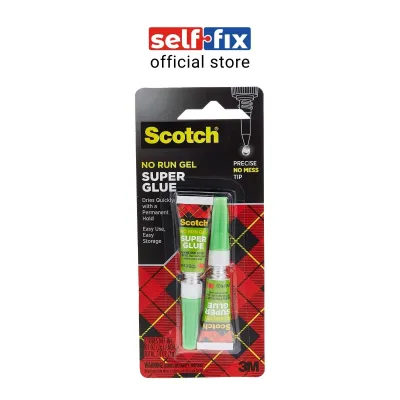
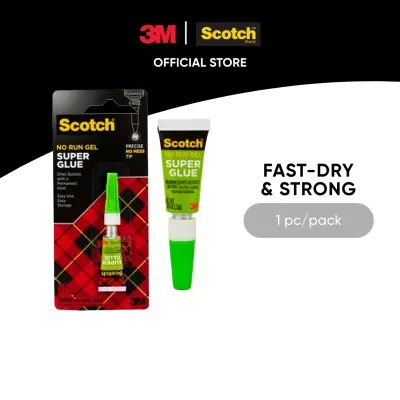
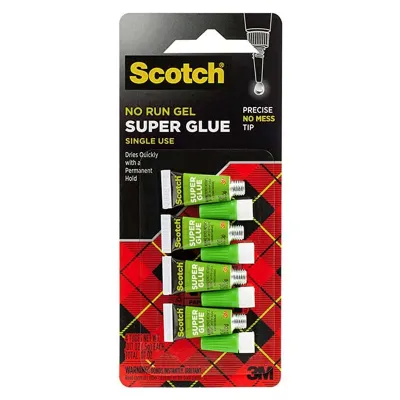
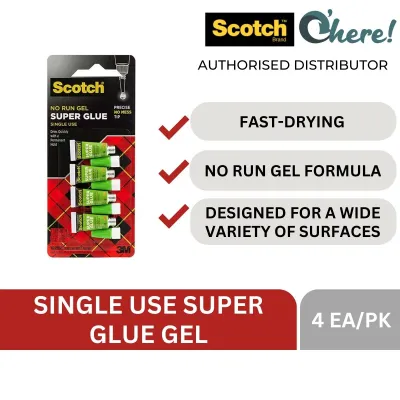
Prices are valid at publication and may change. Please refer to the product page for the latest price.
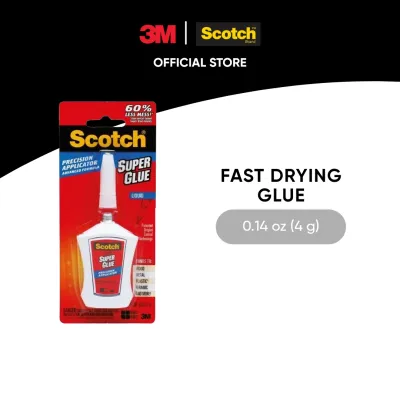
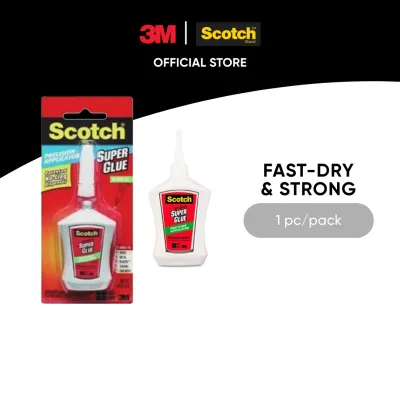
The delivery system is just as important as the formula itself. Precision tip variants feature specialized, narrow applicators designed to dispense micro-drops of adhesive. This packaging design is ideal for intricate tasks where even a single drop of standard liquid or gel might be too much. Before starting any project, always check the manufacturer’s packaging and labels. The label provides critical information regarding material compatibility, recommended curing times, and specific safety warnings that vary depending on the chemical formulation.
Matching Variants to Specific School Project Scenarios
Different school assignments present unique structural challenges and material combinations. Selecting the appropriate adhesive variant depends entirely on the physical demands of the project, whether it is a load-bearing science model or a delicate paper craft.

Structural Builds and Science Models
Science models, such as bridges, solar system displays, or volcano structures, often require bonding diverse materials that must support their own weight. For these structural builds, the gel variant is highly effective. Because gel does not run, it allows students to apply adhesive to vertical joints or underside connections without the risk of glue running down the model or onto their hands.
When planning a build, assess the porosity of the materials involved. Highly porous materials like balsa wood, cardboard, and certain unglazed ceramics tend to absorb thin liquid glues rapidly, leaving insufficient adhesive on the surface to form a strong bond. The gel formula resists this rapid absorption, remaining on the surface to bridge the contact points.
Regardless of the variant chosen, structural bonds require physical support during the initial curing phase. Because super glue cures through a chemical reaction with surface moisture, holding the pieces firmly together is necessary. Use small clamps, rubber bands, or painter’s tape to secure the joint for the duration specified on the product label to ensure the bond sets completely without shifting.
Delicate Art Crafts and Lightweight Materials
Art projects often involve fragile, lightweight materials such as thin paper, felt, fabric, or polystyrene foam. Using the wrong adhesive variant on these materials can easily ruin hours of work. Liquid super glue should generally be avoided on thin paper or delicate fabrics because its low viscosity causes it to bleed through the fibers, leaving unsightly dark stains and potentially bonding the project to the work surface underneath. Furthermore, some cyanoacrylate formulas can react chemically with certain synthetic foams, causing the material to melt or warp.
For lightweight crafts where super glue is appropriate, the gel variant should be applied sparingly. Applying a tiny, controlled amount prevents excess adhesive from squeezing out of the sides when the pieces are pressed together, preserving the clean appearance and flexibility of the craft.
Because material compositions vary widely, always perform a small, hidden test patch before full application. Apply a microscopic dot of the adhesive to an inconspicuous scrap piece of the same material. Observe the reaction for a few minutes to ensure the glue does not discolor, dissolve, or warp the material before proceeding with the main assembly.
Book Repairs and Detailed Precision Fixes
School textbooks, library books, and delicate learning aids frequently suffer from torn pages, loose bindings, or broken plastic components. These detailed fixes require extreme accuracy to avoid damaging adjacent parts of the object. A precision tip variant is the ideal tool for these tasks, allowing the user to deposit a minute amount of adhesive directly into narrow tears, tight seams, or small joints.
When repairing a book spine or a small broken toy, preventing adhesive transfer is critical. Excess glue can easily seep sideways, permanently bonding adjacent pages together or locking moving parts. To prevent this, apply the adhesive in tiny dots rather than a continuous line, and use a clean scrap piece of wax paper or silicone release paper between pages to act as a barrier while the glue cures.
Additionally, verify that the chosen super glue variant is compatible with the specific paper or binding materials. Some heavy-duty adhesives can degrade delicate paper fibers over time, causing them to become brittle and yellow. Checking the product specifications ensures the repair remains stable and clean for the long term.
Essential Safety and Handling Practices for Students
While super glue is a highly effective tool for school projects, it is a powerful chemical adhesive that requires strict safety protocols, especially when used by children. Cyanoacrylate-based adhesives bond skin and eyes almost instantly. Therefore, active adult supervision is mandatory for all school-age students using these products. Always work in a well-ventilated area, such as near an open window or outdoors, to prevent the inhalation of strong fumes that can irritate the eyes, nose, and throat.
To prevent accidental contact, students should wear protective barriers, such as safety glasses to protect against accidental splashes and disposable nitrile gloves to shield their fingers. Avoid wearing cotton or wool gloves, as cyanoacrylate can react exothermically with natural fibers, potentially causing high heat or burns.
In the event of accidental skin bonding, remain calm and avoid panic. Never pull, tear, or force the bonded skin apart, as this can easily tear the skin barrier and cause injury. Instead, soak the affected area in warm, soapy water as soon as possible. Gently roll the fingers or skin back and forth to gradually loosen the bond. If the adhesive does not release, or if it comes into contact with the eyes, eyelids, or mouth, do not attempt to use chemical solvents; seek professional medical attention immediately.
Proper Storage to Prevent Clogging and Drying Out
Super glue is highly sensitive to moisture and air, which trigger the curing process. Without proper maintenance, a tube of glue can easily clog or dry out after a single use, making it unavailable for the next school project. Immediately after application, use a clean, dry paper towel or cloth to wipe any excess adhesive from the nozzle. Avoid using cotton swabs or tissues, as the fibers can react with the glue or stick to the tip. Once clean, seal the cap tightly to prevent air and ambient moisture from entering the container.
Store the adhesive container upright in a cool, dry place away from direct sunlight, heat sources, and humidity. In tropical climates like Singapore, keeping the adhesive in a sealed container with a small packet of silica gel can help absorb excess moisture and extend its shelf life.
Before starting a new project, inspect the adhesive for visual signs of degradation. If the liquid or gel has thickened significantly, turned cloudy, crystallized around the nozzle, or fails to form a bond within the expected time, the adhesive has degraded and should be replaced to ensure project stability.
Frequently Asked Questions (FAQ)
Can Scotch super glue be used on all types of school project materials?
No, cyanoacrylate-based super glues are not universal adhesives and will fail or cause damage on certain surfaces. They generally do not bond well to smooth, non-porous plastics like polyethylene (PE) or polypropylene (PP), which are commonly used in flexible containers and toys. They also struggle to adhere to silicone, rubber, glass, and wet or highly damp surfaces. Additionally, the chemical reaction can melt or degrade polystyrene foam and delicate fabrics. Always check the product label’s explicit material exclusions before attempting to glue a specific material.
How do I safely remove super glue from skin during a project?
If super glue accidentally bonds your skin, do not pull or yank the skin apart, and never use sharp tools or blades to scrape it off. Soak the bonded area in warm, soapy water for several minutes to soften the adhesive. Gently massage or roll the skin to encourage the bond to peel apart naturally. If soapy water is insufficient, a small amount of acetone-based nail polish remover can be applied with a cotton swab to dissolve the bond, provided the skin is not broken or sensitive. Wash the area thoroughly with soap and water afterward, and apply moisturizer to prevent dryness.
Community discussion
Share your experience or ask a question. Comments are reviewed before publication.