
When preparing a monetary gift (or hongbao) and choosing a red packet for a wedding in Singapore, selecting the correct envelope size is essential for a polished and respectful presentation. The ideal red packet size depends directly on the denomination of Singapore Dollar (SGD) notes you plan to gift and whether you want them to lie completely flat. For most Singaporean wedding banquets, a long standard red packet measuring approximately 16.5 cm by 8.5 cm is the most practical and elegant choice, as it accommodates common $50 and $100 notes without requiring any folds. While smaller pocket-sized packets are widely available, they require folding the currency, which is generally considered less formal for milestone celebrations. Understanding how different envelope dimensions interact with SGD notes will help you avoid awkward bulges, torn seams, or damaged bills at the reception table.
Standard vs. Large: Knowing Your Red Packet for a Wedding Dimensions
To make an informed purchase at a local stationery shop or online marketplace, you must first understand the standard categories of red packets available in Singapore. Envelopes are generally manufactured in three primary form factors, each serving a distinct purpose based on capacity and presentation style.
- Pocket-Sized Standard Packets: Typically measuring around 11.5 cm by 8.0 cm, these compact envelopes are highly portable and common for casual festive gifting. However, because their length is shorter than every circulating Singapore Dollar note, you must fold the bills into halves or thirds to fit them inside.
- Long Standard Packets: Usually measuring between 16.5 cm by 8.5 cm and 17.0 cm by 9.0 cm, these are the classic "flat-lay" envelopes. They are designed specifically to let the most common denominations of paper and polymer currency slide in smoothly without any folding.
- Jumbo or Large Packets: Exceeding 17.5 cm by 9.5 cm, these oversized envelopes are often constructed from heavy-duty cardstock, embroidered silk, or brocade fabric. They are designed to accommodate exceptionally thick stacks of notes or larger, high-value denominations without stretching or warping.
When shopping for a red packet for a wedding, always verify the physical dimensions listed on the packaging or product description. Envelope brands and manufacturers across Asia do not follow a single universal sizing standard; a packet labeled “medium” by one brand might be significantly smaller than a “medium” from another. If you are purchasing from a specialized stationery store, look for the exact millimeter measurements to ensure the envelope matches your planned gift. Selecting a packet with a few millimeters of clearance on all sides ensures the notes slide in effortlessly, preserving the crispness of the paper and the overall neatness of your presentation.
Products mentioned in this guide
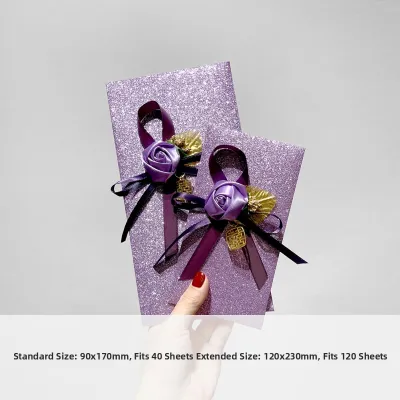
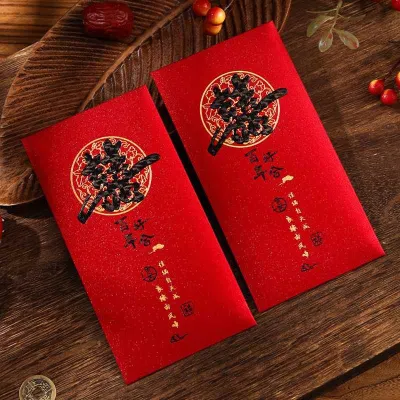
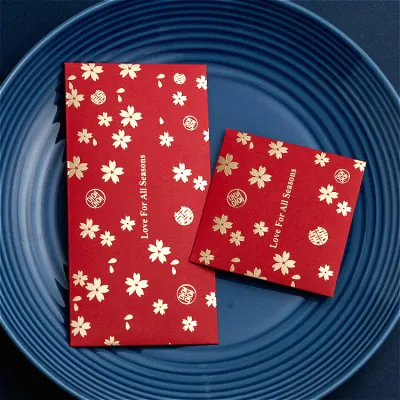
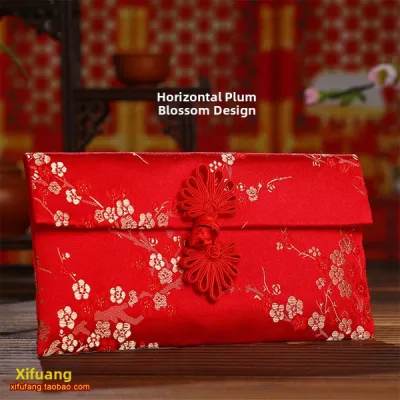
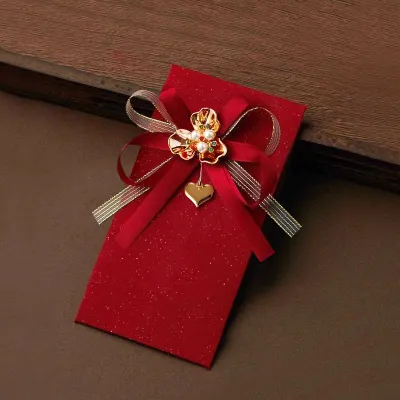
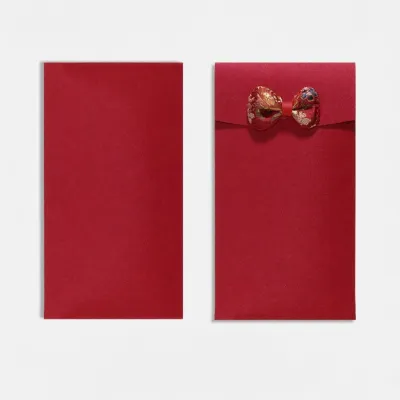
Prices are valid at publication and may change. Please refer to the product page for the latest price.
Matching Packet Size to Singapore Dollar Notes
Selecting the right envelope requires a quick comparison with the physical dimensions of Singapore Dollar notes. Under the Monetary Authority of Singapore (MAS) Portrait Series, currency notes increase in size as their denomination rises.

- $2 Note: Measures 126 mm by 63 mm. While it fits easily in any long packet, it is rarely given alone as a wedding gift due to banquet cost realities.
- $10 Note: Measures 133 mm by 66 mm.
- $50 Note: Measures 156 mm by 74 mm. This is one of the most common notes used to compile wedding gifts. It fits comfortably inside a standard 16.5 cm (165 mm) long envelope, leaving a safe margin of clearance.
- $100 Note: Measures 162 mm by 77 mm. This is the staple note for Singaporean wedding banquets. Because its length is 162 mm, placing it inside a standard 16.5 cm (165 mm) envelope leaves a clearance of just 3 mm. If the envelope has thick internal adhesive seams, the bill may catch or buckle. For $100 notes, an envelope measuring at least 17.0 cm in length is highly recommended to ensure a smooth, flat fit.
- $1,000 Note: Measures 170 mm by 82 mm. Although MAS discontinued the issuance of new $1,000 notes to mitigate money laundering risks, many remain in circulation and are highly prized for premium wedding gifts. A $1,000 note will not fit flat inside a standard 16.5 cm envelope; it strictly requires a jumbo packet measuring at least 17.5 cm in length to prevent the edges from bending.
To help you quickly pair your gift with the right stationery, refer to this quick reference guide:
- Single $100 Note: Use a long standard envelope (minimum 17.0 cm x 8.5 cm) for a flat, seamless presentation.
- Multiple $50 or $100 Notes: Use a long standard envelope or a slightly wider jumbo envelope to accommodate the cumulative thickness.
- High-Value $1,000 Note: Use a jumbo envelope (minimum 17.5 cm x 9.0 cm) to protect the note's edges.
- Folded Notes (Any Denomination): A pocket-sized standard envelope (11.5 cm x 8.0 cm) is acceptable if no long envelopes are available, but ensure the fold is clean and singular.
Additionally, consider the physical condition of the bills. Crisp, uncirculated notes obtained directly from bank branches or specialized ATMs during festive periods have a flat profile that minimizes bulk. Worn, circulated bills tend to hold air, crease unevenly, and create friction against the paper lining of the envelope, making them harder to insert without damage.
Managing Cash Thickness and Envelope Capacity
The total value of your wedding gift often dictates the physical thickness of the packet. If you are gifting a substantial sum, the configuration of your bills plays a major role in envelope selection. For instance, gifting $200 using two $100 notes is physically thin and fits perfectly in a standard paper envelope. However, gifting the same $200 using twenty $10 notes creates a thick stack that will severely test the structural integrity of a standard packet.
When dealing with multiple bills, pay close attention to the paper weight and construction of the red packet. Standard, budget-friendly red packets are typically made from lightweight paper (around 80gsm to 100gsm). These light papers lack structural rigidity; a stack of more than five notes will cause the sides to bulge outward, distorting the envelope’s shape and potentially tearing the glued seams. For stacks of five or more notes, opt for premium red packets made from heavy cardstock (120gsm to 200gsm), textured art paper, or fabric. These materials offer reinforced seams and a stiffer structure that maintains a flat, elegant profile even under tension.
As a general rule of thumb, limit the contents of a standard paper envelope to a maximum of five flat bills. If your planned gift requires more notes, consider upgrading to a jumbo envelope with a wider gusset, or exchange your lower-denomination notes for higher ones (such as swapping ten $10 notes for two $50 notes). Overstuffing a red packet not only risks physical damage to the envelope but also prevents the flap from sealing properly. A bulging, half-open packet looks disorganized and compromises the neat, respectful aesthetic expected at a formal registry of marriages or hotel banquet.
Wedding Presentation and Etiquette Essentials
Beyond choosing the physical dimensions, the way you seal, write on, and present your red packet reflects your respect for the newlyweds. In Singaporean wedding culture, presentation is just as important as the gift itself.
- Sealing the Flap: Traditional etiquette dictates that wedding red packets should be sealed by tucking the top flap into the pre-cut slit on the back. This allows the couple or their designated helpers to open the envelopes smoothly during the post-celebration count. If the packet lacks a slit, or if you want extra security, use a small, elegant decorative sticker. Avoid using heavy-duty adhesives, double-sided tape, or staples. Stapling an envelope shut is a major etiquette faux pas; it can lead to accidental finger pricks for the couple and often results in torn currency notes when the staple is forcibly removed.
- Writing Blessings and Names: Always write your full name clearly on the back of the red packet, along with a brief, heartfelt congratulatory message. When choosing a packet, ensure the back has sufficient blank or lightly patterned space to write on. Consider the paper's finish and your choice of writing instrument. High-gloss, laminated, or heavily metallic-foiled red packets are notoriously difficult to write on because they resist ink absorption. If you write on these surfaces with a standard gel pen or fountain pen, the ink will pool, smudge, and transfer onto your hands or other envelopes. For glossy surfaces, use a quick-drying permanent marker or a specialized calligraphy pen, and allow the ink to dry completely before packing. For matte or textured art papers, a high-quality gel pen or felt-tip pen works beautifully without bleeding through.
- Presentation at the Banquet: When you arrive at the wedding reception, present the red packet to the reception hosts or the couple using both hands. This gesture is a traditional sign of respect and sincerity. Before leaving home, inspect the envelope to ensure it is immaculate. It should be free of creases, oil smudges, or bent corners. Carrying the red packet in a rigid clutch, breast pocket, or dedicated envelope holder during transit will protect it from getting crushed in your bag.
- Auspicious Numbers: The total monetary value of your gift should always end in an even number, preferably incorporating the auspicious digit 8, which symbolizes prosperity (e.g., $188, $228, or $288). Strictly avoid any totals containing the number 4 (such as $140 or $240), as the pronunciation of "4" in Chinese sounds identical to "death" and is considered highly inauspicious for a marriage. Ensuring your note combinations add up to a favorable, even sum will naturally guide the number of bills you need to pack, helping you pre-plan the necessary envelope thickness and size.
Frequently Asked Questions (FAQ)
Can I fold a $100 note to fit it into a standard red packet?
Yes, folding a $100 note is acceptable if you only have a smaller pocket-sized red packet available. To maintain a respectful presentation, make a single, clean fold directly down the center of the bill rather than crumpling or folding it multiple times. Ensure your hands are clean and dry before folding to avoid leaving smudges on the crisp paper or polymer surface. However, for formal wedding banquets, keeping the note completely flat in a long standard envelope remains the preferred and most elegant approach.
Is it better to give one large note or multiple smaller notes in a red packet?
Gifting a single high-denomination note (such as one $100 or $500 note) is generally preferred because it keeps the red packet perfectly flat, lightweight, and elegant. It also eliminates the risk of bursting the envelope seams. If you must use multiple smaller notes to reach your desired auspicious total, ensure you select a red packet constructed from thick, high-quality cardstock (at least 120gsm) to support the physical weight and bulk of the stack without tearing.
Can I reuse a red packet from a previous event for a wedding?
It is highly recommended to use a fresh, pristine red packet specifically designed for weddings rather than reusing an old one. Avoid using packets left over from Chinese New Year that feature zodiac animals, as a year-specific design (such as a Dragon or Tiger) is inappropriate for a wedding held in a different year. Additionally, reused packets often carry subtle creases, worn corners, or weakened adhesive flaps, which detract from the formal, polished presentation required to honor the newlyweds on their special day.
Community discussion
Share your experience or ask a question. Comments are reviewed before publication.