
Selecting the most effective poster stand for a retail storefront window depends entirely on your specific physical space, lighting conditions, and pedestrian sightlines. There is no single universal best type; instead, the optimal choice maximizes street visibility by aligning the stand’s structure with your window’s depth and layout. This guide provides a practical framework to assess your storefront conditions, match them with appropriate stand types, and verify key features that attract walk-in customers without compromising safety or aesthetics.
Assessing Your Storefront Window Conditions
Before purchasing any display equipment, you must evaluate the physical and environmental characteristics of your specific storefront window. Begin by measuring the available interior depth, width, and height of the window enclosure. Note the distance from the glass pane to the main pedestrian walkway outside, as this gap determines the scale of the graphics required to capture attention. A deep window allows for larger, three-dimensional setups, while a shallow window requires flat, space-saving solutions.
Next, monitor the natural light intensity and direct sun exposure hours that your storefront receives throughout the day. High sun exposure can cause severe glare on the glass, rendering dark or low-contrast posters completely invisible to passersby. Intense sunlight also accelerates the fading of printed materials and can warp certain plastic frames. Identifying these environmental factors early helps you specify the protective features your stand and prints will require.
Products mentioned in this guide
3 Lazada user ratings
The wooden stand is just the right height, and the welcome sign sits on top really securely. The wood is smooth and well-finished, and I'm q…Read full reviewShow less
The wooden stand is just the right height, and the welcome sign sits on top really securely. The wood is smooth and well-finished, and I'm quite happy with the quality.
The solid wood material is really sturdy and doesn't wobble in the wind. The natural wood color looks nice, and it’s perfect for placing thi…Read full reviewShow less
The solid wood material is really sturdy and doesn't wobble in the wind. The natural wood color looks nice, and it’s perfect for placing things on it! 👍👍👍
The height is just right; guests can see it from far away. Assembly was super easy, got it set up in just a few minutes 😊😊
Prices are valid at publication and may change. Please refer to the product page for the latest price.
Finally, map the primary viewing angles of pedestrian and vehicular traffic. Determine whether people approach your shop straight-on, such as from a crosswalk, or obliquely as they walk along a narrow sidewalk. Close-proximity sidewalk traffic requires displays positioned at eye level, whereas distant or fast-moving traffic benefits from larger, elevated signage. Understanding these sightlines ensures your poster stand is positioned to capture the maximum number of glances.
Matching Poster Stand Types to Window Layouts
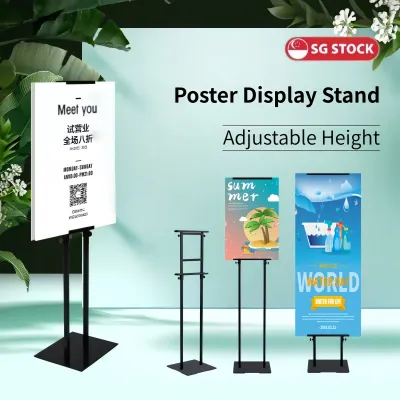
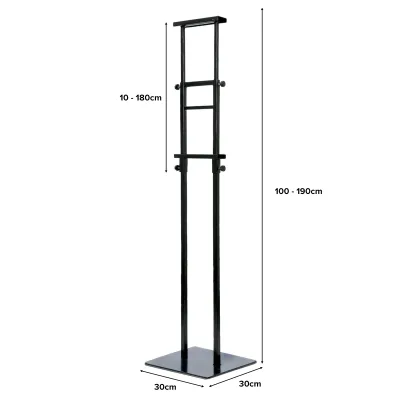
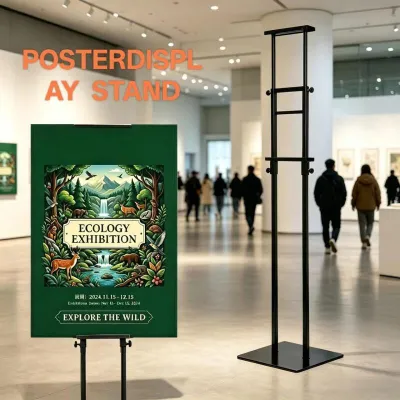
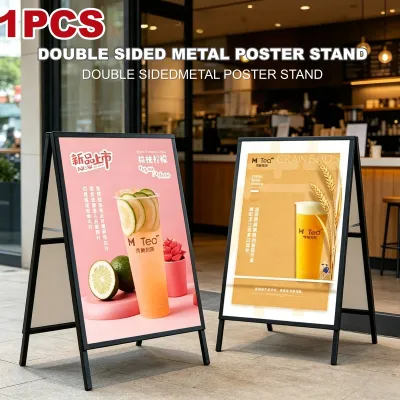
Different window architectures demand specific structural designs to ensure your promotional materials are both visible and secure. Floor-standing models and classic A-frame stands are highly effective for deep, spacious window enclosures. These stands offer excellent mobility, allowing you to reposition them easily during seasonal floor transitions. Many floor-standing models support double-sided graphics, which capture the attention of incoming street traffic on one side and departing in-store customers on the other.

For shallow windows or full-glass facades where floor space is virtually non-existent, suction cup holders or hanging window displays are the ideal choice. These systems place the poster directly against the glass, eliminating the gap between the advertisement and the pedestrian. By mounting the sign directly on the window pane, you bypass internal reflections and maximize street-level sightlines, making your message highly legible even to those walking right next to the glass.
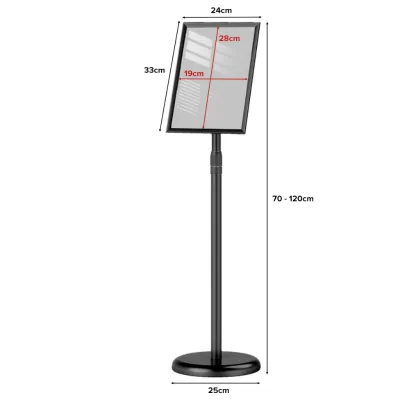
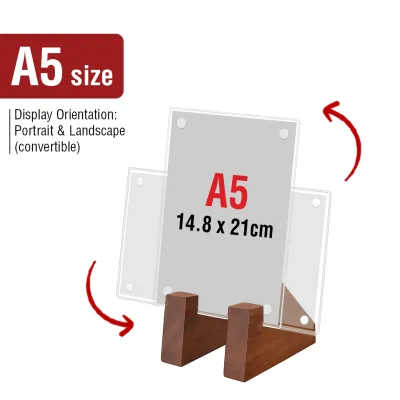
Countertop stands and shelf mounts serve as excellent solutions for half-height windows or storefronts utilizing existing display ledges and window sills. These compact stands elevate smaller posters to eye level without requiring dedicated floor space. They work exceptionally well when integrated into a broader product display, allowing you to place promotional pricing or product descriptions directly alongside the physical merchandise on show.
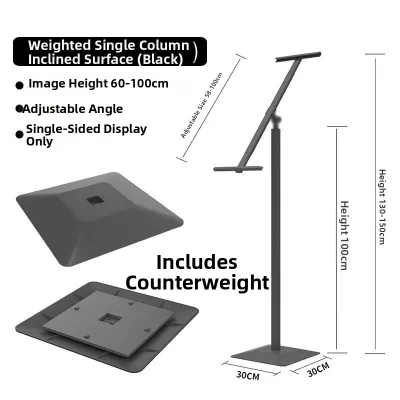
Lean-to frames and single-sided easels are best suited for deep windows where the display is positioned against a solid back wall or where rear visibility is obstructed by shelving. Because these stands rely on a rear support leg or a wall for stability, they occupy a larger footprint but offer a classic, artistic presentation. They are particularly useful for showcasing premium brand imagery or high-end product launches where a structured, gallery-like aesthetic is desired.
Key Features for Maximizing Street Visibility
To ensure your poster stand successfully draws foot traffic, you must select features that enhance visual clarity under challenging outdoor lighting conditions. The choice between double-sided and single-sided designs should be dictated by your store’s interior layout. If your window has an open back that allows pedestrians to look directly into the shop, a double-sided stand maximizes your advertising real estate. If the window is backed by a solid partition wall, a single-sided stand is more practical and cost-effective.
Anti-glare and UV-resistant protective panels are essential components for any window-facing display. When browsing product specifications, verify that the stand includes a non-reflective matte cover sheet rather than a glossy plastic sleeve. Glossy covers act like mirrors under direct sunlight, reflecting the street scene and obscuring your poster. UV-resistant materials also shield your printed graphics from ultraviolet degradation, preserving color vibrancy and preventing paper yellowing.
When selecting a poster stand, verify its compatibility with standard paper sizes, such as A1 or A2, and check the maximum media thickness it can accommodate. A stand designed for thin paper may not close properly over thick poster board, while a loose frame can cause thin paper to sag or slip. Additionally, evaluate the insertion mechanism—such as front-loading snap frames or top-loading slide-in slots. Testing these mechanisms through a quick trial ensures smooth, tear-free poster changes during busy retail hours.
The frame’s contrast and profile width play a subtle but critical role in readability. Selecting a frame with a bold, contrasting border—such as matte black or brushed aluminum—helps frame the poster and draw the eye inward. Conversely, a narrow frame profile maximizes the visible image area, ensuring that none of your text or branding is cut off at the margins. Ensure the frame style complements your overall store branding without competing with the poster design.
Size and proportion must be balanced carefully to avoid overwhelming the storefront. The poster stand should be large enough to be legible from the average pedestrian distance, yet scaled appropriately so it does not block natural light or obscure the physical merchandise displayed inside. A massive poster that blocks the view of your interior can actually discourage customers who want to see the store’s atmosphere before entering.
Ensuring Stability and Safe Installation
A storefront display must remain secure and stable to protect both your merchandise and your customers. For floor-standing models, verify the base weight and slip-resistance specifications before deployment. A top-heavy stand can easily tip over if bumped during window cleaning or product restocking. Look for models featuring heavy steel or water-fillable bases, and ensure the underside is equipped with rubber pads to prevent sliding and protect your flooring from scratches.
When utilizing suction cup models or glass-mounted frames, strict adherence to installation protocols is necessary to prevent the display from falling. Thoroughly clean the glass surface with an alcohol-based cleaner to remove grease, dust, and condensation before mounting. Check the manufacturer’s specified weight limits and temperature tolerances, as extreme heat or cold can compromise the suction seal over time. Periodically inspect the cups to ensure they maintain a firm grip on the glass.
Finally, ensure your poster stand setup complies with local safety regulations and building codes. The display must never obstruct emergency exit paths, fire sprinkler coverage, or access to utility panels. In many commercial districts, municipal guidelines restrict the height or placement of storefront displays to maintain clear public pathways. Verifying these compliance details beforehand prevents costly fines and ensures a safe shopping environment for everyone.
Frequently Asked Questions (FAQ)
How often should I change the posters in a storefront window?
You should align your poster changes with your store’s promotional cycles, typically every four to six weeks, to keep the storefront engaging for regular passersby. Even without active promotions, inspect the poster weekly for signs of physical degradation, such as curling edges, moisture wrinkling, or sun fading. Replacing worn graphics promptly maintains a professional brand image and signals to customers that your inventory and offers are fresh.
Can I use outdoor-rated poster stands inside a storefront window?
While you can use outdoor-rated stands indoors, they are generally unnecessary and may detract from your display’s aesthetic. Outdoor stands are engineered with heavy wind-resistant bases, spring-loaded frames, and rugged weatherproofing that make them bulky and visually heavy. Inside a window enclosure, these features offer redundant protection while occupying valuable display space that could otherwise be used for merchandise. A sleek, indoor-specific stand provides a more refined look that complements your products.

Community discussion
Share your experience or ask a question. Comments are reviewed before publication.