
Matching Pokémon stickers to a student’s grade level requires balancing developmental milestones, fine motor skills, and evolving social dynamics. While younger primary school children thrive on bright, highly recognizable characters that support fine motor development and classroom reward systems, secondary school students generally prefer subtle, minimalist, or retro designs that integrate seamlessly into their personal organization tools. Selecting the right sticker involves evaluating not only the visual theme but also the material durability and adhesive properties to ensure they suit specific school items without violating school guidelines. Personalizing school supplies with beloved characters like Pikachu, Eevee, or Charizard can make the back-to-school transition exciting, but choosing the wrong type of sticker can lead to damaged school property, peeling decals, or social mismatch. By taking a structured approach to selection, parents and students can find a practical balance between personal expression and academic appropriateness.
Key Factors for Matching Stickers to School Grade Levels
Developmental stages dictate how students interact with visual media and express their personal interests. Younger children rely on immediate visual recognition, favoring bold outlines and primary colors that represent iconic characters they see in animated series or games. As students mature, their appreciation shifts toward complex illustrations, action poses, and eventually abstract representations of their favorite franchises. Understanding where a student falls on this developmental spectrum helps narrow down the vast array of available designs to those that will truly resonate with them.
Peer dynamics and social environments play a significant role in sticker selection as children navigate different grade levels. In primary school, sharing and trading stickers is a common social activity that fosters bonding, communication, and cooperative play. In contrast, secondary school students often use stickers as a form of curated self-expression, where subtle nods to niche lore or minimalist aesthetics help them signal shared interests within specific peer groups without appearing overly childish. Choosing designs that align with these social contexts ensures that students feel confident displaying their stickers in front of their peers.
Products mentioned in this guide
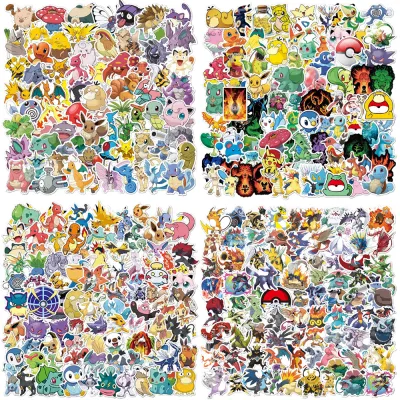
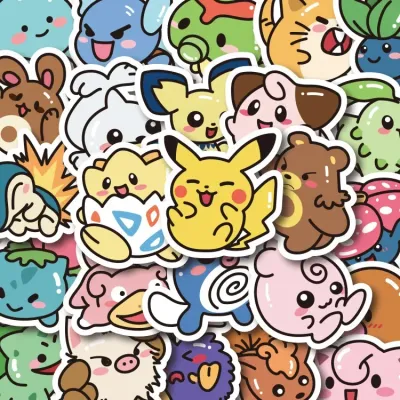
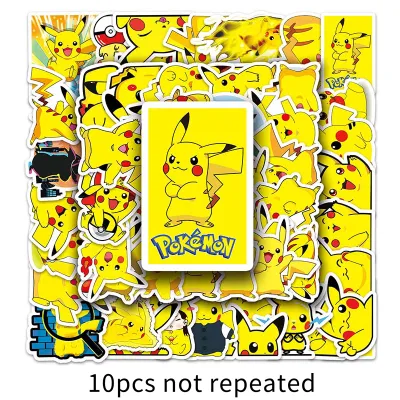
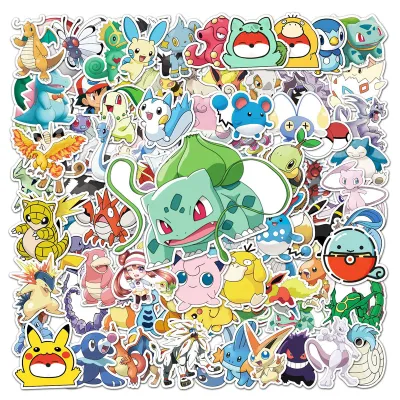
![[SG] Pokemon Tattoo Waterproof Pikachu Action Figure Cartoon Stickers Temporary Tattoo Facial Stickers for Kids Children Goodie Bag Birthday Party Gift](https://img.lazcdn.com/g/p/f9559f5ad37de80e46e41b75a1fe462e.jpg_400x400q80.jpg_.webp)
Prices are valid at publication and may change. Please refer to the product page for the latest price.
Fine motor skills influence the physical format of the stickers and how easily a student can apply them. Lower primary students, who are still developing hand-eye coordination, benefit from larger, die-cut stickers with easy-peel backings that prevent tearing during application. Secondary school students possess the dexterity required for intricate, kiss-cut sheets, tiny planner icons, and highly detailed vinyl decals that require precise alignment on electronic devices or notebook margins. Matching the sticker format to the student’s physical capabilities prevents frustration and ensures a clean, satisfying application.
School policies and environmental appropriateness must guide every sticker purchase to avoid unnecessary complications. Most educational institutions maintain strict rules regarding the modification of school-issued property, such as textbooks, desks, and lockers. Understanding the distinction between personal items that can be freely decorated and shared or rented items that must remain pristine is essential to avoid disciplinary issues or replacement fees. Selecting the right adhesive type and placement strategy ensures that students can enjoy their favorite characters while respecting school property guidelines.
Recommended Design Themes for Primary School Students
For lower primary students, typically ages seven to nine, the focus should remain on the most iconic and friendly characters from the Pokémon universe. Characters like Pikachu, Eevee, and the classic starter Pokémon—such as Bulbasaur, Charmander, and Squirtle—are universally recognized and evoke positive, non-threatening imagery. Bright, saturated color palettes and cheerful expressions are highly engaging for this age group, making school supplies feel welcoming and familiar. These friendly designs help create a sense of comfort and fun around daily school routines, which can be particularly helpful for younger children adjusting to longer school days.

Physical handling is a critical consideration for younger children who are still refining their fine motor control. Large, thick stickers, ideally measuring at least five to eight centimeters in diameter, are much easier for small hands to peel and place without folding or sticking to themselves. Look for designs with simple, rounded outer borders rather than complex, sharp edges, as these are less prone to tearing during the peeling process. Sturdier backing paper also helps younger students manage the sticker independently, boosting their confidence as they personalize their own belongings.
As students transition into upper primary school, spanning ages ten to twelve, their interests shift toward action, competition, and collection. Stickers featuring dynamic battle poses, legendary Pokémon, or complete evolution chains become highly appealing. These designs allow students to showcase their deeper knowledge of the franchise and engage in trading with classmates. The concept of evolution chains is particularly popular, as it mirrors the growth and progression that upper primary students are experiencing in their own lives and academic journeys.
Interactive sticker sheets can also serve as excellent motivational tools for upper primary students. Parents and educators can use themed sticker charts to reward completed homework, tidy study spaces, or consistent reading habits. Collecting specific sets or completing a visual index of characters on a dedicated notebook cover can turn routine school tasks into an engaging, gamified experience. This age group enjoys the sense of achievement that comes with completing a collection, making sticker-based reward systems highly effective.
When selecting designs for primary schoolers, consider the trade-off between artistic detail and visual clarity. While highly detailed, painterly illustrations look beautiful on large posters, they often become muddy and unrecognizable when shrunk down to fit on a pencil case or ruler. Clear, bold outlines and solid color fills ensure that the characters remain instantly recognizable even from a distance or at smaller scales. Prioritizing high-contrast designs helps maintain the visual impact of the stickers across various small school items.
Suitable Sticker Styles for Secondary School Students
Secondary school students generally seek to distance themselves from designs that feel overtly juvenile, opting instead for sophisticated aesthetics. Minimalist silhouettes of iconic characters, retro 8-bit pixel art reminiscent of early video games, and muted pastel or monochrome color schemes allow teenagers to express their fandom subtly. These designs blend seamlessly with modern stationery trends, matching the clean look of high-quality notebooks, binders, and minimalist pencil cases. By choosing more refined styles, older students can showcase their interests without compromising their desired mature aesthetic.
Functional integration is key for older students who use planners, bullet journals, and digital devices to manage their busy academic schedules. Small, functional sticker sheets featuring elemental type symbols, such as Fire, Water, Grass, or Electric icons, can be used to categorize school subjects, highlight exam dates, or organize weekly tasks. These compact designs serve a practical organizational purpose while maintaining a cohesive, stylish theme throughout their study materials. Using stickers as functional markers helps students stay organized while keeping their academic planning engaging.
The transition to secondary school often brings a shift from character-centric designs to lore-based or abstract motifs. Instead of a standard illustration of a character, older students may prefer stickers featuring fictional logos from the franchise, such as the Poké Ball variations, gym badges, or team emblems. This allows them to display their appreciation for the deeper lore of the universe in a mature, insider-style fashion. These subtle references act as a quiet nod to fellow fans, creating a sense of community without drawing unwanted attention from those unfamiliar with the franchise.
Laptop and tablet personalization is another major trend among secondary school students who use personal electronic devices for learning. High-quality vinyl decals designed for device lids should feature clean typography, abstract line art, or subtle geometric patterns incorporating Pokémon elements. These designs look professional during classroom presentations while still allowing students to showcase their personality on their tech gear. Selecting decals that match the metallic or matte finishes of modern laptops ensures a sleek, integrated look that appeals to style-conscious teenagers.
Material and Adhesive Checks for School Supplies
Choosing the right sticker material is crucial for ensuring longevity and preventing damage to school supplies. Paper stickers are cost-effective and excellent for low-wear surfaces, such as the inside pages of notebooks, paper folders, and study planners. However, they tear easily, fade when exposed to sunlight, and disintegrate quickly when they come into contact with water or sweat, making them unsuitable for high-touch items. For temporary projects or internal notebook decoration, paper options remain a practical and budget-friendly choice.
For items that undergo daily handling or exposure to moisture, such as water bottles, lunchboxes, and plastic pencil cases, vinyl stickers are a highly durable choice. High-quality vinyl is water-resistant, tear-proof, and highly durable, allowing it to withstand the friction of being slid in and out of school bags. When purchasing vinyl stickers, look for specifications indicating UV protection or weatherproofing to ensure the colors remain vibrant throughout the school year. Investing in durable vinyl prevents the unsightly peeling and fading that often occurs with lower-grade materials.
Adhesive strength and removability must be carefully verified before applying any sticker to expensive or school-issued equipment. Look for product labels that explicitly claim residue-free, removable, or low-tack adhesives, especially when decorating laptops, tablets, or rented textbooks. Standard high-tack adhesives can leave behind a sticky, dirt-attracting residue that is difficult to clean without harsh solvents, which could damage plastic casings or void electronic warranties. Verifying these adhesive properties beforehand saves significant time and effort when it comes time to remove or replace the stickers.
Certain surfaces require specific preparation or alternative decoration methods to ensure proper adhesion without causing permanent damage. Textured plastics, matte-finished metal flasks, and silicone pencil cases often resist standard adhesives, causing stickers to peel at the edges almost immediately. For these challenging materials, consider using alternative personalization methods, such as slide-on silicone charms, custom luggage tags, or low-tack static cling decals that do not rely on chemical adhesives. Understanding the limitations of different surfaces prevents the disappointment of stickers peeling off prematurely.
Safety is an essential consideration, particularly for younger children who have frequent, prolonged contact with their school supplies. Parents should check product packaging to ensure the stickers use non-toxic, acid-free adhesives and lead-free inks. This is especially important for stickers applied to items that come into close proximity with food, such as lunchboxes and water bottles, where chemical leaching must be avoided. Prioritizing safety-certified products ensures that personalizing school gear remains a safe and healthy activity for students of all ages.
Frequently Asked Questions (FAQ)
Are Pokémon stickers allowed on school textbooks and uniforms?
School policies regarding personalization vary widely, so it is always advisable to consult the specific student handbook or code of conduct before applying any decorations. Generally, school-issued textbooks, library books, and official uniforms must remain completely free of permanent alterations, including stickers. Applying high-tack stickers to these items can result in damage upon removal, leading to replacement fees at the end of the school term.
For personal belongings like pencil cases, personal notebooks, and water bottles, decoration is usually permitted as long as the designs are appropriate for an educational environment. If a student wishes to personalize a school-issued textbook cover, the most effective approach is to wrap the book in a protective, removable paper or plastic cover first, and then apply the stickers directly to that temporary layer. Alternatively, low-tack static cling decals or removable paper stickers can be used, as they can be peeled off cleanly without leaving residue or tearing the underlying material.
How can I prevent stickers from peeling off water bottles?
Preventing stickers from peeling off water bottles requires a combination of the right material and proper surface preparation. Before applying any sticker, the surface of the bottle must be thoroughly cleaned to remove oils, dirt, and manufacturing residues. Washing the area with dish soap and warm water, followed by a wipe-down with rubbing alcohol, provides a clean, dry surface that maximizes adhesive contact. Allow the surface to dry completely before attempting to apply the sticker.
Standard paper stickers will quickly degrade and peel when exposed to condensation or washing, so only waterproof vinyl stickers should be used on drinkware. When applying the sticker, press firmly from the center outward to smooth out any air bubbles and ensure the edges are completely sealed against the bottle. To extend the life of the sticker, hand-wash the water bottle gently with a soft sponge rather than placing it in a high-temperature dishwasher, which can melt or weaken the adhesive over time.
Community discussion
Share your experience or ask a question. Comments are reviewed before publication.